What Is an Open Pollinated Seed? A Clear Explanation for Gardeners
An open pollinated seed is a type of seed produced by plants through natural pollination methods such as wind, insects, or self-pollination, resulting in offspring that generally resemble the parent plant. Unlike hybrid seeds, open pollinated seeds maintain consistent characteristics over generations if isolated from cross-pollination.
This matters for gardeners who want to save seeds and grow crops with predictable traits year after year. Open pollinated seeds provide stability in plant characteristics, preserving varieties that adapt well to specific climates and conditions without the unpredictability of hybrids.
In this article, you'll learn the key features of open pollinated seeds, how they differ from hybrid and heirloom seeds, considerations for saving them, and tips for choosing the best seeds for sustainable gardening.
Understanding Open Pollinated Seeds

Definition and Characteristics
Open pollinated seeds come from plants naturally pollinated by insects, birds, wind, or self-pollination. These seeds produce plants nearly identical to their parent, allowing traits such as flavor, size, and color to remain stable without genetic modification.
By contrast, hybrid seeds result from controlled crosses between different varieties to produce specific traits but don't reliably pass these traits to offspring. Open pollinated seeds support biodiversity by maintaining stable, consistent traits in crops.
The Role of Genetic Diversity
Open pollinated seeds foster genetic diversity within plant populations because they rely on natural cross-pollination methods. This diversity helps plants adapt to environmental changes and pests over time, making them resilient in varied conditions.
Unlike uniform hybrids, the slight variations found in open pollinated plants contribute to stronger ecosystems and reduce dependence on commercial seed companies, supporting seed sovereignty and heritage.
Open Pollinated Seeds vs Hybrid and Heirloom Seeds
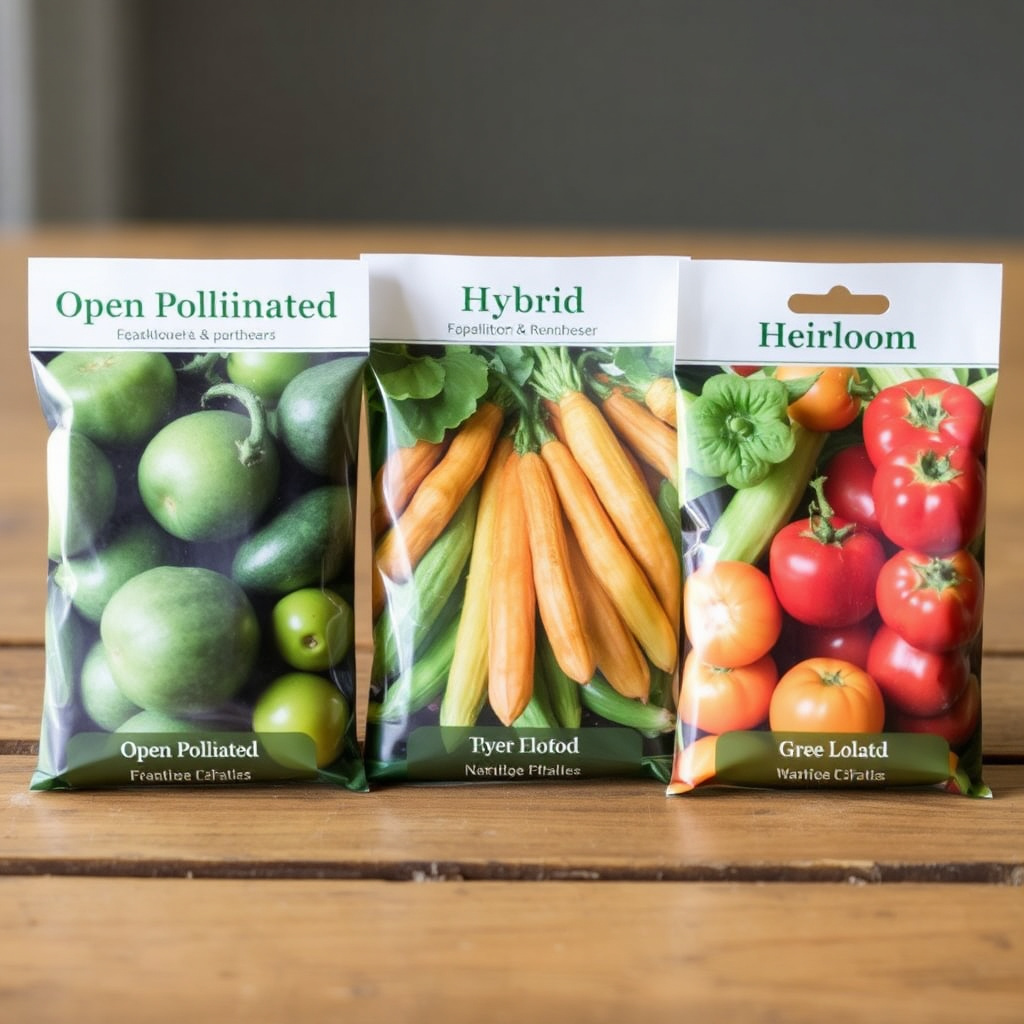
How Open Pollinated and Hybrid Seeds Differ
Open pollinated seeds maintain consistency generation after generation because they undergo natural pollination, preserving the original variety’s traits. Hybrid seeds, created by crossing two distinct parent plants, generally offer higher yields or disease resistance but do not breed true in subsequent generations.
For gardeners interested in saving seeds, open pollinated varieties are more reliable since seeds harvested from hybrids often produce plants with unpredictable traits due to genetic segregation.
Open Pollinated Seeds and Heirlooms: What’s the Connection?
Heirloom seeds are a subset of open pollinated seeds that have been preserved and shared across generations due to their valued characteristics. All heirlooms are open pollinated, but not all open pollinated seeds are heirlooms.
Heirlooms carry cultural and historical significance, often linked to specific regions or communities, while many open pollinated seeds may be newer varieties selected for consistent traits without extensive historical lineage.
Benefits of Using Open Pollinated Seeds
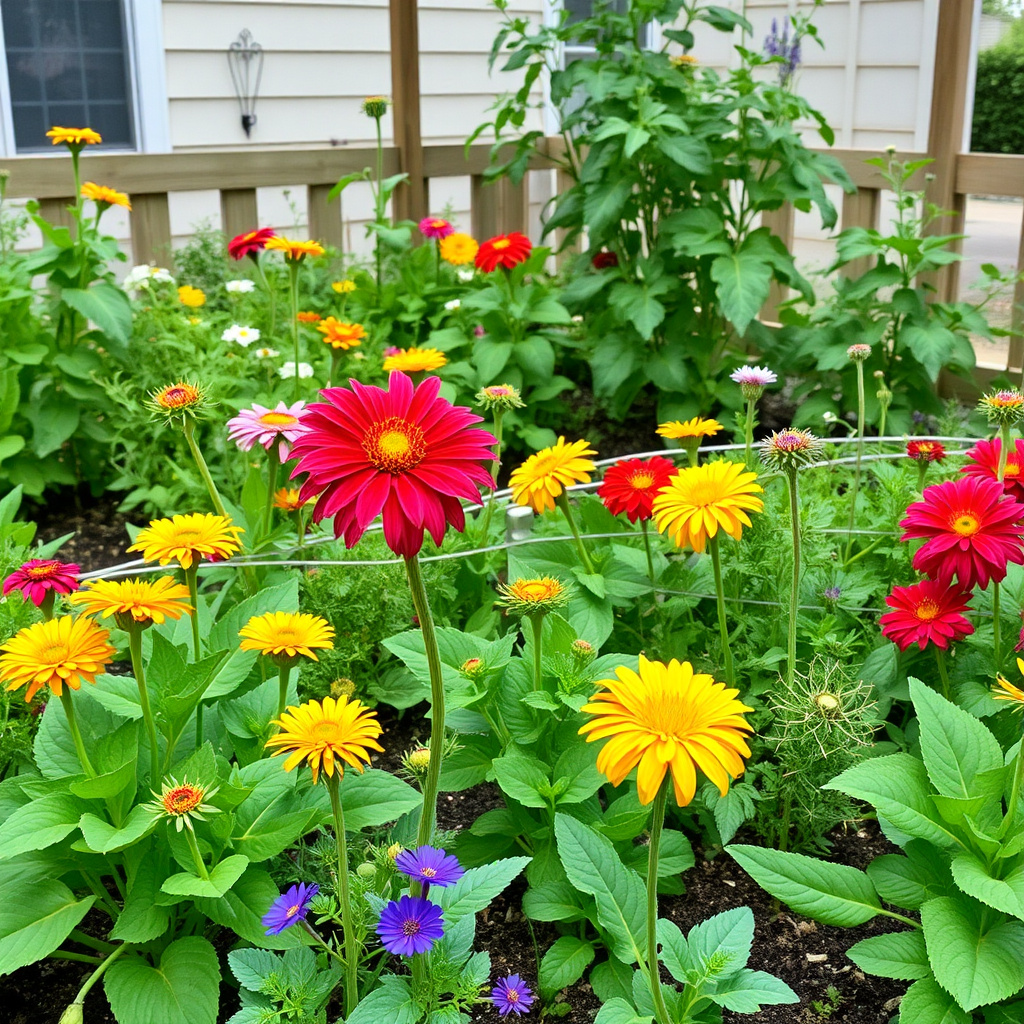
Seed Saving and Sustainability
Gardeners can save seeds from open pollinated plants, enabling them to grow the same variety year after year without purchasing new seeds. This reduces costs and supports sustainability by recycling genetic material within the garden.
Saving open pollinated seeds contributes to local adaptation as seeds acclimate over time to the specific microclimate and soil, enhancing plant health and yields.
- Cost-effective seed saving
- Encourages adaptation to local conditions
- Reduces dependency on commercial seed producers
For more on this, see our related guide: How to Compare Seed Varieties for Successful Gardening.
Supporting Biodiversity and Resilience
Using open pollinated seeds helps preserve plant genetic diversity, which is essential for ecosystem health and food security. Diverse crop genetics can increase resistance to pests, diseases, and changing climate conditions.
This resilience benefits agricultural systems by maintaining a pool of traits that breeders and farmers can draw upon for developing future varieties.
- Enhances pest and disease resistance
- Promotes ecological balance
- Preserves heirloom and rare varieties
Challenges and Limitations of Open Pollinated Seeds
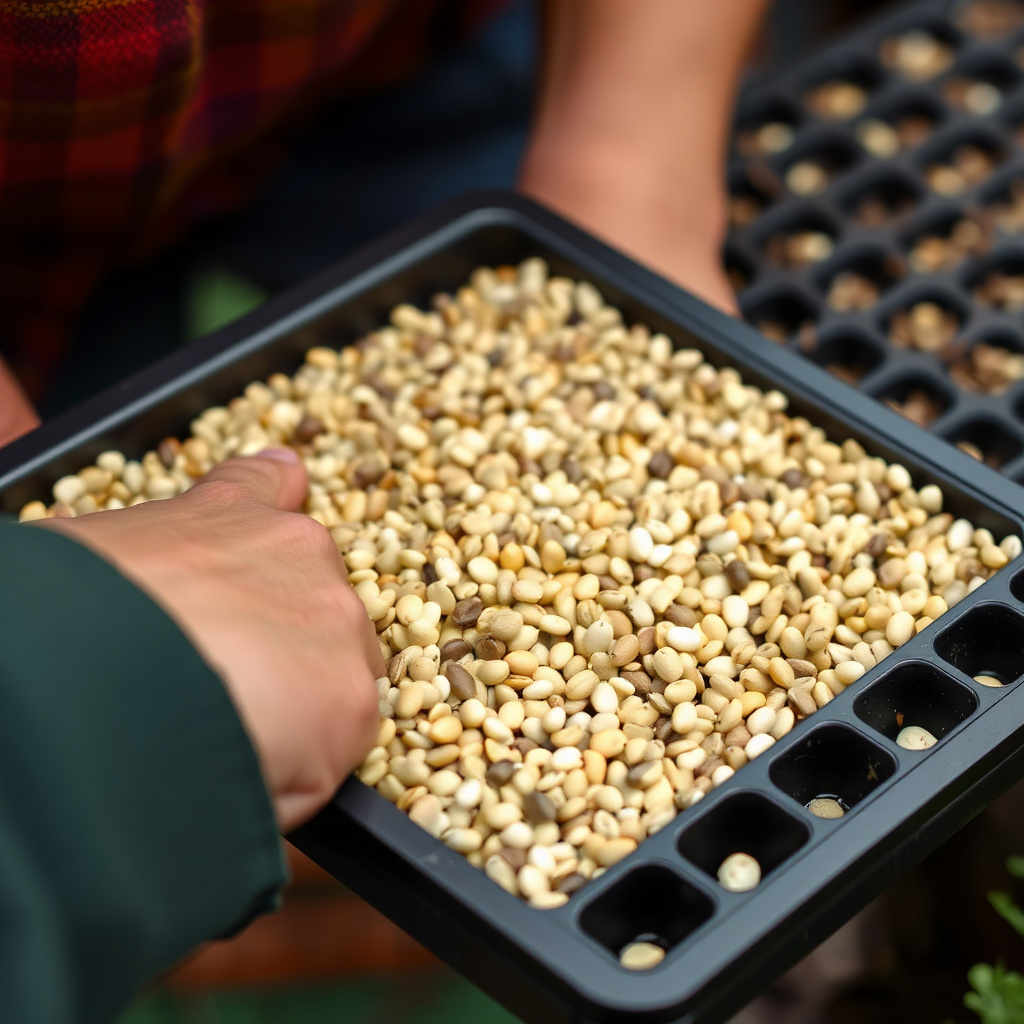
Variability and Cross-Pollination Risks
Open pollinated seeds can show minor variations in plant characteristics because natural pollination can lead to cross-breeding with nearby varieties. This may result in less uniform crops, which can be undesirable for commercial growers.
To maintain true seed stocks, gardeners must isolate plants by distance, barriers, or timing differences to prevent unintended cross-pollination.
- Possibility of trait variation
- Need for isolation techniques
- More labor-intensive seed management
Lower Uniformity Compared to Hybrids
Because hybrids are bred for uniformity and specific traits, they typically offer consistent size, ripening times, and yields, which open pollinated seeds may not match fully due to genetic diversity.
Gardeners who prioritize predictability and high output under controlled conditions might prefer hybrids despite their drawbacks for seed saving.
Choosing the Right Open Pollinated Seeds for Your Garden
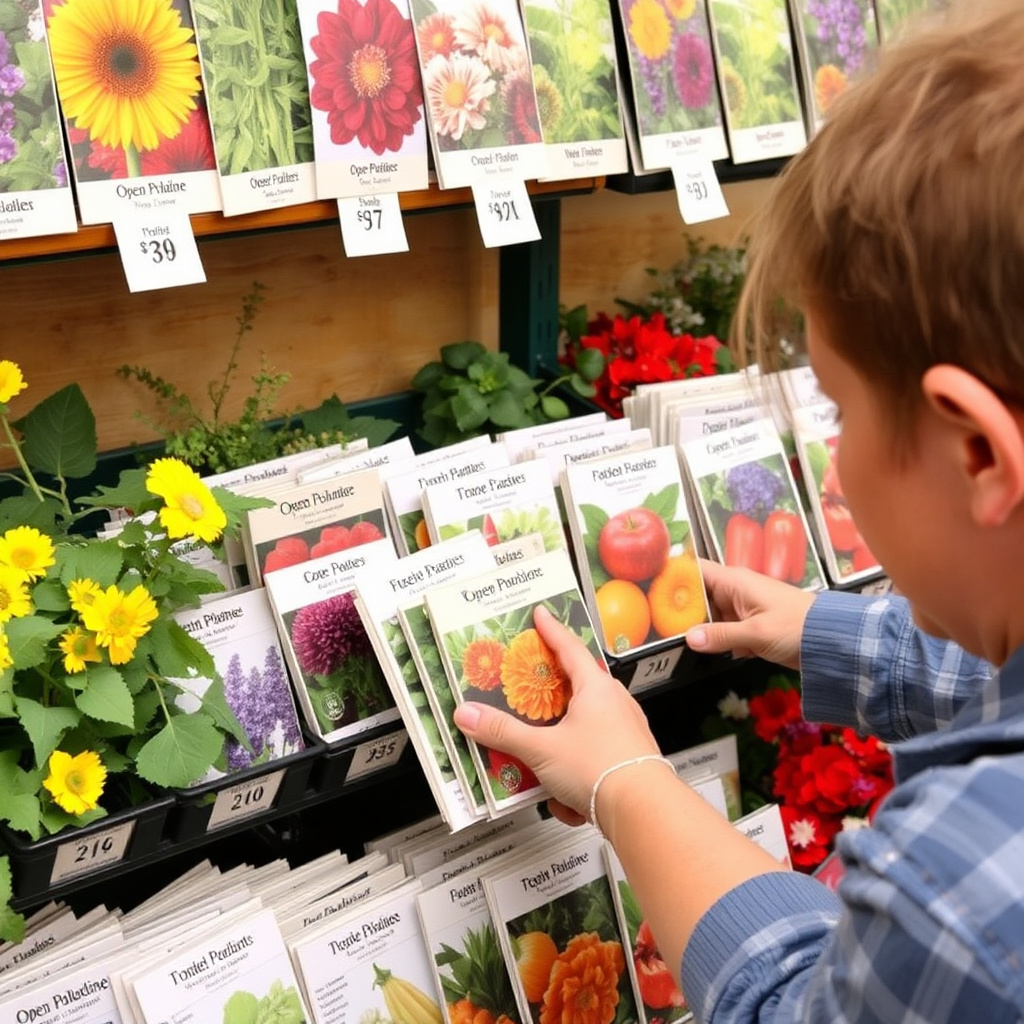
Selecting Varieties Adapted to Your Region
Opt for open pollinated seeds known to thrive in your local climate and soil. These varieties have often been cultivated over generations to develop desirable traits such as drought tolerance or pest resistance specific to your area.
Local seed exchanges and extension services can help identify reliable open pollinated varieties suited to your region.
- Check regional seed catalogs
- Consult local gardening groups
- Prioritize varieties with proven success nearby
For more on this, see our related guide: How to Read a Seed Catalog: A Complete Guide for Gardeners.
Starting Seeds Indoors and Managing Pollination
Starting open pollinated seeds indoors offers greater control over early growth but requires attention to pollination once the plants mature. Hand pollination or spatial isolation may be necessary for seed saving.
Proper timing and careful record-keeping support maintaining the cultivar’s traits and encourage healthy seed production.
- Use isolation methods to prevent cross-pollination
- Label plants for seed-saving accuracy
- Practice hand pollination if needed
Common Open Pollinated Seed Types and Their Uses

Popular Vegetables from Open Pollinated Seeds
Many classic vegetables like tomatoes, beans, lettuce, and peppers have reliable open pollinated varieties that gardeners favor due to their flavorful fruits and seed-saving potential.
These crops allow gardeners to experiment with heirloom genetics and sustain garden heritage through seed saving.
For a detailed overview, read more about open pollinated seeds and their importance at Wikipedia. Open-pollinated seed information.
Unique Uses and Specialty Crops
Open pollinated seeds also include rare and specialty crops such as heritage grains, medicinal herbs, and native plants, giving gardeners an opportunity to cultivate unusual and historical varieties.
Growing these supports conservation efforts and introduces biodiversity into home and community gardens.
Open Pollinated Seeds vs Hybrid vs Heirloom: A Quick Comparison
This table highlights key differences among open pollinated, hybrid, and heirloom seeds to help you decide which best fits your gardening goals.
| Seed Type | Breeding Method | Trait Stability | Seed Saving Viability | Typical Uses |
|---|---|---|---|---|
| Open Pollinated | Natural pollination | Generally stable if isolated | Easily saved with true-to-type results | Home gardening, seed saving |
| Hybrid | Controlled crossing of two varieties | Usually hybrid vigor but inconsistent in next generations | Seeds often yield variable plants, not true-to-type | Commercial production, high yield focus |
| Heirloom | Open pollinated, traditional variety | Stable and consistent | Seed saving keeps variety intact | Preserving heritage, specialty gardening |
Frequently Asked Questions
Can open pollinated seeds cross with hybrid seeds?
Yes, open pollinated seeds can cross with hybrid seeds if planted nearby, which may affect the purity of saved seeds unless proper isolation measures are taken.
Are all heirloom seeds open pollinated?
Yes, heirloom seeds are a subset of open pollinated seeds that have been passed down through generations for their valued traits and history.
Do open pollinated seeds yield less than hybrids?
Generally, open pollinated seeds may have lower average yields than hybrids bred for specific traits, but they provide greater genetic diversity and seed-saving ability.
How do I save open pollinated seeds effectively?
To save seeds effectively, isolate plants to prevent cross-pollination, allow fruits to fully mature, and properly dry and store seeds in cool, dry conditions.
Can I start open pollinated seeds indoors?
Yes, starting open pollinated seeds indoors is common and helps control conditions, but consider pollination needs once plants flower for seed production.
Key Takeaways
- Open pollinated seeds produce plants true to type when properly isolated.
- They support seed saving, genetic diversity, and garden sustainability.
- Heirlooms are a special class of open pollinated seeds with historical significance.
- Hybrids offer high yields but seeds don't reliably reproduce parent traits.
Conclusion
Understanding what an open pollinated seed is helps gardeners make informed decisions about the plants they grow and the seeds they save. By relying on natural pollination, these seeds maintain consistent inherited traits, allowing gardeners to cultivate stable varieties year after year. This stability is especially valuable for those interested in preserving plant diversity and fostering sustainable gardening practices that emphasize seed sovereignty and environmental adaptability.
For gardeners focused on cost-effectiveness and long-term use, open pollinated seeds provide a reliable option, particularly for home gardens and small-scale farming. Varieties such as open pollinated tomatoes and beans combine predictable fruit quality with the ability to save seeds for future planting. Meanwhile, heirloom seeds—part of the open pollinated family—offer a way to preserve culturally significant plants full of unique flavors and history. On the other hand, hybrid seeds are suitable when uniformity and high yields under controlled conditions are priorities but come with seed-saving drawbacks.
If you want to support biodiversity and enjoy the rewarding process of seed saving, starting with open pollinated seeds is a practical next step. Select varieties suited to your region, practice isolation techniques for seed purity, and experiment with seed saving to deepen your connection to the garden. Resources like local seed exchanges, extension services, and seed catalogs specializing in open pollinated and heirloom varieties are excellent places to explore your options further.