Distinguishing Seeds From Nuts: a Simple Guide
Are you often confused about whether you’re dealing with seeds or nuts? You’re not alone—many people struggle with telling them apart, especially when they look similar. Knowing the difference can help you make better choices for snacks or recipes.
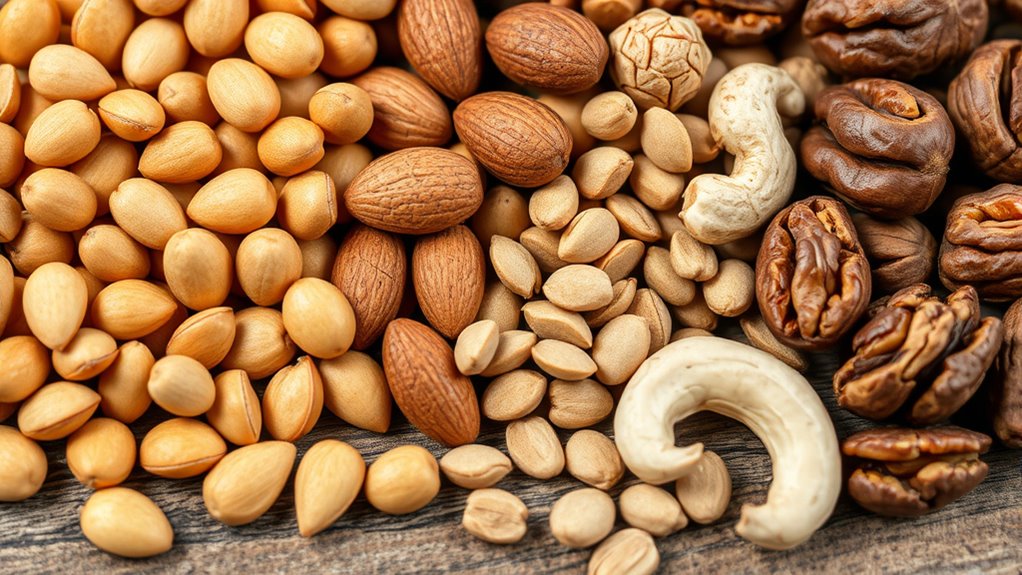
To distinguish seeds from nuts, look at their size, shell, and texture. Seeds, like sunflower or pumpkin seeds, are smaller, softer, and have smooth surfaces. Nuts, such as walnuts and almonds, are larger with hard, woody shells and a sturdier shape.
Knowing these differences helps you choose better for recipes or snacking. If you want to investigate tips on storing, cooking, and nutritional benefits, you’ll find plenty more helpful insights below.
Key Takeaways
- Seeds are smaller, softer, and have a simple structure with a seed coat, embryo, and nutrients, while nuts are larger with a hard, woody shell.
- Common seeds include sunflower, pumpkin, and chia; typical nuts include almonds, walnuts, and cashews.
- Seeds usually have a smooth surface and lighter color; nuts feature a thicker shell and darker, mottled appearance.
- Roasting boosts flavor and makes both easier to digest, but soaking or light steaming can increase their nutrients.
- Proper storage means keeping them in airtight, dark containers in a cool place to prevent spoilage. Nuts often take more resources to produce.
What Are Seeds and Nuts?
Seeds and nuts are both natural sources of nutrients, but they come from different parts of plants. Seeds are the fertilized parts of plants that can grow into new plants. They include types like sunflower seeds, pumpkin seeds, and chia seeds.
Seeds are fertilized plant parts that can grow into new plants, like sunflower, pumpkin, and chia seeds.
Nuts, on the other hand, are hard-shelled fruit kernels that come from specific nut varieties like almonds, walnuts, and cashews. While seeds are often smaller and softer, nuts tend to have a thicker shell and a more robust flavor.
Seeds are usually produced by grasses, herbs, and flowering plants, while nuts are the fruit of trees. Both provide essential nutrients, healthy fats, and protein, but they differ in their botanical structure.
Knowing these differences helps you understand their roles in nature and how they fit into your diet.
How Do Seeds and Nuts Differ in Nature?
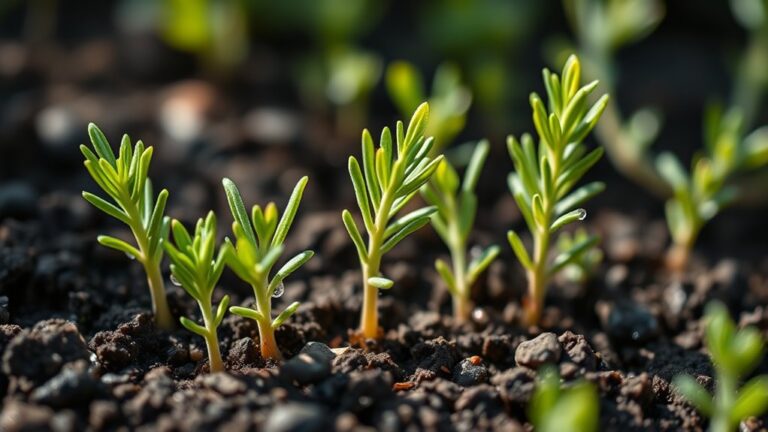
While seeds and nuts both serve as plant reproductive parts, they differ quite a bit in their natural structures. Seeds usually develop inside fruits and have a simple setup with a seed coat, an embryo, and stored nutrients. Their main job is to grow into new plants when the conditions are right.
Nuts, on the other hand, are a type of seed with a hard, woody shell that surrounds the seed. Unlike most seeds, nuts have a tough shell that protects the seed inside and is often part of the fruit itself. The sturdy shell helps the nut survive in the wild until it’s dispersed.
Seeds tend to be less encased and more delicate, often relying on soft coverings or fruit flesh for protection. Nuts are generally bigger and sturdier, with a shell that needs to be cracked open to get to the seed inside.
This basic difference in their structure influences how each grows and disperses naturally. Seeds are more fragile, while nuts are built for durability and survival in tough conditions.
Popular Seeds and Nuts You Find in Your Kitchen
You probably keep a variety of seeds and nuts in your kitchen, as they’re popular ingredients and snacks. Sunflower seeds, pumpkin seeds, and chia seeds are common for snacking or adding crunch to salads. Walnut varieties and hazelnuts are versatile, perfect for baking or topping oatmeal. Almond benefits include healthy fats and protein, making them a smart snack choice.
Flaxseed options are great for omega-3s and fiber, often ground into smoothies or baked goods. Pecan recipes bring a sweet, buttery flavor to desserts, while hazelnuts add richness to spreads and chocolates. Picture these in your pantry:
- Sunflower seeds and pumpkin seeds sitting in small bowls, ready to be sprinkled on yogurt.
- Walnut varieties and pecans in jars, perfect for baking or snacking.
- Chia seeds and flaxseeds stored in airtight containers, ready to boost smoothies or oatmeal.
These seeds and nuts are staples that boost flavor, texture, and nutrition in your everyday meals.
How to Tell Seeds From Nuts When Shopping?
When you’re out shopping and trying to tell seeds from nuts, a good rule of thumb is to look at their appearance. Seeds are usually smaller and have a smoother surface, while nuts tend to be a bit larger and come with a hard shell. Just take a quick look at their shapes and textures—that can help you make a fast distinction.
Also, keep in mind that seeds and nuts aren’t just different in looks. Their nutritional profiles vary too. Nuts generally pack more healthy fats and proteins, which makes them a great snack if you’re looking for something filling and nutritious. So, next time you’re browsing, these tips can help you pick the right one!
Appearance Differences
Seeds and nuts often look similar at first glance, but small differences in how they appear can help you tell them apart. Pay attention to their shape variations. Seeds are usually smaller, more elongated, or flat, while nuts tend to be larger and rounder.
Color differences also stand out. Seeds often have a lighter, more uniform hue, whereas nuts might show darker shells or mottled surfaces. Look for visual cues like slim, flat shapes for many seeds versus chunky, rounded nuts.
Seeds usually have a light, matte finish, while nuts may have shiny or textured shells. They are also smaller compared to the bulkier, more substantial nuts.
Nutritional Variations
While appearance differences can help identify seeds from nuts, their nutritional profiles offer more reliable clues when you’re shopping. Seeds and nuts differ in nutrient density, which impacts their health benefits.
Nuts usually have higher levels of healthy fats, protein, and fiber, making them more calorie-dense and good for heart health. Seeds tend to be smaller and pack concentrated nutrients like magnesium, zinc, and antioxidants, with fewer calories.
If you need a quick energy boost or want heart-healthy fats, go for nuts. For mineral-rich options and plant-based omega-3s, seeds are a smart choice. Knowing these nutritional differences helps you pick the best option for your diet and get the most health benefits while shopping.
The Main Differences Between Seeds and Nuts
You’ll see that seeds and nuts are categorized differently in botany. Basically, seeds are parts of plants that, when they grow, can turn into new plants. Nuts, on the other hand, are a specific type of seed that have a hard shell around them.
When it comes to nutrition, nuts usually pack more healthy fats and calories. Seeds, however, tend to be richer in fiber and plant-based proteins. Getting these differences straight can help you make smarter choices when picking snacks or adding them to your meals.
Botanical Classification Differences
Understanding the botanical classification differences between seeds and nuts helps clarify why they grow the way they do and how they fit into the plant kingdom. Seeds are the reproductive structures of plants, containing embryonic plants encased in a protective coat.
Nuts, on the other hand, are a specific type of seed enclosed within a hard shell, often from a single fruit. In botanical taxonomy, nuts are classified as dry fruits with a hard shell, while seeds are more broadly defined as reproductive units.
Visualize tiny seeds nestled within fruits, ready to sprout. Think of hard shells protecting the seed’s delicate interior. These reproductive structures develop into new plants, showing the differences in their structure and classification within the plant kingdom.
Nutritional Composition Variances
Seeds and nuts vary a lot in their nutritional makeup because of their different structures and roles. Seeds usually have more fiber and a variety of minerals, which helps with digestion and overall health.
They also tend to have a different mix of fatty acids, with more essential ones that support heart health. Nuts, on the other hand, tend to have more protein and are higher in calories, giving you steady energy.
Their vitamin content differs too. Nuts often pack more vitamin E and B vitamins, while seeds might have more antioxidants. These differences influence their health benefits—seeds are great for antioxidants and minerals, while nuts support muscle and heart health.
Knowing these differences can help you choose the best option for your nutritional needs.
Nutritional Benefits: Seeds vs. Nuts
While both seeds and nuts are nutrient-dense snacks, they offer distinct health benefits that can improve your diet in different ways. Seeds are packed with fiber, healthy fats, and plant-derived compounds that promote digestion and reduce inflammation.
Nuts, on the other hand, provide a rich source of monounsaturated fats, protein, and antioxidants. These contribute to heart health and help improve cholesterol levels.
Imagine:
- A handful of sunflower seeds boosting your seed health with vitamin E and magnesium
- Almonds enhancing your nut benefits through healthy fats and fiber
- Flaxseeds offering omega-3s to support brain and cardiovascular health
Choosing between seeds and nuts depends on your nutritional goals. Both serve as powerful, natural sources of essential nutrients, making them valuable additions to a balanced diet.
Cooking Tips for Seeds and Nuts
If you want to really enhance the flavor of seeds and nuts, give roasting a try! Just make sure to keep the temperature moderate and watch the clock so they don’t burn. It’s all about finding that perfect balance to bring out their natural goodness.
Once they’re roasted and cooled down, store them in airtight containers, and keep them away from heat and sunlight. This way, they stay fresh and retain their nutritional benefits for longer. Oh, and don’t forget—you can also jazz them up a bit by adding a light sprinkle of seasoning or pairing them with other tasty ingredients. It’s a simple way to make them even more delicious!
Roasting Techniques for Flavor
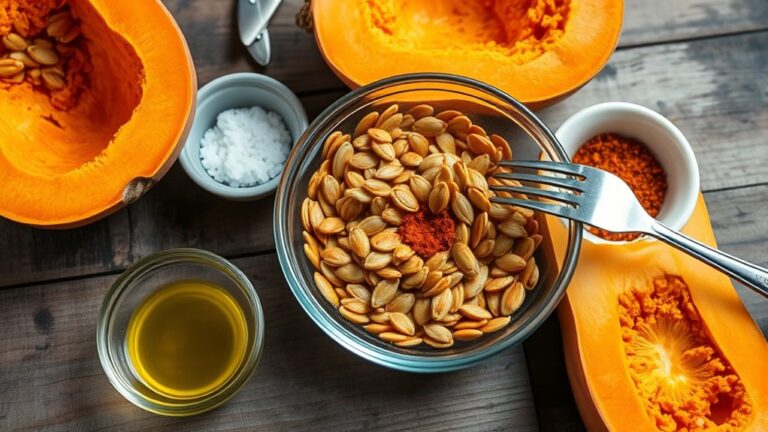
Roasting seeds and nuts boosts their natural flavors, bringing out richer, deeper tastes. The right roasting methods can really enhance their flavor profiles, making each bite more satisfying.
To get the best results, pay attention to temperature and time. A quick, high-temperature roast gives a toasted, crispy exterior, while a slower, lower heat creates a more even, nutty flavor.
As you roast, you’ll notice the aroma intensifies, filling your kitchen with inviting scents. The surface turns a golden or caramelized hue, and the texture becomes satisfyingly crunchy.
Be sure to keep a close eye to prevent burning. Stir or shake periodically for even roasting. Experiment with different techniques to find the perfect flavor balance that you love.
This simple step can turn ordinary seeds and nuts into flavor-packed snacks that are truly irresistible.
Proper Storage Methods
After roasting your seeds and nuts to perfection, proper storage becomes key to keeping their fresh flavor and crunch. Focus on ideal conditions like a cool, dark place with consistent temperature.
Use airtight containers to control air exposure and prevent moisture from seeping in, which can cause mold or spoilage. Avoid storing near heat sources or in transparent containers that let in light, as this speeds up rancidity.
Moisture control is essential—consider adding a silica gel packet if moisture is a concern. Proper storage extends shelf life and keeps your seeds and nuts tasting fresh longer.
Enhancing Nutritional Value
Enhancing the nutritional value of your seeds and nuts can be easily achieved through simple cooking techniques. Roasting, soaking, or light steaming can boost their nutritional density, making them more effective dietary sources of essential nutrients. For example, roasting brings out richer flavors and makes fats easier to digest, while soaking reduces anti-nutrients that hinder mineral absorption.
Light steaming preserves delicate oils and nutrients, maximizing health benefits. Consider these tips:
- Toast seeds and nuts lightly to elevate flavor and nutrient absorption.
- Soak them overnight to enhance mineral bioavailability.
- Steam briefly to preserve delicate vitamins and healthy fats.
These methods help you release more nutrients, ensuring you’re getting the most from your seeds and nuts as valuable dietary sources.
Are Seeds or Nuts Better for Your Health?
Are seeds or nuts better for your health? Both have great benefits, but your choice depends on what you prefer and need.
Seeds like chia, flax, and sunflower are full of omega-3s, fiber, and antioxidants. They support heart health and help with digestion.
Nuts such as almonds, walnuts, and cashews give you healthy fats, protein, and essential nutrients. They boost brain function and can improve your cholesterol levels.
If you’re on a plant-based diet, seeds might be more appealing because they’re versatile and high in fiber. Nuts are perfect for quick energy and satisfying snacks.
Both are nutritious, but keep portion sizes in check since they’re calorie-dense. In the end, mixing both seeds and nuts in your diet gives you the most health benefits.
This way, you can enjoy a balanced, nutrient-rich lifestyle tailored to your preferences.
How to Store Seeds and Nuts for Freshness
Storing seeds and nuts properly is key to keeping their freshness and nutritional value. Good storage prevents spoilage, rancidity, and loss of flavor.
Keep them in airtight containers to shield them from air, moisture, and light. Imagine a dark, cool pantry with sealed jars, or a fridge shelf where cool temps slow spoilage.
Vacuum-sealed bags are great too, as they keep out oxygen and preserve flavor for months. Pick storage options based on how soon you’ll use them.
For long-term storage, refrigeration or freezing works best. Be sure to label containers with dates so you can track freshness.
Proper storage helps you enjoy your healthy snacks at their best and prevents waste.
Why Knowing the Difference Matters for Your Diet and Sustainability
Understanding the difference between seeds and nuts is essential because it influences your dietary choices and impacts environmental sustainability. Seeds and nuts have distinct nutritional profiles that affect your health, such as different levels of healthy fats, protein, and fiber. Knowing which is which helps you make informed decisions to meet your dietary goals, whether you’re focusing on heart health or weight management.
Furthermore, this knowledge impacts environmental considerations. Nuts often require more water to produce and can have a higher environmental impact compared to many seeds, which typically need fewer resources. By choosing seeds over nuts or vice versa, you can reduce your ecological footprint.
In addition, understanding these differences encourages more sustainable eating habits. Supporting eco-friendly agriculture and reducing waste are ways to make a positive impact. Ultimately, being aware of whether you’re consuming seeds or nuts allows you to optimize both your health and the planet’s well-being.
Frequently Asked Questions
Can Seeds and Nuts Be Substituted for Each Other in Recipes?
You can sometimes substitute seeds and nuts in recipes, but remember their nutritional differences and flavor profiles. Nut butters like almond or peanut butter give a creamy texture, while seed oils such as sunflower or flaxseed oil add unique flavors.
Seeds like chia or sunflower seeds can replace nuts for crunch and nutrition, but they might change the taste and texture of your dish. It’s all about experimenting to find the right balance that works for your flavor and nutritional needs.
Are All Seeds Edible, or Are Some Toxic?
Think of seeds as a garden of surprises—some are safe treasures, while others are toxic traps. Not all seeds are edible; many, like certain wild varieties, contain toxins and need proper processing before you can use them in cooking.
Edible varieties, such as sunflower or pumpkin seeds, are safe when prepared correctly. Always identify and research seeds carefully because eating toxic seeds can cause serious health issues.
How Do Harvesting Methods Affect Seed and Nut Quality?
Harvesting techniques directly impact seed and nut quality. Using gentle methods like hand-picking or careful shaking helps preserve the integrity and minimizes damage, which keeps flavor and freshness high.
Rushing or rough harvesting can cause bruising, mold, or early spoilage, reducing how long they last. By choosing the right tools and timing, you can improve overall quality.
This makes your seeds and nuts more nutritious and appealing for storage or eating. Small adjustments in how you harvest can make a big difference in the final product.
Are There Any Allergies Specific to Seeds or Nuts?
You might experience seed allergies or nut allergies, with symptoms like hives, swelling, or difficulty breathing. While these allergies are often distinct, cross-reactivity can cause some people to be allergic to both, which can be confusing and uncomfortable.
Seeds like sunflower or sesame can trigger allergy symptoms even if nuts aren’t involved. Always check labels carefully and consider allergy testing if you suspect you have any allergies.
Reactions can range from mild to severe, affecting your health and eating choices. It’s important to be cautious and stay informed about what might trigger your allergies.
Do Seeds and Nuts Have Different Environmental Impacts?
Seeds and nuts do have different environmental impacts. Seeds generally require less water and land, which means they tend to have a smaller carbon footprint, especially when grown sustainably.
Nuts like almonds and cashews often need more resources and energy to produce. This increases their environmental impact compared to seeds.
Conclusion
Now that you can easily tell seeds from nuts, you’ll make smarter choices in your kitchen and for your health. Understanding their differences helps you pick the right ingredient for recipes, snacks, and sustainability.
Whether you’re a modern gourmand or channeling your inner Renaissance chef, knowing what sets seeds apart from nuts guarantees you’re nourishing your body and respecting our planet. Making these informed choices reflects the wisdom of ancient civilizations.
Happy snacking!