What Is a Cannabis License? Understanding Legal Permission to Operate
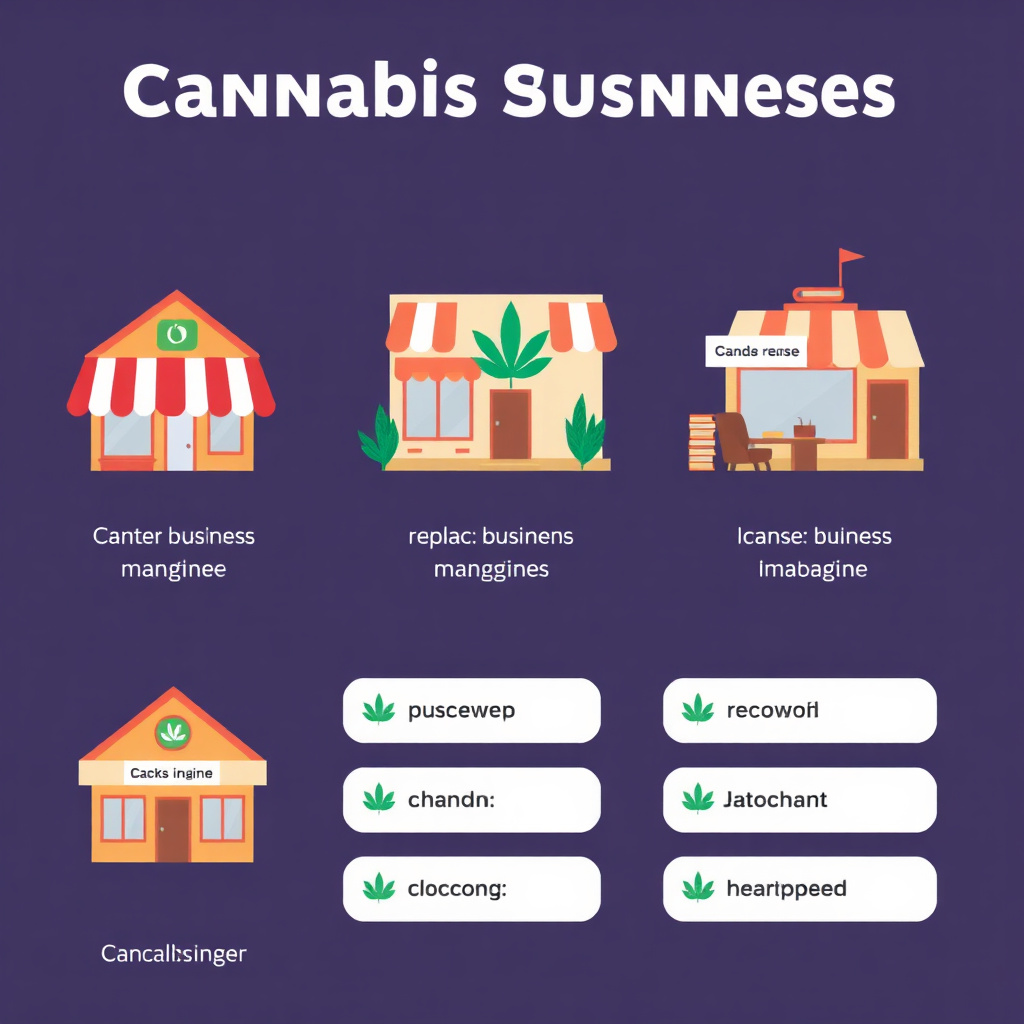
A cannabis license is an official authorization granted by a government authority that allows an individual or business to legally cultivate, process, distribute, or sell cannabis products. Without this license, engaging in cannabis-related activities is illegal in regulated markets.
This license ensures that cannabis operations comply with strict safety, health, and legal standards aimed at protecting consumers and communities. It also helps governments regulate the industry to prevent illegal sales and provide tax revenue.
This article explains the different types of cannabis licenses, the application process, requirements, and how these licenses impact businesses and consumers in the growing legal cannabis market.
Types of Cannabis Licenses and Their Functions
Cultivation Licenses
Cultivation licenses authorize the growing of cannabis plants. These licenses vary by scale, including small-scale personal grows and large commercial farms. The license requirements often specify plant counts, security measures, and environmental controls.
License holders must comply with agricultural standards, manage pesticide use, and maintain detailed records to prevent diversion to the black market.
- Indoor, outdoor, or mixed cultivation types
- Tiered license sizes based on plant limits
- Mandatory security systems
Processing and Manufacturing Licenses
Processing licenses allow businesses to transform raw cannabis into products such as concentrates, edibles, and topicals. This stage requires following health and safety regulations, including sanitation and product testing standards.
Manufacturers must track all materials through a seed-to-sale system, control contamination risks, and label products accurately to meet consumer safety requirements.
- Extraction license types (CO2, solvent-based, etc.)
- Edible and infused product licenses
- Quality control regulations
Application Process for a Cannabis License

Eligibility Requirements
Applicants typically must be of legal age and pass background checks to verify no serious criminal history related to controlled substances. Some jurisdictions also require residency or local community approvals.
Financial disclosures and evidence of business planning are often necessary to show the applicant’s capability to comply with regulatory demands.
- Age verification (21+ years common)
- Criminal background check
- Proof of financial stability
Submission and Review Process
The submission usually involves detailed documentation, including facility plans, security protocols, and operational procedures. Licensing authorities then review applications against criteria like zoning laws and community impact assessments.
Approval timelines vary but generally include a period for public comment or hearings before final decisions are made.
- Zoning and land use compliance
- Security and surveillance plans
- Community meeting or notice
Costs and Fees Associated with Cannabis Licenses

Application and Renewal Fees
Applicants must pay non-refundable fees when submitting cannabis license applications. Renewal fees are often annual and vary by license type and business size.
These costs help fund regulatory oversight but can be a significant barrier for small businesses and new entrants to the cannabis market.
- Non-refundable application fees
- Annual renewal fees
- Fees scale with license size/type
For more on this, see our related guide: Are Cannabis Seeds Legal in the USA? Understanding the Legal Landscape.
Additional Financial Obligations
Businesses may face extra costs related to compliance inspections, product testing, and security system upgrades required by law.
Taxes on cannabis sales also impact overall operating expenses and must be included in financial planning.
- Testing and lab certification fees
- Security system installation and monitoring
- State and local cannabis taxes
Legal Responsibilities and Compliance

Record-Keeping and Reporting
Licensed cannabis businesses must maintain detailed records, including seed-to-sale tracking, employee logs, and transaction details. These records support regulatory audits and fraud prevention.
Failure to comply with reporting requirements can result in fines, license suspension, or revocation.
- Seed-to-sale tracking systems
- Employee and inventory logs
- Regular reporting to regulatory bodies
Security and Safety Protocols
Regulations often mandate robust physical and cyber security measures, including surveillance cameras, secure storage, and restricted access to cannabis inventory.
Safety protocols also encompass employee training on handling cannabis, preventing diversion, and emergency responses.
- 24/7 surveillance cameras
- Secure vaults or safes for product storage
- Employee compliance training
Impact of a Cannabis License on Business Opportunities
Market Access and Competitive Advantage
Holding a cannabis license enables businesses to legally enter emerging markets, attracting customers and investors seeking compliance and reliability.
Licensed operators can differentiate themselves by offering tested and regulated products, which can support higher pricing and brand loyalty.
- Access to legal retail channels
- Enhanced consumer trust
- Ability to form partnerships with other licensed businesses
For more on this, see our related guide: Cannabis Cultivation Laws by State: What You Need to Know in 2024.
Challenges and Limitations
Licensing comes with responsibilities that can limit operational flexibility, such as restrictions on advertising, product types, and sales locations imposed by regulators.
Competition for limited licenses also increases barriers to entry and can delay new business openings.
- Advertising and marketing restrictions
- Caps on license numbers in some areas
- Complex regulatory environment
Renewing and Maintaining a Cannabis License
Renewal Requirements
Most cannabis licenses require annual or biennial renewal, which involves submitting updated documentation, paying fees, and demonstrating continued compliance with regulations.
Submitting renewals on time is critical to avoid penalties or business disruption.
- Updated compliance reports
- Renewal fee payments
- Inspection or audit readiness
For a broader understanding of cannabis regulation and licensing history, see this detailed cannabis industry licensing overview. Cannabis industry licensing overview.
Handling Violations and Penalties
Non-compliance with licensing rules can lead to penalties such as fines, suspension, or permanent revocation of the license. Businesses must address violations promptly and implement corrective actions.
Regulatory bodies often provide guidance for remediation but enforce penalties to maintain industry integrity.
- Fines for minor infractions
- License suspension processes
- Pathways to appeal or reinstate licenses
Types of Cannabis Licenses Compared
This table compares common cannabis license categories to help understand their primary uses, typical fees, and operational scope.
| License Type | Primary Use | Typical Fee Range | Operational Scale |
|---|---|---|---|
| Cultivation License | Growing cannabis plants | $5,000 – $100,000+ | Small to large farms |
| Processing License | Manufacturing cannabis products | $10,000 – $150,000+ | Small to medium facilities |
| Retail/Dispensary License | Selling cannabis products | $10,000 – $250,000+ | Small stores to chains |
| Distribution License | Transporting cannabis products | $3,000 – $50,000 | Regional to state-wide |
| Testing Laboratory License | Product quality testing | $10,000 – $75,000 | Small labs to full service |
Frequently Asked Questions
How long does it usually take to get a cannabis license?
Obtaining a cannabis license can take several months to over a year, depending on the jurisdiction's review process, completeness of the application, and any public comment periods.
Can I operate a cannabis business without a license?
Operating without a cannabis license is illegal and can result in severe penalties, including fines, business closure, and criminal charges.
Do cannabis licenses allow businesses to sell across state lines?
No. Cannabis licenses are typically valid only within the issuing state or local jurisdiction due to varying laws; interstate cannabis sales remain prohibited under federal law.
Are cannabis licenses transferable to another person or location?
Most cannabis licenses are non-transferable and tied to a specific person, business entity, and physical location. Transfers usually require new applications and approvals.
What happens if I violate licensing regulations?
Violations can lead to fines, suspension, or revocation of your cannabis license. Corrective actions and compliance audits may be required to regain good standing.
Key Takeaways
- A cannabis license legally permits specific cannabis activities, such as cultivation or sale.
- Licenses require strict compliance with regulations, including security and reporting.
- Costs include application fees, renewals, and additional compliance expenses.
- Licenses provide market access but come with operational limitations and responsibilities.
Conclusion
Deciding to pursue a cannabis license involves assessing legal requirements, financial readiness, and business goals in the highly regulated cannabis industry. Understanding the distinct license types helps clarify the pathway to lawful operations and allows businesses to focus on their desired segment, whether cultivation, manufacturing, retail, or testing.
For entrepreneurs targeting cannabis retail, obtaining a dispensary license ensures access to legal market avenues and consumer trust. Cultivators must navigate plant limits and security requirements, while those interested in product innovation should consider processing licenses. Adhering carefully to application protocols and ongoing compliance will safeguard license status and contribute to a sustainable business.
Prospective licensees should start by researching local regulations and preparing thorough application materials. Working with legal experts or consultants can simplify the process. Staying informed about licensing timelines and renewal obligations helps prevent disruptions. Ultimately, a well-managed cannabis license serves as a foundation for legitimate and competitive operations within the expanding cannabis market.