How to Plant Seeds Outdoors for a Thriving Garden
Planting seeds outdoors starts with selecting the right location and timing for your climate and the type of plants you want to grow. You begin by preparing the soil with adequate nutrients and proper drainage, then sow seeds at the recommended depth and spacing. Water the area gently and keep it consistently moist until the seeds sprout.
Understanding when and how to plant seeds outdoors maximizes your chances of a successful garden. Outdoor conditions vary widely, so aligning planting times with local frost dates and soil temperatures also matters. This method helps seeds germinate reliably and strengthens young plants against pests and weather.
This article will guide you through the essential steps for planting seeds outdoors, including soil preparation, seed selection, sowing techniques, watering strategies, and tips for protecting seedlings. Whether you’re starting a vegetable garden or flowering beds, these practices will help you grow a flourishing garden from seed.
Preparing Your Garden Bed for Outdoor Seed Planting

Testing and Amending Soil
Before planting seeds outdoors, test your soil’s pH and nutrient levels with a home test kit or through a local extension service. Most garden plants prefer a slightly acidic to neutral pH between 6.0 and 7.0. Adding organic matter like compost or aged manure can improve soil texture and fertility.
Amending the soil properly creates an optimal environment for seed germination. If the soil is too sandy, it won’t hold moisture well; if too clayey, seeds might rot. Adjust soil composition by mixing in materials such as peat moss, vermiculite, or sand based on test results.
- Use a soil test kit or send samples to a lab
- Add compost to boost nutrients and microbial activity
- Incorporate sand or perlite if soil is heavy and compacted
Clearing and Loosening the Soil
Remove rocks, weeds, and debris from your planting area to reduce competition and improve seedling emergence. Grass and weed roots can outcompete seeds for nutrients and water if not fully cleared.
Loosen the soil to a depth of about 8 to 12 inches using a garden fork or tiller. This aerates the soil, allowing roots to penetrate easily and improves drainage, reducing the risk of seed rot and fungal diseases.
- Clear all visible debris and weeds
- Loosen soil to 8-12 inches deep
- Break up large clumps and level the bed
Choosing and Preparing Seeds for Outdoor Sowing

Selecting Seeds Suitable for Outdoor Conditions
Choose seeds adapted to your growing zone and outdoor climate. Cold-hardy plants like kale and spinach can be sown early in spring, while warm-season crops like tomatoes require warmer soil temperatures for germination.
Read seed packets to confirm planting dates and soil temperature requirements. Opt for disease-resistant varieties to improve success rates and reduce maintenance during the growing season.
- Check USDA hardiness zone compatibility
- Select disease-resistant or hybrid varieties
- Consider planting timeline for your climate
Pre-treating Seeds for Better Germination
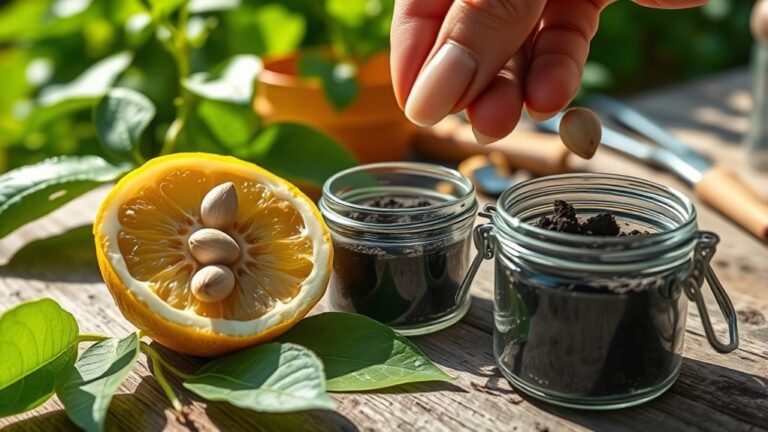
Some seeds benefit from soaking in water for 12 to 24 hours before planting to soften their outer coatings, which speeds up germination. Examples include beans, peas, and sweet peas.
Scarification, gently nicking or sanding hard seed coats, can also help tricky seeds absorb moisture. Stratification, or cold treatment, is needed for certain perennials and trees. Check specific seed needs before pre-treating.
- Soak hard-coated seeds to speed germination
- Scarify seeds with tough outer shells
- Cold stratify seeds if required for your species
Effective Outdoor Seed Sowing Techniques

Sowing Seeds at the Correct Depth and Spacing
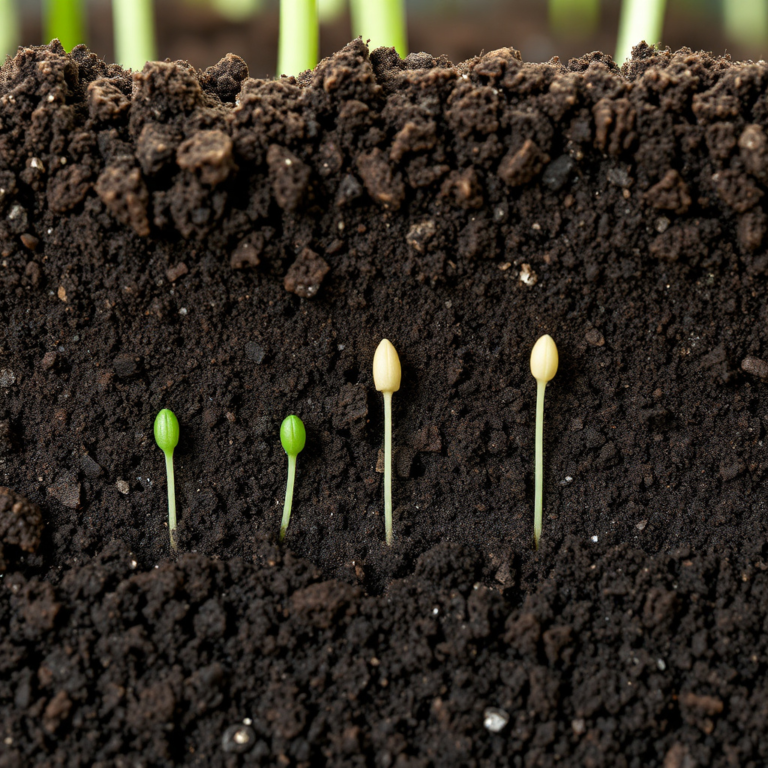
Plant seeds at the depth recommended on the seed packet—usually about two to three times the width of the seed itself. Correct depth prevents drying out or seedling death due to excess soil compaction.
Spacing seeds properly ensures each plant has enough room for root and leaf growth without overcrowding, minimizing disease and competition. Use a ruler or marked sticks to maintain consistent distances.
- Follow seed packet instructions for depth
- Space seeds evenly according to plant maturity size
- Use markers to guide even seed placement
For more on this, see our related guide: How to Transplant Seedlings Without Stressing Your Plants.
Using Seed Trays and Direct Sowing Outdoors
For delicate or slow-germinating seeds, starting them indoors in seed trays might be beneficial, then transplanting outdoors when seedlings are strong enough. This extends the growing season and protects seedlings from harsh weather.
Direct sowing places seeds straight into prepared outdoor beds, ideal for sturdy, fast-germinating types like root vegetables and leafy greens. Soil should be moist but not waterlogged, and freshly loosened for best results.
- Start sensitive seeds in trays before transplanting
- Direct sow hardy seeds in prepared soil beds
- Water gently after sowing to avoid displacement
Proper Watering and Care for Outdoor Seedlings

Maintaining Soil Moisture Without Overwatering
Keeping soil consistently moist helps seeds absorb water and triggers germination but avoid soggy conditions which cause rot. Irrigate lightly once or twice daily depending on weather, using spray bottles or fine nozzles to avoid washing seeds away.
Mulching with straw or leaf litter retains moisture and regulates soil temperature after germination. Avoid using plastic mulch on newly seeded beds as it can trap too much heat and hinder seedling growth.
- Water daily with gentle sprays until sprouting
- Use organic mulch after seedlings emerge
- Check soil moisture by touch, avoid waterlogging
Protecting Seedlings from Pests and Weather
Young seedlings are vulnerable to birds, insects, and harsh weather. Row covers, netting, or cloches provide physical barriers while allowing light and moisture through. Use natural pest repellents or companion planting to deter insect damage.
Shade cloth can reduce intense midday sun, preventing seedlings from drying out. Monitor weather forecasts to shield seeds or seedlings from unexpected frosts or heavy rains.
- Use row covers or netting to protect seedlings
- Apply natural pest repellents or companion plants
- Provide shade during heat waves or protect from frost
Troubleshooting Common Outdoor Seed Planting Issues

Dealing with Poor Germination Rates
Poor germination often results from planting seeds too deep or in cold, compacted soil. Check if your soil temperature matches the seed requirements and always plant at the recommended depth.
Old or improperly stored seeds also might fail to sprout. Use fresh seeds and keep extras sealed in a cool, dry place for best long-term viability.
- Ensure planting depth and soil temperature are correct
- Test seed viability before planting
- Improve soil drainage and aeration if compacted
For more on this, see our related guide: How to Prevent Root Rot in Plants: Effective Strategies for Healthy Growth.
Preventing Seedling Disease and Damping-off
Damping-off is a fungal disease that kills seedlings and is encouraged by overly wet, poor-draining soil and crowded conditions. Avoid overwatering and increase airflow by thinning seedlings as they grow.
Sterilize tools and use clean seed-starting media. Applying natural fungicides like chamomile tea spray can help prevent fungal outbreaks on young plants.
- Water carefully; avoid standing water
- Thin seedlings to improve air circulation
- Use sterile tools and soil media
Harvesting and Transplanting Seedlings Into the Garden

Timing the Transplant for Outdoor Seedlings
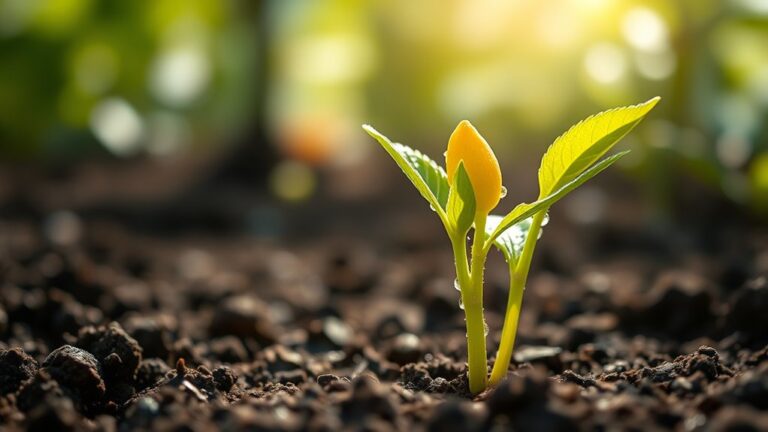
Seedlings are ready for transplant when they have 2-4 true leaves, are sturdy, and the outdoor conditions are favorable—usually after the last frost date. Harden them off by gradually introducing seedlings to outdoor light and temperature over a week.
Monitor weather to avoid transplanting before cold snaps or heat waves, and choose calm, cloudy days to reduce transplant shock.
- Transplant after last frost date
- Harden off seedlings gradually for 7-10 days
- Transplant on cool, calm days
For additional detailed information on seed planting basics, you can review the Planting seeds outdoors guide available on Wikipedia. Planting seeds outdoors guide.
Proper Techniques for Transplanting Seedlings
Dig holes slightly larger than the seedling root ball and gently loosen roots before planting to encourage outward growth. Place seedlings at the same soil depth they were in the containers to prevent stem rot.
Water transplants thoroughly after planting and mulch around the base to maintain moisture. Monitor the plant for wilting or pest damage closely for the first two weeks.
- Make appropriately sized planting holes
- Place seedlings at original soil depth
- Water well and mulch to retain moisture
Comparison of Outdoor Seed Planting Methods
This table compares different outdoor seed planting methods based on ease, cost, and best plant types for each approach.
| Planting Method | Ease of Use | Cost | Best For | Germination Control |
|---|---|---|---|---|
| Direct Sowing | Moderate | Low | Root vegetables, leafy greens | Dependent on soil conditions |
| Starting Indoors then Transplanting | Moderate | Medium | Tomatoes, peppers, tender flowers | High |
| Seed Trays Outdoors | Easy | Low | Herbs, annual flowers | Moderate |
| Cold Frames or Cloches | Moderate | Medium | Sensitive seedlings | High |
| No-Till Garden Bed | Difficult | Low | Perennials, hardy vegetables | Variable |
Frequently Asked Questions
How deep should I plant seeds outdoors?
Generally, plant seeds about two to three times as deep as their size. For tiny seeds, just press them lightly into the soil surface, while larger seeds may require deeper planting. Follow specific seed packet instructions for best results.
When is the best time to plant seeds outdoors?
The best planting time depends on local climate and the crop's frost tolerance. Plant cold-hardy seeds early in spring or late summer, and warm-season seeds after the last frost date when soil temperatures have warmed.
How often should I water newly planted seeds outdoors?
Keep the soil consistently moist with light watering once or twice daily until seeds sprout. After germination, reduce frequency but water deeply to promote healthy root development.
Can I plant seeds directly in any type of soil?
Seed success depends largely on soil quality. Heavy clay or very sandy soils should be amended with organic matter for better drainage and nutrient availability before sowing seed outdoors.
What can I do if my seeds don’t germinate well outdoors?
Check if seeds were planted at the right depth and soil temperature. Also assess seed viability and soil moisture. Starting seeds indoors or improving soil preparation can help improve germination.
Key Takeaways
- Prepare your soil by testing and amending it before planting seeds outdoors.
- Select seeds suitable for your climate and pre-treat them if needed to improve germination.
- Plant seeds at proper depths and keep soil moist without overwatering.
- Protect seedlings from pests and weather until they are strong enough to thrive.
Conclusion
Successfully planting seeds outdoors combines careful timing, soil preparation, and attentive care. Each step from testing soil pH to protecting young plants shapes the chances your seeds will germinate and grow into healthy specimens. Adapting your approach to your local environment and the plant species you choose will make a big difference in your garden’s productivity and resilience. Observing your seed beds regularly and responding to early warning signs of stress can turn beginner gardening experiences into rewarding successes.
For gardeners in cooler climates or with short growing seasons, starting seeds indoors before transplanting after the last frost works best, especially for vegetables like tomatoes and peppers. Direct sowing is practical and efficient for plants like carrots, beans, and spinach that thrive in outdoor soil from the start. Using season extenders such as cold frames also enhances seedling survival when outdoor conditions are unpredictable. Whichever method you use, matching seed types and planting methods to your region’s conditions is key.
To proceed, decide which plants you want to grow, research their preferred planting conditions, and prepare your garden space accordingly. Gather fresh seeds and any soil amendments required, then follow the straightforward sowing and watering advice described here. With patience and consistent care, you’ll soon see new life sprouting from your outdoor garden, laying the foundation for a bountiful growing season.