What Affects Plant Yield: Key Factors Influencing Crop Production
Plant yield is primarily affected by a combination of environmental factors, genetic traits, and management practices. Key influences include soil quality, water availability, sunlight exposure, nutrient supply, and pest or disease pressures. Each of these factors directly impacts how well a plant grows and produces harvestable output.
Understanding what affects plant yield matters because optimizing these factors can increase food production, improve sustainability, and boost economic returns for farmers. Poor conditions limit growth, while balanced inputs support strong development and higher productivity.
This article will examine the major elements that affect plant yield, including soil conditions, water management, climatic influences, nutrient availability, pests and diseases, and genetic considerations. You’ll also find comparisons of how these elements interact and practical tips for improving yields in various crop systems.
Soil Quality and Its Impact on Plant Yield
Soil Texture and Structure
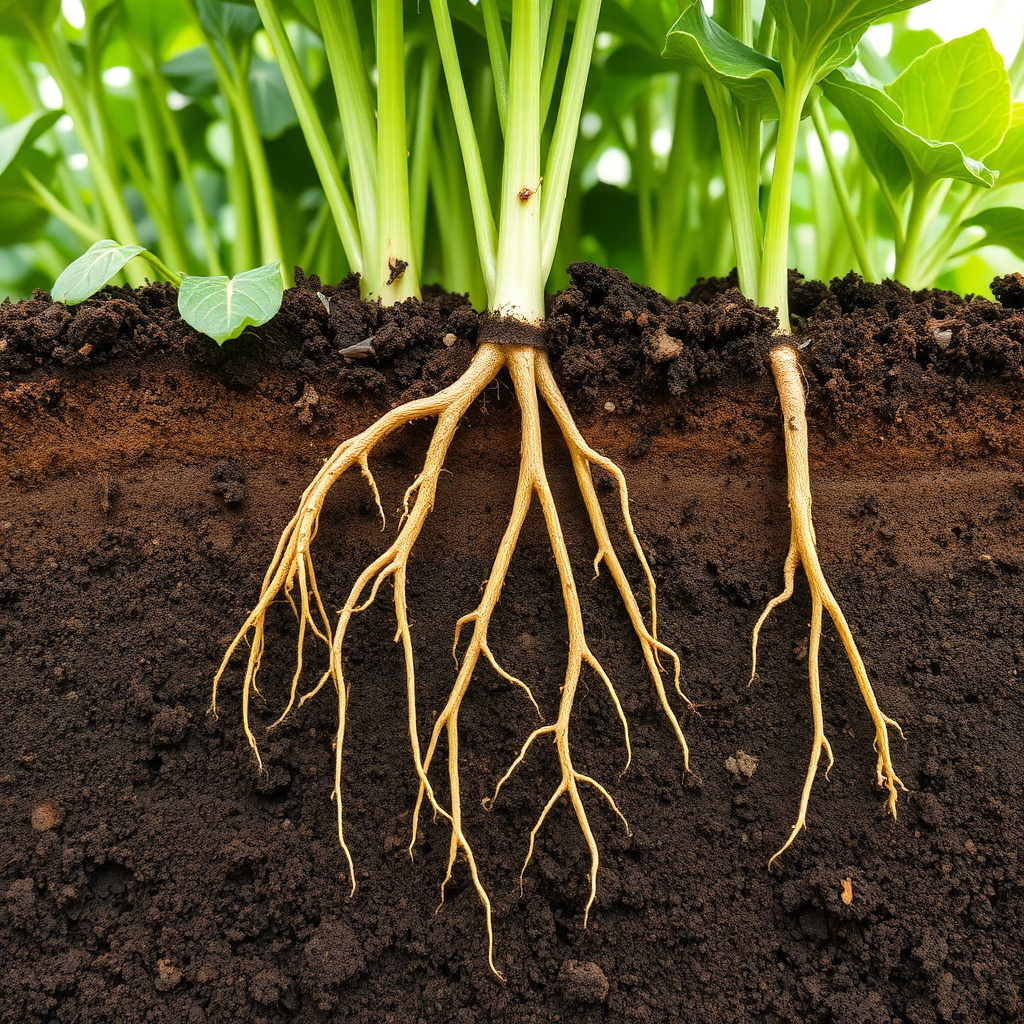
Soil texture—whether sandy, loamy, or clayey—fundamentally influences water retention, aeration, and root penetration. Loamy soils are generally best for plant yield because they hold moisture well and allow roots to grow freely.
Soil structure, referring to how soil particles clump together, affects drainage and aeration. Well-aggregated soil enhances nutrient uptake and root development, thereby supporting higher yields.
Soil Fertility and pH
Fertile soil contains essential nutrients like nitrogen, phosphorus, and potassium in adequate amounts. Imbalances or deficiencies limit growth and reduce yield potential.
Soil pH affects nutrient availability. Most crops favor slightly acidic to neutral pH (6.0-7.0), where nutrients remain accessible. Acidic or alkaline soils may lock nutrients, hindering plant uptake.
Water Availability and Irrigation Practices
Effects of Water Stress on Plants
Water stress, whether from drought or inefficient irrigation, limits photosynthesis and nutrient transport, causing stunted growth and reduced yields. Plants may close stomata to conserve water, which also reduces carbon intake.
Prolonged water shortages can cause irreversible damage to reproductive organs, leading to fewer flowers, seeds, or fruits.
Efficient Irrigation Methods
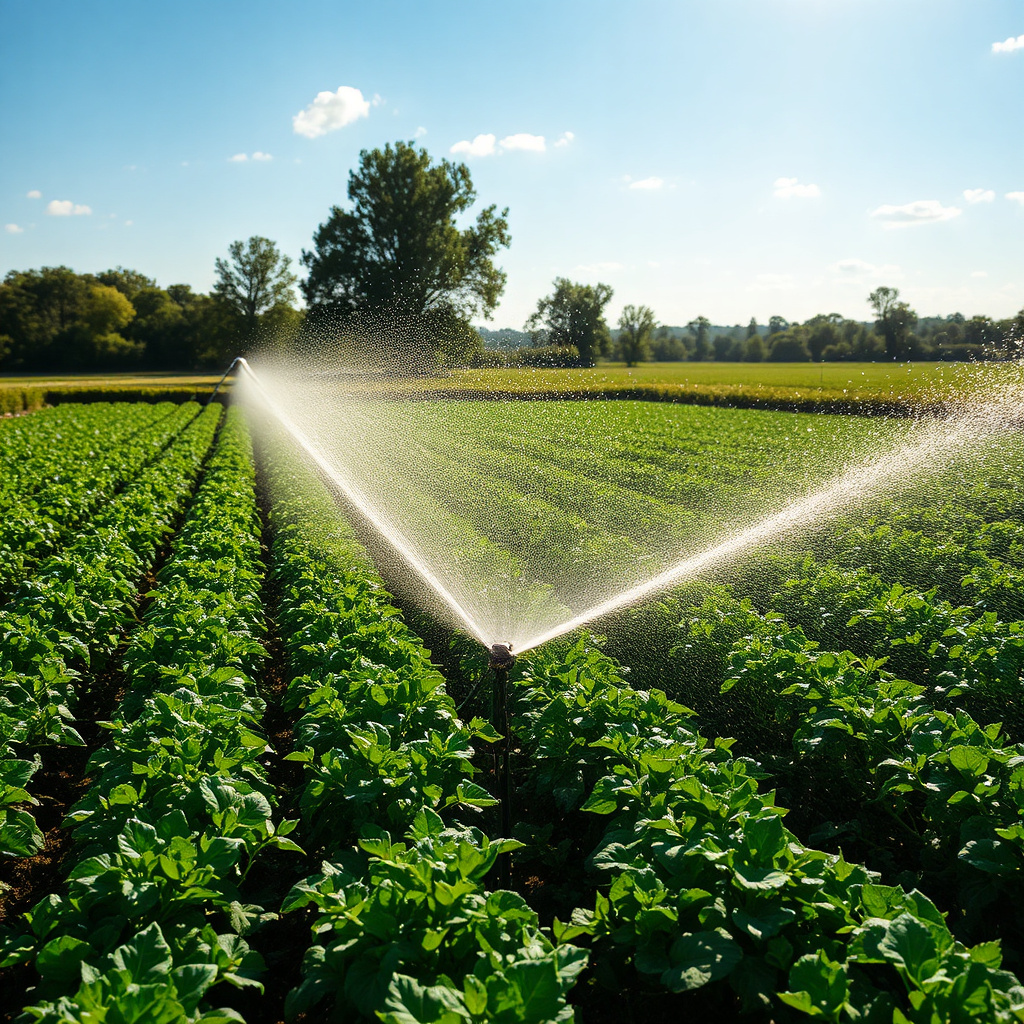
Drip irrigation delivers precise water amounts directly to roots, minimizing waste and supporting consistent moisture levels beneficial for plant yield. Sprinkler and flood irrigation can lead to uneven watering and water loss.
Irrigation scheduling based on crop growth stages and soil moisture monitoring helps avoid over- or under-watering, maximizing productivity.
Light Exposure and Climatic Influences on Plant Growth

Role of Sunlight in Photosynthesis
Sunlight provides energy for photosynthesis, the process by which plants convert light into chemical energy. Adequate light quantity and quality typically boost carbohydrate production, promoting growth and yield.
Shade or cloudy conditions reduce photosynthetic rates, limiting energy available for biomass accumulation and reproduction.
For more on this, see our related guide: Plant Genetics Explained for Beginners: Understanding the Basics of Heredity in Plants.
Temperature and Humidity Effects
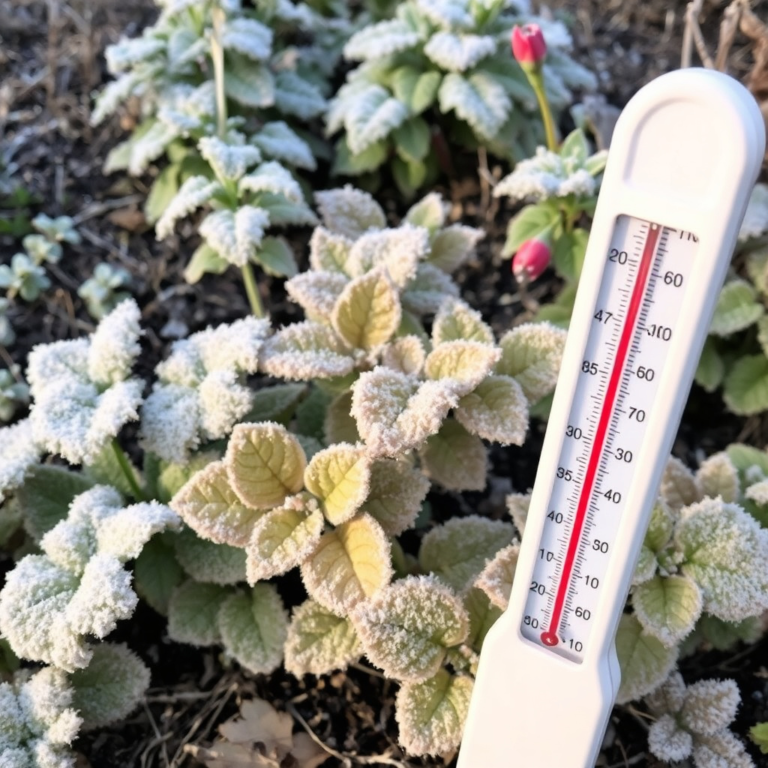
Temperature influences enzymatic activities within plants. Each crop has an optimal temperature range for development; too cold or hot conditions stress plants and impair yield.
High humidity can encourage fungal growth and disease, while very low humidity may accelerate water loss. Balancing these factors is key for healthy growth.
Nutrient Management and Its Effect on Plant Yield
Macro and Micronutrients Essential for Growth
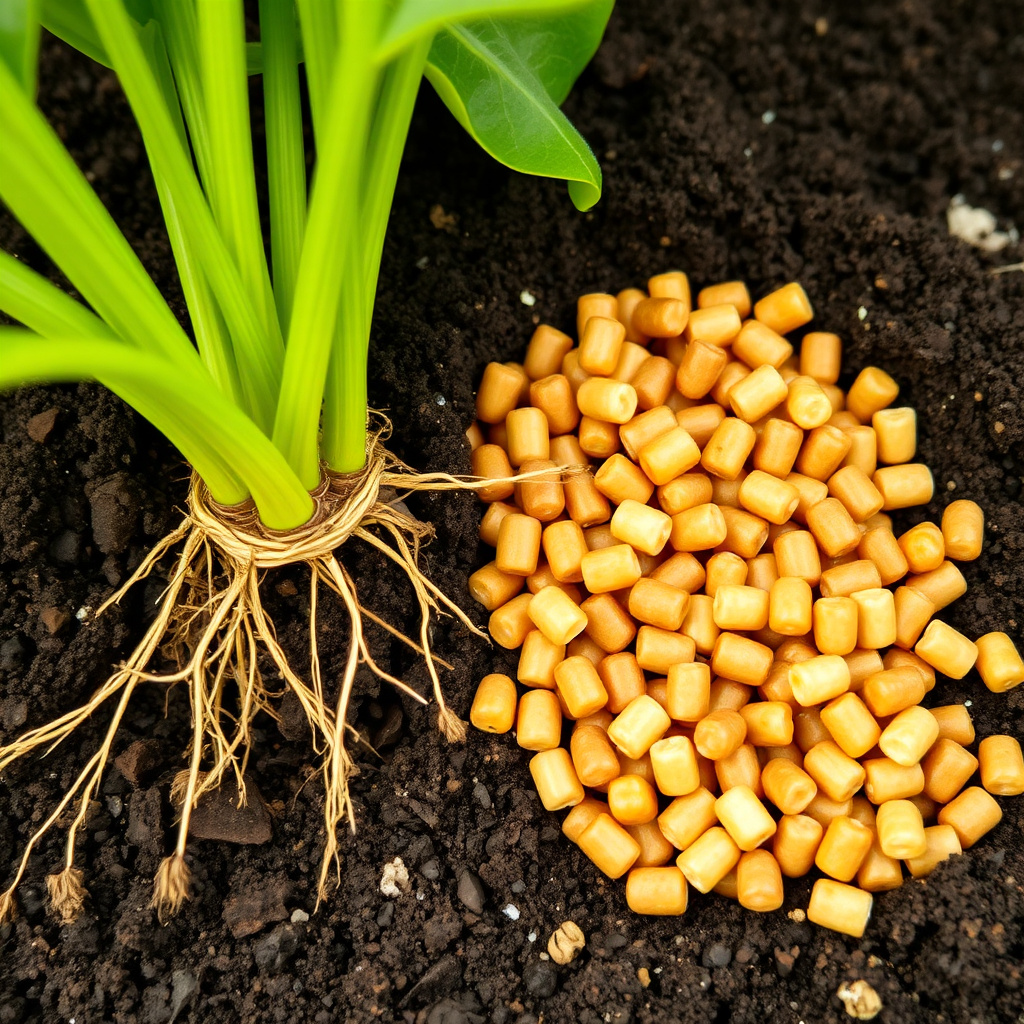
Plants require macronutrients such as nitrogen for foliage growth, phosphorus for root and flower development, and potassium for overall health. Micronutrients like zinc, iron, and copper, though needed in smaller amounts, are vital for enzymatic functions.
Deficiencies or toxicities of these nutrients can cause symptoms ranging from yellowing leaves to poor flowering, directly reducing yield.
Fertilization Strategies to Maximize Yield
Soil testing before fertilization helps apply the appropriate nutrients and amounts, avoiding under- or over-application that can harm plants or the environment.
Split applications aligned with growth stages often improve nutrient uptake efficiency and boost yield outcomes.
Pests, Diseases, and Their Impact on Plant Yield

Common Types of Pest Damage
Insects such as aphids, caterpillars, or beetles feed on leaves, stems, or fruit, reducing photosynthetic area and causing direct loss of edible parts, which lowers yield.
Some pests also act as vectors for plant diseases, compounding damage and yield loss.
For more on this, see our related guide: What Affects Plant Growth: Key Factors Explained for Healthy Gardens.
Disease Management Techniques
Fungal, bacterial, and viral diseases can stunt growth or kill plants. Using disease-resistant varieties, crop rotation, and proper sanitation helps prevent outbreaks.
Timely application of fungicides or bactericides can also control infections, protecting yield potential.
Genetics and Crop Variety Selection
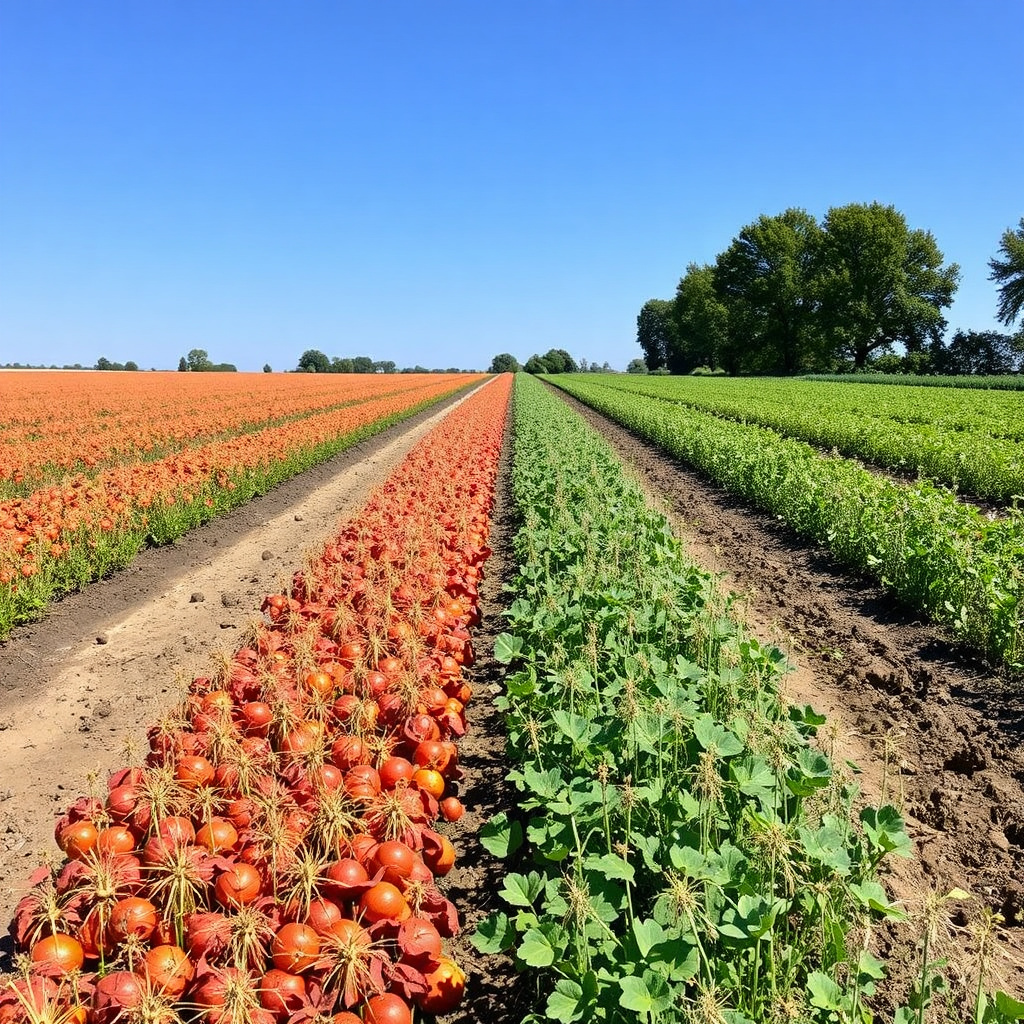
Influence of Genetics on Yield Potential
Genetic traits determine inherent yield capacity, tolerance to stresses, and efficiency in nutrient use. Some cultivars have been bred for high yield or disease resistance to enhance production.
Selecting varieties adapted to local conditions contributes significantly to achieving high yields.
For a detailed overview of plant yield concepts, you can visit this comprehensive resource on Plant yield information on Wikipedia. Plant yield information on Wikipedia.
Hybrid vs. Open-Pollinated Varieties
Hybrid varieties often offer higher yields due to hybrid vigor but may require new seed each season. Open-pollinated varieties allow saving seed but sometimes yield less consistently.
Understanding the trade-offs can guide decisions based on farm goals and resource availability.
Comparison of Key Factors Affecting Plant Yield
Below is a comparison of major factors that influence plant yield along with their typical effects and management considerations.
| Factor | Impact on Yield | Management Considerations | Typical Outcomes |
|---|---|---|---|
| Soil Quality | High affects nutrient/water supply | Soil testing, amendments, pH adjustment | Improved root growth, nutrient uptake |
| Water Availability | Limits photosynthesis and growth | Irrigation methods, scheduling, drought management | Consistent moisture boosts yield |
| Light Exposure | Drives photosynthesis | Crop spacing, agroforestry, shade control | Higher biomass and fruit production |
| Nutrient Supply | Essential for metabolism | Fertilization strategy based on soil tests | Better growth and reproductive success |
| Pests and Diseases | Cause damage and yield loss | Integrated pest management, resistant varieties | Reduced crop damage |
| Genetics | Sets potential growth limits | Variety selection, breeding | Higher yield and stress tolerance |
Frequently Asked Questions
How does soil pH specifically affect plant yield?
Soil pH influences nutrient availability to plants. If pH is too low or too high, key nutrients become less accessible, limiting growth and reducing yield. Maintaining a near-neutral pH usually promotes optimal nutrient uptake.
Can too much water negatively affect plant yield?
Yes, excess water can cause oxygen deficiency in the root zone, leading to root rot and poor nutrient absorption. This waterlogging reduces plant vigor and decreases yields.
Why is nutrient timing important for maximizing plant yield?
Applying nutrients aligned with plant growth stages improves uptake efficiency and reduces leaching or loss. This targeted fertilization supports critical developmental phases, boosting final yield.
How do genetic traits improve crop resilience?
Genetic traits can provide resistance to pests, diseases, and environmental stresses. Varieties bred with these traits maintain yield under challenging conditions where susceptible plants would suffer.
What role does sunlight play aside from photosynthesis?
Besides energy for photosynthesis, sunlight influences plant morphology, flowering, and timing of growth cycles, all of which shape final yield outcomes.
Key Takeaways
- Plant yield depends on soil quality, water, light, nutrients, pests, and genetics.
- Balancing these factors enhances crop productivity and sustainability.
- Soil testing and proper irrigation greatly influence yield outcomes.
- Choosing the right crop varieties can improve resistance and boost yields.
Conclusion
Making thoughtful decisions about what affects plant yield requires integrating knowledge about environmental factors, plant genetics, and farming practices. Evaluating soil health, water management, and nutrient supply alongside pest control helps create growing conditions that support strong plant development and maximize production potential. Recognizing the interplay among these elements enables tailored approaches to improve crop output sustainably.
Farmers aiming for higher yields should focus on improving soil fertility through amendments and pH adjustment, implement efficient irrigation methods such as drip systems, and select crop varieties suited to their climate and pest pressures. Specific factors like nutrient timing, choosing hybrid or disease-resistant cultivars, and managing sunlight exposure can further fine-tune productivity.
The next step for growers is to combine field observations with soil and plant testing to identify limiting factors affecting yield on their land. From there, customized management plans can be developed. Continuous monitoring and adjustments will help sustain high yields over multiple growing seasons, securing both economic and environmental benefits.