How to Make a Greenhouse: A Step-by-Step Guide for Beginners
Making a greenhouse involves creating a sheltered structure that allows plants to thrive by controlling temperature, humidity, and light exposure. You begin by selecting a location with adequate sunlight, choose the structure's frame material, and then cover it with a transparent material like plastic or glass. Establishing good ventilation and irrigation completes the setup.
Greenhouses extend the growing season, protect plants from harsh weather, and improve yields by creating a controlled environment. Whether you want to nurture seedlings early in spring or cultivate exotic plants year-round, a homemade greenhouse can be tailored to your garden’s size and your gardening goals.
This article will cover essential steps such as planning and design, selecting materials, building the frame, assembling the enclosure, installing ventilation and heating, and tips for maintenance to create a functioning greenhouse that suits both beginners and experienced gardeners.
Planning Your Greenhouse Setup
Choosing the Right Location
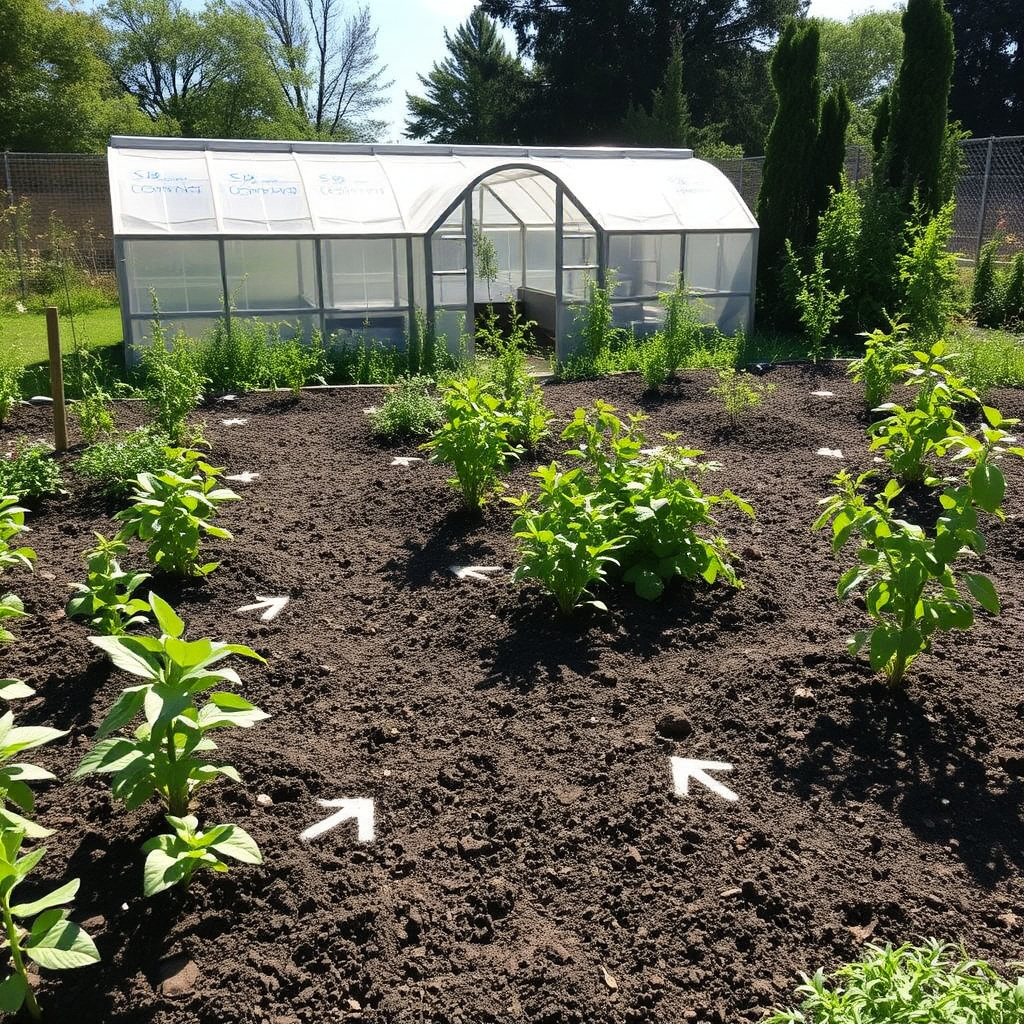
Positioning your greenhouse in a spot that receives at least six hours of direct sunlight daily is critical for plant growth. Avoid shaded areas adjacent to large trees or buildings that block light or create cold drafts.
Additionally, consider access to water, proximity to your home for convenience, and protection from strong winds to reduce heating costs and damage risks.
Deciding on Size and Design
Determine the size based on your space and intended use. Small lean-to greenhouses attach to walls to save space, while freestanding models offer more room but require more materials.
Design choices like roof shape (gable, dome, hoop house) affect drainage, airflow, and structural stability under snow or rain.
- Consider future expansion
- Plan layout for plant access
- Assess foundation needs
Selecting Materials for Your Greenhouse
Frame Materials: Wood, Aluminum, and PVC
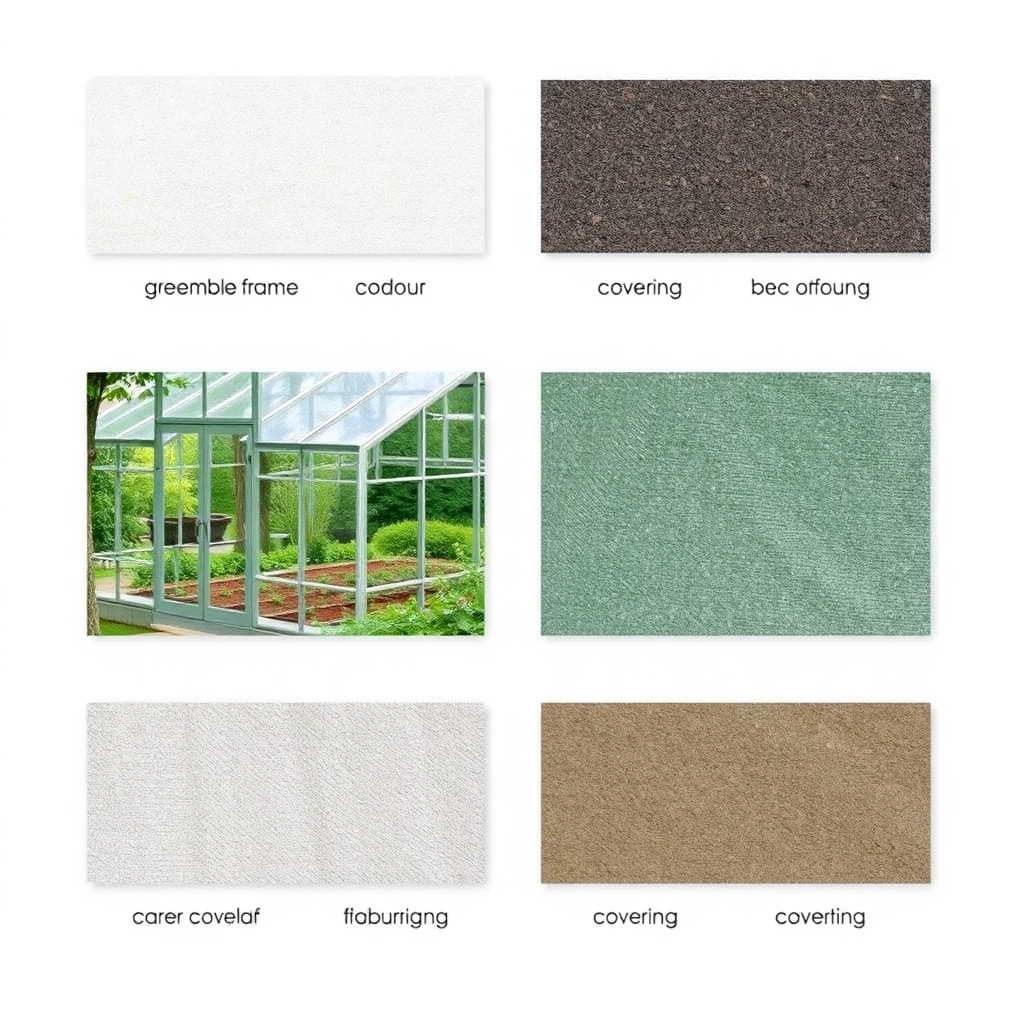
Wood offers a natural aesthetic and good insulation but requires maintenance against rot and pests. Aluminum is durable and lightweight but can get cold quickly. PVC is inexpensive, easy to work with, but less sturdy in high winds.
Choose your frame based on durability, cost, and local climate conditions.
- Wood: classic look, requires sealing
- Aluminum: corrosion-resistant, lightweight
- PVC: budget-friendly, less durable
Covering Options: Glass, Polycarbonate, and Greenhouse Plastic
Glass provides excellent light transmission but is heavy and breakable. Polycarbonate panels are lighter, shatter-resistant, and provide good insulation. Greenhouse plastic film is the most affordable and flexible, ideal for hobby greenhouses but less durable.
Your choice affects light penetration, insulation, and maintenance.
- Glass: high clarity, fragile
- Polycarbonate: impact-resistant, insulative
- Plastic film: low cost, easy installation
Building the Frame and Installing the Base
Preparing the Foundation
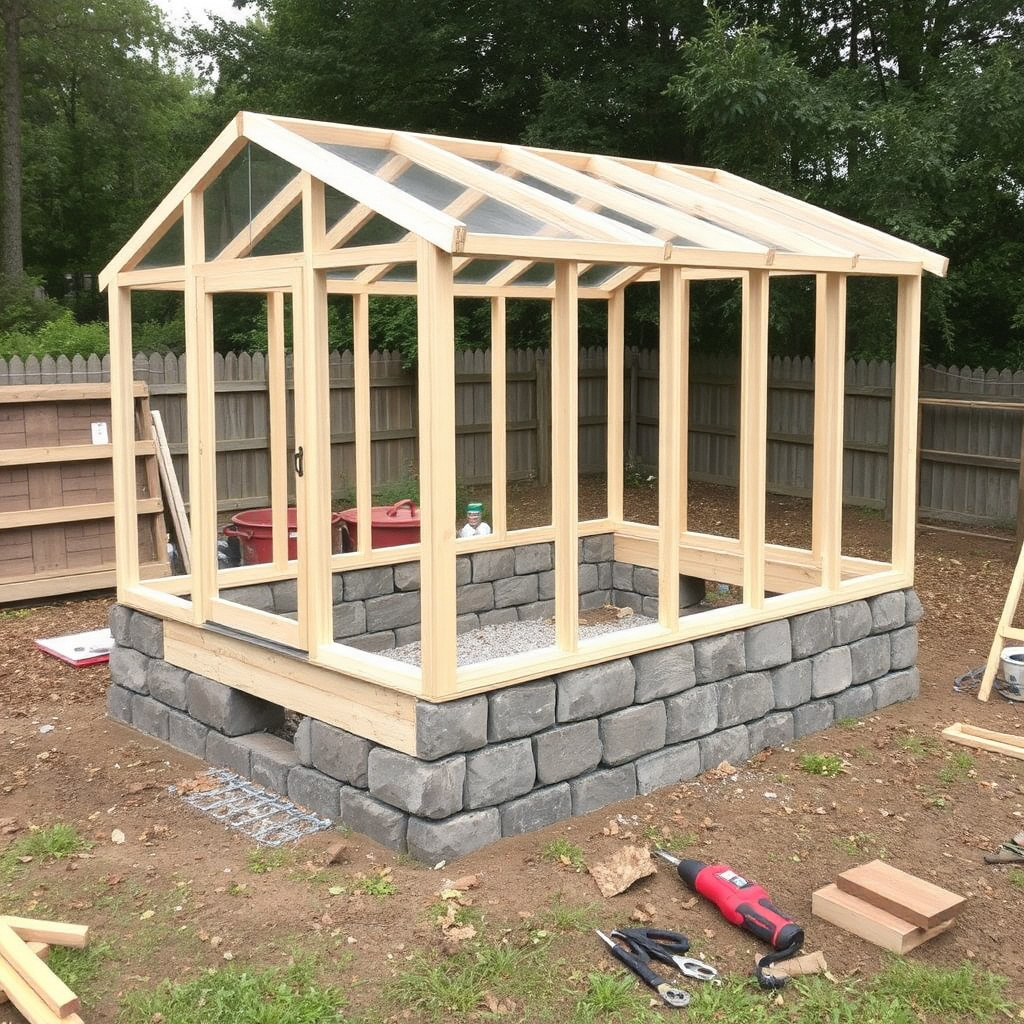
A level, stable foundation ensures longevity and structural integrity. Options include concrete slabs, treated wood bases, or compacted gravel beds with edging.
Foundations also affect drainage and soil temperature inside the greenhouse.
- Use a spirit level for even base
- Ensure drainage slopes away
- Anchor securely against wind
For more on this, see our related guide: What Affects Plant Growth: Key Factors Explained for Healthy Gardens.
Constructing the Frame
Frame assembly depends on material but typically involves cutting pieces to size, joining corners with brackets or screws, and reinforcing joints for stability.
Double-check measurements and square each corner for a precise fit, which facilitates attaching coverings tightly.
- Follow manufacturer’s instructions if using kits
- Wear safety gear when cutting materials
- Use a helper for larger frames
Enclosing and Weatherproofing Your Greenhouse
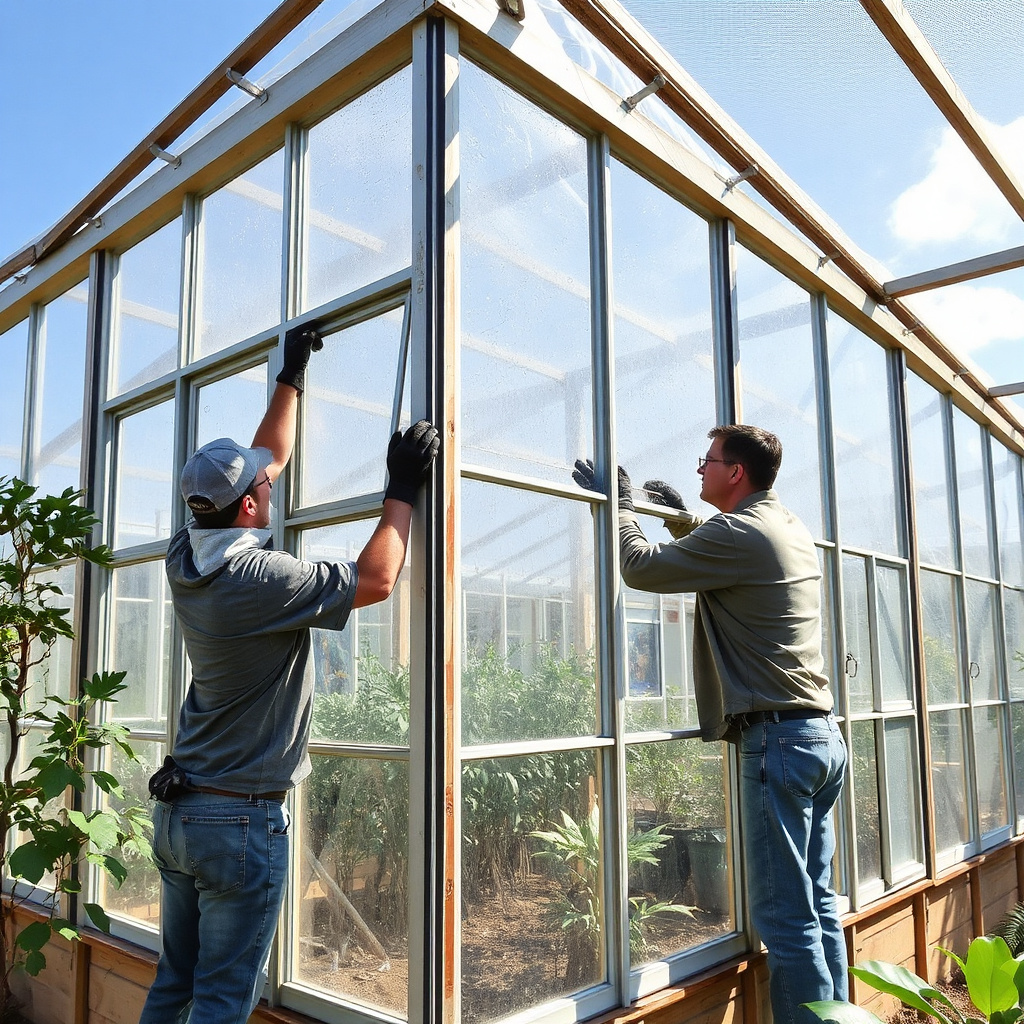
Installing the Covering Material
Attach coverings with staples, clips, or glazing beads depending on the material. Maintain tension in plastic films to prevent sagging and water pooling, which can cause damage over time.
Overlap joints to prevent drafts and seal edges with weatherproof tape or silicone caulk.
- Remove sharp edges before attaching coverings
- Check for holes or tears regularly
- Ensure surfaces are clean for better adhesion
Sealing and Insulating for Temperature Control
Seal gaps around doors and vents using weather stripping. Adding thermal mass like water barrels can stabilize interior temperatures by absorbing and releasing heat slowly.
Reflective mulches on the floor reduce heat loss, and shade cloths can prevent overheating during summer.
- Add plastic curtains for extra insulation
- Use thermal blinds if needed
- Ventilate daily for humidity control
Ventilation and Heating Systems
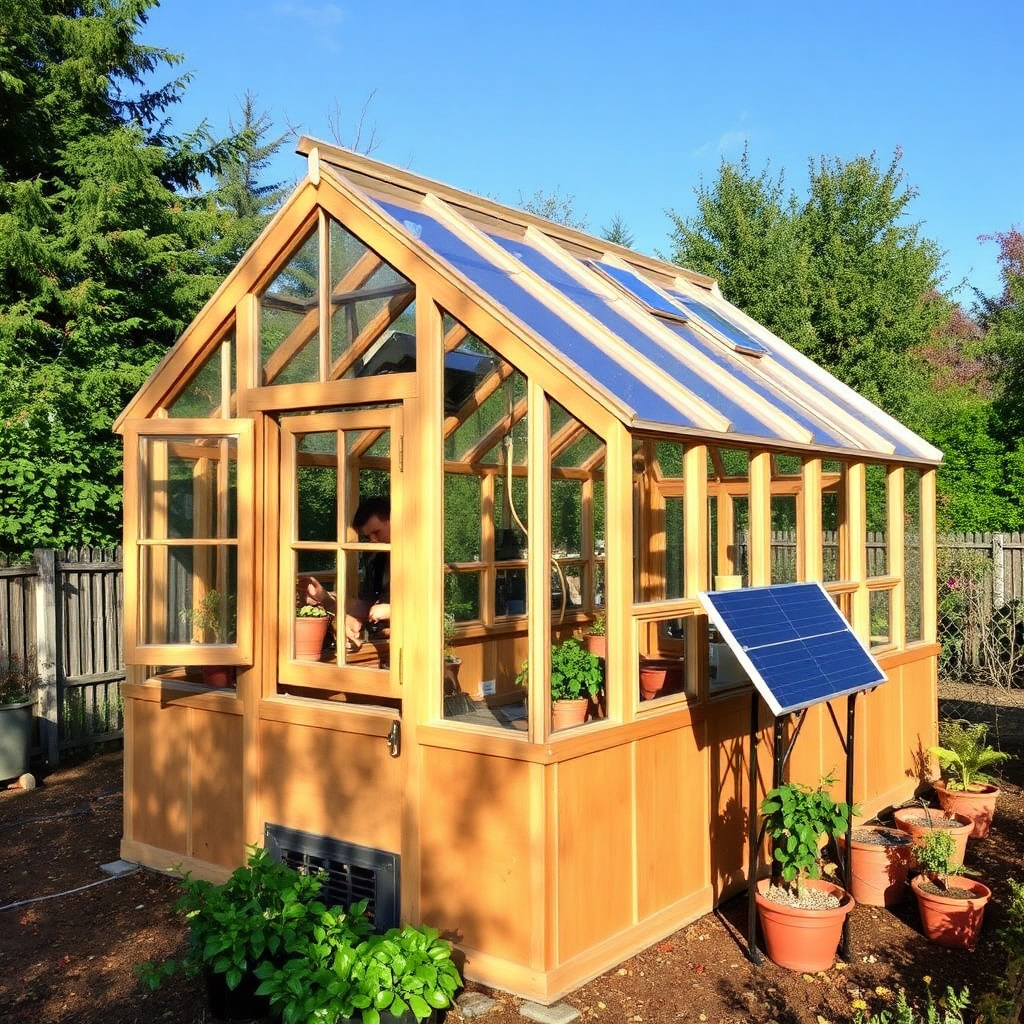
Natural and Mechanical Ventilation
Adequate ventilation prevents overheating and fungal diseases. Roof vents utilize warm air’s natural rise, while side vents allow cross airflow. Automatic vent openers respond to temperature changes without manual effort.
In large greenhouses, exhaust fans enhance air circulation when natural vents aren’t enough.
- Place vents opposite each other
- Use vent openers with temperature sensors
- Keep vents clear of obstructions
For more on this, see our related guide: Understanding Landrace Cannabis Strains: Origins, Traits, and Uses.
Heating Options for Cooler Seasons
Electric heaters are simple to install and offer precise control but increase energy costs. Propane or natural gas heaters heat quickly for larger spaces. Passive solar heating using thermal mass reduces energy use but depends on sunny days.
Heating systems should include thermostats and timers to maintain consistent conditions.
- Use soil heating cables for root zones
- Insulate nighttime to retain warmth
- Avoid open flames for safety
Maintaining and Using Your Greenhouse Effectively
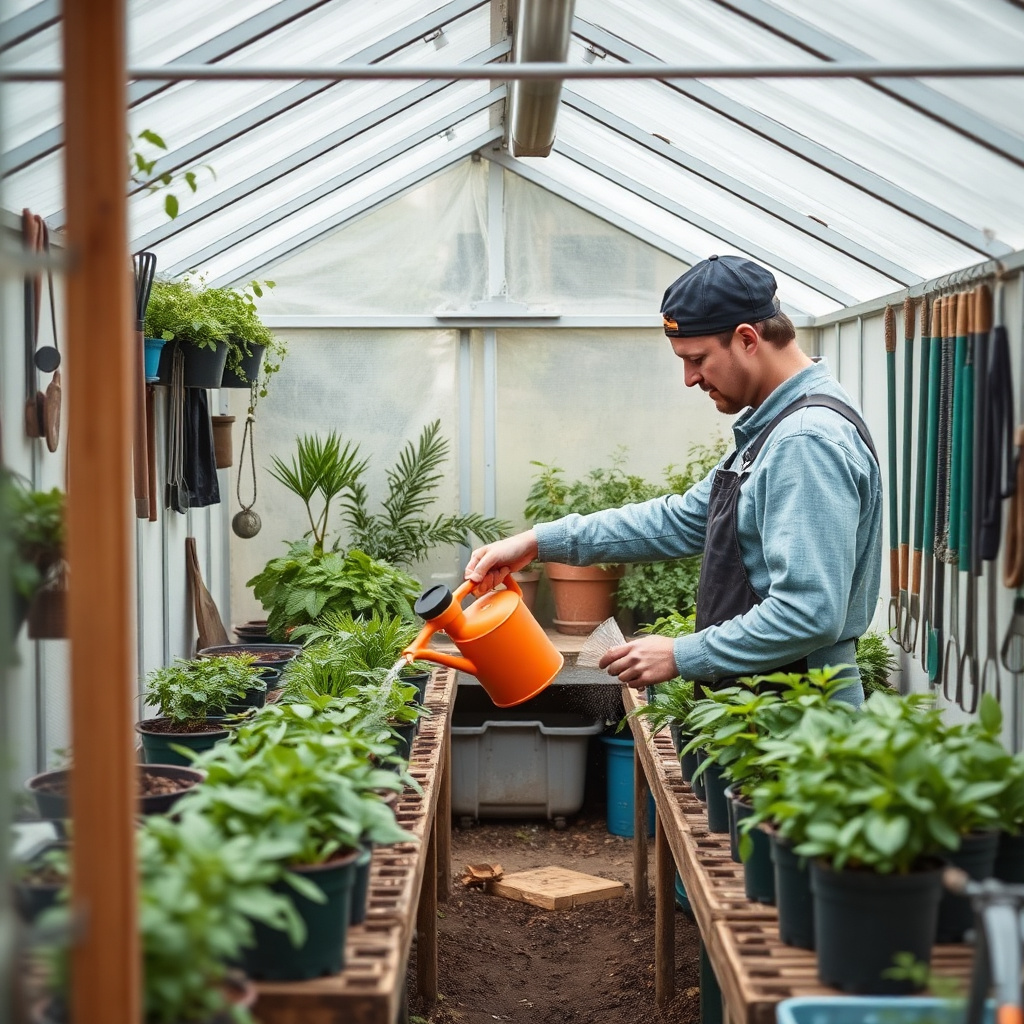
Regular Maintenance Tasks
Inspect coverings for tears or dirt buildup, clean regularly to maximize light transmission, and repair damages promptly. Lubricate hinges and check seals to prevent drafts.
Seasonal cleaning prevents pest infestations and disease buildup that thrive in humid environments.
- Clean gutters and drainage systems
- Check structural stability annually
- Replace damaged liners or panels
For a thorough overview of greenhouse history, types, and functions, visit the greenhouse article on Wikipedia. greenhouse article on Wikipedia.
Maximizing Plant Growth Inside Your Greenhouse
Arrange plants according to their sunlight and humidity needs. Incorporate proper watering schedules and use fertilizers tailored to greenhouse conditions. Rotate crops to reduce pests and nutrient depletion.
Using grow lights extends daylight hours during short seasons, supporting robust growth.
- Use shelves or vertical planters
- Monitor soil moisture regularly
- Apply integrated pest management
Greenhouse Frame and Covering Material Comparison
This table compares popular greenhouse frame materials and coverings based on cost, durability, insulation, and ease of installation.
| Material Type | Cost | Durability | Insulation | Installation Ease |
|---|---|---|---|---|
| Wood Frame + Glass Cover | High | Moderate | Good | Moderate |
| Aluminum Frame + Polycarbonate Cover | Moderate | High | Excellent | Easy |
| PVC Frame + Plastic Film Cover | Low | Low | Moderate | Very Easy |
| Wood Frame + Plastic Film Cover | Low-Moderate | Moderate | Moderate | Easy |
| Aluminum Frame + Glass Cover | High | High | Good | Moderate |
Frequently Asked Questions
How much does it cost to build a basic greenhouse?
A small DIY greenhouse can cost between $100 to $500, depending on materials and size. Larger or more permanent structures using glass and aluminum will be more expensive.
What is the best material for greenhouse covers?
Polycarbonate panels balance durability, insulation, and light transmission well, making them popular. Plastic films are budget-friendly but less durable, while glass offers excellent optics but higher cost and fragility.
How do I prevent overheating inside my greenhouse?
Ventilation through roof and side vents, shading with cloths or paints, and automated vent openers help regulate temperature and avoid excessive heat stress on plants.
Can I build a greenhouse myself without professional tools?
Yes, many greenhouse designs use simple materials like PVC and plastic film or wooden frames that don’t require specialized tools, making them accessible for beginners.
How do I keep pests out of my greenhouse?
Use fine mesh screens on vents, clean regularly to remove debris, avoid standing water, and practice good hygiene to minimize pest entry and establishment.
Key Takeaways
- Start with a sunny, sheltered location for your greenhouse
- Select frame and covering materials that suit your budget and climate
- Proper ventilation and temperature control are essential for plant health
- Routine maintenance extends your greenhouse's lifespan and productivity
Conclusion
Approaching the creation of a greenhouse begins with clear goals for what you want to grow and understanding your climate's demands. Careful planning around location, size, and design lays a foundation for success. Balancing cost, durability, and energy efficiency by choosing materials appropriate for your needs ensures your greenhouse will be both practical and pleasant to use.
For those seeking a simple starting point, building a small PVC frame covered with greenhouse plastic film makes an affordable and easy-to-assemble option ideal for seedlings or herbs. Gardeners wanting something more durable and insulated might consider aluminum frames paired with polycarbonate panels, which hold up well in varying weather. Incorporating thoughtful ventilation and passive heating strategies enhances growth and reduces energy expenses.
Once your greenhouse is operational, stay attentive to ventilation adjustments and seasonal maintenance like cleaning and repairing coverings. This habit maximizes plant health and the structure’s longevity. If you’re ready to begin building, gather your materials, measure your site carefully, and take your time assembling the frame — steady progress leads to a flourishing garden haven.