How to Fix Damping Off in Seedlings: Practical Solutions to Save Your Plants
Damping off in seedlings can be reversed only if caught early by improving growing conditions, increasing air circulation, and treating affected plants with natural antifungal remedies. This fungal infection typically causes young seedlings to wilt, collapse, or develop water-soaked stems near soil level, and it demands swift action to save as many plants as possible.
This fungal disease thrives in humid, poorly ventilated environments and can rapidly destroy a tray of seedlings. Fixing damping off means halting the spread while strengthening remaining seedlings to withstand infection. Understanding the signs and the environmental factors that cause it helps prevent future outbreaks and protect your young plants.
In this article, you'll discover the causes of damping off, how to recognize its symptoms, practical steps to treat and fix affected seedlings, preventative measures to avoid recurrence, and tips on selecting resistant seed varieties for your garden.
Understanding Damping Off in Seedlings
What Causes Damping Off?
Damping off is caused mainly by soilborne fungi such as Pythium, Rhizoctonia, and Fusarium. These pathogens thrive in moist, crowded, and poorly ventilated conditions, attacking young seedlings right after germination. The fungi infect the stem base, causing it to rot and eventually collapse.
A combination of overwatering, using contaminated soil, or planting seeds too densely creates an ideal environment for these pathogens. Because seedlings lack mature defenses, they quickly succumb to these fungal invaders, which can wipe out an entire batch in a short time.
Symptoms to Identify Early Damping Off
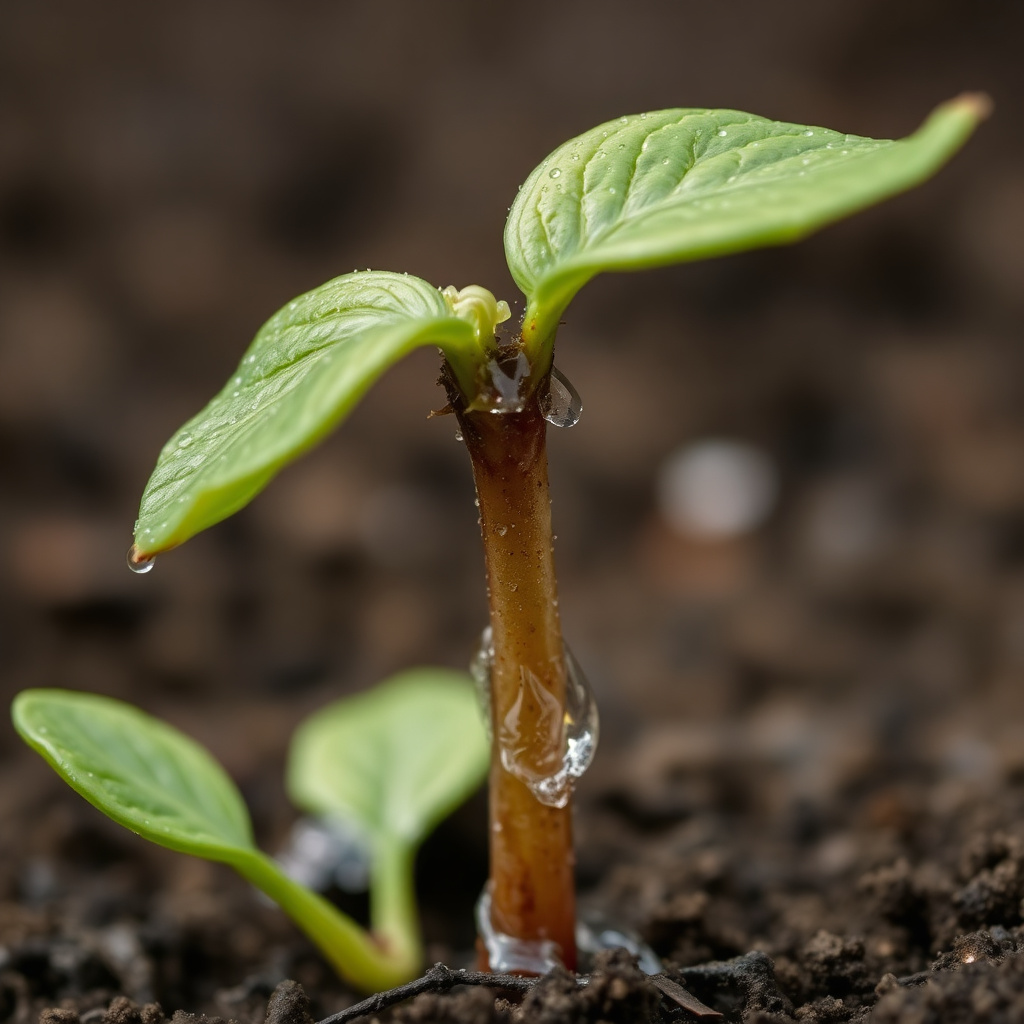
Early signs include seeds that fail to germinate and seedlings that suddenly wilt or develop thin, water-soaked spots on stems near the soil line. These spots often darken and soften, causing the stem to weaken and seedlings to topple over.
You might notice a white or gray fungal mold on the soil surface. Promptly inspecting your seedlings daily is key, as damping off can progress rapidly during warm and damp weather.
How to Fix Damping Off in Seedlings
Immediate Steps to Stop the Spread
Remove affected seedlings carefully to avoid spreading spores to healthy ones. Dispose of them in sealed bags or away from your plants. Sterilize any containers or trays with a mild bleach solution to kill lingering pathogens.
Improve environmental conditions by reducing watering frequency and ensuring the soil surface dries between waterings. Increasing air circulation around seedlings by spacing trays properly or using a small fan helps lower humidity levels that fungi favor.
For more on this, see our related guide: Common Cannabis Seedling Problems and How to Fix Them.
Applying Natural and Chemical Treatments
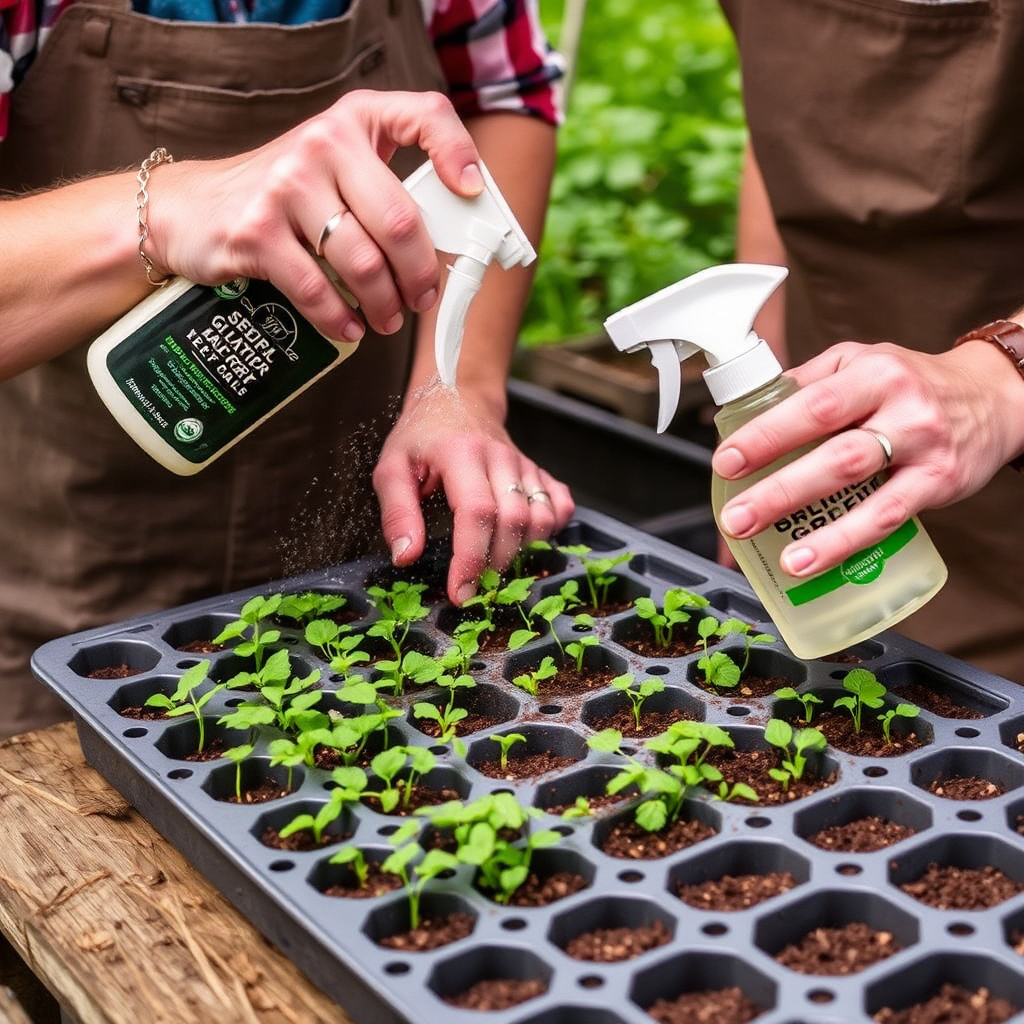
You can treat the soil with natural antifungal agents like diluted chamomile tea, cinnamon powder, or chamomile tea sprays which have mild antifungal properties. Commercial fungicides labeled for seedling damping off are also effective but should be used as a last resort for severe cases.
Root dips of hydrogen peroxide solution or biological controls containing beneficial microbes can help suppress fungal pathogens and support seedling health, reducing the risk of repeat infections.
Preventing Damping Off through Environmental Control
Optimizing Soil Mix and Drainage
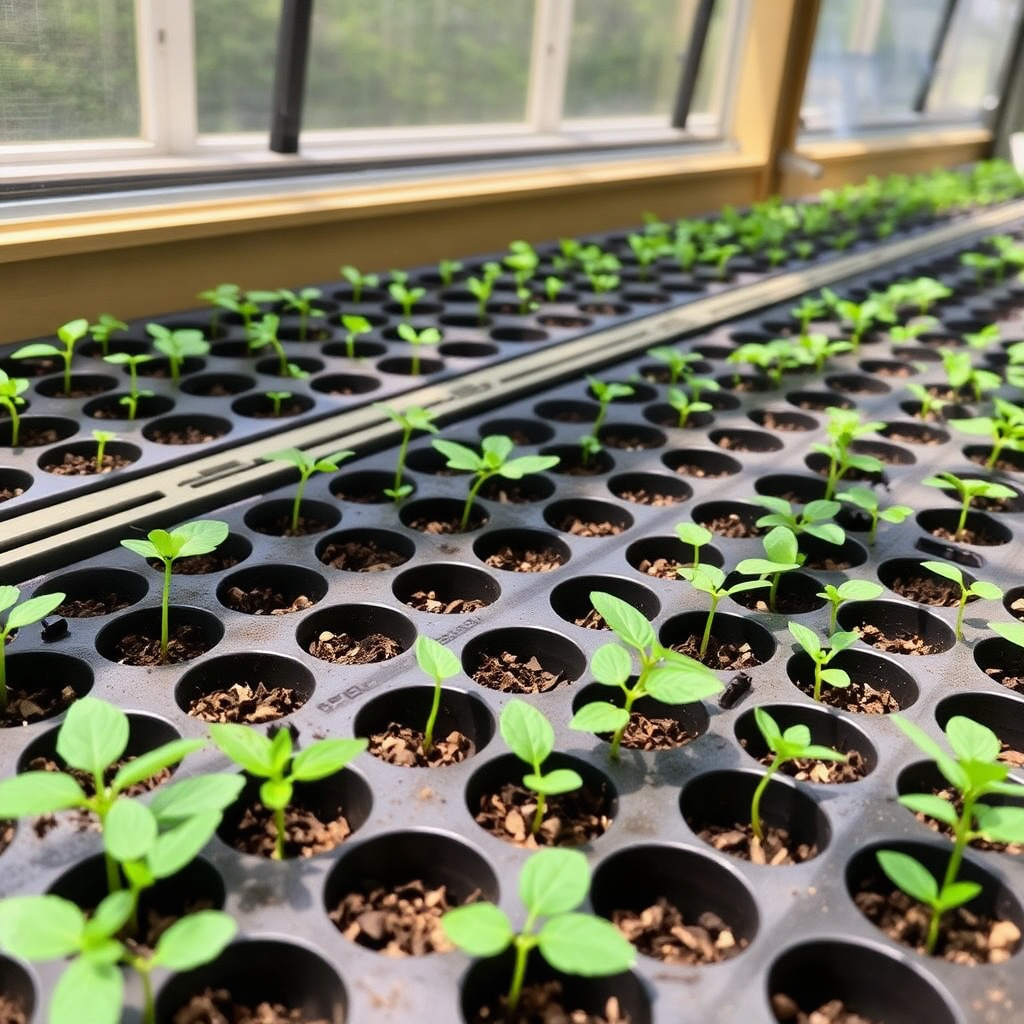
Use a sterile, well-draining seed starting mix rather than garden soil. Avoid heavy or compacted soils that retain excess moisture. Incorporate perlite or coarse sand to improve aeration and drainage, creating less favorable conditions for fungal growth.
Ensuring containers have proper drainage holes prevents water accumulation. Consistently moist but not soggy soil discourages fungal spores from thriving.
- Use sterile seed starting mix
- Add perlite for drainage
- Ensure proper container drainage
Controlling Humidity and Temperature
Maintain moderate humidity by using covered trays only until germination, then removing covers promptly. Keep temperatures in the recommended range for your seeds to avoid stressing seedlings, which increases their vulnerability to infection.
Utilize small fans or open windows to circulate air around seedlings, reducing dampness and fungal proliferation. Avoid overcrowding seedlings to minimize humidity buildup and increase airflow.
- Remove humidity domes after germination
- Maintain ideal temperature range
- Use fans for air circulation
- Space seedlings properly
Resistant Varieties and Seedling Disease Prevention
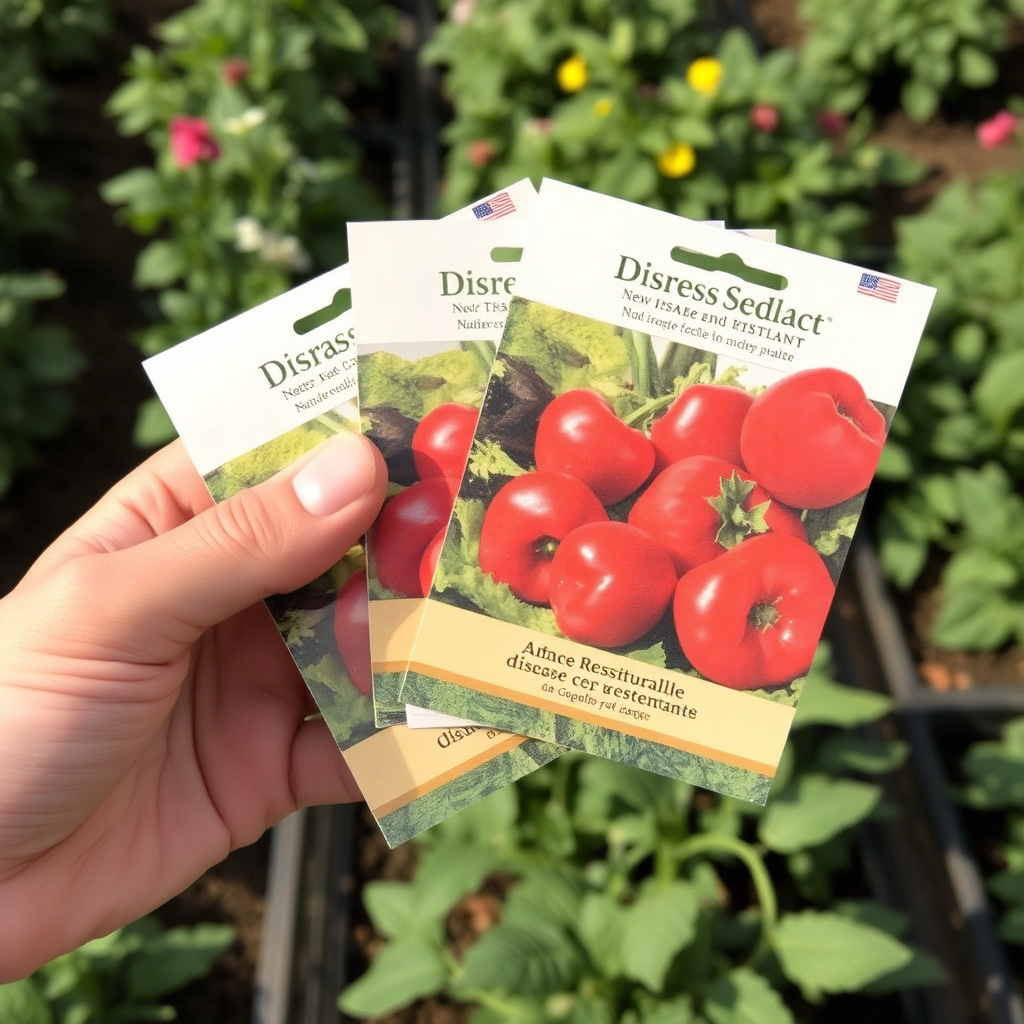
Choosing Disease-Resistant Seeds
Some seed varieties have been selectively bred for resistance to damping off fungi or other seedling diseases. Purchasing disease-resistant seeds reduces the chance of problems and enhances seedling survival rates.
Look for seed labels indicating resistance to damping off or related fungal diseases. Consult local gardening centers or extension services for recommendations suited to your climate.
For more on this, see our related guide: How to Diagnose and Fix Common Seed Germination Problems.
Additional Seedling Disease Prevention Tips
Practice crop rotation and clean seed trays and tools between uses to prevent disease carryover. Avoid planting seeds too densely to reduce crowding stress and allow for better airflow around seedlings.
Use fresh seeds each season, as older seeds may have lower vigor and increased disease susceptibility. Seed treatment with natural fungicides prior to planting can add an effective layer of protection.
- Rotate crops annually
- Sanitize trays and tools
- Avoid dense planting
- Treat seeds with natural fungicides
Signs You Can’t Fix and When to Replant
Recognizing Irreversible Damage
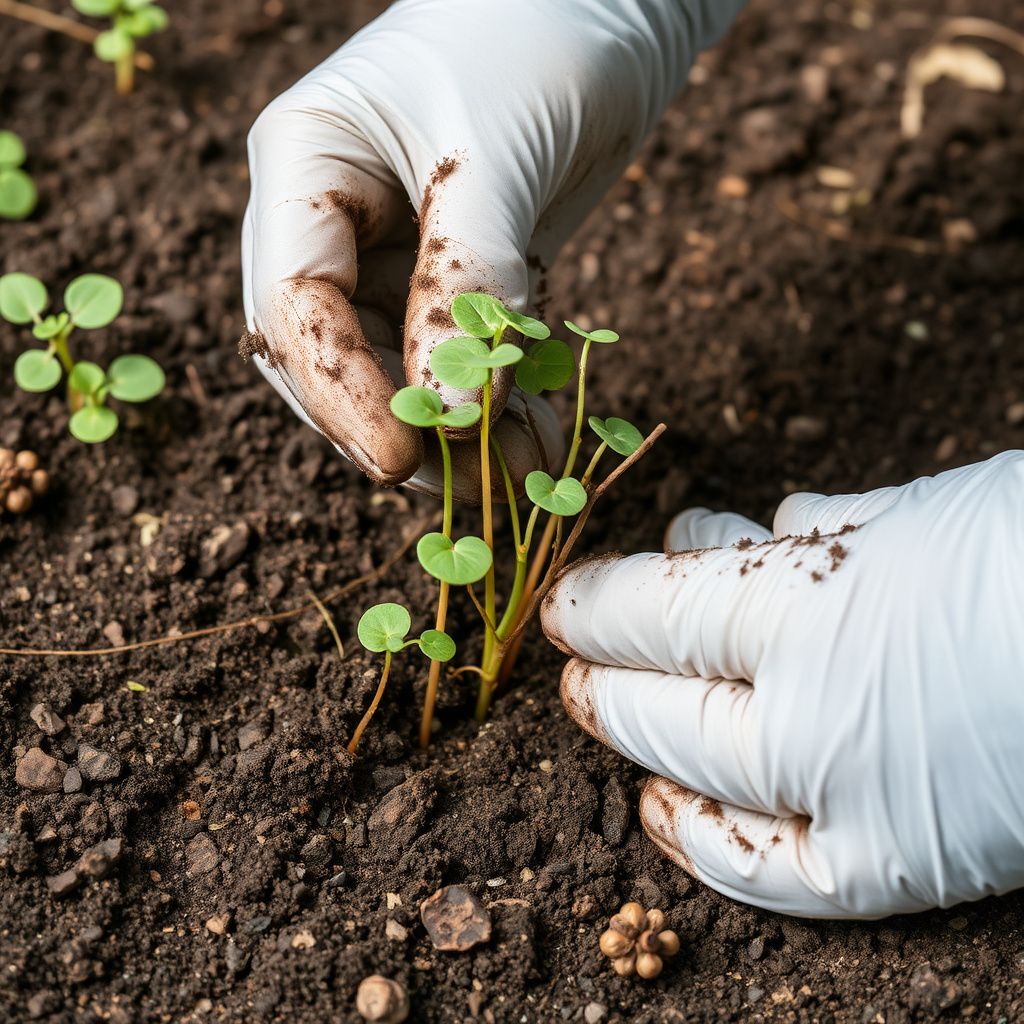
Once a seedling’s stem is severely softened, collapsed, or discolored below soil level, recovery is impossible. The seedling will wilt rapidly and should be removed promptly to protect healthy plants.
Multiple seedlings in a tray showing damping off symptoms simultaneously often signal a need to discard the entire batch to prevent widespread contamination.
For more detailed scientific information on damping off, you can refer to the damping off disease article on Wikipedia. Damping off disease.
Guidance on Replanting After Damping Off
Before replanting, thoroughly clean and disinfect all planting equipment. Replace old soil with fresh, sterile seed mix and avoid excessive watering during germination.
Consider planting fewer seeds per container with better spacing and monitor environmental conditions closely to prevent repeat damping off. Applying natural disease prevention treatments in advance can improve new seedling survival.
Damping Off Treatment Methods Comparison
Below is a comparison of common approaches to fixing damping off in seedlings, outlining their pros and cons for easy evaluation.
| Treatment | Effectiveness | Ease of Use | Cost | Safety |
|---|---|---|---|---|
| Natural Antifungals (cinnamon, chamomile) | Moderate | Easy | Low | Very Safe |
| Chemical Fungicides | High | Moderate | Moderate | Requires Precautions |
| Hydrogen Peroxide Root Dips | Moderate | Moderate | Low | Generally Safe |
| Improving Airflow & Drying Soil | High | Easy | Free | Safe |
| Removing Affected Seedlings | Essential | Easy | Free | Safe |
Frequently Asked Questions
Can damping off be reversed once seedlings collapse?
Seedlings that have collapsed due to damping off usually cannot recover. Immediate removal helps protect healthy plants, but affected seedlings must be discarded.
Is overwatering the main cause of damping off?
Yes, excessive moisture and poor drainage create ideal conditions for the fungi that cause damping off. Keeping soil moist but not soggy helps prevent the disease.
Are there any safe fungicides for treating damping off?
Some commercial fungicides are labeled safe for seedling damping off if used according to instructions. Natural remedies like chamomile or cinnamon can also help minimize risk.
How important is seed spacing for preventing damping off?
Proper seed spacing improves airflow and reduces humidity around seedlings, lowering fungal disease risk significantly.
Can damping off affect outdoor garden plants?
While mostly problematic in seed trays or greenhouses, damping off fungi can also affect outdoor seedlings if conditions remain damp and crowded.
Key Takeaways
- Damping off is caused by soilborne fungi thriving in damp, crowded conditions.
- Early detection and improving air circulation can stop disease progression.
- Use sterile soil and disease-resistant seeds to prevent damping off.
- Removing infected seedlings promptly protects healthy plants.
Conclusion
Successfully fixing damping off in seedlings relies on quickly recognizing symptoms and adjusting the growing environment to limit fungal growth. Paying attention to watering practices, airflow, and sanitation reduces fungal spores and supports healthy plant development. Selecting sterile growing media and maintaining proper seedling spacing are foundational steps in controlling this disease, laying the groundwork for a thriving garden.
For gardeners facing recurring damping off issues, employing natural antifungal treatments alongside environmental improvements offers a balanced approach. Chemical fungicides, though effective, should be applied cautiously when other measures fail. Choosing disease-resistant seed varieties combined with diligent seedling disease prevention techniques like crop rotation and clean equipment dramatically increases seedling survival rates and reduces future outbreaks.
If your seedlings show irreversible damping off symptoms, removing affected plants and starting fresh with new sterile soil and treated seeds is the best step. Maintaining vigilance with environmental conditions and seedling care can greatly lessen the chances of damping off reoccurring, allowing you to nurture strong, healthy plants right from their earliest stages.