When to Plant Pumpkin Seeds – A Step-by-Step Guide
Growing pumpkins can be so rewarding, but figuring out exactly when to plant pumpkin seeds often trips up even seasoned gardeners.
Many people struggle with timing, especially when trying to match planting schedules to their local climate. If you’re feeling overwhelmed or unsure, you’re not alone.
To decide when to plant pumpkin seeds, start by checking your last frost date and soil temperature, aiming for 70-85°F.
If you have a cool climate, consider starting seeds indoors first.
Wait until your soil warms up and the danger of frost passes before planting outdoors.
Adjust timing for different pumpkin varieties based on their growth needs.
Keep exploring, and you’ll uncover detailed tips to guarantee a successful pumpkin crop.
Key Takeaways
- Plant pumpkins after the last frost date, when soil temperatures reach 70-85°F.
- Check your USDA climate zone and local frost dates to get the timing right.
- Prepare well-draining, nutrient-rich soil with a proper pH of 6.0 to 7.0 before planting.
- Start seeds indoors or sow directly outdoors, depending on your climate and pumpkin variety.
- Pick pumpkin varieties that match your growing season, and adjust your planting schedule if needed.
Why the Right Timing Is Key When Planting Pumpkins
Timing matters when planting pumpkins because it directly affects their growth and yield. Choosing the right time ensures your pumpkins develop properly and reach full size.
Different pumpkin varieties have varying maturity periods, so understanding these differences helps you plan better. For example, some heirloom varieties need a longer growing season, while bush or miniature pumpkins mature faster.
Understanding pumpkin variety maturity times helps optimize planting for a healthy, bountiful harvest.
Seasonal considerations also play an essential role. Planting too early risks frost damage, while waiting too long reduces the growing window. Knowing your local climate and when the last frost occurs helps you pick the best planting date.
When you time your planting correctly, the soil is warm enough for sprouting, and your plants can thrive without stress. Paying attention to seasonal cues and pumpkin variety specifics helps you maximize your harvest and enjoy healthy, productive plants.
How to Find Your Climate Zone for Pumpkin Growing
Are you wondering how to determine the best planting window for your pumpkins? The key is understanding your climate zone, which affects your growing conditions.
To find your climate zone, start by checking your ZIP code on the USDA Plant Hardiness Zone Map or similar resources. Your zone indicates the average minimum winter temperature.
Knowing your climate zone helps you decide if your area is suitable for pumpkin growth. Once you know your zone, you can plan your planting schedule to match the ideal conditions.
Pumpkins generally prefer warm soil and temperatures between 70-85°F. Knowing your zone also helps you pick pumpkin varieties that will thrive in your area.
Understanding your growing conditions gives your pumpkins the best chance to flourish. This makes planning easier and increases your chances of a successful harvest.
Preparing the Soil: What Pumpkins Need to Thrive
Once you’ve identified your climate zone and chosen the right planting window, the next step is preparing your soil to give your pumpkins the best start. Pumpkins thrive in well-draining soil with the right soil composition—rich in organic matter and a balanced nutrient profile. Aim for a slightly acidic to neutral pH level, around 6.0 to 7.0, to optimize nutrient absorption.
Make sure your site gets plenty of sunlight, ideally six to eight hours daily, for healthy growth. Good drainage is key to prevent waterlogged roots, so amend heavy soils with compost or sand if needed. Incorporate organic matter to boost fertility and support pest management naturally.
Planting marigolds nearby can help keep pests at bay, making companion planting a smart choice. Regularly check your soil health and avoid over-fertilizing, which can lead to lots of foliage instead of fruit. Proper soil preparation sets a solid foundation for your pumpkin plants to thrive.
How to Calculate Your Last Frost Date for Planting
Knowing your last frost date is super helpful because it tells you the best time to start planting pumpkin seeds outside safely. You can usually find this date by looking up local climate data or checking out frost date maps online. Once you have that info, you’ll get a good idea of the perfect window to get your pumpkins growing.
Understanding Frost Dates
Understanding your last frost date is crucial for successful pumpkin planting because it tells you the safe window to start your seeds outdoors. This helps you avoid frost damage, which can harm young plants or stop germination altogether.
To find out your last frost date, check local weather records or ask gardening resources specific to your area. Once you know this date, you can plan your planting schedule around it, planting after the danger of frost has passed.
Remember, soil temperatures should also be warm enough for your pumpkins to grow well. Timing your planting correctly gives your pumpkins a longer, healthier growing season and reduces the chances of frost-related problems.
Knowing your frost dates accurately is key to a successful pumpkin harvest. It helps you start at the right time and gives your plants the best chance to thrive.
Using Local Climate Data
To accurately determine your last frost date using local climate data, start by gathering historical temperature records for your area.
Pay attention to climate variations and seasonal patterns that influence frost timing. These records help identify the average date when temperatures consistently stay above freezing.
Keep in mind that frost dates can shift slightly each year due to weather fluctuations. Check resources like local weather stations, agricultural extension offices, or online databases for detailed climate data.
Once you analyze this information, you’ll get a reliable estimate of your last frost date. This date marks when you can confidently start planting pumpkin seeds outdoors without risking frost damage.
Precise timing guarantees your pumpkins have the best growing conditions from the start.
When to Start Pumpkin Seeds Indoors or Sow Outdoors
Figuring out the best time to plant your pumpkin seeds really depends on where you live and your local climate. If the weather is still chilly or unpredictable, it’s usually a good idea to start your seeds indoors first. That way, you can give those little seedlings a head start before they face the outdoor elements.
On the other hand, if your area warms up early and the soil is nice and warm, you might prefer sowing your seeds directly into the ground. This saves you the step of transplanting and can lead to a quicker overall growing process. Thinking about these options helps you set your plants up for healthy growth and a bountiful harvest.
Optimal Planting Time
The ideal time to plant pumpkin seeds depends on your local climate and whether you’re starting them indoors or sowing directly in the ground. For outdoor planting, wait until the soil temperature hits at least 65°F (18°C), which helps ensure healthy germination.
Different pumpkin varieties might have slightly different best planting times, so always check the seed packet instructions. If you’re starting seeds indoors, do so about 3 to 4 weeks before your last expected frost date.
This gives your seedlings a good head start and ensures they’re strong enough to transplant outdoors once conditions are right. Monitoring soil temperature is key because planting too early can stunt growth or delay fruit development.
Getting the timing right helps maximize your harvest and keeps your plants healthy and vigorous.
Indoor vs. Outdoor Sowing
Deciding whether to start pumpkin seeds indoors or sow them directly in the garden depends on your climate and the length of your growing season.
Indoor benefits include better control of seedling care, allowing you to manage growth conditions, light needs, and watering more precisely. This can lead to healthier seedlings before transplanting.
However, outdoor challenges like pests and unpredictable weather require vigilant pest management and careful site selection. Transplant techniques, such as hardening off seedlings before planting outside, help ensure successful growth.
If your season is short or temperatures are unreliable, starting seeds indoors gives you a head start. Otherwise, direct sowing outdoors aligns with natural growth conditions and reduces transplant shock if the weather is suitable.
How to Recognize When It’s Time to Plant Your Pumpkins
Wondering when it’s the right time to plant pumpkin seeds? The key is to pay attention to your local climate and soil conditions. Pumpkins do best once the danger of frost has passed, so wait until nighttime temperatures stay above 50°F.
Check your area’s average last frost date and plan your planting accordingly. When choosing pumpkin varieties, pick seeds that are suited for your growing season and climate. This helps you figure out the best time to plant.
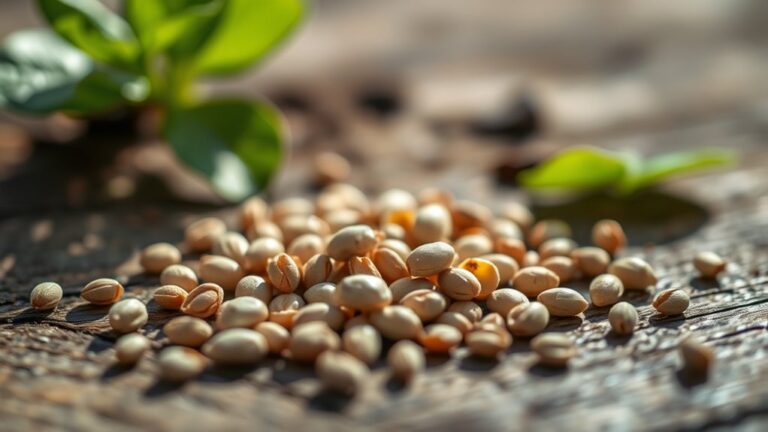
Look for healthy, plump seeds that aren’t moldy or damaged. Good seed selection means better germination and stronger plants. Also, test your soil’s temperature with a soil thermometer—ideal conditions are around 65-70°F.
If your soil isn’t warm enough yet, consider delaying planting or starting seeds indoors. Recognizing these signs and preparing properly will give your pumpkin seeds the best chance to sprout and thrive when conditions are just right.
Techniques to Extend Your Growing Season and Protect Your Pumpkins
If you want to give your pumpkins a bit more time to grow and stay safe, using row covers is a really good idea. They help keep the plants warm and protected from unexpected cold snaps.
Another simple trick is to lay down mulch around your pumpkins. It not only helps keep the roots steady and warm but also keeps pesky weeds at bay.
These easy steps can really make a difference, giving your pumpkins a better shot at thriving well into the season.
Using Row Covers Effectively
Using row covers is a smart way to extend your pumpkin growing season and protect your plants from pests and harsh weather. Different types, like lightweight fabrics for early warmth or heavier ones for frost, serve specific needs.
They help keep the soil warmer and seedlings healthier. Row covers also block pests, shielding pumpkins from insects and animals that can damage vines and fruits.
Plus, they help retain moisture, reducing evaporation and keeping the soil consistently moist. To use them well, secure the edges tightly so pests can’t sneak underneath.
Lift the covers on warm days to let in airflow. Proper use ensures your pumpkins stay healthy and protected all season long.
Applying Mulch for Protection
Applying mulch around your pumpkin plants can really help extend your growing season and protect your vines from temperature swings. It’s great for conserving soil moisture, keeping weeds down, and maintaining a steady soil temperature.
Creating a barrier with mulch shields your pumpkins from early cold snaps or heat waves. To do this right, spread about 2-3 inches of organic material like straw or shredded leaves around the base of your plants. Just be sure not to pile it directly against the stems.
This helps insulate the roots and promotes healthy growth. Check your mulch regularly and add more as needed throughout the season. Using mulch properly keeps your pumpkins protected, leading to healthier plants and a more abundant harvest.
Common Mistakes in Timing Pumpkin Planting and How to Avoid Them
Timing is key when planting pumpkin seeds, and many gardeners make the mistake of planting too early or too late. Mistiming can lead to poor germination, stunted growth, or even crop failure.
A common mistake is planting too early, before the soil has warmed enough. This can cause seedlings to rot or struggle to grow. On the flip side, planting too late shortens the growing season, limiting pumpkin size and yield.
To avoid these problems, always check your local last frost date and soil temperature. Wait until the soil hits around 60-70°F (15-21°C), which is best for pumpkin seeds. Rushing or delaying planting can jeopardize your harvest.
Proper timing ensures healthy plants, better growth, and a successful pumpkin season. Paying attention to weather and soil conditions will help you avoid common timing mistakes and get better gardening results.
Adjusting Your Planting Schedule for Different Pumpkin Varieties
Different pumpkin varieties have unique growth needs and ideal planting times, so adjusting your schedule can really help you get a good harvest. Knowing the characteristics of each variety helps you figure out the best time to plant.
For example, large, long-season pumpkins require a longer warm period, so you might want to plant them later in spring. Smaller or bush varieties often handle shorter growing seasons and can be planted earlier.
Think about the conditions each variety prefers. Some do great in full sun and well-draining soil, while others need a bit more shade or moisture. Adjust your planting schedule to match these needs, making sure the soil is warm enough and frost danger is gone.
Planning Your Pumpkin Harvest Based on Your Planting Timeline
Once you’ve adjusted your planting schedule to suit each pumpkin variety, it’s time to plan your harvest accordingly. Knowing how long each variety takes to grow helps you estimate when they’ll be ready to pick.
Most pumpkins take between 75 to 115 days from planting to maturity, so be sure to track your planting dates carefully. Create a harvest plan based on these timelines, marking when each variety should be ripe.
This way, you can stagger your harvests if you’re growing multiple types or plan for a big-scale harvest. Keep an eye on the pumpkins as they near their expected maturity dates, looking for signs like a deep orange color, a hard rind, and a dry stem.
Proper harvest planning ensures you pick pumpkins at their peak ripeness, maximizing flavor and shelf life. Timing your harvest just right means you’ll get the best quality pumpkins for decorating, cooking, or storing.
Frequently Asked Questions
Can I Plant Pumpkins in Containers or Only in the Ground?
Yes, you can plant pumpkins in containers, making container gardening a great option if you lack space. Choose large, deep containers with good drainage, and make sure they meet the soil requirements for pumpkins—rich, well-draining soil with plenty of nutrients.
Regular watering and ample sunlight are essential. With proper care, container-grown pumpkins can thrive and produce healthy vines and fruit just like those planted in the ground.
How Does Weather Variability Affect Pumpkin Planting Timing?
Weather variability greatly impacts pumpkin planting timing. You should aim for ideal temperatures around 70-85°F, avoiding frost dates that can damage seedlings.
In different planting zones, seasonal patterns dictate planting windows. But climate change can cause unpredictable weather, affecting soil moisture and temperature.
Keep an eye on local forecast trends and adapt your planting schedule accordingly to guarantee your pumpkins thrive despite fluctuating weather conditions.
What Are Signs of Overripe or Underripe Pumpkin Seeds?
You’ll notice seed maturity when pumpkin seeds feel firm and have a glossy appearance, signaling they’re ripe. If they’re soft, dull, or break easily, they might be past their prime.
Germination indicators include a healthy sprout emerging from the seed. Overripe seeds may fail to sprout, while underripe ones won’t develop properly.
Trust your senses; a perfect seed balances firmness with a smooth, shiny surface.
How Do I Handle Pests That Attack Young Pumpkin Plants?
To handle pests attacking young pumpkin plants, start with organic pest control methods like handpicking beetles or aphids, and using neem oil or insecticidal soap.
Keep your garden clean, remove debris, and encourage natural predators like ladybugs. Regularly inspect your plants for pests, and act early to prevent damage.
These organic methods are safe for your plants and the environment, helping ensure healthy pumpkin growth.
Is It Better to Plant Heirloom or Hybrid Pumpkin Seeds?
It’s better to choose hybrid pumpkin seeds if you want consistent size, yield, and disease resistance. Hybrids often have traits like vigor and adaptability, making them reliable for quick growth.
However, if you enjoy unique flavors, historical varieties, and benefits like rich genetics and heritage preservation, heirloom seeds are a great choice. Your decision depends on whether you value uniformity and performance or traditional, diverse pumpkin varieties.
Conclusion
Think of your pumpkin planting journey as tending a delicate clockwork. When you choose the right moment, guided by your climate and frost dates, you set the gears in motion for a bountiful harvest. Patience and timing are your keys, like the hands of a clock aligning perfectly.
With each step, you’re crafting a season of growth, culminating in a pumpkin patch that’s a true masterpiece of your careful planning and nurturing. Knowing when to plant pumpkin seeds is essential for a successful and rewarding pumpkin season.