What Are Flax Seeds Good For?
Are you looking for simple, natural ways to boost your health without complicated routines? You’re not alone—many people struggle with maintaining a balanced diet and staying energized. Flax seeds are a tiny but mighty addition that can make a big difference.
Flax seeds are incredibly nutritious and offer many health benefits. They support heart health by reducing inflammation and lowering bad cholesterol.
Their high fiber content promotes digestion, helps control weight, and keeps you full longer. Flax seeds also balance hormones, especially for women, and improve skin and hair health with omega-3s.
Their versatility makes them easy to add to your diet. Keep exploring to uncover how these tiny seeds can boost your overall wellness and wellbeing.
Key Takeaways
- Flax seeds are packed with omega-3 fatty acids, which are great for your heart and brain health.
- They boost digestive health and can help with weight management thanks to their high fiber content.
- Flax seeds also help lower LDL cholesterol and reduce inflammation, supporting your heart.
- They contain lignans that help balance hormones and support women’s reproductive health.
- Plus, flax seeds are good for your skin and hair, and you can easily add them to many foods to get their benefits.
What Are Flax Seeds and Why Are They a Superfood?
Flax seeds are tiny, nutrient-packed seeds from the flax plant, which has been cultivated for thousands of years. Their origins go back to ancient Egypt and the Mediterranean, where people valued them for their health benefits.
Today, flax seeds are recognized worldwide as a superfood because of their impressive nutritional profile. They’re rich in omega-3 fatty acids, fiber, and lignans, all of which support overall wellness.
Flax seeds are celebrated globally for their omega-3s, fiber, and lignans that boost overall health.
What makes flax seeds stand out as a superfood is how much essential nutrients they pack into such a small package. They’re versatile and easy to add to your diet—sprinkled on cereal, blended into smoothies, or baked into bread.
Their long history and powerful nutrients make flax seeds a popular choice for anyone looking to naturally boost their health. Overall, they’re a small but mighty superfood that supports your well-being.
How Do Flax Seeds Support Heart Health and Lower Cholesterol?
Flax seeds are full of omega-3 fatty acids, which are great for reducing inflammation and keeping your heart healthy. They also have a lot of fiber, which can help lower those pesky bad cholesterol levels.
All in all, these nutrients make flax seeds a really smart addition to any heart-healthy diet.
Omega-3 Fatty Acids Benefits
Because omega-3 fatty acids are crucial for heart health, incorporating flax seeds into your diet can be a smart choice. Flax seeds are a rich source of omega-3s, helping to reduce inflammation and support your cardiovascular system.
These healthy fats have notable anti-inflammatory properties that can lower the risk of heart disease by decreasing blood pressure and preventing arterial plaque buildup. Eating flax seeds regularly ensures you get a plant-based omega-3 supply, especially if you don’t eat fish.
The omega-3s in flax seeds, mainly alpha-linolenic acid (ALA), are essential for maintaining healthy cholesterol levels and overall heart health. Adding ground flax seeds to your meals is an easy way to boost these benefits naturally.
Fiber’s Role in Cholesterol
Since dietary fiber plays an essential role in managing cholesterol levels, incorporating flax seeds into your diet can greatly support heart health. Flax seeds are excellent fiber sources that help regulate cholesterol by binding to it in your digestive system and aiding in its removal from your body.
The soluble fiber in flax seeds slows down digestion, which can help lower LDL (bad) cholesterol levels. Regularly eating flax seeds may reduce your risk of cardiovascular disease by improving your overall cholesterol balance.
Adding a tablespoon of ground flax seeds to your meals is an easy way to boost your fiber intake. As a natural, plant-based fiber source, flax seeds are a simple, effective addition to your diet for supporting healthy cholesterol levels and promoting heart health.
How Do Flax Seeds Promote Digestion and Gut Health?
One of the key ways flax seeds support digestion is through their high fiber content, which adds bulk to your stool and promotes regular bowel movements. The fiber types in flax seeds, both soluble and insoluble, help improve gut flora and enhance overall gut health.
Soluble fiber feeds beneficial gut bacteria, boosting your digestive enzymes and supporting nutrient absorption. Insoluble fiber increases bowel regularity by adding bulk and helping food move smoothly through your digestive tract.
Proper hydration levels are essential because they allow fiber to work effectively and prevent gut inflammation or constipation. Regular consumption of flax seeds can also protect colon health by reducing inflammation and promoting a healthy environment for beneficial bacteria.
How Do Flax Seeds Help Balance Hormones and Support Women’s Health?
Flax seeds contain phytoestrogens called lignans, which can help balance hormone levels in women. These compounds mimic estrogen, providing endocrine support and promoting hormonal balance.
Incorporating flax seeds into your diet may help with menstrual relief, stabilize mood, and support reproductive health. Their phytoestrogen effects can also boost fertility by regulating ovulation and hormone fluctuations.
To better understand their benefits, consider this table:
| Benefit | How Flax Seeds Help | Key Outcomes |
|---|---|---|
| Menstrual Relief | Reduce menstrual discomfort | Less cramping, smoother cycles |
| Mood Regulation | Stabilize hormone fluctuations | Improved mood stability |
| Reproductive Health | Support ovulation and hormone balance | Improved fertility |
| Endocrine Support | Balance estrogen and progesterone | Overall women’s wellness |
Can Flax Seeds Assist With Weight Management and Appetite Control?
Have you thought about how flax seeds might help with your weight management goals? These tiny seeds are packed with fiber, which can help control hunger by making you feel full longer.
When you’re more satisfied after meals, you’re less likely to snack or overeat, making it easier to stick to your weight loss plan. Flax seeds also have healthy fats and protein, both of which help you feel full and give you steady energy.
Feeling full longer helps curb cravings and supports your weight loss journey with healthy fats and protein.
Adding flax seeds to your diet can help curb cravings and cut down on your overall calorie intake without feeling deprived. Their high fiber content also promotes healthy digestion, which is important for effective weight management.
While flax seeds aren’t a magic fix, they can be a helpful part of a balanced approach to controlling appetite and supporting your weight loss efforts. Using them consistently, along with a healthy diet and regular exercise, can make a noticeable difference over time.
Easy Ways to Incorporate Flax Seeds Into Your Daily Diet
Adding flax seeds to your breakfast is a breeze—just sprinkle them on your yogurt or cereal for a quick, nutritious boost. It’s such an easy way to start your day on a healthy note! You can also mix ground flax into muffin or pancake batter; it’s a simple trick to make your favorite baked goods a little healthier. Incorporating flax seeds into your baked treats is an effortless way to enjoy their benefits without having to change your usual routine.
Incorporate Into Breakfast Meals
Starting your day with flax seeds is simple and versatile, making it easy to boost your breakfast with their health benefits. You can sprinkle ground flax seed onto yogurt or cereal, or blend them into smoothies for an extra nutrient punch.
Overnight oats are another convenient option. Just mix flax seeds into your oats before refrigerating overnight. This allows the seeds to soften and release their nutrients, making your morning meal more nutritious.
You can also stir flax seeds into pancake or waffle batter for added fiber and omega-3s. These quick additions make it effortless to incorporate flax seeds into your routine and help you start the day with a filling, nutritious breakfast.
Add to Baked Goods
Incorporating flax seeds into baked goods is an easy way to boost their nutritional value without changing your recipes much. You can sprinkle ground flax seed into your muffins or mix it into bread dough for extra fiber and omega-3s.
Add flax seed to your cookies or blend it into pancakes to make them more nutritious. Flax seed brownies and energy bars benefit from a spoonful of ground seeds, which adds texture and health benefits.
Consider mixing flax seed into cakes or sprinkling it over granola for some extra crunch. Using flax seed in pastries or dough transforms everyday treats into wholesome, nutrient-packed snacks effortlessly.
Are Flax Seeds Safe? Precautions and Potential Side Effects
While flax seeds are generally safe for most people, it’s important to be aware of potential precautions and side effects. Some individuals might have allergies, especially if they’re sensitive to nuts or seeds.
To keep flax seed consumption safe, stick to about one to two tablespoons daily. Avoid eating too much, as it could cause digestive problems.
There are also interaction concerns with blood thinners and certain medications. It’s a good idea to check with your healthcare provider if you’re unsure.
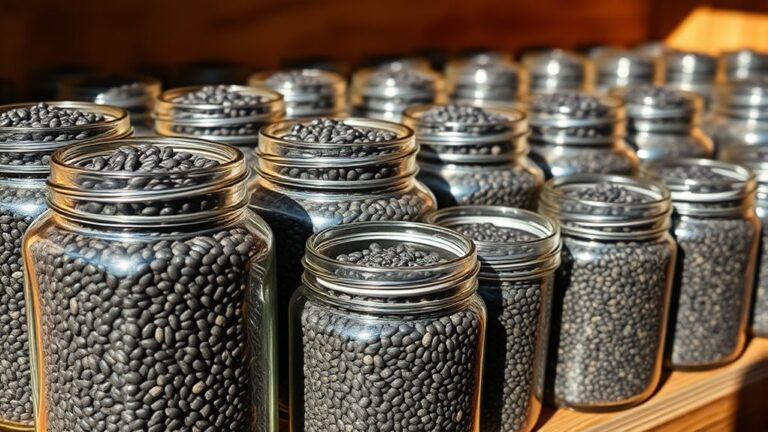
Long-term effects are still being studied, but moderate daily intake is considered safe. Proper storage—like keeping them in airtight containers in a cool, dark place—helps keep them fresh.
Grinding flax seeds can boost nutrient absorption, making them more beneficial. When choosing flax seeds, opt for organic or non-GMO brands, and always check labels.
Buying from reputable sources reduces the risk of contamination. Keep these precautions in mind so you can enjoy flax seeds safely and get the most out of their health benefits.
How Do Flax Seeds Improve Skin and Hair Health?
Flax seeds are packed with omega-3 fatty acids, lignans, and antioxidants, which all help boost your skin and hair health. These nutrients help lock in moisture, giving your skin a plump, healthy glow.
The omega-3s also help reduce inflammation, calming skin irritations and redness. Plus, antioxidants protect your skin from environmental damage, slowing signs of aging like fine lines and wrinkles.
For your hair, flax seeds provide nutrients that strengthen strands, reducing breakage and encouraging growth. The fatty acids nourish your scalp, supporting healthy, shiny hair.
Eating flax seeds regularly can improve your skin’s elasticity and hydration. They also make your hair more resilient and lustrous.
Why Are Flax Seeds a Top Source of Plant-Based Omega-3s?
You can count on flax seeds as one of the top plant-based sources of omega-3 fatty acids because they’re packed with alpha-linolenic acid (ALA). This is a type of essential fatty acid that your body can’t produce on its own.
That’s what makes flax seed benefits especially valuable for anyone looking to boost their omega-3 intake naturally. Adding flax seeds to your diet can support heart health, reduce inflammation, and boost brain function.
Since many people don’t get enough omega-3s from fish or other animal sources, flax seeds offer a great plant-based alternative with similar benefits. Their high ALA content makes them easy to add to smoothies, oatmeal, or baked goods.
Flax Seeds vs. Other Superfoods: Which Should You Choose?
When you’re trying to decide between flax seeds and other superfoods, it’s helpful to think about what they bring to the table nutritionally and how they fit into your everyday eating habits. Each superfood has its own set of health perks and ways you can add them to your meals, so it’s all about finding what works best for you.
Getting to know the differences can really help you make smarter choices based on your health goals. Whether you’re looking for more fiber, omega-3s, or antioxidants, understanding what each superfood offers can guide you to pick the perfect one — or even a combination of several — to boost your diet.
Nutritional Content Comparison
Comparing the nutritional content of flax seeds to other popular superfoods shows a variety of unique benefits, making it easier to choose what to add to your diet. Flax seeds are known for their high nutrient density, especially in omega-3 fatty acids, lignans, and dietary fiber.
When looking at seed varieties, flax seeds stand out with their impressive profile, but chia seeds and hemp seeds also pack valuable nutrients.
- Flax seeds offer a rich source of plant-based omega-3s and antioxidants.
- Chia seeds are rich in calcium and soluble fiber.
- Hemp seeds are notable for complete protein and healthy fats.
Knowing these differences can help you pick the best superfood based on your nutritional needs and preferences.
Health Benefits Differences
Choosing between flax seeds, chia seeds, and hemp seeds depends on your specific health goals, as each offers distinct benefits. Flax seed nutrition is rich in omega-3 fatty acids, lignans, and fiber, supporting heart health and hormone balance. Compared to health myths about superfoods, flax seeds are often overlooked for their powerful antioxidant properties.
Chia seeds excel in hydration and energy, making them great for active lifestyles. Hemp seeds provide complete plant-based protein, which is ideal for muscle repair and overall nutrition. Flax seeds may be better for those focusing on hormonal regulation or reducing inflammation, but they aren’t a one-size-fits-all solution.
Understanding the differences helps you tailor your diet to your needs. Ultimately, incorporating a variety of these superfoods guarantees you maximize their unique health benefits, rather than relying solely on one.
Versatility and Usage
Flax seeds are incredibly versatile and can be added to a variety of dishes, from smoothies and oatmeal to baked goods and salads. It’s easy to incorporate them into your daily routine and boost your nutrition effortlessly.
Storing flax seeds is simple—just keep them in an airtight container in a cool, dark place to keep them fresh. Compared to other superfoods, flax seeds are budget-friendly and versatile, making them a great staple for your pantry.
You might add ground flax to your morning yogurt or sprinkle whole seeds on salads for a bit of crunch. Their mild nutty flavor complements many dishes without overpowering them.
Whether you’re baking bread or blending smoothies, flax seeds adapt well, offering a practical, nutrient-dense option for many culinary uses.
Frequently Asked Questions
Can Flax Seeds Help Reduce Inflammation in the Body?
Yes, flax seeds can help reduce inflammation in your body. They’re packed with omega-3 fatty acids, which are known for their anti-inflammatory effects, along with lignans and fiber that support overall health.
Adding flax seeds to your diet might help lower inflammation, especially if you have conditions like arthritis or inflammatory bowel disease. Just toss ground flax seeds into smoothies, yogurt, or baked goods to enjoy their benefits and fight inflammation naturally.
Are There Any Specific Benefits of Flax Seeds for Cancer Prevention?
Flax seeds are like tiny warriors in your diet, fighting for your health. Their properties, rich in lignans and omega-3s, show promise in cancer research for potentially reducing risk, especially for breast and prostate cancers.
While they aren’t a magic bullet, including flax seeds can support your body’s defenses. By adding them to your meals, you’re giving yourself a natural edge in the fight against cancer.
How Should Flax Seeds Be Stored to Maintain Freshness?
To keep flax seeds fresh, store them in an airtight container in a cool, dark place like your pantry or refrigerator.
Avoid exposing them to light, heat, and humidity, as these can cause spoilage.
For long-term freshness, it’s best to keep whole seeds instead of ground ones, since they hold onto nutrients longer.
Remember these tips to preserve their flavor and health benefits so you get the most out of your flax seeds.
Can Children Safely Consume Flax Seeds Regularly?
Absolutely, children can safely enjoy flax seeds in moderation, but you should be cautious. Flax seeds are packed with nutrients like fiber, omega-3 fatty acids, and lignans.
To stay safe, start with small servings like sprinkling ground flax on yogurt or cereal. Just remember, don’t give large amounts at once, since their high fiber content might upset little stomachs.
It’s always best to check with a pediatrician before introducing flax seeds regularly.
Do Flax Seeds Interact With Medications or Medical Conditions?
Flax seed interactions can influence medication effects, so it’s important to talk to your healthcare provider before adding them to your diet.
Flax seeds contain compounds that may thin your blood or affect hormone levels, which could interfere with blood thinners or hormone treatments.
If you’re on medication or have medical conditions like bleeding disorders or hormone-sensitive issues, always check with your doctor about consuming flax seeds to avoid any adverse interactions.
Conclusion
Welcome flax seeds as your tiny nutritional treasure chest, bursting with health-boosting magic. Sprinkle them into your daily routine like a secret ingredient, and watch your energy bloom.
With each spoonful, you’re fueling your body’s symphony—heart, digestion, skin, and hormones—harmonizing in perfect balance. Let these humble seeds be your steady compass on the journey to wellness.
Turning everyday moments into a vibrant dance of health and happiness, flax seeds are a simple addition that can make a big difference. Embrace their power and enjoy the many benefits of flax seeds for your overall well-being.