What Affects Soil pH? Key Factors That Shape Your Garden’s Soil Acidity
Soil pH is impacted by a variety of factors including the type of parent material, organic matter content, rainfall patterns, and human activities like fertilization. These influences determine whether the soil is acidic, neutral, or alkaline, directly affecting nutrient availability and plant health.
Understanding what affects soil pH matters because it shapes soil chemistry and biology, influencing how plants absorb nutrients. Soil with a pH outside suitable ranges can limit crop growth or cause nutrient deficiencies and toxicities.
This article will examine major influences on soil pH, including natural soil formation processes, environmental conditions, and agricultural practices. It will also highlight how these factors interact and what gardeners or farmers can do to adjust or maintain desired soil pH levels.
Parent Material and Its Influence on Soil pH
Role of Geological Origin in Soil Acidity
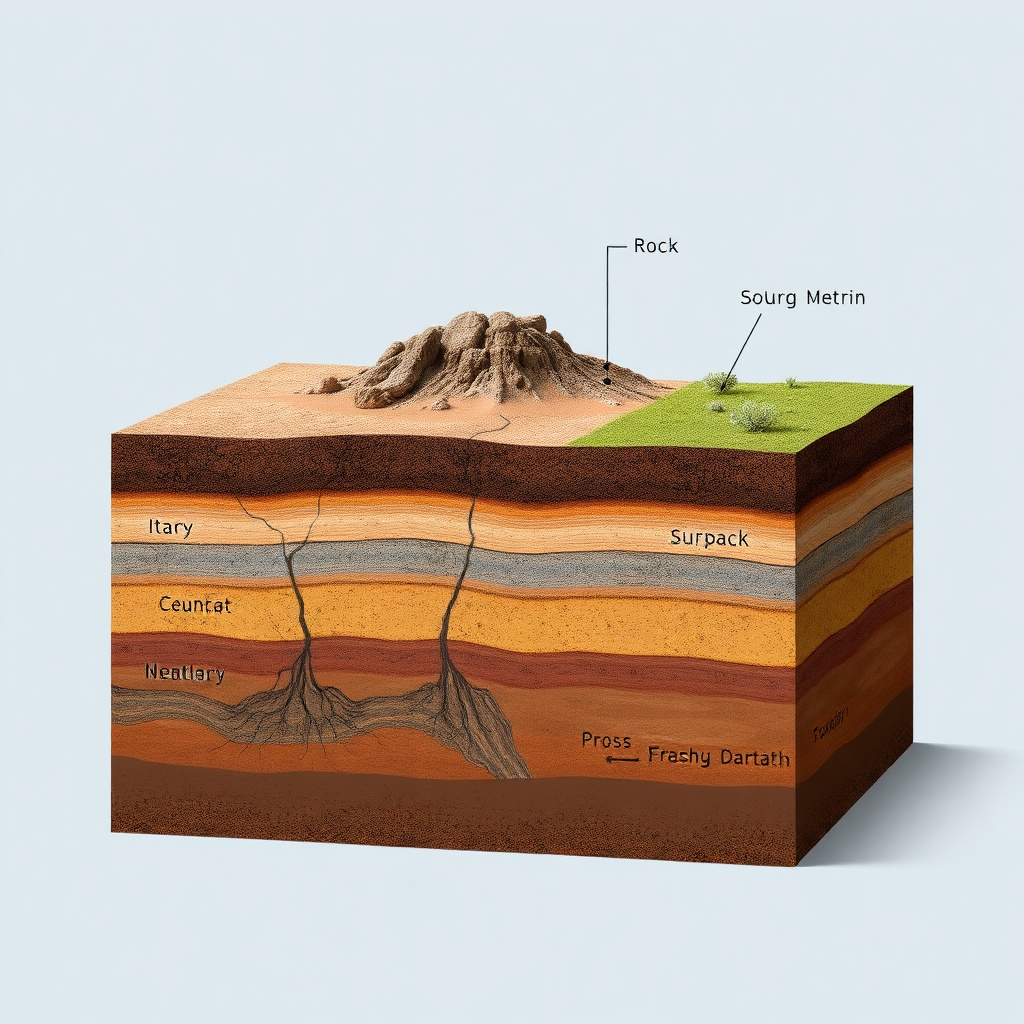
Parent material refers to the original rock or sediment from which soil develops. Soils formed on limestone or other calcium-rich rocks tend to be alkaline, while soils from granite or sandstone are usually more acidic due to their mineral composition.
The mineral content of the parent material affects soil pH over long periods, as weathering releases elements that either neutralize or increase soil acidity. This foundational factor sets the baseline pH range for a soil's profile.
Impact of Soil Texture Derived from Parent Material
Soil texture, defined by proportions of sand, silt, and clay, influences pH buffering capacity. Clay-rich soils generally have higher cation exchange capacity, which helps maintain stable pH compared to sandy soils that can experience rapid fluctuations.
The texture derived from parent material affects water retention and nutrient exchange, indirectly playing a role in how acidic or alkaline the soil becomes through chemical processes.
Organic Matter and Its Effect on Soil pH
Decomposition and Acid Production
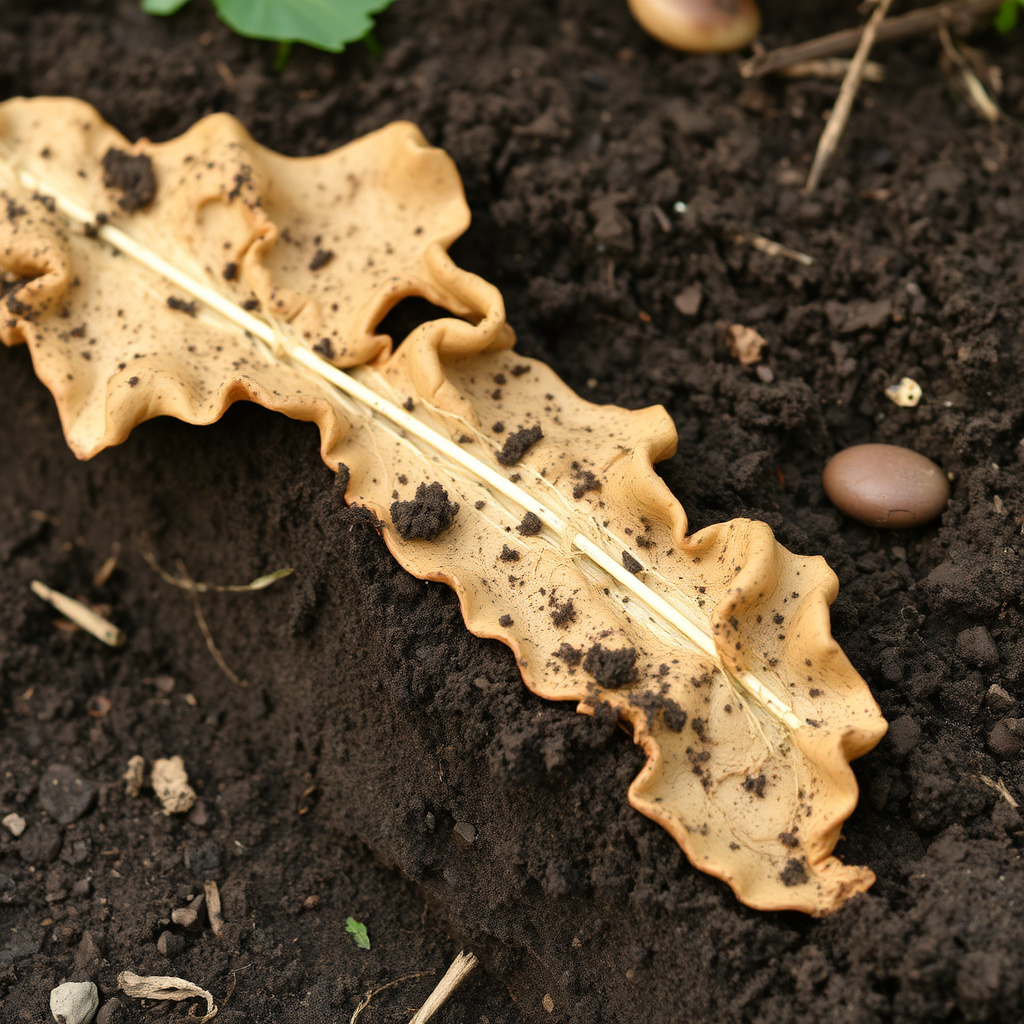
Decaying organic materials release organic acids such as humic and fulvic acids, which lower soil pH over time by increasing hydrogen ion concentration. This process contributes significantly to soil acidity, especially in forested or heavily mulched soils.
The level and type of organic matter influence how much acidity is released. Fresh plant residues tend to produce less acid than well-decomposed organic matter, which interacts continuously with soil minerals.
Influence of Organic Amendments on Soil pH
Adding organic amendments like compost or manure can temporarily alter soil pH, often decreasing it due to acidifying compounds released during decomposition. However, mature compost generally stabilizes and sometimes increases pH by contributing calcium and magnesium.
Understanding the composition and maturity of organic amendments helps in predicting their effects on soil pH, allowing gardeners to tailor soil conditions appropriately.
Environmental Factors Controlling Soil pH

Rainfall and Leaching Effects
High rainfall promotes leaching, washing away basic ions like calcium and magnesium and leaving behind acidic ions such as hydrogen and aluminum, thereby lowering soil pH. This is common in tropical and temperate wet climates.
Leaching intensity depends on rainfall quantity and drainage characteristics, making climate a major factor shaping soil acidity globally.
For more on this, see our related guide: What Affects Plant Growth: Key Factors Explained for Healthy Gardens.
Temperature and Soil Biological Activity
Soil temperature influences microbial activity, affecting organic matter decomposition rates and acid production. Warmer soils accelerate these processes, which can lead to increased soil acidity faster than in cooler climates.
Temperature also modifies chemical reaction rates involving minerals, which collectively impact the balance of acids and bases in the soil solution.
Human Activities Influencing Soil pH
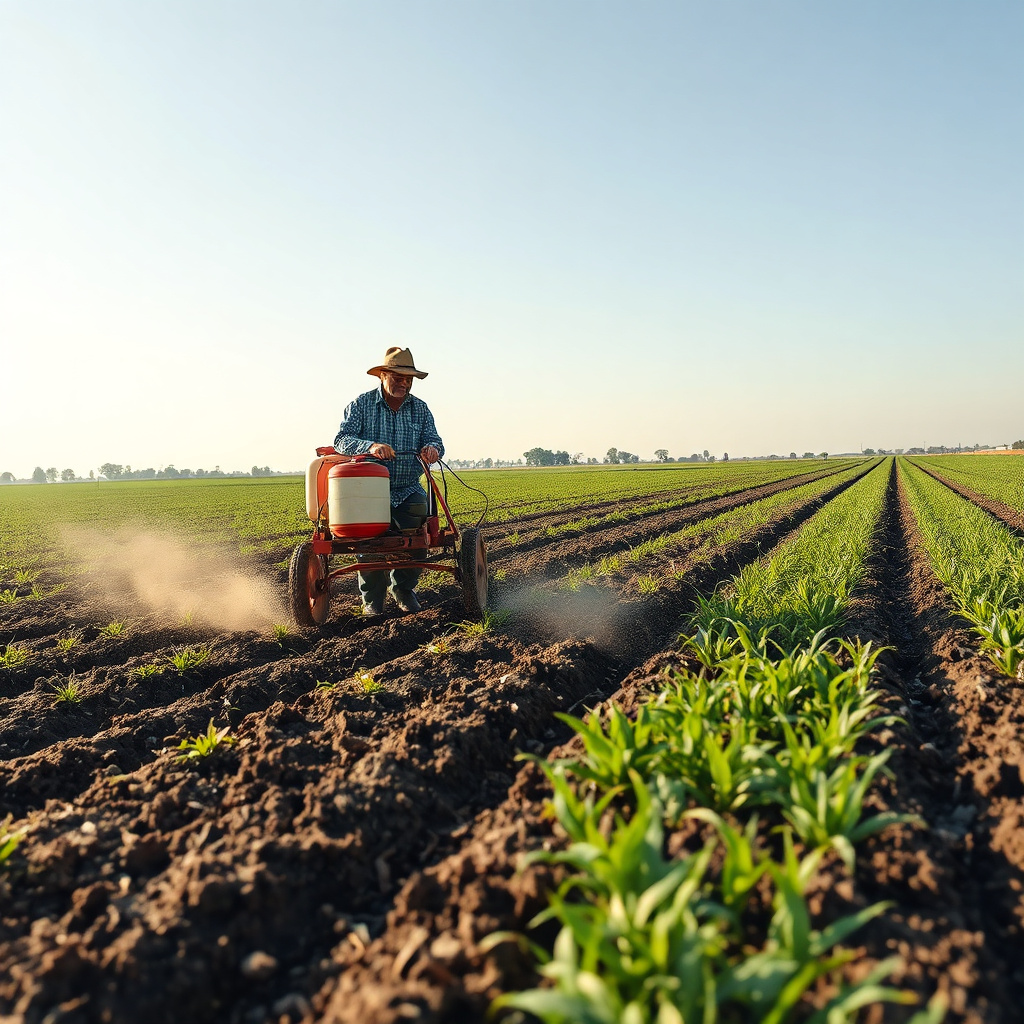
Effects of Fertilizers on Soil Acidity
Common nitrogen fertilizers such as ammonium sulfate and urea contribute to soil acidification through nitrification reactions, producing hydrogen ions that lower the pH over repeated applications.
Conversely, lime is often added to neutralize acidic soils. Understanding fertilizer type and application frequency is critical for managing changes in soil pH caused by farming.
- Ammonium-based fertilizers acidify soil
- Lime raises soil pH by neutralizing acids
- Excess fertilizer application can lead to harmful pH shifts
Impact of Irrigation and Land Use
Irrigation water quality, particularly water high in sodium or bicarbonates, affects soil pH by either raising alkalinity or promoting acidification depending on its composition.
Land use changes, such as deforestation or intensive cropping, alter organic matter inputs and microbial communities, indirectly influencing soil pH levels within the ecosystem.
Biological Processes and Their Role in Soil pH Regulation
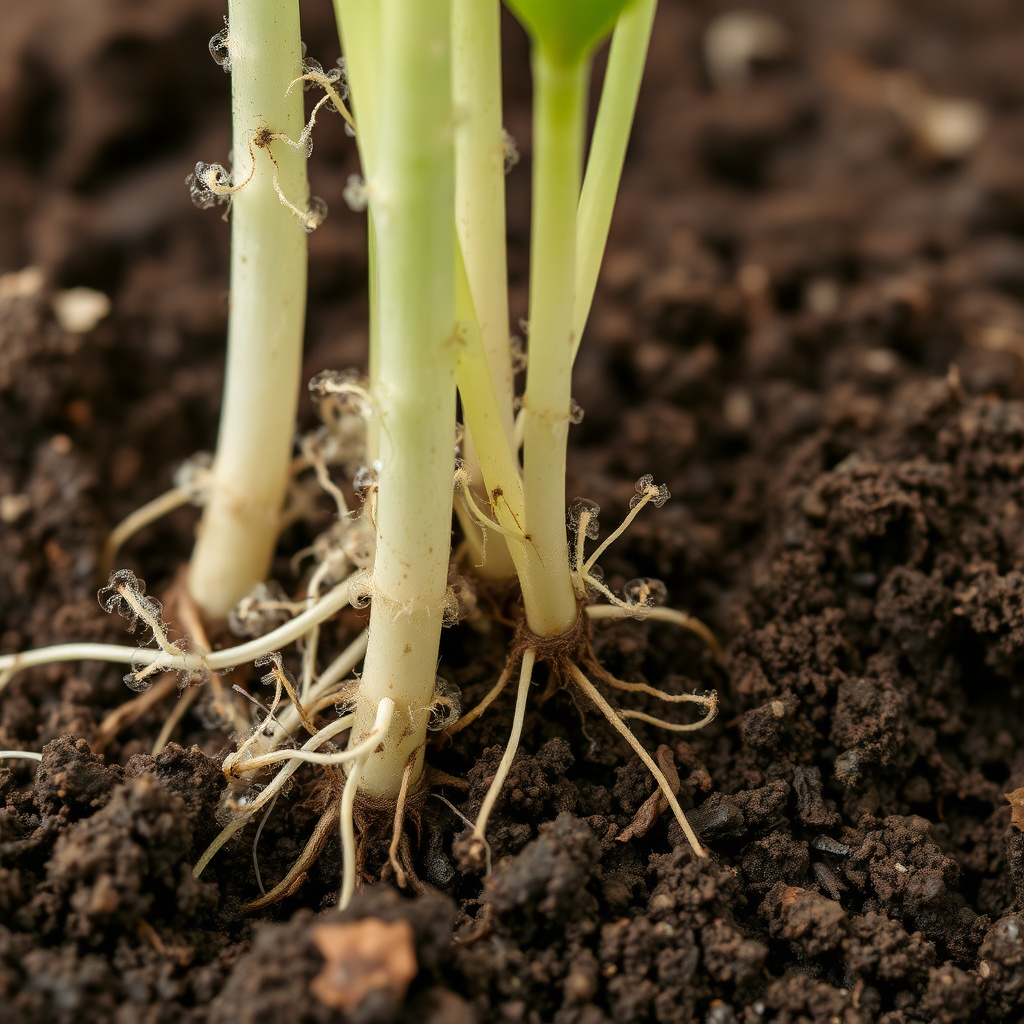
Microbial Activity and Acid Production
Soil microbes involved in nitrogen cycling produce acids as byproducts, especially during ammonium oxidation, lowering soil pH locally and over time.
Microbial-driven decomposition of organic materials releases organic acids that contribute to acidity, illustrating how living organisms shape soil chemistry actively.
For more on this, see our related guide: Cannabis pH Levels for Soil: How to Maintain the Perfect Balance.
Plant Root Exudates and Their Effect on pH
Roots release organic acids and ions such as H+ and OH- that modify the rhizosphere pH, either acidifying or alkalizing the immediate soil environment to improve nutrient uptake.
These root exudates vary by plant species and soil conditions, making biological influences on soil pH dynamic and localized.
Soil Management Practices to Control Soil pH

Liming and Acidifying Amendments
Applying lime (calcium carbonate) raises soil pH by neutralizing hydrogen ions, while sulfur or aluminum sulfate can be added to lower pH in alkaline soils.
Regular soil testing guides appropriate amendment rates to achieve desired pH without harming soil biology or crop performance.
- Lime application raises pH
- Sulfur-based amendments lower pH
- Timing and dosage depend on soil test results
For more comprehensive details on soil pH, you can refer to the soil pH article on Wikipedia. soil pH article on Wikipedia.
Crop Rotation and Organic Matter Management
Rotating crops including legumes can help moderate soil pH by influencing nitrogen availability and organic inputs.
Managing organic matter through compost additions supports pH buffering capacity and improves overall soil health.
Comparison of Key Soil pH Influencing Factors
The following table compares major factors that affect soil pH, highlighting their relative impact, timescale, and typical pH direction changes.
| Factor | Primary Effect on pH | Timescale | Typical pH Change |
|---|---|---|---|
| Parent Material | Baseline pH setting | Thousands of years | Neutral to alkaline or acidic depending on rock type |
| Organic Matter | Acidifies through decomposition | Months to years | Generally lowers pH |
| Rainfall and Leaching | Removes bases, increases acidity | Years to decades | Lowers pH |
| Fertilizers | Acidifies with nitrogen fertilizers | Months to years | Lowers pH |
| Irrigation Water Quality | Variable; may raise or lower | Monthly to years | Can raise or lower pH |
| Biological Activity | Produces acids via microbes and roots | Continuous | Usually lowers pH locally |
Frequently Asked Questions
Can soil pH be changed quickly?
Rapid soil pH changes are uncommon except with heavy chemical applications like lime or sulfur. Most adjustments take weeks or months depending on amendment type and soil buffering capacity.
How does soil pH affect plant growth?
Soil pH affects nutrient availability and microbial activity. Extreme pH levels reduce nutrient uptake, causing deficiencies or toxicities that stunt or harm plants.
Does organic matter always acidify soil?
While organic matter decomposition typically releases acids that can lower pH, mature compost may increase soil pH by adding alkaline minerals, so its effect depends on quality and stage of decomposition.
Why does rainfall affect soil pH?
Rainfall leaches basic minerals from soil, leaving acidic ions behind. More rainfall generally leads to more leaching and thus more acidic soil conditions.
What fertilizers affect soil pH the most?
Nitrogen fertilizers like ammonium sulfate and urea acidify soil through nitrification, significantly lowering pH when used repeatedly over time.
Key Takeaways
- Parent material sets the initial soil pH range.
- Organic matter decomposition usually lowers soil pH by acid release.
- Rainfall influences soil acidity by leaching away basic ions.
- Human practices, including fertilizer use, can strongly impact soil pH.
Conclusion
Deciding how to manage soil pH effectively begins with understanding the many factors that influence it, from the geological origin of the soil to biological activity. Soil pH is not a fixed property but a dynamic balance shaped over time by natural processes and human interventions. Evaluating these factors helps set realistic goals for adjusting or stabilizing soil pH suited to your specific crops and environment.
If you want to modify soil pH, consider targeting the most impactful influences such as parent material limitations, organic matter amendments, and fertilizer choices. For example, acidic forest soils might benefit most from liming applications, while alkaline soils in arid regions may require sulfur or organic acid additions. Incorporating crop rotations and regular soil testing will support gradual improvement by managing biological and chemical soil properties harmoniously.
Start by conducting a detailed soil analysis to establish your current pH and buffering capacity. Then select management strategies aligned with your goals, climate, and cropping system. Managing soil pH carefully enhances nutrient availability and promotes healthy plant growth, helping long-term productivity. Adjustments should be made thoughtfully and incrementally to avoid negative impacts and to maintain balance within the soil ecosystem.