10 Simple Steps to Do You Plant a Mango Seed Successfully
Growing your own mango tree can feel overwhelming, especially if you’re new to gardening or unsure where to start. You’re not alone—many people struggle with getting that first seed to sprout and grow into a healthy tree.
But don’t worry, with a little patience and the right steps, you can turn a simple mango seed into a thriving plant.
To plant a mango seed successfully, start by choosing a healthy, mature seed with a smooth shell. Clean off any fruit residue and soak it for 24 hours.
Plant the seed about an inch deep in well-draining, organic-rich soil in a container with drainage holes.
Keep the soil moist and place it in a warm, sunny spot. Once the seedling is strong, transplant outdoors after the frost passes.
Follow these steps carefully, and you’ll uncover even more tips to grow a healthy mango tree.
Key Takeaways
- Select a healthy, mature mango seed and clean it thoroughly before preparing for planting.
- Soak the seed in water for 24 hours to soften the shell and improve germination chances.
- Plant the seed about an inch deep in well-draining, organic-rich soil in a suitable container.
- Keep the soil consistently moist and place the container in a warm, sunny location.
- Transplant the seedling outdoors after frost and make sure it gets plenty of sunlight, water, and nutrients.
How to Choose the Best Mango Seed for Planting
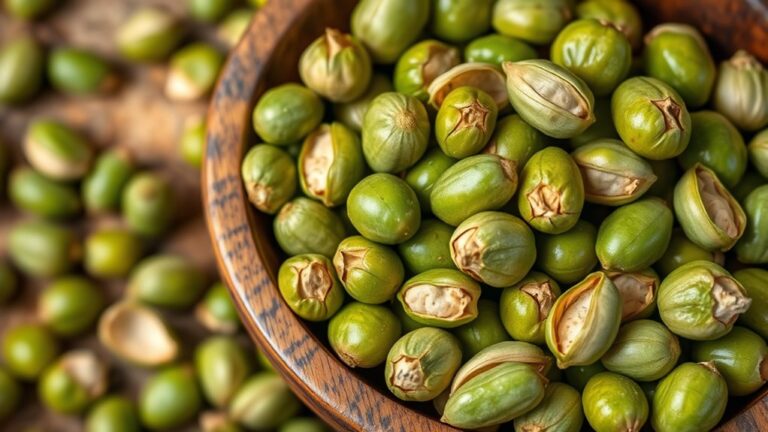
Choosing a healthy mango seed is key to successful planting. You want to pick a seed that’s mature and plump, which shows it’s ripe and ready to grow.
Look for a seed with a smooth, firm shell that doesn’t have cracks or mold. Fresh seeds tend to germinate better, so try to harvest your mango and extract the seed soon after fruiting.
Choose a smooth, firm seed without cracks or mold for the best germination chances.
When it comes to germination methods, some like to clean and dry the seed before planting, while others soak it overnight to speed things up. Either way, check if the seed is viable by gently pressing it; if it feels firm and heavy, it’s a good pick.
Avoid seeds that are shriveled or discolored, as they’re less likely to germinate successfully. Picking the right seed variety and knowing your germination method will give your mango tree a strong start.
Preparing Your Mango Seed for Germination
Before planting, it’s important to prepare your mango seed properly to give it the best chance to sprout.
Start by selecting a healthy, mature mango seed with a firm shell. Make sure to remove any leftover fruit flesh, as it can lead to mold or rot.
Soaking the seed in water for 24 hours softens the shell, making it easier for the sprout to emerge. Gently nicking the seed coat with a knife can also help water penetrate and speed up germination.
Finally, ensure the seed is completely dry before planting to prevent rotting. Following these steps will improve your chances of successful germination.
Choosing the Right Soil and Container for Your Mango Tree
Once your mango seed is ready to grow, the next step is choosing the right soil and container. For soil, pick a well-draining mix that’s rich in organic matter. Mango trees do best in sandy-loam or loamy soils that prevent water from pooling around the roots.
Avoid heavy clay soils because they hold onto moisture and can lead to root rot. When selecting a container, go for one that’s big enough to allow root growth, usually 10-15 inches for young trees. Make sure it has drainage holes to keep excess water from sitting at the bottom.
| Soil Types | Container Sizes |
|---|---|
| Sandy-loam or loamy | 10-15 inch pots |
| Well-draining | Drainage holes essential |
| Rich in organic matter | Suitable for initial growth |
Choosing the right soil and container creates a healthy foundation for your mango tree to thrive.
How to Plant Your Mango Seed Step by Step
To plant your mango seed successfully, start by preparing the seed itself. First, remove the seed from a ripe mango and clean off any fruit residue.
Next, choose the right mango seed varieties—some have thicker shells, while others are easier to germinate. To improve germination, you might soak the seed in water for 24 hours to soften the shell.
Then, carefully crack the outer shell if needed, but be gentle to avoid damaging the kernel inside. Plant the seed in a well-draining container filled with nutrient-rich soil, about an inch deep.
Keep the soil moist but not soggy, and place the container in a warm, sunny spot. Remember, patience is key—mango seeds can take several weeks to sprout.
Setting Up the Perfect Environment for Mango Germination
To make sure your mango seed germinates successfully, you’ll want to create the perfect environment. Keep the temperature nice and warm, around 80-85°F, so the seed feels comfortable and ready to sprout. When it comes to soil, go for something well-draining and rich in nutrients—this helps prevent water from sitting around the seed and causing rot.
And don’t forget about watering! You want to keep the soil consistently moist, but not soaked. Think of it as giving your seed just enough water to stay happy and healthy. When you get these conditions right, you’re setting the stage for a strong sprout and healthy growth down the line.
Optimal Temperature Range
Maintaining the right temperature is key for successful mango seed germination since these tropical plants thrive within a specific thermal range. The mango seedling temperature should stay consistently warm to encourage healthy growth.
The ideal conditions for germination usually fall between 80°F and 100°F (27°C to 38°C). If it gets too cold, germination slows down or stops altogether. On the other hand, too much heat can harm the seed.
To create the perfect environment, keep the seed in a warm, sunny spot. You can use a heat mat if the ambient temperature drops. Make sure to avoid drafts or cold windows and keep the warmth steady without sudden changes.
It’s also important to maintain high humidity levels around the seed. Following these tips will give you the best chance for successful germination.
Proper Soil Selection
Choosing the right soil is key to creating a healthy environment where your mango seed can thrive. Aim for well-draining soil with a slightly acidic to neutral pH, around 6.0 to 7.0, to support healthy root growth.
Add plenty of organic matter like compost or aged manure to enrich the soil and supply essential nutrients. Avoid heavy, clayey soils that hold too much water and could lead to root rot.
Loosen the soil before planting to ensure proper aeration and drainage. Check the soil’s pH levels and adjust if needed using lime or sulfur.
A nutrient-rich, well-draining soil with the right pH and plenty of organic matter creates the perfect conditions for your mango seed to germinate and grow strong.
Adequate Watering Schedule
Guaranteeing your mango seed receives the right amount of water is essential for successful germination. Overwatering can lead to rot, while underwatering stalls growth. To maintain ideal moisture, use proper drainage techniques by placing the seed in a well-draining soil mix to prevent water buildup.
Keep humidity levels stable by covering the container with plastic wrap or a lid, but make sure to allow some ventilation to avoid mold. Monitor the soil regularly and water only when the top inch feels dry.
Watering and Caring for Your Mango Seedling
When caring for your mango seedling, it’s important to water it carefully. Make sure the soil stays moist, but try not to let it get soggy or waterlogged—that can do more harm than good.
Also, keep an eye on the environment around your seedling. It loves warmth and humidity, so if you can, place it somewhere that stays cozy and humid. That kind of stable environment really helps it grow strong and healthy.
Basically, with the right watering habits and a good, steady environment, your mango seedling will have the best chance to thrive!
Proper Watering Techniques
Water your mango seedling consistently to keep the soil evenly moist, but not waterlogged. Proper watering balances moisture levels and highlights the importance of drainage to prevent root rot.
Overwatering can drown roots, while underwatering stresses the plant. To get it right, check the soil moisture with your finger and water only when the top inch feels dry.
Use well-draining soil to avoid water buildup. Water deeply to encourage strong root growth, but avoid frequent, shallow watering.
Adjust how often you water based on weather and soil conditions. Maintaining the right moisture helps your seedling thrive.
Ensuring proper drainage reduces the risk of waterlogging and supports healthy development. Consistent, thoughtful watering helps your mango plant grow strong from the start.
Maintaining Healthy Environment
Maintaining a healthy environment for your mango seedling means paying attention to watering and care. Keep the soil consistently moist but not waterlogged to help it grow strong.
Check regularly for pests like aphids or scale insects. Using pest management strategies can help keep your seedling safe and healthy.
Controlling humidity is important, especially in dry conditions. Lightly mist the plant or use a humidity tray to keep the air moist. Good air circulation also helps prevent mold and fungal problems.
Place your seedling in a warm, well-lit spot, but avoid direct harsh sunlight, which can stress the plant. Staying on top of watering, humidity, and pest control gives your mango seedling the best chance to thrive.
When and How to Transplant Your Mango Seedling Outdoors?
Timing is key when transplanting your mango seedling outdoors to ensure it grows healthy and stress-free. Make sure your seedling is strong enough to handle the outdoor environment and avoid transplant shock.
Wait until the last chance of frost has passed and daytime temperatures stay above 70°F. Look for signs of sturdy growth and healthy leaves before moving it outside.
To transplant successfully, pick a sunny spot with well-drained soil and some protection from strong winds. Prepare the soil by mixing in organic compost to give your seedling plenty of nutrients.
Water your seedling thoroughly the day before transplanting. Dig a hole twice as wide and just as deep as the root ball to give it room to settle in.
Gently remove the seedling from its container, place it in the hole, and fill in with soil. Firm the soil softly around the roots to help it settle in securely.
Tips to Promote Healthy Growth and Fruit Production
If you want your mango tree to grow healthy and produce plenty of fruit, it’s important to water it regularly. Just be careful not to overwater—too much water can do more harm than good. Make sure it’s getting enough sunlight each day, since mango trees love that warm, bright light to really thrive.
Also, don’t forget to feed your tree with balanced nutrients. Providing the right fertilizers will help support strong growth and lead to better fruit production over time. Keep up with these simple practices, and your mango tree will thank you with healthy growth and delicious fruit!
Proper Watering Techniques
Proper watering is essential for your mango seedling’s healthy growth and fruit production. Consistent moisture helps roots develop strong, and proper drainage prevents waterlogging and root rot. To keep your seedling thriving:
- Water deeply, but only when the top inch of soil feels dry.
- Make sure your pot or planting site has good drainage to avoid excess water.
- Avoid overwatering, which can suffocate roots and cause disease.
- Use soil that retains moisture but drains well.
- Mulch around the seedling to help maintain consistent moisture levels.
Optimal Sunlight Exposure
Ensuring your mango seedling gets enough sunlight is crucial for healthy growth and fruit production. Aim for at least 6 hours of direct sunlight each day. This helps boost photosynthesis and overall plant vigor.
The light should be strong but not too harsh. Too much direct sun can scorch the young leaves, while too little can slow development. Find a spot where it gets consistent, bright light, preferably on a south-facing outdoor location.
If you’re growing your seedling indoors, place it near a sunny window or use grow lights to supplement natural light. Regular exposure to the right amount of sunlight helps strengthen the plant and set a good foundation for fruiting.
Keep an eye on the light conditions and make adjustments as needed. Proper sunlight exposure promotes steady, healthy growth and better chances for a fruitful mango tree.
Balanced Nutrient Supply
Providing your mango seedling with a balanced supply of nutrients is essential for strong growth and abundant fruiting. Without proper nutrition, your plant might face nutrient deficiencies that stunt development or reduce fruit quality.
To guarantee peak health, use organic fertilizers like compost or manure, which release nutrients gradually and improve soil structure. Regular feeding helps prevent deficiencies and keeps your mango healthy.
Watch out for signs like yellowing leaves or poor growth, which can indicate nutrient issues. You can also supplement with specific organic amendments rich in nitrogen, phosphorus, and potassium.
Consistent, balanced feeding promotes lush foliage, strong stems, and high fruit yield. Remember, a well-nourished mango seedling is your key to a thriving, fruit-producing tree.
Troubleshooting Common Mango Tree Problems and Fixes
Mango trees can face a variety of issues that hinder their growth and fruit production, but most problems can be addressed with timely intervention. If you notice leaf discoloration, it could signal nutrient deficiencies or disease, so adjust your fertilization schedule and practice disease prevention strategies.
Growth stunting may result from root rot, often caused by overwatering. Make sure your tree has proper drainage and avoid excess moisture. Pest management is essential; check your tree regularly for pests like aphids or scales, and use suitable organic or chemical controls.
Pruning techniques help improve air circulation and remove diseased or damaged branches, promoting healthier growth. To make your tree more resilient to weather, protect it from extreme heat or cold with appropriate shelter.
Long-Term Care for a Healthy Mango Tree
Maintaining a healthy mango tree over the long term takes consistent care and attention to its changing needs. Regular pruning helps promote healthy growth, improve fruit production, and keep the shape in check. Be sure to prune dead or crossing branches every year to ensure good airflow and reduce the risk of disease.
Pest management is also key. Keep an eye out for common pests like aphids and scales, and treat infestations quickly with organic or chemical solutions. Mulching around the base helps conserve moisture and keeps weeds at bay, which means fewer nutrients competing with your tree.
Fertilize with a balanced, slow-release fertilizer during the growing season to support steady growth. Keep the tree well-watered, especially during dry spells, but avoid overwatering to prevent root rot. Regularly check the leaves for signs of pests or disease and act fast if you notice any issues.
Frequently Asked Questions
How Long Does It Take for a Mango Seed to Sprout?
A mango seed usually takes about 2 to 4 weeks to sprout if you give it the right conditions. To help it sprout faster, start by removing the husk and soaking the seed in water.
Keep the seed in a warm, humid spot with indirect sunlight, and make sure it stays moist. Patience is important, but with good care, you should see sprouting within a few weeks.
Can I Grow a Mango Tree Indoors Successfully?
Yes, you can grow a mango tree indoors successfully if you mimic a tropical climate and practice indoor gardening.
Place your mango seed in a sunny spot with plenty of light, and use well-draining soil. Keep humidity levels similar to a tropical environment for the best results.
Regular watering and proper airflow are important too. With patience, your indoor mango tree can thrive and eventually produce fruit.
What Are Common Pests That Affect Mango Seedlings?
You should watch out for common mango seedling pests like aphids, mealybugs, and scale insects, which can harm your young plant. These pests can cause stunted growth or disease, so regular pest management is crucial.
Use natural remedies like neem oil or insecticidal soap to keep pests at bay. Consistent monitoring guarantees your mango seedling stays healthy and grows strong, giving you the best chance for a fruitful tree.
How Often Should I Fertilize My Young Mango Tree?
Fertilizing your young mango tree is like feeding a growing child; it needs regular nourishment. You should fertilize every 4 to 6 weeks during active growth stages, using a balanced fertilizer like NPK or organic options.
As your tree matures, reduce the frequency but increase the amount. Keep an eye on its growth and adjust fertilization accordingly.
This approach helps ensure healthy development without overfeeding.
When Is the Best Time to Harvest Mango Fruit From a Seed-Grown Tree?
You should harvest your mango when it reaches the ideal time, which is when the fruit shows key ripeness signs like a color change and a slight softness.
Typically, this is about 100 to 150 days after flowering. Check for a sweet aroma and a gentle give when you press it lightly.
Picking at the right time ensures your mango is flavorful and ripe, making it perfect for enjoying.
Conclusion
So, there you have it—your foolproof guide to growing a mango tree from seed.
With patience and a little effort, you’ll soon see a tiny seed turn into a lush, fruit-bearing tree.
Who knew that all it takes is some soil, water, and a bit of love? Just remember, that tiny seed might seem insignificant now, but one day, it’ll be towering and tempting you with sweet mangoes.
If you follow these steps carefully, you’ll be well on your way to planting a mango seed successfully.
Enjoy the journey and the promise of fresh, homegrown mangoes in the future!