Are Cannabis Seeds Legal? Understanding the Laws Around Cannabis Seed Possession
The legality of cannabis seeds depends largely on where you are located, as laws vary widely across different countries and states. In some places, possessing cannabis seeds is perfectly legal, especially if they are not germinated, while in others, it is treated the same as possessing cannabis itself and is therefore illegal. This makes the question 'are cannabis seeds legal?' complex and tied closely to local regulations.
Understanding these laws is essential because cannabis seeds can be considered either a harmless collectible or an illegal drug precursor depending on jurisdiction. Many regions distinguish between seeds that are merely possessed and those intended for cultivation, which can influence legal outcomes considerably.
This article will explore the legal landscape surrounding cannabis seed possession, clarify how different regions treat these seeds, and offer guidance on what to keep in mind if you’re considering buying, selling, or carrying cannabis seeds.
Legal Status of Cannabis Seeds in Different Countries
Countries Where Possession is Generally Legal
Some nations, such as the Netherlands and Spain, allow the possession and even sale of cannabis seeds, particularly for collectable purposes rather than cultivation. In these jurisdictions, seeds are often sold openly in specialized shops, although growing cannabis plants may have separate restrictions.
This legal tolerance means buyers can acquire cannabis seeds without facing criminal charges, provided they abide by local rules on germination and cultivation. These countries typically consider the seeds as dormant items rather than controlled substances.
Places with Strict Prohibition
In many countries, including parts of Asia and the Middle East, cannabis seeds are strictly illegal, treated akin to cannabis or its derivatives. Possession can lead to serious legal penalties, ranging from fines to imprisonment.
Even if seeds are for non-planting purposes, such as scientific research or collection, authorities may still enforce stringent bans, leaving little room for individual exceptions.
Cannabis Seeds and U.S. Federal vs. State Law
Federal Regulations on Cannabis Seeds
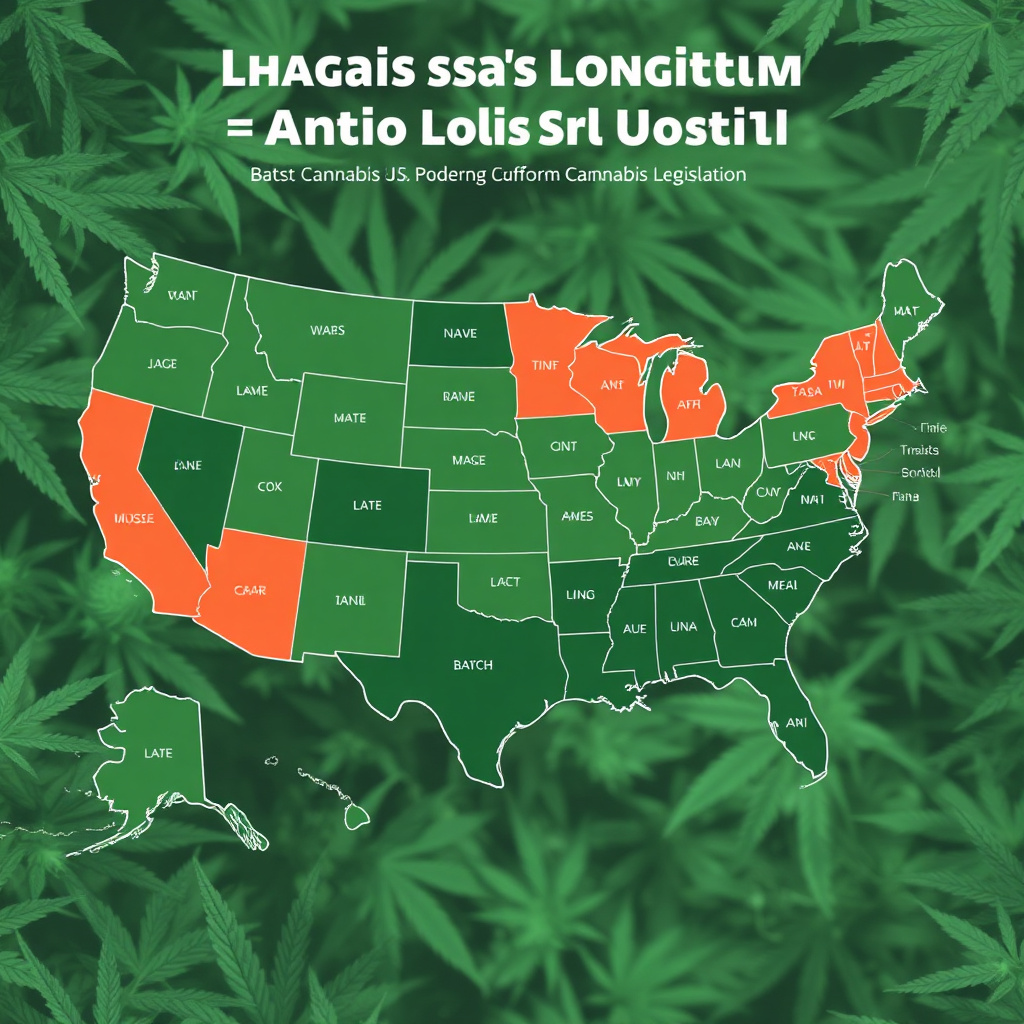
Under U.S. federal law, cannabis and its byproducts remain classified as Schedule I substances. While the seeds themselves do not contain THC and are not psychoactive, their possession is often scrutinized under drug enforcement policies.
Federal authorities may allow possession as collectibles or souvenirs, but transporting seeds across state lines or planting them can result in legal issues, as cultivation remains illegal federally outside of approved industrial hemp.
This creates a complex legal scenario where federal and state laws may conflict.
State-Level Variations
Several U.S. states have legalized cannabis for medical or recreational use, which often extends to the legality of cannabis seeds. In these states, purchasing, possessing, and growing seeds is generally permitted within regulatory limits.
Conversely, states with no legalization policies treat seeds as illegal, with penalties equating to those for cannabis possession or cultivation. Understanding state-specific cannabis seed legality is crucial before buying or transporting them.
Distinguishing Possession from Cultivation
Legal Implications of Possession Only
In many legal systems, possessing cannabis seeds without intention to cultivate is treated less severely than growing cannabis plants. Some regions permit seed possession outright if the seeds are unplanted or remain in original packaging.
This distinction often hinges on proving the intended purpose: seed collectors or hobbyists may legally hold seeds, while planting or attempting germination can cross into illegal territory.
For more on this, see our related guide: Are Cannabis Seeds Legal in the USA? Understanding the Legal Landscape.
Risks Associated with Seed Germination
Germinating cannabis seeds often triggers full legal restrictions related to cultivation. Even in more lenient settings, growing plants requires compliance with zoning, licensing, or quantity restrictions to avoid penalties.
Failure to adhere to local cultivation laws can result in fines, confiscations, or criminal charges, emphasizing the importance of separating seed possession from planting actions.
How to Buy Cannabis Seeds Legally
Selecting Reputable Seed Banks
Purchasing cannabis seeds from trustworthy, licensed seed banks helps avoid legal complications and ensures seed quality. Many reputable vendors operate online, shipping to regions where seed possession is lawful under local laws.
Customers should verify vendor certifications, customer reviews, and compliance with international shipping regulations to prevent seizures or legal issues during delivery.
- Check vendor licensing credentials
- Read customer feedback carefully
- Confirm seed types available
- Understand shipping restrictions
Understanding Shipping and Import Restrictions
Shipping cannabis seeds internationally involves navigating a patchwork of import and export laws. Even if seeds are legal to possess in your country, importing them may be prohibited or require special permits.
Seed buyers should consult their country's customs regulations and the laws of the sender’s jurisdiction before ordering to avoid confiscations or legal action.
- Review customs policies for seeds
- Avoid ordering to restrictive states or countries
- Use seed banks that provide discreet packaging
Cannabis Seed Legality in Medical vs. Recreational Contexts
Medical Cannabis Regulations
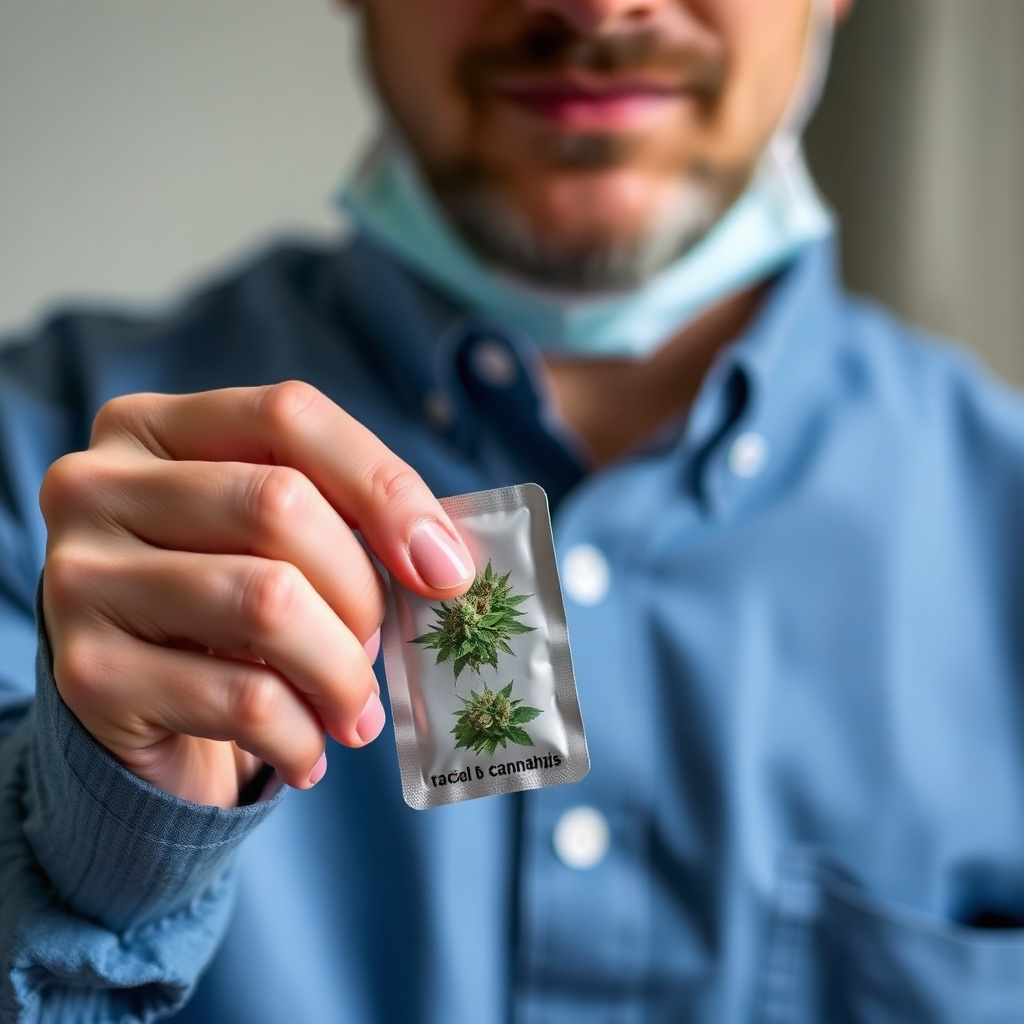
Patients authorized for medical cannabis in many regions can legally obtain seeds for growing their medication at home, following strict prescription and licensing protocols.
Medical programs often include guidelines on seed possession limits and approved strain selections to guarantee patient safety and regulatory compliance.
For more on this, see our related guide: Cannabis Cultivation Laws by State: What You Need to Know in 2024.
Recreational Use and Cannabis Seed Laws
Recreational cannabis legalization typically broadens the freedom to buy and possess cannabis seeds but also includes age restrictions and limits on quantities to prevent unauthorized distribution.
Recreational seed sales often occur through regulated outlets, with detailed tracking and verification systems to comply with state or national laws.
Understanding Legal Consequences of Illegal Seed Possession
Penalties in Jurisdictions with Prohibitions
Possessing cannabis seeds in regions where it’s illegal can result in criminal charges, seizures of property, fines, or even imprisonment. The severity of penalties correlates with local drug laws and prior offenses.
Law enforcement often treats seeds as evidence of intent to cultivate, which can escalate charges, particularly if accompanied by other drug-related items.
For a thorough overview of cannabis seed legal status worldwide, see the dedicated section on Cannabis seeds at Wikipedia. Cannabis seed legal status on Wikipedia.
Legal Defenses and Mitigating Factors
Some defendants may argue the seeds were possessed solely for collection or novelty, not cultivation. In rare cases, this defense, combined with local legal nuances, can reduce penalties or lead to dismissal.
However, legal outcomes vary widely, making it advisable to consult qualified legal counsel if charged with illegal cannabis seed possession.
Cannabis Seed Legality Category Comparison
Here’s a comparison of legal considerations for cannabis seeds across different scenarios and regions.
| Category | Possession Allowed? | Germination Allowed? | Penalties for Violation |
|---|---|---|---|
| Netherlands and Spain | Yes, for unplanted seeds | Restricted or regulated | Rare, often fines only |
| United States – Legal States | Yes, regulated | Yes, with license or limits | Fines or revocation of license for violations |
| United States – Illegal States | No | No | Fines, possible jail time |
| Asian Countries (e.g., Japan, Singapore) | No | No | Severe penalties including imprisonment |
| Medical Cannabis Programs | Yes, with authorization | Yes, with medical license | Penalties vary, but usually lenient for compliance |
| Recreational Legal Regions | Yes, regulated | Yes, within limits | Fines or legal actions for violations |
Frequently Asked Questions
Are cannabis seeds considered a controlled substance?
Cannabis seeds themselves typically lack THC and are not psychoactive, so in many jurisdictions they aren't classified as controlled substances unless intended for cultivation.
Can I legally grow cannabis plants from seeds purchased abroad?
Growing cannabis plants from seeds purchased internationally depends on your local laws; many countries and states strictly regulate cultivation regardless of seed origin.
Do all states in the U.S. allow possession of cannabis seeds?
No, possession laws vary widely by state. Some states with legalized cannabis allow seeds, while others prohibit possession entirely.
What risks come with shipping cannabis seeds internationally?
Shipping cannabis seeds across borders risks confiscation by customs and legal penalties if importation of seeds is banned in either the origin or destination country.
Is it legal to possess cannabis seeds for collection purposes?
In some regions, possessing cannabis seeds merely as collectibles is legal, provided there is no intent to germinate or cultivate them.
Key Takeaways
- Cannabis seed legality varies widely depending on location and intended use.
- Possession without germination is often treated less harshly than cultivation.
- Understanding local laws is essential before buying, possessing, or importing seeds.
- Medical and recreational cannabis laws influence seed regulations significantly.
Conclusion
Determining whether cannabis seeds are legal hinges on the specific laws of your country or state and the context of possession. Since cannabis regulations are highly localized and constantly evolving, staying informed about current legislation ensures you remain compliant and avoid inadvertent legal problems. The primary legal distinction frequently lies between mere possession and the act of germination, which leads to cultivation and is usually more heavily regulated or prohibited.
If you live in a country with legalized medical or recreational cannabis, such as certain U.S. states, the Netherlands, or Spain, it's generally possible to buy and possess cannabis seeds legally, though growing may still have restrictions. In jurisdictions with strict prohibitions, possession itself could draw serious penalties. Therefore, assessing the legal framework in your area and clearly understanding the difference between possessing seeds and planting them will guide your decisions safely.
For anyone considering acquiring cannabis seeds, the next step is to research your local laws carefully or consult with a legal expert experienced in cannabis regulations. Purchasing from licensed vendors within your jurisdiction and respecting shipping restrictions can further minimize risk and help you navigate this complicated legal area responsibly.