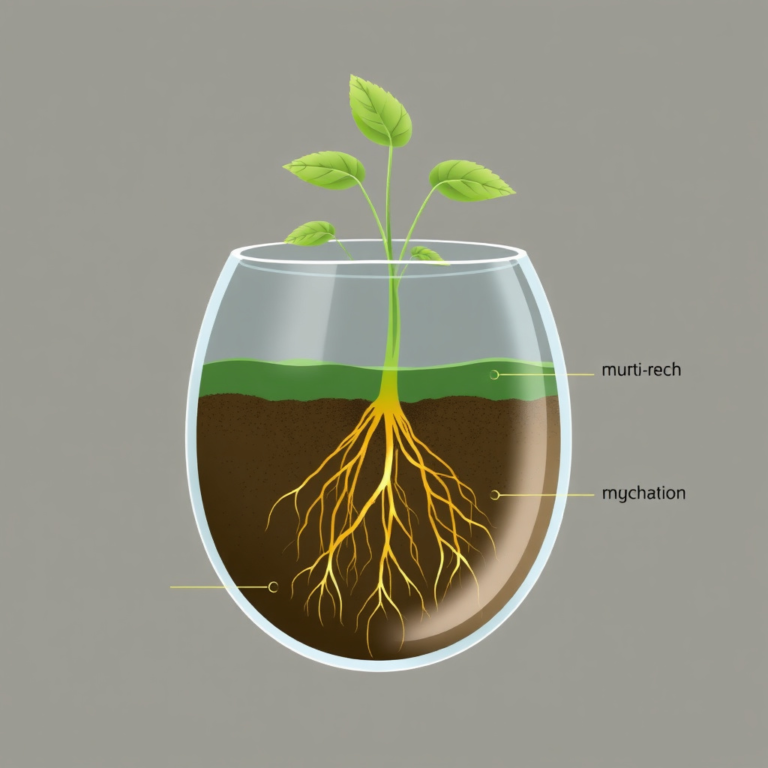
What Affects Plant Nutrient Uptake: Key Factors for Healthy Growth
Plant nutrient uptake is influenced by several factors including soil composition, pH level, moisture, temperature, and root health. These elements determine how effectively plants absorb essential nutrients like nitrogen, phosphorus, and potassium from the soil.
Understanding what affects plant nutrient uptake is important because nutrient absorption directly affects plant growth, development, and yield. Poor uptake can lead to deficiencies that weaken plants and reduce their ability to resist diseases.
This article covers critical aspects influencing nutrient uptake, such as soil properties, environmental conditions, root system characteristics, and common challenges. By exploring these factors, you can better support your plants’ nutritional needs and achieve healthier growth.
Soil Properties That Influence Plant Nutrient Uptake

Soil pH and Its Role in Nutrient Availability
Soil pH is a measure of acidity or alkalinity that affects nutrient solubility and availability to plants. Most nutrients are optimally accessible in slightly acidic to neutral soils with pH between 6.0 and 7.0.
If the soil is too acidic or alkaline, key nutrients such as phosphorus and micronutrients become less available because they form insoluble compounds, limiting uptake and causing plant nutrient deficiencies.
- Optimal pH range: 6.0 to 7.0 for most plants
- Acidic soils can limit calcium and magnesium availability
- Alkaline soils reduce phosphorus, iron, and manganese uptake
Soil Texture and Nutrient Retention
Soil texture—whether sandy, loamy, or clayey—determines how well soil holds nutrients and water. Sandy soils drain quickly but retain fewer nutrients, while clay soils hold nutrients strongly but may hinder root growth due to poor aeration.
A balanced loamy soil is ideal because it retains sufficient nutrients and moisture while allowing roots to access them easily. Soil texture influences how fertilizers behave and how often nutrient application is needed.
- Sandy soils: fast drainage, low nutrient retention
- Clay soils: high nutrient retention, poor aeration
- Loamy soils: optimal balance for nutrient uptake
Environmental Conditions Affecting Nutrient Uptake

Soil Moisture and Its Impact on Root Absorption
Adequate soil moisture is crucial as it dissolves nutrients, making them accessible to plant roots. Both drought and waterlogged conditions limit nutrient uptake—dry soil reduces nutrient mobility, while excess water can cause root oxygen deficiency.
Proper irrigation management helps maintain soil moisture within the optimal range, enhancing nutrient absorption efficiency and preventing stress from either water deficit or saturation.
- Too little moisture limits nutrient solubility
- Excess moisture reduces oxygen for roots
- Maintain consistent soil moisture for best uptake
For more on this, see our related guide: What Affects Plant Growth: Key Factors Explained for Healthy Gardens.
Temperature Effects on Nutrient Uptake
Soil and air temperatures influence root activity and nutrient movements. Roots function best within moderate temperature ranges; cold soils slow nutrient absorption, while extremely high temperatures can increase evaporation and nutrient loss.
Seasonal temperature changes may require adjusting fertilization schedules. Warmer soils generally enhance microbial activity, which can improve nutrient availability in the soil nutrient availability cycle.
- Optimal root activity at moderate soil temperatures
- Cold soils reduce nutrient uptake efficiency
- Extreme heat can lead to nutrient leaching
Root System Factors in Nutrient Uptake

Root Health and Functionality
Healthy root systems with abundant fine roots and root hairs increase the surface area for nutrient absorption. Damage from pests, diseases, or compaction severely limits root function and nutrient uptake capacity.
Maintaining healthy soil conditions and controlling root pathogens encourages robust root growth, which directly impacts the plant's ability to acquire nutrients from the soil.
- Fine roots and root hairs enhance absorption area
- Root damage reduces nutrient uptake efficiency
- Avoid soil compaction and root diseases for best results
Mycorrhizal Associations Enhancing Nutrient Absorption
Symbiotic relationships between plant roots and mycorrhizal fungi expand the effective root surface area, particularly aiding phosphorus and micronutrient uptake. These fungi access soil zones outside the root’s reach and transfer nutrients to the plant.
Promoting mycorrhizal colonization through organic soil amendments and minimal soil disturbance can significantly improve nutrient absorption capabilities.
- Mycorrhizae extend nutrient access beyond root zone
- Help absorb phosphorus and trace elements
- Encouraged by organic matter and healthy soil practices
Nutrient Interactions and Soil Chemistry

Nutrient Antagonism and Synergy
Certain nutrients can interfere with each other’s uptake; for example, excess potassium can limit magnesium absorption. Conversely, some nutrients improve uptake of others through synergistic effects.
Balancing fertilizer application is essential to avoid antagonistic effects and support efficient nutrient uptake by coordinating nutrient supply based on soil tests.
- Excess of one nutrient may block others (antagonism)
- Some nutrients enhance uptake of others (synergy)
- Use soil testing to balance fertilizer mixes
For more on this, see our related guide: How to Improve Plant Growth: Practical Tips for a Thriving Garden.
Cation Exchange Capacity (CEC) and Nutrient Holding
CEC measures soil’s ability to hold positively charged nutrients like potassium, calcium, and magnesium. Soils with higher CEC retain nutrients better, reducing leaching losses and increasing nutrient availability to plants.
Improving soil organic matter content increases CEC, helping keep nutrients within the root zone longer and facilitating steady nutrient uptake.
- Higher CEC means better nutrient retention
- Organic matter improves CEC and nutrient supply
- Low CEC soils require more frequent fertilization
Agricultural Practices Influencing Nutrient Uptake

Fertilizer Types and Application Methods
Different fertilizers release nutrients at varying rates. Slow-release fertilizers provide steady nutrition, while quick-release types offer an immediate nutrient boost. Application methods like foliar sprays or soil incorporation also affect nutrient availability.
Matching fertilizer type and application to plant needs and soil conditions maximizes nutrient uptake and minimizes losses or environmental impact.
- Slow-release fertilizers deliver nutrients over time
- Foliar feeding bypasses soil uptake limitations
- Proper timing improves fertilizer efficiency
For a comprehensive overview of nutrient dynamics in plants, visit the plant nutrient uptake on Wikipedia. plant nutrient uptake on Wikipedia.
Tillage and Its Effects on Soil Nutrients
Tillage can disrupt soil structure, affecting root growth and microbial communities. Minimal or no-till practices help maintain soil organic matter and promote beneficial organisms essential for nutrient mineralization and uptake.
While tillage can help incorporate fertilizers, excessive disturbance may reduce nutrient cycling efficiency and impair plant nutrient absorption over time.
- No-till preserves soil structure and microbes
- Excessive tillage damages root environment
- Balanced tillage supports nutrient cycling
Comparison of Factors Affecting Plant Nutrient Uptake
This table summarizes key factors influencing nutrient uptake, outlining their impact, management tips, and typical challenges.
| Factor | Impact on Nutrient Uptake | Management Tips | Common Challenges |
|---|---|---|---|
| Soil pH | Determines nutrient solubility and availability | Adjust using lime or sulfur | Extreme acidity or alkalinity |
| Soil Texture | Affects nutrient retention and water holding | Amend sandy or clay soils | Poor drainage or nutrient leaching |
| Soil Moisture | Controls nutrient dissolution and root access | Irrigation scheduling | Drought or waterlogging |
| Root Health | Increases surface area for absorption | Avoid soil compaction and pests | Root diseases and damage |
| Temperature | Influences root activity and microbial processes | Adjust planting/fertilization timing | Cold or heat stress |
| Fertilizer Type | Affects nutrient release rates | Choose based on crop needs | Over-application or mismatch |
| Tillage | Impacts soil structure and microbial life | Practice minimal disturbance | Soil erosion and degradation |
Frequently Asked Questions
How does soil pH affect plant nutrient uptake?
Soil pH affects the chemical form of nutrients and their availability. Nutrients are most available in slightly acidic to neutral soils; extreme pH levels can cause some nutrients to become insoluble and inaccessible.
Why is root health important for nutrient uptake?
Roots absorb nutrients and water from soil. Healthy roots with abundant root hairs have a greater surface area, improving uptake. Damaged or diseased roots reduce absorption efficiency.
Can fertilizer type influence nutrient uptake efficiency?
Yes, fertilizer type influences how quickly nutrients become available. Slow-release fertilizers provide steady nutrient supply, while quick-release types offer rapid availability but may leach faster if not managed properly.
How does soil moisture impact nutrient availability?
Soil moisture dissolves nutrients, allowing roots to absorb them. Both water scarcity and waterlogging impair nutrient uptake, so maintaining balanced soil moisture is key.
What role do mycorrhizae play in nutrient uptake?
Mycorrhizal fungi form symbiotic relationships with roots, extending nutrient absorption zones. They particularly help with phosphorus and micronutrient uptake enhancing plant nutrition.
Key Takeaways
- Soil pH and texture critically influence nutrient availability and retention.
- Root health and mycorrhizal partnerships boost nutrient absorption.
- Proper moisture and temperature conditions enhance uptake efficiency.
- Balanced fertilization and minimal tillage support nutrient cycling.
Conclusion
Deciding how to optimize plant nutrient uptake requires understanding the complex interaction between soil characteristics, environmental factors, and root system health. Balanced soil pH and texture create the foundation where nutrients remain accessible. Coupled with maintaining proper moisture and suitable temperature conditions, plants can absorb nutrients more effectively, which leads to healthier growth and improved yields. Managing soil chemistry with attention to nutrient interactions and cation exchange capacity further refines nutrient availability. These factors together create a dynamic system where each influences the other, demanding a holistic approach for nutrient management.
In practical terms, selecting the right fertilizer type—whether slow-release or quick-acting—can accommodate the plant’s growth stages and soil conditions. Adopting practices like minimal tillage preserves soil structure and microbial environments essential for nutrient cycling. Root health is another cornerstone; protecting roots from damage and promoting mycorrhizal fungi can greatly enhance nutrient uptake, especially for immobile nutrients like phosphorus. Adjusting fertilization and irrigation schedules based on soil tests and environmental conditions helps avoid nutrient imbalances and losses. For garden plants or large-scale agriculture, understanding these components guides tailored nutrient management strategies.
To move forward, start by testing your soil to identify pH, texture, and nutrient status. Choose amendments or fertilizers that balance nutrients and respect the natural soil environment. Monitor soil moisture levels and adjust irrigation practices accordingly. Protect root systems by avoiding compaction and encouraging beneficial microbial life through organic amendments. With this knowledge and ongoing observation, adapting your approach over time will ensure sustained nutrient uptake and robust plant health.