How to Start Seeds in a Greenhouse for Successful Plant Growth
Starting seeds in a greenhouse involves creating a controlled environment where warmth, moisture, and light are optimized for germination. You begin by selecting quality seeds and using sterilized seed-starting mix in trays or pots, then maintaining consistent warmth, humidity, and light to encourage robust sprouts.
A greenhouse provides valuable advantages over outdoor sowing, such as protection from unpredictable weather and pests, which raises germination rates and allows you to get a jump start on the growing season. Proper seed starting in a greenhouse requires balancing temperature, moisture, and ventilation to prevent mold and damping-off diseases.
This article covers essential elements of how to start seeds in a greenhouse, including choosing containers, ideal soil media, temperature management, watering strategies, lighting needs, and troubleshooting common issues to help you grow strong, healthy seedlings ready for transplanting.
Preparing Your Greenhouse for Seed Starting

Cleaning and Sterilizing the Greenhouse Space
Before sowing seeds, thoroughly clean your greenhouse to reduce risks of pests and diseases that can harm seedlings. Remove old plant debris, scrub surfaces, and sanitize trays and containers with a mild bleach solution to kill fungal spores and bacteria.
A clean environment establishes a healthy foundation for your seeds and helps prevent common problems like damping-off. Pay special attention to ventilation openings and gutters, as blocked airflow or standing water can promote mold growth.
- Clear away all plant debris
- Disinfect seed trays with 10% bleach solution
- Sweep and mop benches and floors
- Check and clean ventilation fans or vents
Selecting Seed Containers and Soil Medium
Choose containers that provide good drainage and are the right size for the seeds you plan to grow. Options include seed trays, peat pots, or biodegradable cells. Using seed-starting mix—light and well-draining—is crucial as ordinary garden soil is often too dense and can introduce pathogens.
A fine-textured seed-starting medium supports proper root development and retains moisture without becoming soggy. Sterilized commercial mixes reduce contamination risks and promote faster germination.
- Use containers with drainage holes
- Opt for sterile, fine seed-starting mix
- Avoid heavy garden soil or potting mixes with fertilizer
- Label trays with seed types and date
Managing Temperature and Humidity to Encourage Germination
Keeping Consistent Warmth for Seed Sprouting
Almost all seeds require warmth to germinate, typically between 65-75°F (18-24°C). In colder climates or seasons, use greenhouse heaters or heat mats under trays to maintain stable warmth. Fluctuating temperatures can delay or prevent germination.
Place temperature sensors near your seed trays to monitor conditions accurately. For heat-loving seeds such as tomatoes and peppers, higher soil temperatures closer to 80°F (27°C) may be necessary for prompt sprouting.
- Maintain daytime temperatures 65-75°F
- Use propagation mats if necessary
- Avoid cold drafts and sudden temperature drops
- Monitor temperature regularly
For more on this, see our related guide: Cannabis Growing Guide for Beginners: How to Start Cultivating Your Own Plants.
Controlling Humidity to Prevent Fungal Issues
Seeds need moisture to germinate, but excess humidity can foster fungal diseases. Cover seed trays with clear plastic lids or plastic wrap to trap moisture but remove covers daily for air exchange once sprouts appear. Good ventilation is essential to reduce dampness.
Using a hygrometer helps track greenhouse humidity, ideally keeping it between 50-70%. Misting trays lightly retains moisture without waterlogging the soil, promoting healthy seed starting conditions.
- Cover trays with vented lids initially
- Misting seeds rather than soaking
- Remove covers daily for airflow
- Use fans or vents to reduce excess humidity
Watering Techniques for Greenhouse Seed Starting

Keeping Soil Moist but Not Saturated
Maintaining consistent moisture in seed-starting medium is vital. Soil should be damp like a wrung-out sponge; too dry causes poor germination, while too wet leads to rot. Water gently using a spray bottle or watering can with a fine rose nozzle for even distribution without disturbing seeds.
Water frequency depends on temperature and humidity levels—generally once a day or as needed. Using trays with drainage holes prevents standing water from suffocating roots or inviting fungal infections.
- Check moisture daily by touch
- Water from below by filling tray dishes if possible
- Avoid waterlogging seedlings
- Adjust watering frequency for climate
Techniques to Reduce Damping-Off Risk
Damping-off is a fungal disease that kills young seedlings in wet conditions. To reduce the risk, avoid overwatering, maintain good air circulation, and avoid watering foliage directly. Using a sterile seed-starting mix also limits infection sources.
If damping-off occurs, remove affected seedlings immediately and improve ventilation. Some gardeners use natural fungicides like chamomile tea or cinnamon powder on soil surface as preventive measures.
- Avoid excess wet soil
- Keep good airflow in greenhouse
- Do not wet leaves during watering
- Sterilize containers and soil before use
Providing Proper Lighting for Seedling Development

Balancing Natural and Supplemental Light
Greenhouses generally provide ample natural sunlight, but during shorter days or cloudy weather, supplemental lighting helps seedlings grow strong and avoid legginess. LED grow lights are energy-efficient options that can be positioned close to seedlings without overheating.
Ideally, seedlings need 12-16 hours of light daily. Position lights 2-4 inches above seedlings, adjusting height as they grow to maintain adequate illumination and prevent stretching.
- Use grow lights in low-light seasons
- Keep light sources close but not hot
- Ensure 12-16 hours of light daily
- Rotate trays for even light exposure
For more on this, see our related guide: Why Are My Seeds Not Sprouting? Common Causes and Solutions.
Signs of Insufficient or Excessive Light
If seedlings grow tall and thin with pale stems, it indicates insufficient light, leading to weak plants that may fail after transplanting. Conversely, too much direct intense light may cause leaf scorching or dry soil quickly.
Monitor seedlings daily for these signs and adjust light intensity or duration accordingly. Use shading cloths or move trays to optimize balance, enhancing vigorous growth during early stages.
- Watch for leggy, pale seedlings (too little light)
- Avoid leaf burn from harsh midday sun
- Adjust lighting equipment height regularly
- Provide uniform light for all seedlings
Transplanting Seedlings from Greenhouse to Garden
Timing and Hardening Off Seedlings
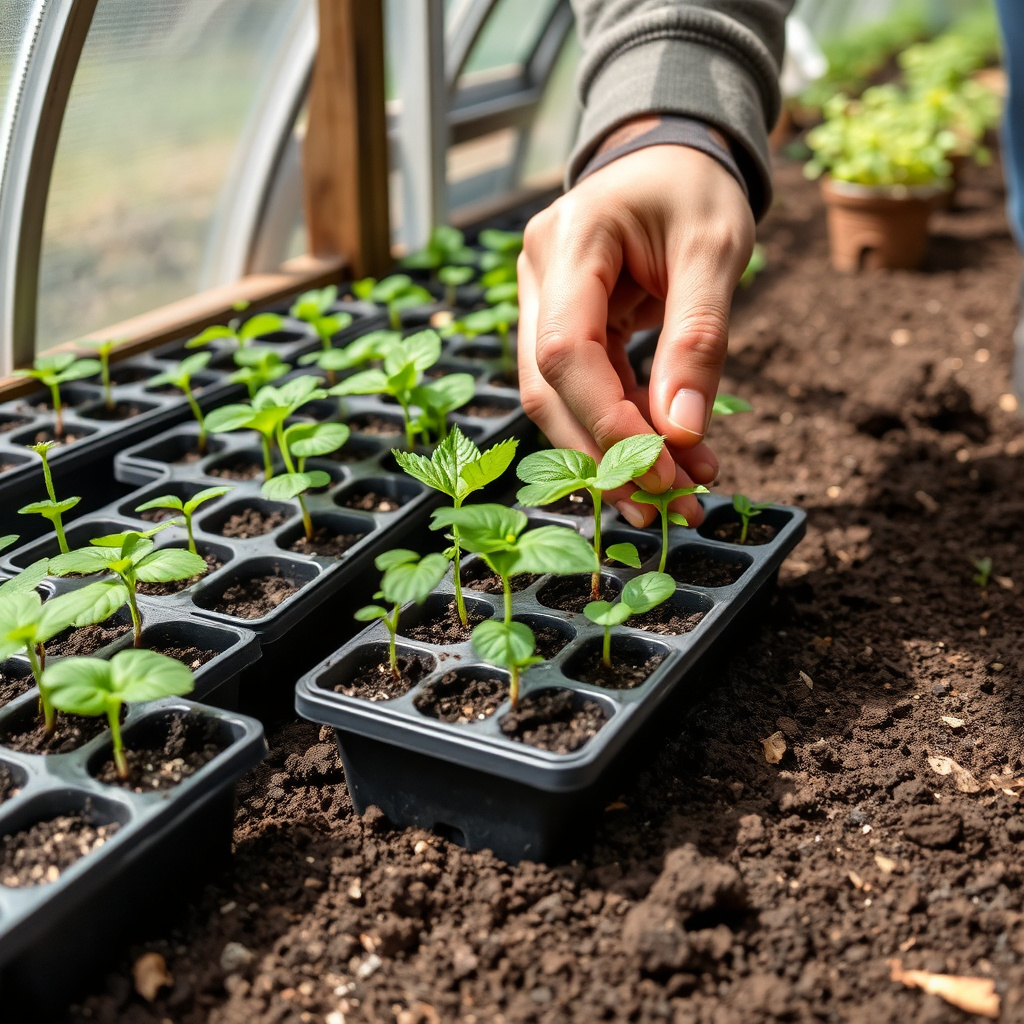
Seedlings started in a greenhouse need hardening off—a gradual exposure to outdoor conditions—to acclimate before planting in the garden. Start by placing seedlings outside in partial shade for a few hours daily over 7-10 days, increasing time and sun exposure.
Transplanting should only be done once seedlings have a strong root system and outdoor temperatures are stable, minimizing shock and ensuring higher survival rates in your garden soil.
- Begin hardening off 1-2 weeks before transplant
- Avoid planting during cold or windy days
- Keep soil moist during transition
- Check weather forecasts for optimum timing
For a deeper understanding of seed germination biology and practical tips, you can visit the seed starting on Wikipedia. seed starting on Wikipedia.
Techniques for Safe Seedling Transfer
When moving seedlings, handle roots and stems gently, keeping soil around roots intact to prevent stress. Transplant on cloudy days or in late afternoon to avoid heat stress. Water seedlings thoroughly after planting and mulch around to conserve moisture.
Use appropriate spacing based on plant type to avoid overcrowding and encourage healthy development. Properly transplanted seedlings establish quickly and yield better crops.
- Handle seedlings by leaves, not stems
- Plant at the same soil depth as in trays
- Water immediately after transplanting
- Space seedlings according to plant requirements
Seed Starting Methods in a Greenhouse Comparison
Review key differences among seed starting methods commonly used in greenhouses to find the best fit for your needs.
| Method | Setup Complexity | Cost | Control over Conditions | Best For |
|---|---|---|---|---|
| Seed Trays with Heat Mats | Medium | $$$ | High | Vegetables, Herbs |
| Peat Pots Direct Sowing | Low | $ | Medium | Annual Flowers, Vegetables |
| Biodegradable Cell Packs | Low | $$ | Medium | Organic Gardening, Easy Transplanting |
| Soil Blocks | High | $$$ | High | Seedlings Needing Strong Roots |
| Hydroponic Seed Starting | High | $$$$ | Very High | Specialty Crops, Commercial Production |
Frequently Asked Questions
What temperature is best for starting seeds in a greenhouse?
Most seeds germinate best between 65-75°F (18-24°C). Warmer seeds like peppers may need up to 80°F. Maintaining consistent warmth helps ensure high germination rates.
How often should I water seedlings started in a greenhouse?
Water seedlings when the soil surface feels dry to the touch, usually daily or every other day, keeping the medium moist but not soggy to prevent root diseases.
Can I start any seed in a greenhouse?
While many seeds can be started in a greenhouse, those requiring very specific conditions or those which do better sown directly outdoors might not thrive in this environment.
How long should I keep seedlings under grow lights?
Seedlings generally need 12-16 hours of light daily for healthy growth. Adjust this based on natural light availability and seedling response.
What is the best way to prevent damping-off disease?
Use sterile soil, avoid overwatering, ensure good ventilation, and remove infected seedlings promptly to minimize damping-off risk.
Key Takeaways
- Maintain consistent warmth and moisture for improved seed germination.
- Use sterile seed-starting mix and clean containers to reduce disease.
- Provide balanced lighting with natural and supplemental sources.
- Harden off seedlings gradually before transplanting outdoors.
Conclusion
Starting seeds in a greenhouse allows gardeners to control environmental factors like temperature, moisture, and light, improving germination success and seedling vigor. Selecting quality containers, using sterile seed-starting mixes, and managing humidity carefully reduces common problems like damping-off. Regular temperature monitoring and proper watering techniques help maintain ideal conditions that encourage steady growth during this critical stage.
For gardeners aiming for early harvests or working in colder climates, seed trays with heat mats provide precise temperature control, while peat pots offer biodegradable convenience. Those focused on organic practices might prefer biodegradable cell packs. Light management matters too: combining natural daylight with LED grow lights ensures strong, sturdy seedlings. Eventually, hardening off the seedlings prepares them for outdoor transplantation, reducing stress and increasing survival rates.
Overall, learning how to start seeds in a greenhouse opens opportunities for growing many plants successfully from the ground up. With attention to environment, watering, and light, you can produce robust seedlings ready for your garden. Begin by selecting the right seed-starting medium and containers, closely monitor your greenhouse conditions, and improve with experience season by season for rewarding growth results.