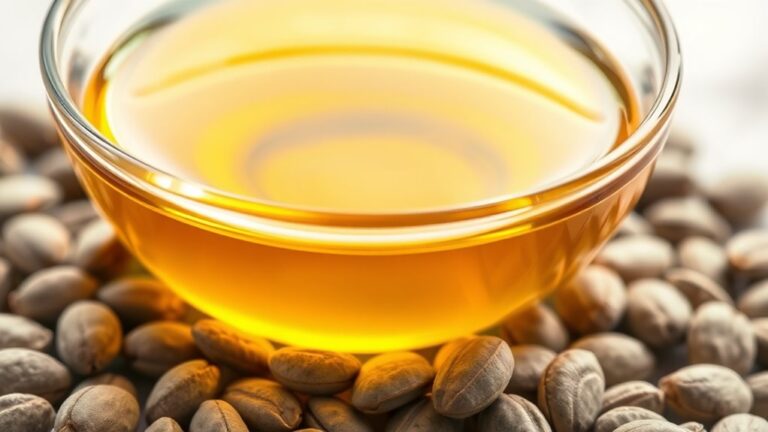
Why Are Pomegranate Seeds Good for Your Health?
Are you looking for a simple way to boost your health without complicated routines? Many people struggle to find tasty, natural options that support their well-being.
Pomegranate seeds are a nutrition powerhouse that boost your immunity, support heart health, and improve digestion thanks to their rich vitamins, antioxidants, and fiber.
They help protect your cells from damage, reduce inflammation, and promote healthy circulation.
Plus, they can be easily added to many dishes for flavor and crunch.
Keep exploring to uncover how these tiny seeds can truly elevate your overall well-being.
Key Takeaways
- Rich in essential nutrients like vitamins, potassium, and dietary fiber that support overall health and digestion.
- High in antioxidants such as punicalagins and anthocyanins that help protect your cells from damage caused by free radicals.
- They also have anti-inflammatory properties, which can help reduce chronic inflammation and strengthen your immune system.
- Pomegranates promote heart health by improving circulation, lowering blood pressure, and reducing inflammation in your arteries.
- Plus, they’re easy to add to your diet through tasty options, giving you health benefits with minimal effort or risks.
Why Pomegranate Seeds Are a Superfood
Pomegranate seeds are considered a superfood because they pack a powerful punch of nutrients and antioxidants. Their history dates back thousands of years, holding cultural significance in many ancient civilizations.
You’ll find pomegranates in various culinary uses, from salads to beverages, highlighting their versatility. Seasonal availability peaks in late fall and winter, so you can enjoy fresh seeds during these months.
Despite health myths suggesting they cure everything, the real magic lies in their unique farming practices and harvesting techniques, which guarantee quality and flavor. Different pomegranate varieties, from sweet to tart, cater to diverse tastes.
Farmers carefully cultivate and harvest these fruits, often by hand, to maintain their integrity. This combination of rich history, cultural importance, and meticulous farming makes pomegranate seeds a true superfood.
They offer more than just flavor—they deliver a legacy of health benefits.
The Nutrients That Make Pomegranate Seeds Powerful
What makes pomegranate seeds especially powerful are their rich and diverse array of nutrients. They offer high nutrient density, so you get a lot of essential nutrients in just a small amount, boosting their health benefits.
These seeds are loaded with vitamins, minerals, and bioactive compounds that support your overall well-being. For example, they contain vitamin C to help boost immunity and potassium, which is vital for a healthy heart.
Loaded with vitamins, minerals, and bioactive compounds that support immunity, heart health, and overall well-being.
Pomegranate seeds also provide dietary fiber, which helps with digestion and keeps you feeling full. Plus, they’re packed with polyphenols that have anti-inflammatory properties and may help prevent diseases.
They also contain punicic acid, a unique fatty acid linked to anti-inflammatory effects. All these nutrients work together to improve your health, making pomegranate seeds a powerful addition to your diet.
Thanks to their impressive nutrient density, you get maximum health benefits from just a small serving.
How Pomegranate Antioxidants Protect Your Cells
Antioxidants in pomegranate help protect your cells from damage caused by harmful free radicals. These antioxidants neutralize unstable molecules that can lead to oxidative stress, which harms cell membranes, DNA, and other vital structures.
When oxidative stress happens, your cells become more vulnerable to aging and disease. Pomegranate antioxidants, like punicalagins and anthocyanins, act as powerful defenders by scavenging these free radicals before they can cause harm.
This cell protection supports your overall cellular health and function. By reducing oxidative stress, pomegranate antioxidants help boost your body’s natural defenses and may lower the risk of chronic illnesses linked to cellular damage.
Eating pomegranate seeds regularly can strengthen your antioxidant levels, keeping your cells resilient against environmental toxins and internal oxidative challenges. Ultimately, these antioxidants help preserve your cellular integrity, promoting long-term health and well-being.
Can Pomegranate Seeds Boost Your Immune System?
Pomegranate seeds are full of antioxidants that help protect your immune cells from getting damaged. So, eating them regularly can actually give your immune system a boost and help you fight off infections better.
Plus, they have anti-inflammatory properties, which can support your overall health and keep inflammation in check. It’s like giving your immune system a little extra support with every handful!
Rich in Antioxidants
Since antioxidants play an essential role in protecting your body from damage caused by free radicals, incorporating nutrient-rich foods like pomegranate seeds can greatly improve your immune defenses. Pomegranate benefits come from its high antioxidant content, making it a powerful antioxidant source.
Unlike some health myths suggesting dietary supplements are the only way, whole fruits like pomegranate offer unique advantages. When comparing fruits, pomegranate seeds stand out for their dense nutrient profile, vibrant flavor profiles, and cultural significance.
Their seasonal availability and culinary uses—from smoothies to salads—highlight their versatility. Checking nutritional labels reveals their rich antioxidant levels, underscoring their health-promoting properties.
Including pomegranate seeds in your diet boosts your intake of natural antioxidants, supporting overall health beyond what typical fruit comparisons might suggest.
Enhances Immune Function
While many factors influence immune health, adding pomegranate seeds to your diet can give your immune system a noticeable boost. These seeds are packed with immune-boosting nutrients like vitamin C and antioxidants, which help protect against seasonal illnesses.
The nutrient synergy in pomegranate seeds helps your body fight off infections more effectively. Including them regularly as part of your diet can support your immune defenses throughout the year, especially during flu season.
Their unique combination of phytochemicals not only promotes immune function but also offers a natural, wholesome way to strengthen your body’s resilience. Enjoying pomegranate seeds regularly is a simple, tasty way to keep your immune system strong and ready for seasonal challenges.
Reduces Inflammation
Inflammation is your body’s natural way of fighting infections and healing injuries. But when it sticks around, it can cause health problems.
Pomegranate seeds pack powerful anti-inflammatory properties that help reduce this ongoing inflammation, supporting your overall health.
Lowering inflammation levels might also help prevent chronic diseases like heart disease and arthritis. To get the most benefits, consider these factors:
- They’re rich in antioxidants that fight free radicals
- Contain polyphenols that block inflammatory enzymes
- Support healthy blood flow and blood vessel function
- Help balance immune responses to prevent overreaction
Adding pomegranate seeds to your diet is a simple, effective way to fight chronic inflammation and boost long-term health.
How Pomegranate Seeds Support Heart Health and Circulation
Pomegranate seeds are packed with antioxidants and bioactive compounds that actively support your heart health. These nutrients help reduce oxidative stress and lower blood pressure, which can lower the risk of heart disease.
The seeds contain polyphenols, like flavonoids, that improve circulation by relaxing blood vessels and preventing plaque buildup. This allows blood to flow more smoothly and reduces strain on your heart.
Regularly eating pomegranate seeds can also lower LDL cholesterol levels, giving your cardiovascular system extra protection. Their anti-inflammatory properties decrease artery inflammation, which boosts overall circulation.
Adding pomegranate seeds to your diet is a delicious way to promote a healthier heart and better blood flow. Their natural compounds make them a powerful tool for supporting long-term heart health and reducing related risks.
Pomegranate Seeds for Digestive Wellness
Because of their high fiber content, pomegranate seeds can significantly boost your digestive wellness by promoting regularity and preventing constipation. The fiber helps keep things moving smoothly through your digestive system and supports better nutrient absorption.
Pomegranate seeds boost digestion with high fiber, supporting regularity and nutrient absorption for overall gut health.
Pomegranate seeds also contain digestive enzymes that help break down food more efficiently, which improves overall gut function. Plus, they offer prebiotic benefits, nurturing beneficial gut bacteria that promote good digestion.
Eating pomegranate seeds regularly can help keep your gut balanced, which is key for healthy digestion and a strong immune system. The fiber and prebiotics work together to ease constipation and reduce bloating.
Adding these seeds to your diet is an easy, natural way to support your digestive health. Their nutrient-rich profile benefits your gut and contributes to overall well-being by helping your digestive system run smoothly and effectively.
How Pomegranate Seeds Help Maintain Healthy, Youthful Skin
Pomegranate seeds are full of antioxidants, which are great for protecting your skin from damage. They help slow down the aging process, so your skin stays looking fresh and youthful longer.
Plus, these tiny seeds can boost your skin’s elasticity, making your complexion look firmer and more vibrant. Adding them to your diet is an easy way to support healthier, glowing skin over time.
Antioxidants Fight Skin Aging
Antioxidants play an essential role in fighting the signs of skin aging by neutralizing free radicals that can damage skin cells. Including pomegranate seeds in your diet unlocks their powerful anti-aging benefits.
They help improve skin hydration, support collagen production, and promote cell regeneration, giving you a natural glow. Plus, the antioxidants in pomegranate seeds offer UV protection, shielding your skin from sun damage.
These nutrients also boost elasticity and provide important skin nourishment. By adding pomegranate seeds to your routine, you’re actively supporting your skin’s youthfulness and resilience.
- Boost skin hydration and elasticity
- Promote collagen synthesis for firmness
- Offer UV protection against sun damage
- Support cell regeneration for a youthful appearance
Promotes Skin Elasticity
Maintaining skin elasticity is key to looking youthful, and adding pomegranate seeds to your diet can really help. Their antioxidants protect your skin from UV damage and environmental stress, encouraging renewal.
Pomegranate seeds boost collagen production, which is vital for keeping your skin firm and elastic. They also improve nutrient absorption, ensuring your skin gets the vitamins and minerals it needs to stay healthy.
The anti-inflammatory properties of these seeds help reduce swelling and redness, which can lead to sagging and wrinkles. Plus, they keep your skin hydrated, making it more flexible and resilient.
Do Pomegranate Seeds Reduce Inflammation?
Research suggests that pomegranate seeds contain compounds capable of reducing inflammation in the body. These anti-inflammatory properties can help lower the risk of chronic diseases by targeting inflammation at its source.
When you include pomegranate seeds in your diet, you’re providing your body with powerful antioxidants like punicalagins and anthocyanins, which fight harmful free radicals. These compounds may help reduce swelling, pain, and tissue damage associated with inflammation.
Regular consumption has been linked to improved immune response and better overall health. It can help decrease markers of inflammation in the bloodstream and support the body’s natural ability to fight chronic disease.
Additionally, pomegranate seeds help reduce oxidative stress that contributes to inflammation and promote healthier cell function and repair processes.
Easy Ways to Incorporate Pomegranate Seeds Into Your Diet
Incorporating pomegranate seeds into your diet is easier than you might think, with plenty of simple and tasty options. You can toss them into salads for a burst of flavor and crunch or sprinkle them on smoothies to boost sweetness and texture.
Add pomegranate seeds to salads and smoothies for a delicious boost of flavor and crunch.
Mixing seeds into yogurt parfaits creates a colorful, nutrient-rich snack, while stirring them into oatmeal adds a juicy, antioxidant-rich twist. Snack bowls topped with pomegranate seeds make for a healthy, satisfying treat any time.
You can also include seeds in desserts like fruit compotes or parfaits to elevate your sweet dishes. These small seeds are versatile and require no prep—just sprinkle or layer them into your favorite foods.
Whether you’re after a quick snack or want to enhance a more elaborate dish, pomegranate seeds blend effortlessly into your diet, boosting flavor and health benefits with ease.
Are There Any Risks or Precautions When Eating Pomegranate Seeds?
While pomegranate seeds are usually safe to eat, some people might experience allergic reactions or stomach upset if they’re sensitive. It’s a good idea to pay attention to how your body reacts, especially if you’re trying them for the first time.
Also, keep in mind that pomegranate seeds could interact with certain medications or nutrients, so if you’re on any meds or have specific health conditions, it’s worth chatting with your doctor. Being aware of these potential risks can help you enjoy the health benefits of pomegranates safely.
Possible Allergic Reactions
Although pomegranate seeds are generally safe to eat, some people might have allergic reactions. Keep an eye out for symptoms like itching, swelling, or trouble breathing.
There’s also a risk of cross reactivity, especially if you’re allergic to other fruits or nuts. Be cautious if you have known allergies to related berries, fruits, nuts, or seeds.
Pollen allergies might make you more sensitive too. Certain medications can also increase the chances of an allergic reaction.
Severe reactions like anaphylaxis are rare but possible. If you notice any symptoms after eating pomegranate seeds, seek medical help right away.
Always check with a healthcare professional if you’re unsure about potential allergies.
Digestive Discomfort Risks
Eating pomegranate seeds can sometimes cause digestive discomfort, especially if you eat a lot or have a sensitive stomach. The high fiber content from the seeds can upset your digestion, leading to bloating or diarrhea.
For some people, the seeds might disturb the balance of gut bacteria and intestinal flora, which can affect how well your body absorbs nutrients. Pomegranate seeds also contain digestive enzymes that can be helpful but might cause irritation if your digestive system is already sensitive.
It’s a good idea to start with small amounts so you can see how your body reacts. Keeping your digestion in balance is important, so pay attention to how you feel and don’t overeat.
If you keep experiencing discomfort, it’s best to talk to a healthcare professional to protect your gut health.
Nutrient Interactions Potential
Pomegranate seeds contain a variety of nutrients that can interact with medications and other supplements, so it’s important to evaluate potential risks. These interactions may influence nutrient synergy and vitamin absorption, affecting how your body processes certain compounds. For example, the seeds’ antioxidants could boost or hinder medication effectiveness.
You should also watch for interference with blood pressure medications because of the fruit’s natural compounds. Consuming pomegranate seeds with certain drugs might reduce nutrient absorption or increase the risk of bleeding if combined with blood thinners.
There’s also a chance of allergic reactions in sensitive individuals. Being aware of these interactions helps you make safer choices. Always talk to a healthcare professional if you’re on medication or taking supplements to ensure pomegranate seeds support your health without unintended effects.
Frequently Asked Questions
Can Pomegranate Seeds Help With Weight Loss?
Yes, pomegranate seeds can help with weight loss. They have a low caloric content, making them a healthy snack option.
Plus, the antioxidants and fiber in the seeds can boost your metabolism, helping your body burn calories more efficiently.
Adding pomegranate seeds to your diet can satisfy your sweet tooth while supporting your weight loss goals.
Just be mindful of portion sizes to get the most benefit from them.
Are Pomegranate Seeds Safe for Children and Pregnant Women?
You can consider pomegranate seeds safe for children and pregnant women, but it’s good to be cautious. They offer antioxidants and vitamins that support health.
That said, allergy concerns do exist, especially for those allergic to similar fruits. Keep an eye out for any reactions after eating them.
Pregnant women should check with their healthcare provider before consuming large amounts, as sensitivities can vary.
How Many Pomegranate Seeds Should I Eat Daily?
You should aim for about 1/2 to 1 cup of pomegranate seeds daily, which gives you plenty of pomegranate benefits. This amount allows you to enjoy the antioxidants, vitamins, and fiber without going overboard.
Adding pomegranate seeds to your daily routine can help boost your immune system, improve heart health, and support digestion. Just remember, moderation is key to getting the most benefits without consuming too much sugar.
Do Pomegranate Seeds Interact With Any Medications?
Pomegranate seeds can interact with certain medications, especially blood thinners like warfarin. They might affect how your medication works or increase bleeding risk.
Because of this, it’s a good idea to talk to your healthcare provider before adding a lot of pomegranate or its seeds to your diet. This is especially important if you’re on medication.
Always follow your doctor’s advice to stay safe and avoid any unwanted effects.
Can Pomegranate Seeds Improve Memory and Cognitive Function?
Ever wondered if pomegranate seeds can elevate your brainpower? They do, thanks to their rich antioxidants and polyphenols, which support memory improvement and cognitive benefits.
Consuming these seeds regularly may help protect your brain cells from oxidative stress, improving overall mental function.
Conclusion
Incorporating pomegranate seeds into your diet can boost your health in many ways. Did you know that studies show consuming pomegranates can reduce blood pressure and improve cholesterol levels?
With their powerful antioxidants and nutrient profile, these seeds support your heart, skin, and immune system. So, add a handful to your meals or snacks. Your body will thank you for the natural health boost and the surprising benefits of this vibrant superfood.
Pomegranate seeds are truly a wonderful addition to your diet, thanks to their health-boosting properties.