What Is Recreational Cannabis? Understanding Its Uses and Effects
Recreational cannabis refers to the use of cannabis primarily for personal enjoyment and relaxation rather than for medical reasons. It is consumed to experience its psychoactive effects, mainly caused by THC, which induces feelings of euphoria, altered perception, and relaxation. Unlike medical cannabis, recreational cannabis use does not stem from a prescription or therapeutic intent.
With increasing legalization in many regions worldwide, understanding what recreational cannabis entails has become essential. It plays a significant role in social and cultural contexts, influencing laws, economics, and public health discussions. The distinction between recreational and medical cannabis often shapes regulations, including sale, possession limits, and public consumption.
This article explores recreational cannabis, examining its effects, methods of use, legal frameworks, and considerations users should keep in mind. We'll also compare recreational cannabis to medical variants, delve into consumption safety, and highlight how to choose products responsibly.
What Defines Recreational Cannabis and Its Effects
Psychoactive Effects of Recreational Cannabis
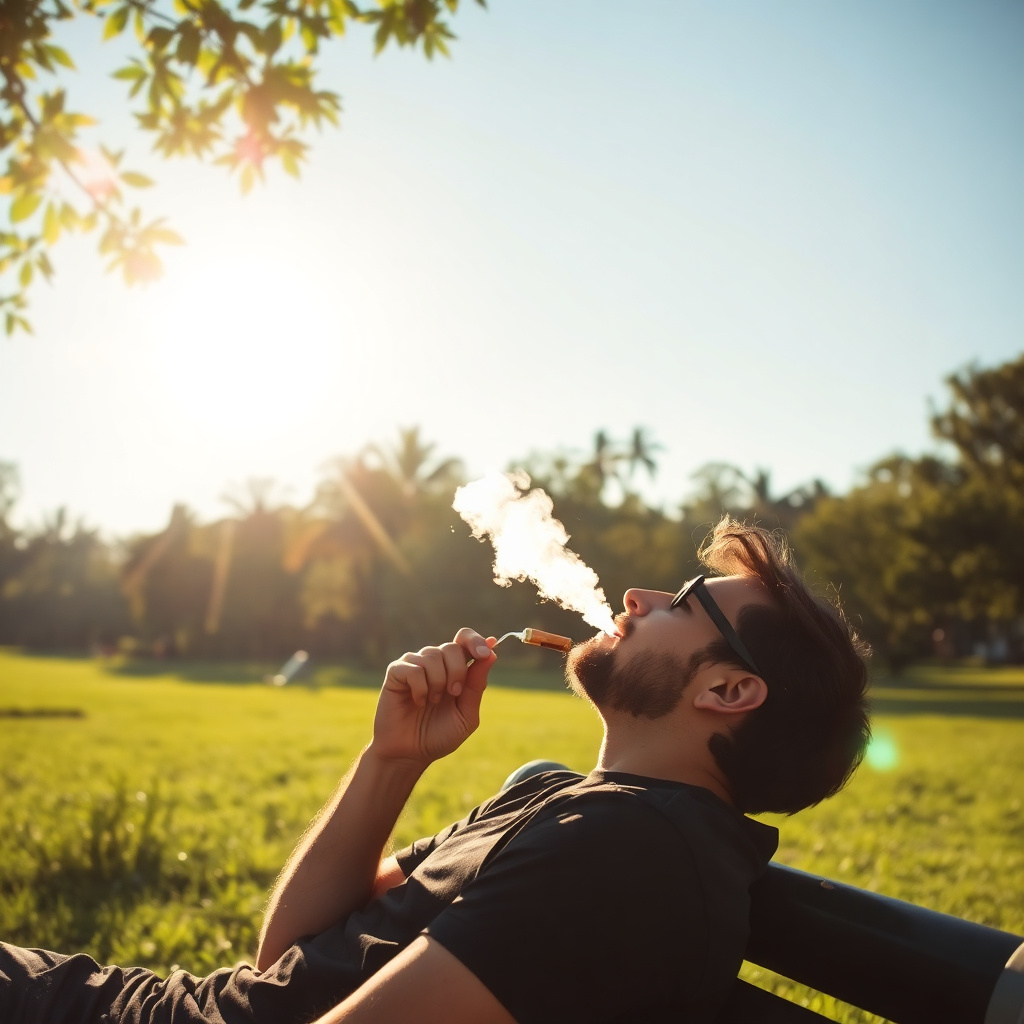
The key feature of recreational cannabis is its psychoactive compound tetrahydrocannabinol (THC), which affects the brain’s receptors. THC produces sensations of pleasure, altered sensory perception, and sometimes heightened creativity or introspection. These effects typically begin within minutes to an hour after consumption, varying by method.
Users commonly report feelings of relaxation, euphoria, and increased sociability after using recreational cannabis. However, responses can vary from calming effects to anxiety or paranoia, particularly with higher doses or in inexperienced individuals.
- Euphoria and mood elevation
- Altered perception of time and space
- Enhanced sensory experiences
- Potential anxiety in high doses
Differences Between Recreational and Medical Cannabis
Recreational cannabis is mainly for enjoyment and is regulated differently than medical cannabis, which is prescribed to treat conditions such as chronic pain, epilepsy, or nausea. Medical strains may have different cannabinoid profiles, like higher cannabidiol (CBD) content, which modulates THC's effects and provides therapeutic benefits without strong psychoactivity.
In jurisdictions where both are legal, recreational cannabis users usually purchase products with higher THC concentrations, while medical users may access specific formulations with targeted cannabinoid ratios. This distinction influences cultivation, marketing, and consumption.
- Medical cannabis often tailored for symptom relief
- Recreational cannabis prioritizes psychoactive effects
- Varying cannabinoid and terpene profiles
- Different regulatory requirements
Common Methods of Consuming Recreational Cannabis
Smoking and Vaping Recreational Cannabis
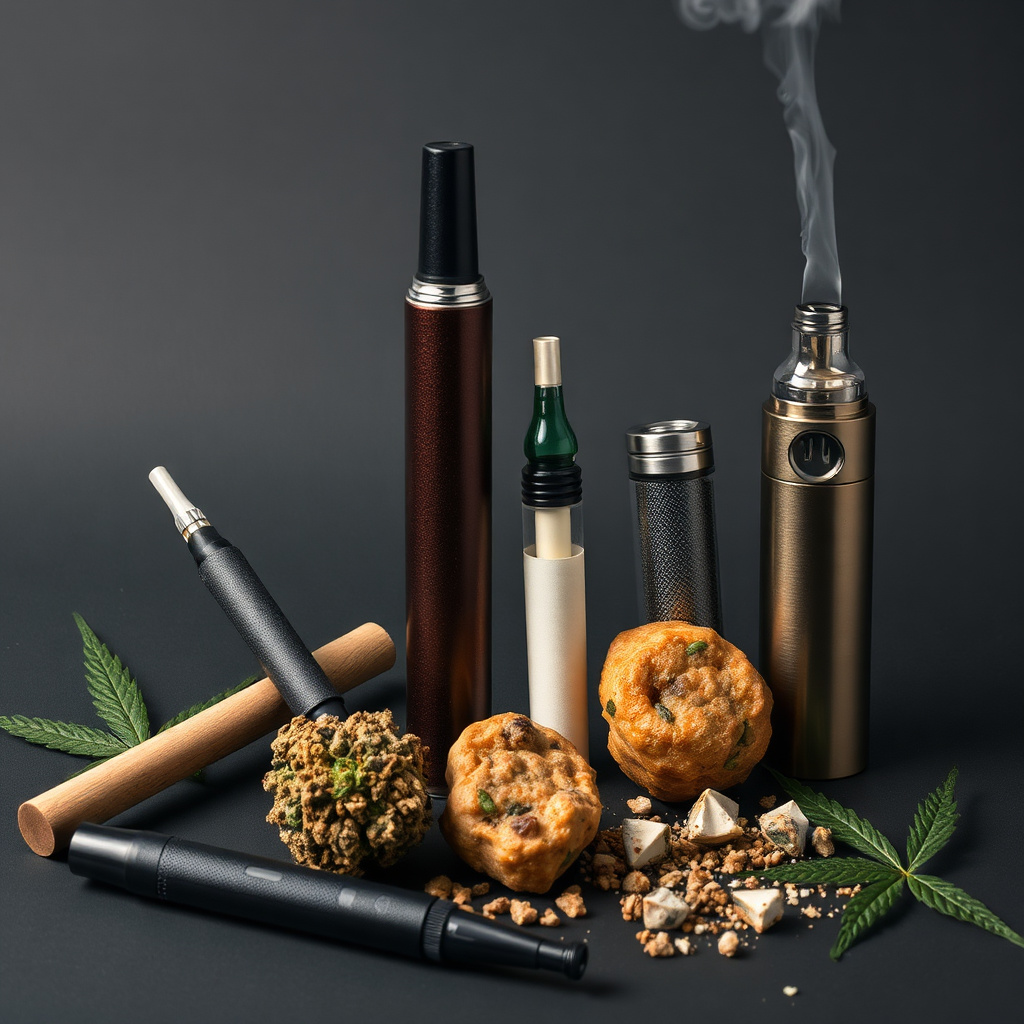
Smoking remains the most common method for consuming recreational cannabis. Users roll dried cannabis flowers into joints or use pipes and bongs. This method delivers THC rapidly to the bloodstream through the lungs, producing quick effects that peak within minutes.
Vaping cannabis concentrates or flower has gained popularity due to perceived health benefits from reduced combustion. Vaporizers heat cannabis to release cannabinoids without smoke, often resulting in smoother inhalation and less odor.
- Immediate onset of effects (within minutes)
- Easier to dose intermittently
- Risks linked to inhaling combusted materials
Edibles and Other Alternative Methods
Edibles are cannabis-infused foods or beverages that provide a longer-lasting and often more intense high compared to smoking. Onset is slower, typically taking 30 minutes to 2 hours to feel effects because THC is absorbed through the digestive system.
Other methods include tinctures, capsules, and topical applications. While topicals generally don’t induce psychoactive effects, tinctures and capsules offer controlled dosing options favored by some recreational users.
- Delayed onset and longer duration
- Dosing requires patience and caution
- Variety of product forms available
Legal Status and Regulation of Recreational Cannabis
Countries and States Where Recreational Cannabis Is Legal
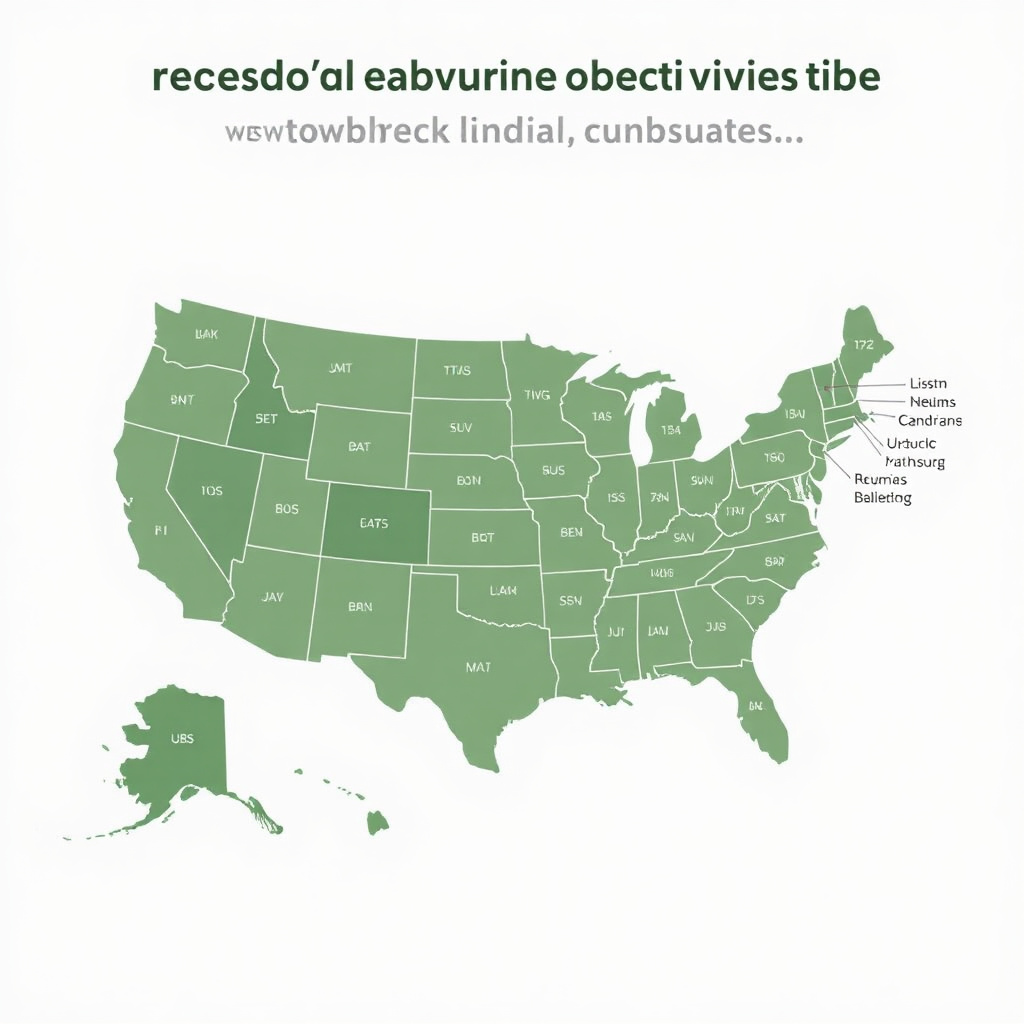
As of recent years, several countries such as Canada and Uruguay, along with multiple U.S. states including California and Colorado, have legalized recreational cannabis for adults. These laws typically include age restrictions, possession limits, and licensing for businesses.
The pace of legalization varies globally, often influenced by social attitudes and government policies. Where legalized, recreational cannabis is subject to quality controls and taxation, generating significant public revenue streams.
- Canada legalized nationally in 2018
- Multiple U.S. states with varying laws
- South American legalization examples
- Ongoing debates in many jurisdictions
For more on this, see our related guide: Are Cannabis Seeds Legal in the USA? Understanding the Legal Landscape.
Regulations Affecting Recreational Cannabis Users
Legal recreational cannabis markets impose regulations to ensure responsible use. Common rules include prohibiting sales to minors, limits on possession weight, restrictions on public consumption, and controls on product potency and packaging.
Understanding these regulations helps users avoid penalties and maintain safe consumption habits. Regulations also impact where and how users can purchase cannabis and what products are available legally.
- Age limits typically 18 or 21+
- Possession limits often measured in grams
- Restrictions on public smoking or vaping
- Product testing requirements for safety
Health and Safety Considerations for Recreational Cannabis
Potential Risks Associated with Recreational Cannabis Use
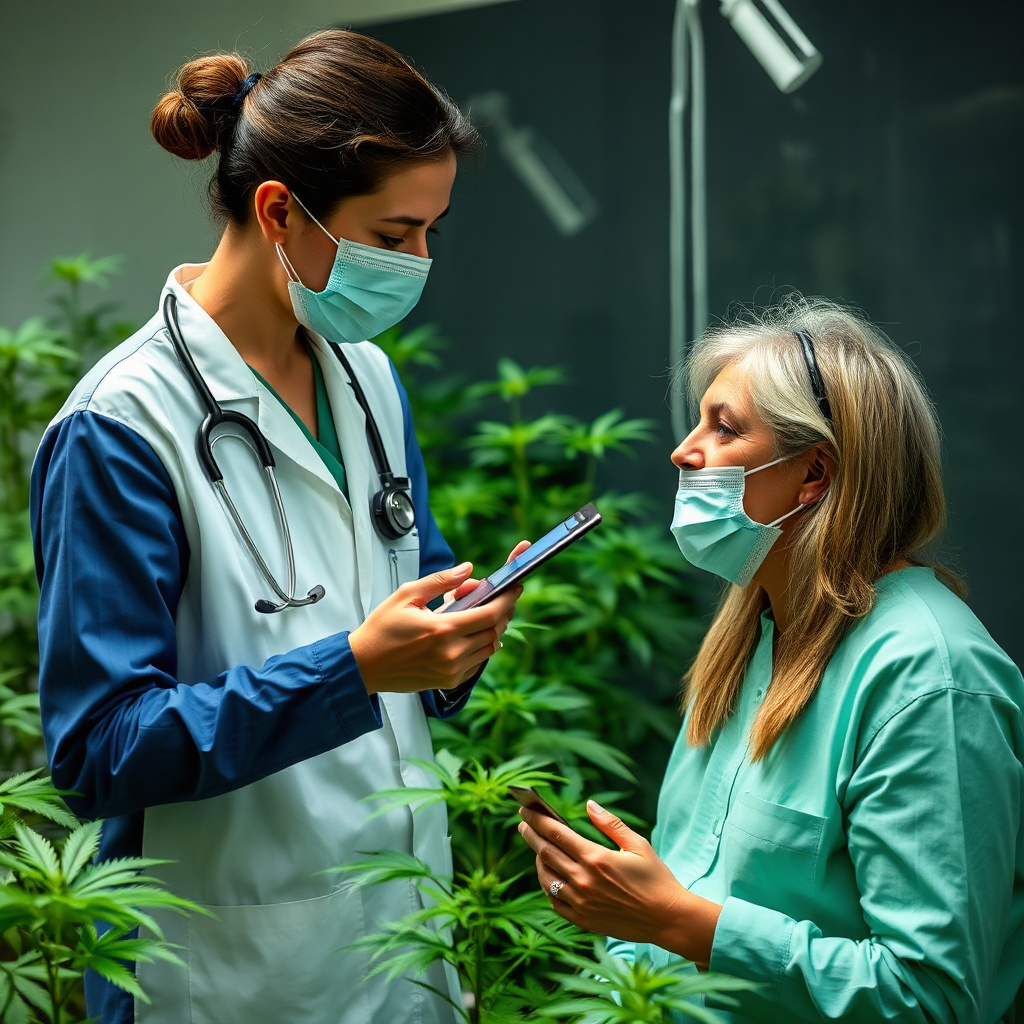
While many users experience positive effects, recreational cannabis can pose risks such as impaired motor coordination, cognitive effects, and psychological distress. Smoking cannabis also carries respiratory risks similar to tobacco due to combustion byproducts.
Risk increases with factors like frequent heavy use, starting at a young age, or pre-existing mental health conditions. Awareness of these risks helps users make informed choices.
- Possible short-term memory impairment
- Risk of anxiety or paranoia episodes
- Impact on driving and operating machinery
- Respiratory risks from smoking
Strategies for Safer Use and Responsible Consumption
To minimize harm, users should start with low doses, especially when trying new products, and avoid mixing cannabis with alcohol or other substances. Consuming in safe environments and avoiding driving while impaired are essential safety practices.
Choosing products from legal sources ensures quality and consistent potency, reducing exposure to contaminants. Educating oneself about product types and effects supports more controlled and enjoyable experiences.
- Start with small amounts and gauge effects
- Use in safe, familiar settings
- Buy from licensed dispensaries
- Avoid driving or machinery while intoxicated
Choosing Recreational Cannabis Products Wisely
Understanding Cannabis Potency and Strain Types
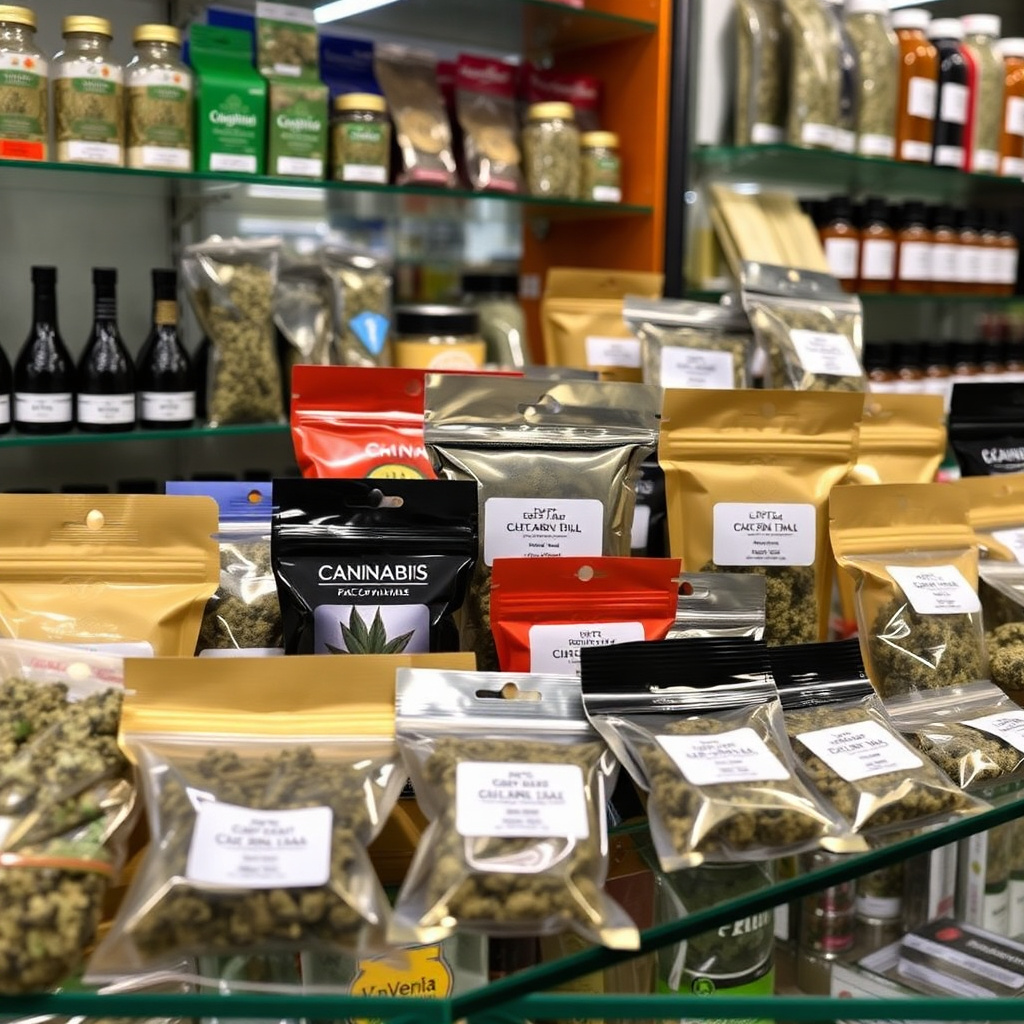
Recreational cannabis products vary widely in THC concentration and strain characteristics classified as sativa, indica, or hybrids. Sativa strains tend to be more energizing, whereas indica strains may promote relaxation and sedation.
Potency impacts the intensity and duration of effects, with many recreational users preferring moderate THC levels to balance enjoyment and control. Awareness of these differences guides product selection based on desired effects.
- Sativa: uplifting and stimulating
- Indica: calming and sedating
- Hybrids: combinations of traits
- THC content ranges from 10% to 30% or more
For more on this, see our related guide: Cannabis Cultivation Laws by State: What You Need to Know in 2024.
Evaluating Forms: Flower, Concentrates, and Edibles
Flower is the traditional form and offers familiar experience and dosing flexibility. Concentrates like wax or shatter provide highly potent options for experienced users. Edibles offer discreet, longer-lasting effects but require patience and dose control.
Choosing between forms depends on preferences for onset speed, dosage control, and occasion. Recreational users often experiment cautiously to find what suits their needs best.
- Flower: versatile and easy to dose
- Concentrates: high potency, rapid effects
- Edibles: delayed onset, long-lasting
- Tinctures and capsules: discreet, easy use
Social and Cultural Aspects of Recreational Cannabis
The Role of Recreational Cannabis in Society Today
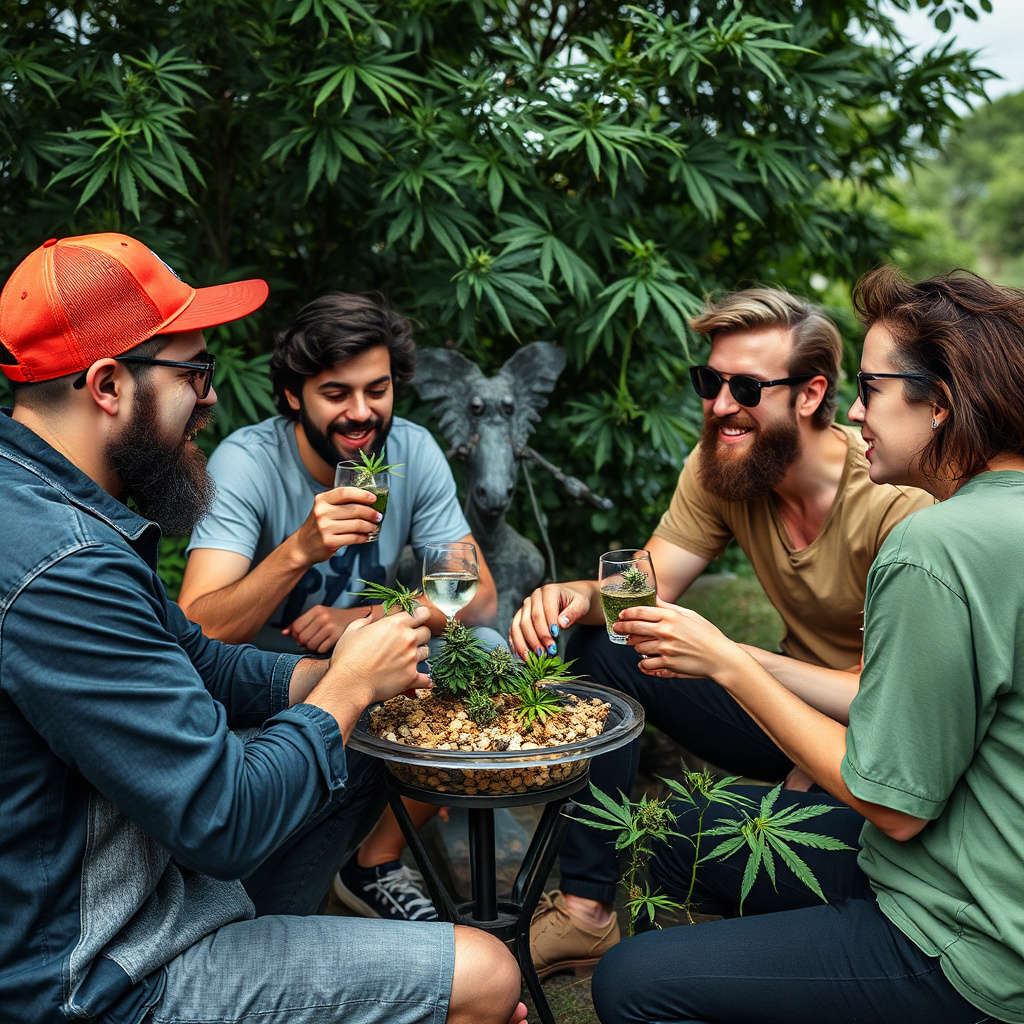
Recreational cannabis has become part of mainstream culture in regions where it is legal, influencing social norms and public events. Festivals, cannabis lounges, and social clubs have emerged as communal spaces for users to enjoy cannabis responsibly.
This normalization has fostered dialogues on drug policy reform, social equity, and economic benefits, while also highlighting the need for public education regarding safe use.
For a detailed overview of recreational cannabis laws and history, visit Recreational cannabis on Wikipedia. Recreational cannabis on Wikipedia.
Etiquette and Responsible Use in Social Contexts
Using recreational cannabis socially often involves etiquette similar to sharing other substances, including asking permission before offering, respecting others’ boundaries, and knowing the legal context of the gathering location.
Responsible social use promotes inclusive, positive experiences and reduces stigma or legal risks for participants. Open communication and moderation are key elements.
- Ask before sharing cannabis products
- Be mindful of others’ comfort levels
- Follow legal age and consumption rules
- Avoid driving after consumption
Recreational Cannabis Product Category Comparison
The following table compares various recreational cannabis product categories based on potency, onset time, duration, and typical user experience.
| Category | Typical THC Content | Onset Time | Duration | Ease of Dosing |
|---|---|---|---|---|
| Flower (Smoked/Vaped) | 10%-25% | Minutes | 1-3 hours | Moderate |
| Edibles | 5-50 mg THC per serving | 30-120 minutes | 4-8+ hours | Difficult (delayed effects) |
| Concentrates | 50%-90%+ | Seconds to minutes | 1-3 hours | Challenging (very potent) |
| Tinctures | Variable, often 5-30 mg THC per dose | 15-45 minutes | 2-6 hours | Easy |
| Capsules | Variable, often 5-30 mg THC per pill | 30-90 minutes | 4-8 hours | Easy |
Frequently Asked Questions
Is recreational cannabis the same as medical cannabis?
Recreational cannabis is used for enjoyment and psychoactive effects, while medical cannabis is prescribed to treat health conditions and often contains different cannabinoid ratios focused on therapeutic benefits.
What are the common consumption methods for recreational cannabis?
Popular methods include smoking, vaping, edibles, tinctures, and capsules, each offering different onset times, durations, and intensity of effects.
Is recreational cannabis legal everywhere?
No, recreational cannabis is legal only in certain countries and states with specific laws regulating its use, sale, and possession. Users must familiarize themselves with local regulations to stay compliant.
What are some risks associated with recreational cannabis use?
Risks include impaired coordination, possible anxiety, delayed reaction times, and respiratory issues related to smoking. Using responsibly and starting with low doses reduces risk.
How can I choose the right recreational cannabis product for me?
Consider your experience level, desired effects, method of consumption, and potency. Starting with moderate THC levels and legally sourced products helps ensure safety and enjoyment.
Key Takeaways
- Recreational cannabis is used mainly for enjoyment and produces psychoactive effects due to THC.
- Legal recreational marijuana laws vary widely by location, with restrictions on age, possession, and consumption.
- Consumption methods influence the onset, intensity, and duration of effects; common forms include smoking and edibles.
- Using cannabis responsibly and understanding product types helps reduce risks and enhances user experience.
Conclusion
Choosing to use recreational cannabis requires understanding its defining characteristics, effects, and how legal frameworks shape availability and use. Recognizing the psychoactive nature of THC and distinctions from medical cannabis aids in making informed decisions. Evaluating consumption options and legal restrictions can help users navigate the diversity in recreational cannabis responsibly.
For those interested in experimenting or continuing use, starting with familiar forms like flower or low-dose edibles is advisable. States and countries with legal recreational cannabis, such as Canada or certain U.S. states, offer regulated products that adhere to safety standards. Users aiming for social enjoyment might prefer milder strains or vaporizers, whereas experienced consumers might explore concentrates with caution.
Ultimately, the best approach to recreational cannabis is one grounded in personal knowledge, respect for legal boundaries, and attention to safety and health considerations. Exploring products from licensed dispensaries and paying attention to dosage can lead to satisfying, responsible use. Consulting additional reliable sources can provide deeper insight into this evolving social and legal landscape.