Is It Legal to Own Cannabis Seeds? What You Need to Know
The legality of owning cannabis seeds depends heavily on the country or state where you live. In some regions, possessing cannabis seeds is legal even if germinating or cultivating them is restricted. Other places treat the seeds themselves as illegal, regardless of their intended use. Therefore, owning cannabis seeds can be legal or illegal based entirely on local laws.
Understanding the legal status of cannabis seeds matters because it affects what you can legally buy, sell, possess, or ship, and may also determine potential criminal or civil penalties. Since laws can vary widely—even within countries—knowing the specifics of your location helps you avoid unintentional offenses and know your rights.
This article will cover the legal landscape of owning cannabis seeds, including variations between countries and U.S. states, the difference between possession and cultivation laws, and practical guidance for those interested in cannabis seeds. It will help clarify common misconceptions and provide up-to-date regulatory details.
Legal Status of Owning Cannabis Seeds in Different Countries
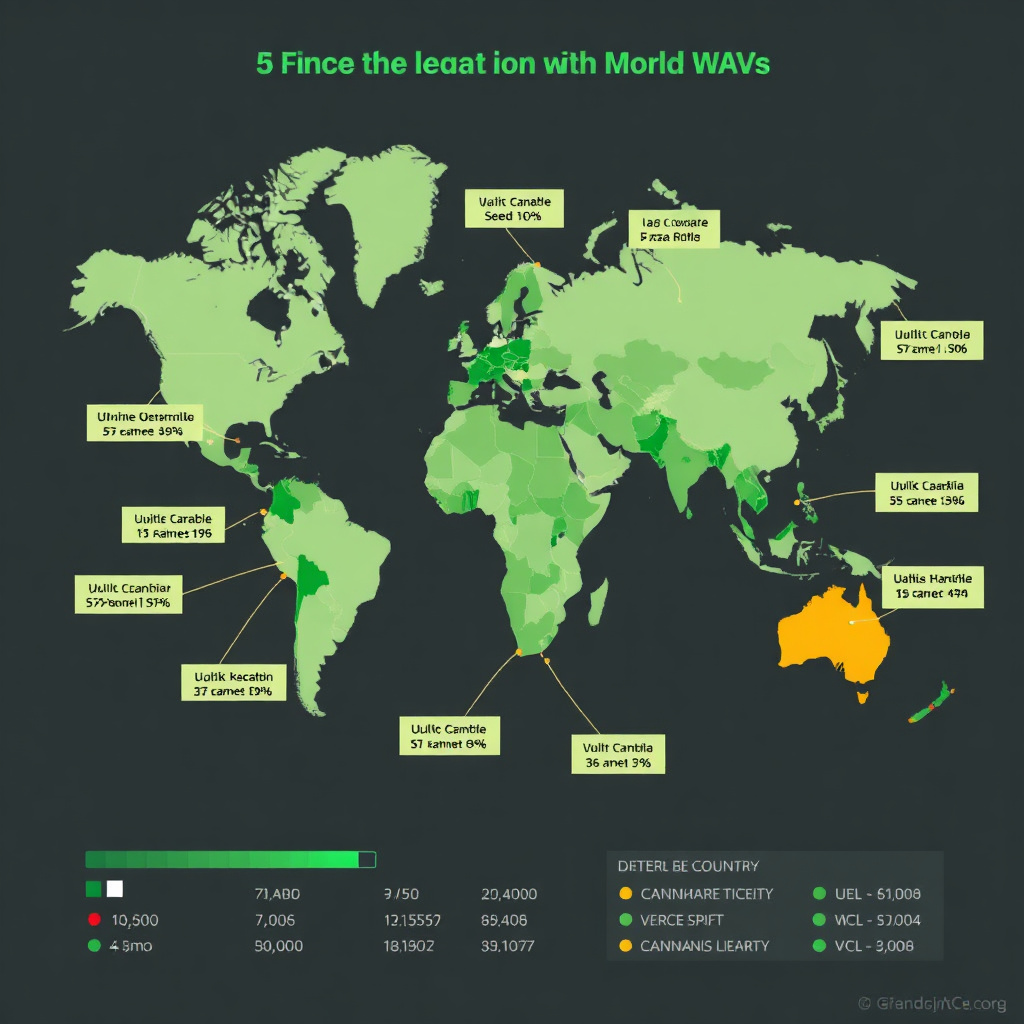
Countries Where Possession of Cannabis Seeds Is Legal
In some countries such as the Netherlands, Spain, and Canada, owning cannabis seeds is legal under certain conditions. For example, in Canada, seeds can be legally purchased and possessed by those of legal age, while cultivation requires adherence to specific regulations.
European countries like Spain allow private possession of cannabis seeds, often linked to personal use or cultivation in private spaces. However, regulations vary, and public sale or transport to other jurisdictions may be restricted.
Countries With Strict Restrictions or Prohibitions
Many countries maintain strict prohibitions on cannabis seeds, considering them controlled substances. For instance, in many Asian and Middle Eastern countries, possession of cannabis seeds is treated similarly to possession of the plant itself, often with harsh penalties.
In the United States, federal law classifies cannabis seeds as illegal, but individual state laws vary widely. Some states allow seed possession and home cultivation, whereas others forbid any cannabis-related material.
Understanding Cannabis Seed Laws in the United States
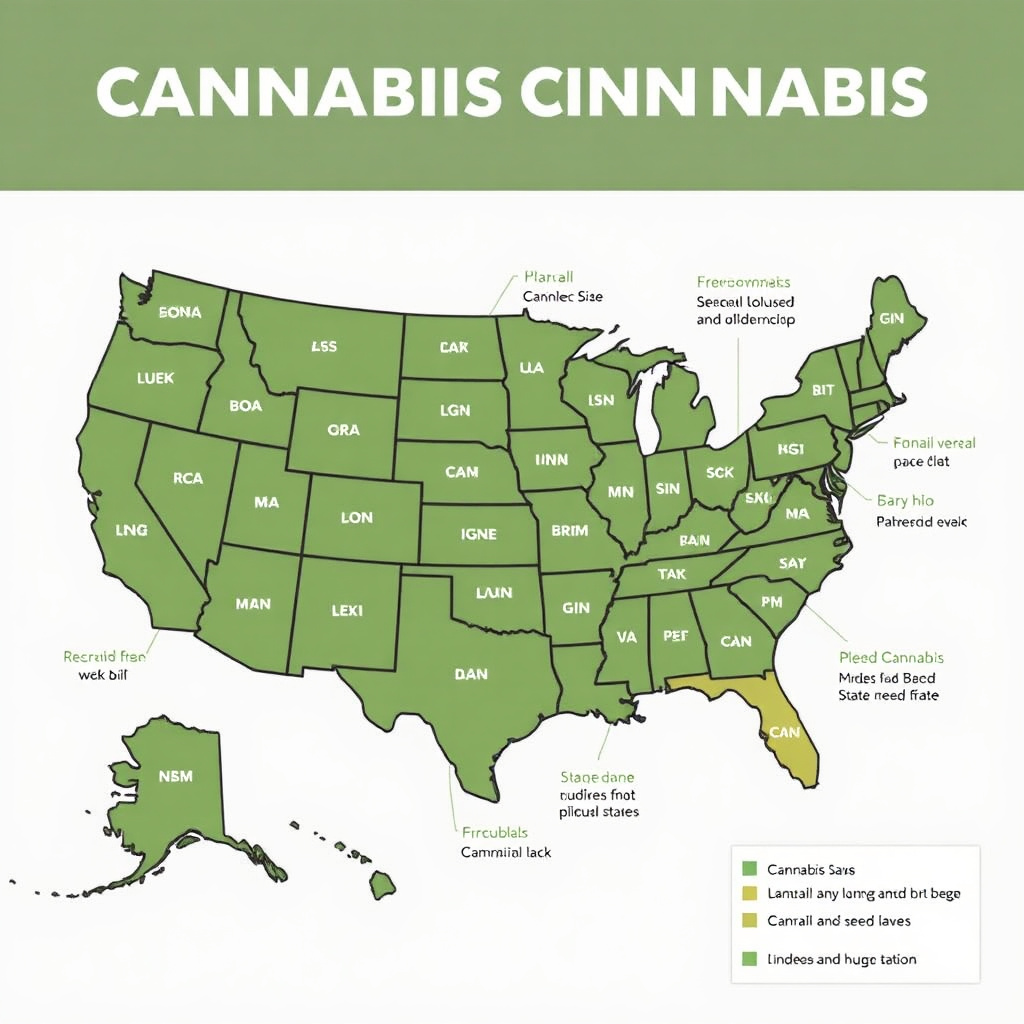
Federal Regulations on Cannabis Seeds
Under U.S. federal law, cannabis seeds are classified as Schedule I substances, making their possession, sale, or transport illegal. This classification applies regardless of intended use.
However, enforcement varies and federal authorities often deprioritize seed possession in states where cannabis is legalized. Still, crossing state lines with seeds remains illegal federally.
State-Level Variations and Legal Frameworks
Many states, including California, Oregon, and Colorado, have legalized recreational cannabis and allow legal purchase and possession of seeds for cultivation within state lines.
Contrastingly, some states maintain criminal penalties against seed possession even if medical marijuana is legal, reflecting the patchwork nature of cannabis seed laws in the U.S.
Distinguishing Seed Possession From Cultivation
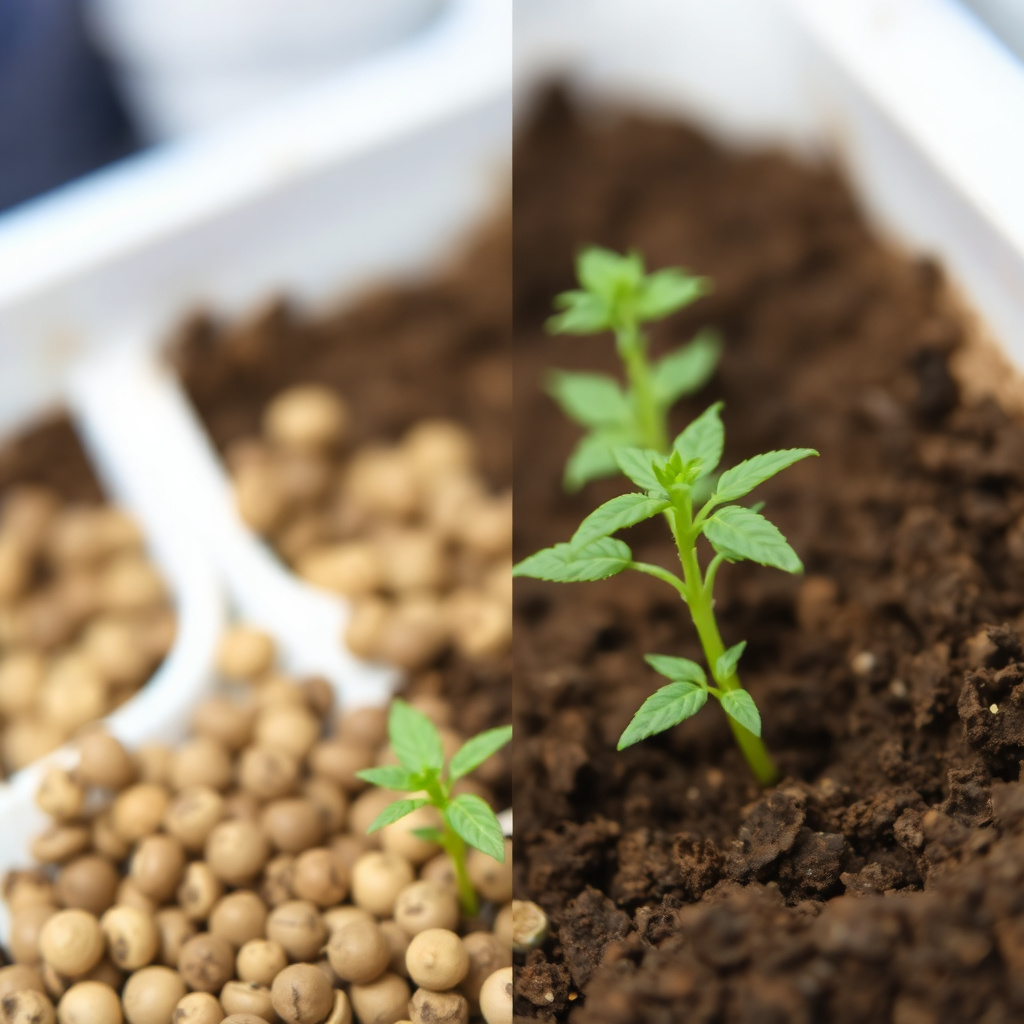
Possession of Cannabis Seeds
Possessing cannabis seeds can be legal or decriminalized in specific jurisdictions, especially where seeds are sold as collectors' items or souvenirs. Some laws treat seeds as inert objects unless germinated.
However, possession with the intent to cultivate in prohibited areas might be illegal, so context matters significantly in legal interpretation.
For more on this, see our related guide: Are Cannabis Seeds Legal in the USA? Understanding the Legal Landscape.
Cultivation Laws and Their Relation to Seed Ownership
Even where seed possession is allowed, systematic cultivation often requires licenses or is subject to strict limits.
Seed ownership without cultivation might not attract penalties, but germinating seeds or growing cannabis plants can trigger legal action in many locales.
Purchasing and Shipping Cannabis Seeds Legally
Buying Cannabis Seeds Online
Many seed banks operate internationally, selling cannabis seeds online where local laws permit ownership. Buyers should verify the seed laws in their country or state before ordering.
Some sellers ship seeds labeled as souvenirs or for collectors to avoid legal issues, but legal risks remain if seeds are shipped to jurisdictions prohibiting possession.
- Check local seed laws before ordering
- Use reputable vendors with clear legal policies
- Be aware of potential customs seizure or penalties
Shipping Restrictions and Legal Risks
Shipping cannabis seeds across borders can trigger legal violations under both sender and receiver laws, leading to confiscation or prosecution.
Many countries enforce customs inspections targeting cannabis products, so buyers should consider legal risks carefully even where seed possession is tolerated locally.
Common Misconceptions About Cannabis Seed Legality
Seeds Are Always Legal Because They Are Not the Plant
A frequent misconception is that owning seeds is automatically legal since they are not mature cannabis plants. However, many laws explicitly regulate seeds as controlled substances.
The legal distinction depends on jurisdictional interpretations, so seeds may be illegal even if plants are not cultivated or germinated.
For more on this, see our related guide: Cannabis Cultivation Laws by State: What You Need to Know in 2024.
Buying Seeds Online Guarantees Legality
Purchasing cannabis seeds online does not guarantee legal possession locally. Buyers must review local legislation since imported seeds can violate customs or criminal statutes.
Retailers disclaiming responsibility does not exempt buyers from local laws, which remain the ultimate authority on legality.
Future Trends in Cannabis Seed Legislation
Trends Toward Legalization and Decriminalization
Many regions are moving toward more permissive cannabis laws, including seed possession. Emerging legislative reforms often separate seed ownership from cultivation restrictions.
This trend may make seed ownership lawful in more places, facilitating access for medical and recreational users.
For more detailed information on the global legal landscape of cannabis seeds, refer to this comprehensive Wikipedia article on cannabis legality. Cannabis seed legality on Wikipedia.
Regulatory Challenges and Legal Uncertainties
Despite progress, regulatory gaps and inconsistent enforcement create ongoing legal uncertainties around cannabis seeds.
Legislators must balance public health, law enforcement, and economic interests, which complicates crafting clear seed possession laws.
Comparison of Cannabis Seed Laws by Region
This table compares cannabis seed possession laws across common regions to clarify legal differences.
| Region | Seed Possession Legal? | Cultivation Allowed? | Notable Restrictions |
|---|---|---|---|
| Canada | Yes | Yes with limits | Only adults 19+ can legally possess and cultivate seeds |
| Netherlands | Yes | Limited personal use | Seeds sold openly in licensed shops; large-scale cultivation banned |
| United States (California) | Yes | Yes | Adults 21+ can possess and cultivate; federal law prohibits |
| United States (Texas) | No | No | Both possession and cultivation illegal under state law |
| Japan | No | No | Zero tolerance; possession of seeds penalized severely |
| Spain | Yes | Limited | Private cultivation permitted; public sale/possession restricted |
Frequently Asked Questions
Are cannabis seeds considered illegal drugs?
Cannabis seeds are often regulated as controlled substances like the cannabis plant itself, depending on local laws. Some places consider seeds legal until germinated, while others treat them as illegal regardless.
Can I buy cannabis seeds online and ship them internationally?
While many online shops sell cannabis seeds, shipping internationally carries legal risks. Customs may seize seeds, and possession may be illegal in the receiving location.
Is it legal to grow cannabis from seeds if seed ownership is legal?
Not necessarily. Owning seeds might be legal where cultivation is still prohibited. Growing cannabis plants often requires separate licenses or permissions under local laws.
Do laws differentiate between medical and recreational cannabis seeds?
Yes. Some jurisdictions allow medical patients to possess and grow cannabis seeds with fewer restrictions than recreational users. The specifics depend on the legal framework.
How can I verify the legality of cannabis seeds in my area?
Consult your local government’s official resources or legal experts for accurate, up-to-date information on cannabis seed laws specific to your location.
Key Takeaways
- The legality of owning cannabis seeds varies widely across countries and states.
- In some places, possession is legal but cultivation remains restricted or prohibited.
- Online purchase and shipping of seeds involve legal risks depending on jurisdiction.
- Understanding local cannabis seed laws helps avoid fines or legal trouble.
Conclusion
Determining whether it is legal to own cannabis seeds hinges on local, regional, and national statutes that differ significantly. Since some areas permit possessing seeds as collector’s items or for legal cultivation, while others prohibit them outright, informed decisions depend on thorough research into your specific location’s regulations. Knowing these nuances enables individuals to act within the law and avoid unintended criminal liability.
For those contemplating cannabis seed ownership, understanding the relationship between seed possession and cultivation rights is essential. States like California offer legal frameworks allowing both limited seed ownership and home growing, whereas other states maintain strict prohibitions. Internationally, countries such as Canada and the Netherlands provide relatively liberal allowances for seeds. Navigating this patchwork requires clear knowledge of applicable laws to ensure compliance.
If you are interested in acquiring cannabis seeds, start by contacting local regulatory agencies or consulting legal professionals familiar with cannabis laws where you reside. Avoid importing seeds without knowing customs restrictions, and stay informed about evolving legislation that may affect legality. Being proactive safeguards your rights and promotes responsible cannabis use within the bounds of existing laws.