How to Get Rid of Fungus Gnats: Effective Strategies That Work
Fungus gnats can quickly infest plant soil and become a persistent nuisance indoors. The most effective way to get rid of fungus gnats is to combine moisture management, physical traps, and biological controls. Reducing excess water in plant soil and using sticky traps can disrupt the adult population, while introducing beneficial nematodes or Bacillus thuringiensis israelensis targets the larvae underground.
These small flies often thrive in overly wet environments because their larvae feed on fungi and decaying organic matter in soil. Once their population grows, they not only disturb plants but also become a fly annoyance indoors. Addressing fungus gnat infestations is vital for protecting both your indoor plants and your living space.
This article will walk through the causes of fungus gnats, how to identify them, and comprehensive ways to get rid of fungus gnats effectively. You'll learn about prevention techniques, natural remedies, and chemical options, plus recommendations for specific scenarios.
Understanding Fungus Gnats and Their Habits

Identifying Fungus Gnats
Fungus gnats are tiny, dark-colored flies about 2-5 mm long, often mistaken for fruit flies. Their slender bodies and long legs distinguish them from other small insects. You’ll typically notice adults swarming near moist soil or on plant leaves.
Larvae reside in the top layers of moist soil and have translucent, worm-like bodies with a shiny black head capsule. These larvae feed on fungi and decaying plant matter, which can damage roots and stunt plant growth.
Why Fungus Gnats Infest Houseplants
Fungus gnats thrive in damp soils where organic material offers breeding grounds. Overwatering and poor drainage give an ideal environment for their eggs to hatch and larvae to feed.
Plants that are watered too frequently without allowing soil to dry out create a perfect habitat. Additionally, using soil mixes rich in organic components can increase fungus gnat attraction.
Effective Fungus Gnat Control Methods

Moisture Control and Soil Management
One of the cornerstones to get rid of fungus gnats is adjusting watering habits. Allow the soil surface to dry out between waterings, reducing the moisture that larvae need for survival.
Improving drainage by adding sand or perlite to potting mixes helps prevent water retention. Repotting plants with fresh soil can remove infested material and break the life cycle.
- Avoid watering on a fixed schedule—check soil moisture first
- Use well-draining pots with holes
- Remove dead leaves and debris on soil surface
Using Sticky Traps and Physical Barriers
Yellow sticky traps are highly effective in capturing adult fungus gnats, interrupting their breeding cycle. Placing these traps near plants helps reduce the flying adult population quickly.
Covering soil with a thin layer of sand or decorative gravel can prevent adults from laying eggs in the moist soil. This also helps soil dry faster by reducing moisture evaporation.
- Place multiple traps around infested plants
- Replace sticky traps regularly for maximum efficiency
Biological and Natural Fungus Gnat Remedies
Beneficial Nematodes and Bacterial Solutions
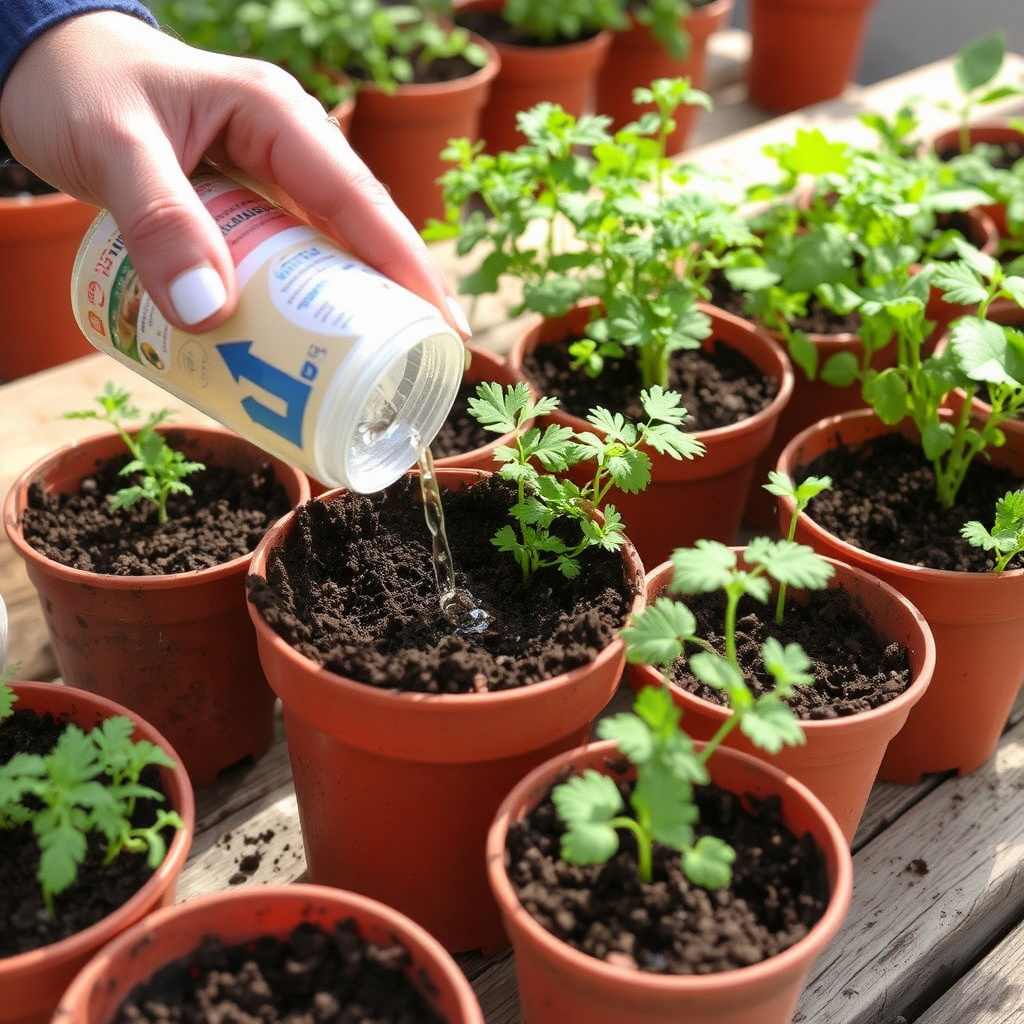
Beneficial nematodes (Steinernema feltiae) are microscopic roundworms that target fungus gnat larvae in the soil, killing them without harming plants or humans. They offer a natural bio-control method.
Similarly, Bacillus thuringiensis israelensis (Bti) is a bacterium used in commercial larvicides that specifically targets larvae. Applying these treatments to soil water baths can drastically reduce gnat larvae.
- Follow product instructions for application frequency
- Ensure soil remains moist temporarily for nematode survival
For more on this, see our related guide: Cannabis Growing Guide for Beginners: How to Start Cultivating Your Own Plants.
Home Remedies That Help Reduce Fungus Gnats
Some gardeners use diluted hydrogen peroxide (3%) to water plants, which can kill larvae and disinfect soil without harming plant roots when used properly.
Cinnamon powder sprinkled on the soil surface serves as a natural fungicide, limiting fungal growth that larvae feed on, which reduces their food source.
- Use hydrogen peroxide solution: 1 part peroxide to 4 parts water
- Sprinkle cinnamon lightly but regularly on soil top
Chemical Treatments for Fungus Gnats
Insecticidal Soaps and Sprays
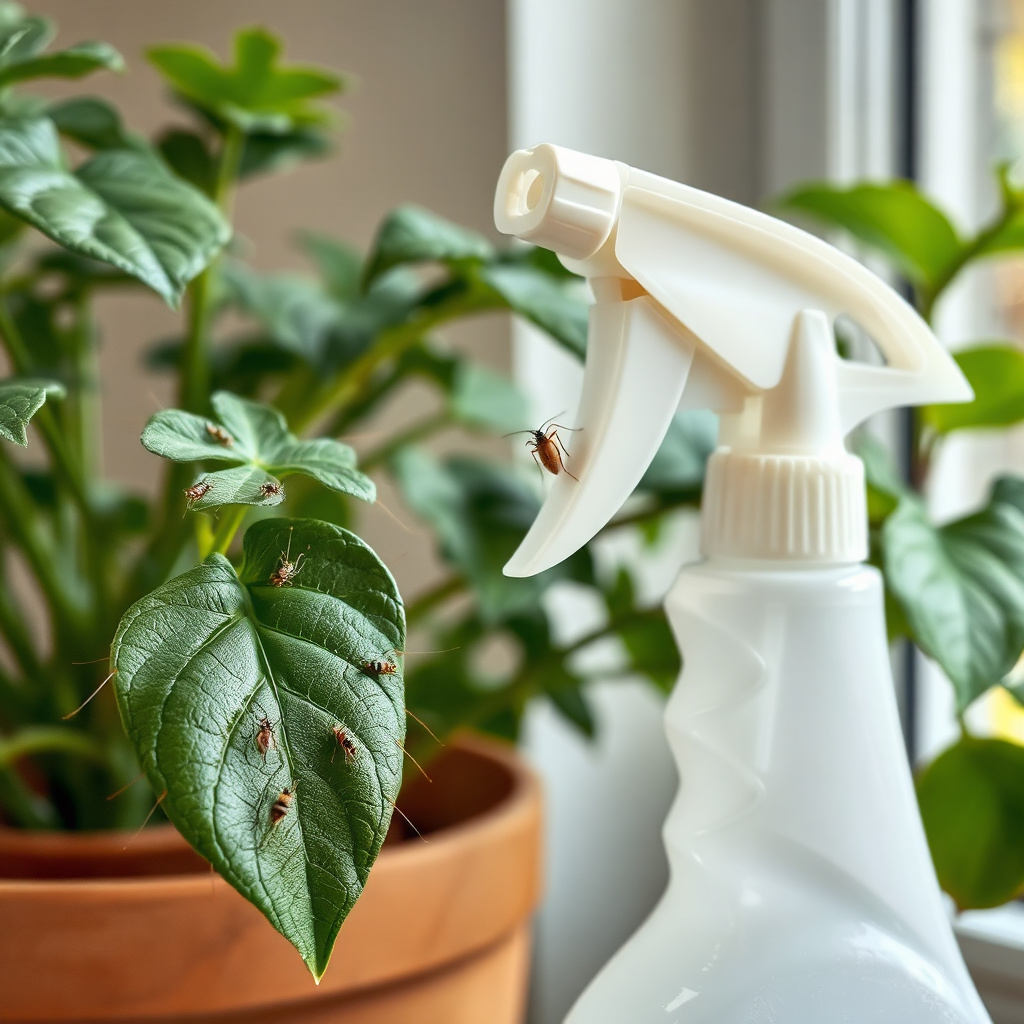
Insecticidal soaps are a safer chemical option that can kill adult gnats on contact without harsh residues. These sprays are often safe for indoor use but may require repeat application for full effectiveness.
Pyrethrin-based sprays target both adult gnats and larvae but should be used sparingly indoors, following all safety guidelines carefully.
- Test sprays on a small plant area first
- Use in well-ventilated areas to avoid inhalation
Insect Growth Regulators and Soil Drenches
Insect growth regulators (IGRs) interfere with larval development, preventing fungus gnats from reaching adulthood. Applying IGR products as soil drenches can gradually reduce populations.
Chemical drenches containing imidacloprid are effective but should be a last resort due to potential toxicity and impact on beneficial insects.
- Avoid overusing chemicals to protect beneficial microbes
- Always read label directions carefully
Preventing Fungus Gnat Infestations Long-Term
Soil and Watering Best Practices
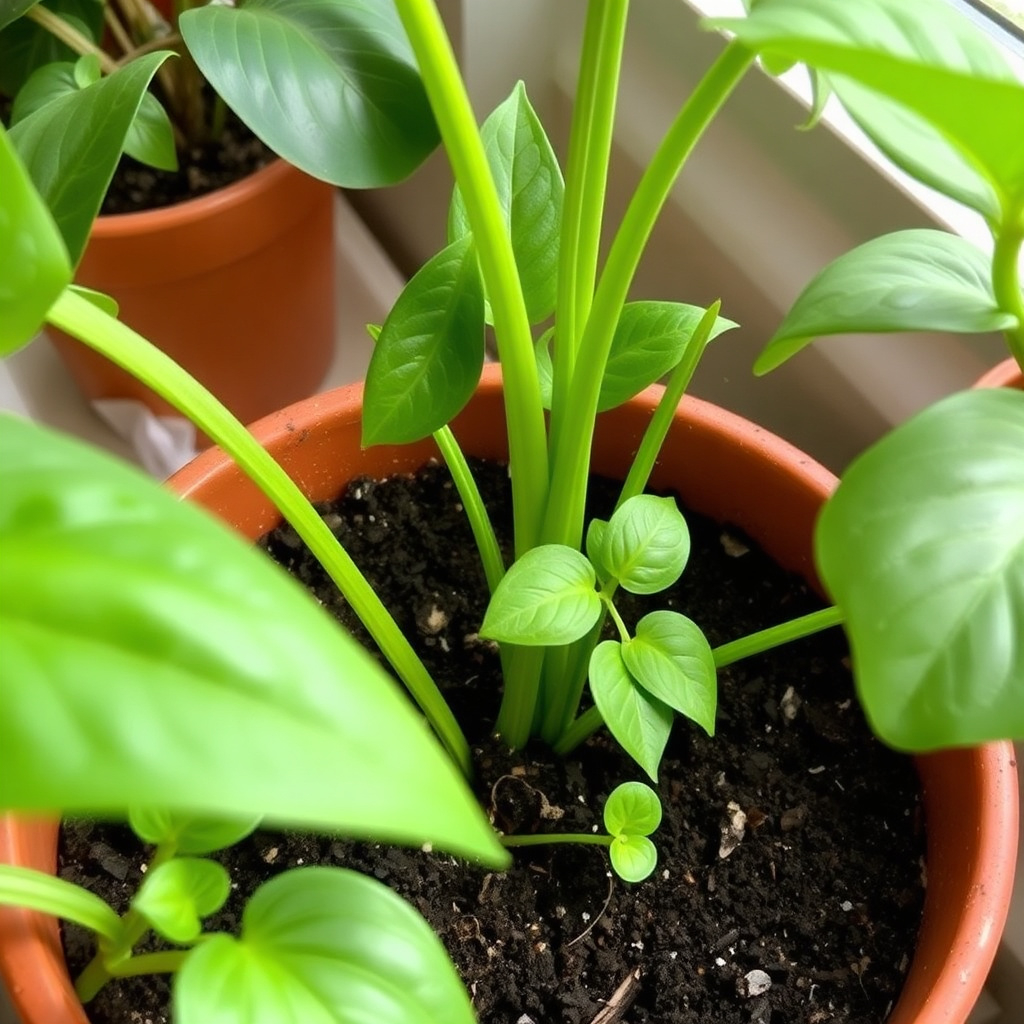
Regularly allow potting soil to dry on top between watering sessions, creating an environment less favorable for fungus gnat reproduction.
Using sterile or pre-pasteurized potting soil reduces the chances of introducing gnat eggs or larvae. Repot older plants every 1-2 years to refresh soil.
- Water plants only when necessary based on soil moisture
- Choose soil mixes with less organic debris
For more on this, see our related guide: Do You Germinate Avocado Seeds in 5 Simple Steps?.
Household Hygiene and Monitoring
Clean plant containers, remove fallen leaves, and avoid excess organic debris accumulation to deny fungus gnats their breeding grounds.
Regularly inspect plants and use sticky traps preemptively to catch any early signs of fungus gnat activity.
- Wipe down pots and saucers regularly
- Dispose of infested soil properly
Choosing the Best Treatment Based on Situation

Minor Infestations and Early Intervention
If you spot just a few adult fungus gnats, start with moisture control and sticky traps before applying biological or chemical treatments.
Early removal of decaying plant matter and light surface soil treatment can stop infestations from growing quickly.
- Monitor plants closely over weeks
- Combine traps with less frequent watering
For detailed scientific information and management strategies, refer to fungus gnat resources provided by the University of California Agriculture and Natural Resources. Fungus gnat information from the University of California Agriculture and Natural Resources.
Severe Infestations and Advanced Control
For persistent or widespread fungus gnats, integrating biological controls such as nematodes and targeted insecticides may be necessary.
Repot heavily infested plants with fresh soil and consider using IGRs or specific larvicides to break the life cycle rapidly.
- Apply treatments in recommended doses
- Maintain good plant care practices afterwards
Fungus Gnat Control Methods Comparison
The following table compares common fungus gnat control methods considering effectiveness, safety, and cost.
| Control Method | Effectiveness | Safety for Indoor Use | Cost | Ease of Use |
|---|---|---|---|---|
| Moisture control & soil drying | High | Very safe | Free | Easy |
| Sticky traps | Moderate-High | Very safe | Low | Easy |
| Beneficial nematodes | High | Safe | Moderate | Moderate |
| Hydrogen peroxide soil drench | Moderate | Safe if diluted | Low | Easy |
| Insecticidal soap spray | Moderate | Moderately safe | Moderate | Moderate |
| Chemical insect growth regulators | High | Less safe | High | Moderate |
Frequently Asked Questions
Can fungus gnats harm my plants?
Yes, fungus gnat larvae feed on plant roots and fungi in the soil, which can damage roots, stunt growth, and make plants more susceptible to disease.
Are fungus gnats harmful to humans?
Fungus gnats do not bite or transmit disease and are mainly a nuisance for people, especially indoors around houseplants.
How quickly do fungus gnats reproduce?
Fungus gnats can lay hundreds of eggs in moist soil, with larvae hatching within a few days and adults emerging in about two weeks, allowing rapid population growth.
Is it safe to use beneficial nematodes indoors?
Yes, beneficial nematodes are safe for humans and pets and specifically target fungus gnat larvae without harming plants or beneficial soil organisms.
Will changing plant soil fix fungus gnat problems?
Repotting with fresh soil can help reduce fungus gnat larvae presence, but it must be combined with watering adjustments to avoid recurrence.
Key Takeaways
- Control soil moisture to disrupt fungus gnat breeding
- Use sticky traps to catch adult fungus gnats effectively
- Apply biological controls like nematodes for larval control
- Combine multiple methods for best long-term results
Conclusion
Deciding how to get rid of fungus gnats effectively requires understanding their life cycle and habitat preferences. Managing soil moisture is the strongest foundation since fungus gnats rely on damp environments. Integrating physical traps, biological controls, and sometimes chemical treatments creates a comprehensive approach that addresses different development stages and reduces their numbers progressively. This method balances safety, cost, and effectiveness, leading to lasting control.
For minor infestations, moisture adjustment combined with yellow sticky traps offers a practical and safe way to reduce adult fungus gnats quickly. When populations are larger or persistent, adding beneficial nematodes or bacterial larvicides targets the larvae directly in the soil, providing biological control without harmful chemicals. In severe cases, selective use of insect growth regulators or insecticidal soaps can help, but they should not replace proper watering habits and hygiene.
If you're struggling with fungus gnats, start by checking your plant watering routine and placing sticky traps. Monitor the infestation closely, and if problems persist, consider biological treatments to target larvae. Maintaining plant and soil health is the best way to keep these pests away over time. With consistent care and appropriate interventions, you can enjoy your houseplants without the nuisance of fungus gnats.