Is Cannabis Legal Federally? Understanding the Current Legal Landscape
Cannabis is not legal at the federal level in the United States. It remains classified as a Schedule I controlled substance under the Controlled Substances Act, meaning its manufacture, distribution, and possession are considered illegal by federal law despite various state-level legalizations.
This federal classification creates a complex legal environment because many states have legalized cannabis for medical or recreational use, allowing activities that remain in direct conflict with federal law. Understanding the federal stance is key for individuals, businesses, and policymakers navigating this conflicting landscape.
This article explores the history of federal cannabis laws, their current status, the tension between state and federal regulations, implications for users and businesses, and what future changes may be on the horizon as legal and social attitudes evolve.
History of Federal Cannabis Legality
Early Federal Cannabis Regulations
Federal regulation of cannabis began in the early 20th century with laws restricting its use and sale. The Marihuana Tax Act of 1937 was the first major federal law that effectively prohibited cannabis by imposing heavy taxes and licensing requirements.
This law marked the beginning of nationwide controls on cannabis, driven largely by social and political factors rather than scientific evidence, setting a precedent for its criminalization under federal authority.
Controlled Substances Act and Schedule I Classification
The Controlled Substances Act (CSA) of 1970 categorized drugs into schedules based on their potential for abuse and medical use. Cannabis was placed in Schedule I, indicating high abuse potential and no accepted medical use at the time.
This classification means that federally, cannabis is treated as a highly dangerous substance, on par with drugs like heroin, which has profoundly impacted research, enforcement, and the legal debate around cannabis.
State vs. Federal Cannabis Laws
State Legalization Trends
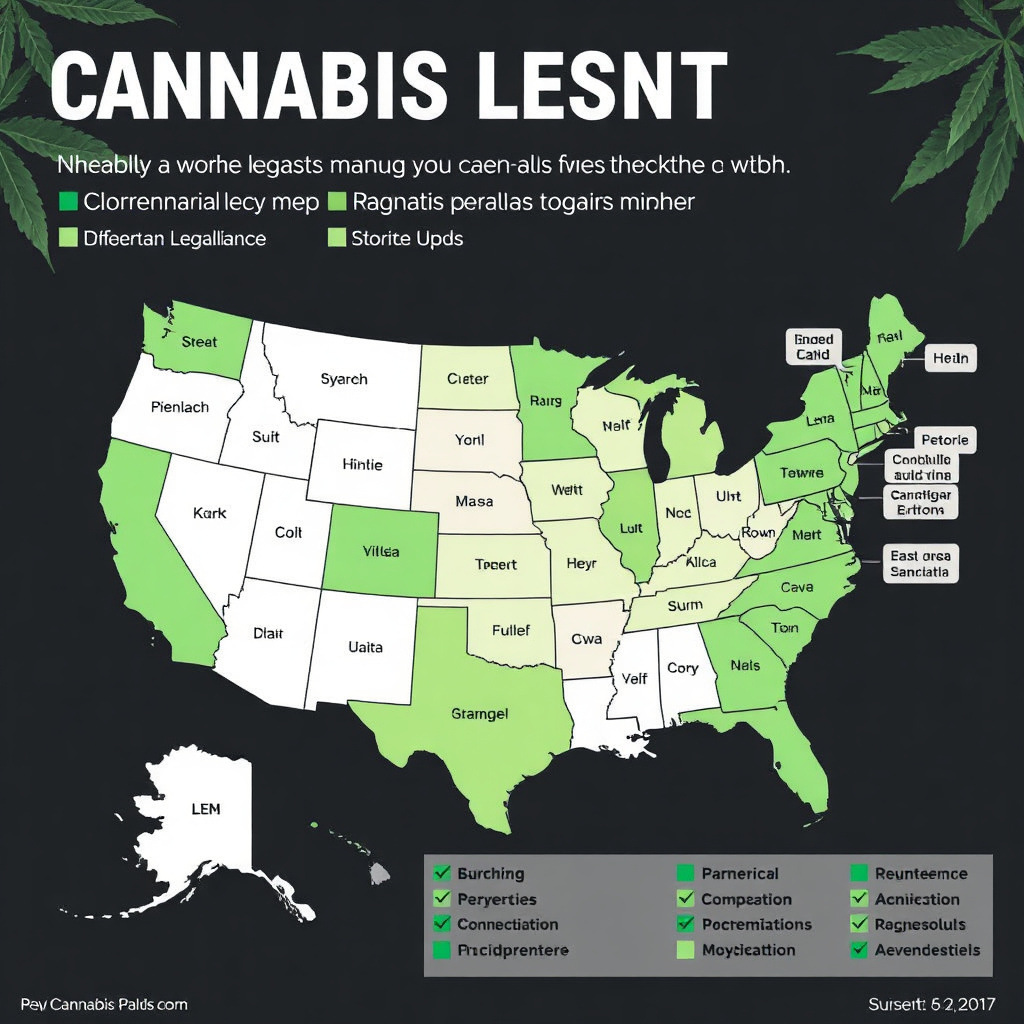
Numerous states have legalized cannabis for medical or recreational use, creating a patchwork of laws that vary widely. These state laws permit possession, sale, and cultivation under regulated conditions.
States like California, Colorado, and Illinois have robust legal frameworks, allowing commercial sales and personal use, reflecting changing public opinion and the growing cannabis industry.
For more on this, see our related guide: Are Cannabis Seeds Legal in the USA? Understanding the Legal Landscape.
Federal Enforcement Priorities
Despite state laws, federal authorities retain the power to enforce federal cannabis prohibition. However, enforcement has generally been limited or focused on specific cases such as distribution to minors or interstate trafficking.
Federal agencies often defer to state regulations unless there is a clear federal interest, but the threat of federal intervention remains, especially around banking and interstate commerce.
Implications of Federal Cannabis Laws
Challenges for Cannabis Businesses
Federal illegality restricts cannabis businesses from accessing traditional banking services, causing operational difficulties since many transactions must be cash-only to avoid federal sanctions.
This legal uncertainty also complicates taxation and compliance, with businesses facing higher costs and legal risks compared to industries fully recognized by federal law.
Impact on Medical Research and Patients
Schedule I status limits scientific research on cannabis by requiring strict federal approval and oversight, slowing progress in understanding therapeutic benefits and risks.
Patients in states with legal medical cannabis sometimes face issues with access or insurance coverage, as federal restrictions inhibit integration into mainstream healthcare.
Recent Developments and Legislative Efforts
Federal Bills Proposing Cannabis Reform
Multiple bills have been introduced in Congress aiming to change cannabis’s federal status, including removing it from Schedule I, allowing banking access, or setting federal legalization standards.
Notable examples include the MORE Act and the SAFE Banking Act, which have gained bipartisan support but face hurdles before becoming law.
Executive Branch and DOJ Guidance
The Department of Justice has issued memoranda outlining priorities that de-emphasize prosecuting cannabis offenses in states where it is legal, though these can change with different administrations.
Presidential administrations have varied in their approaches to federal cannabis enforcement, affecting how laws translate into practice on the ground.
What the Future Holds for Federal Cannabis Laws
Potential Legalization Scenarios
Experts foresee several paths including full federal legalization, rescheduling, or continued prohibition with incremental reforms. Public support and state successes increase pressure on Congress.
Legalization could standardize regulations, improve banking access, and expand research, but political and social divides remain significant barriers.
For a detailed overview of federal drug classifications including cannabis, see the Controlled Substances Act. Controlled Substances Act.
Navigating Ongoing Uncertainties
Until federal laws change, individuals and businesses must closely monitor evolving policies to manage risks and compliance.
Legal advice and advocacy efforts are crucial for those involved in cannabis, helping to anticipate changes and engage with the legislative process.
Federal vs State Cannabis Laws Category Comparison
This table compares federal and state cannabis laws across key factors to highlight their differences and impacts.
| Aspect | Federal Law | State Laws (Varies) |
|---|---|---|
| Legality | Illegal under CSA Schedule I | Medical/legal recreational in 38+ states |
| Enforcement | Possession and distribution prohibited | Generally legal within state regulations |
| Banking | No access to federal banking services | Some local banking solutions exist |
| Research | Highly restricted | More accessible in states with medical programs |
| Taxation | Limited deductions allowed | State taxes applied to sales and cultivation |
Frequently Asked Questions
Is cannabis legal federally in the United States?
No, cannabis remains illegal federally as a Schedule I controlled substance, despite many states allowing medical or recreational use.
Can federal law enforcement arrest users in states where cannabis is legal?
Federal authorities can enforce federal laws anywhere, but generally they focus on major trafficking or specific illegal activities rather than individual users following state law.
Does federal illegality affect cannabis business banking?
Yes, most cannabis businesses cannot use traditional banks due to federal restrictions, leading to cash-only operations and security risks.
Are there any federal efforts to legalize cannabis?
Yes, various bills like the MORE Act have been introduced to legalize or reform federal cannabis laws, but none are enacted as of now.
How does federal Schedule I status impact cannabis research?
Schedule I classification restricts access to cannabis for research, requiring special licenses and approvals that slow scientific progress.
Key Takeaways
- Cannabis remains federally illegal as a Schedule I substance in the U.S.
- Many states have legalized cannabis despite federal prohibition.
- Federal laws create challenges for businesses and research.
- Future federal reforms are under active discussion but uncertain.
Conclusion
Deciding how to understand cannabis legality requires separating state permissions from federal law. Currently, federal rules override states, meaning cannabis remains illegal federally despite widespread state-level legalization. This dual system results in variable enforcement and legal risks, especially for commercial operators and users crossing state lines. Approaching cannabis involves balancing these conflicting rules while monitoring legal developments closely.
Specifically, businesses face challenges such as lack of banking access and tax complications, while patients and researchers see limited integration and funding. States with comprehensive legalization programs have created evolving models for how cannabis commerce and use can be regulated safely and responsibly, but this remains at odds with federal policies. Key legislative proposals like the MORE Act could change this landscape if enacted, potentially legalizing cannabis federally and harmonizing laws nationwide.
Until broad federal reform occurs, the safest approach is to comply with state laws and remain informed about federal enforcement priorities. Seeking legal counsel and supporting advocacy for thoughtful reform can help individuals and businesses adapt to this complex environment. As attitudes and laws continue to change, staying engaged with credible information sources is essential for navigating cannabis legality in the U.S.