How to Fix Leggy Seedlings: Practical Tips to Grow Strong Plants
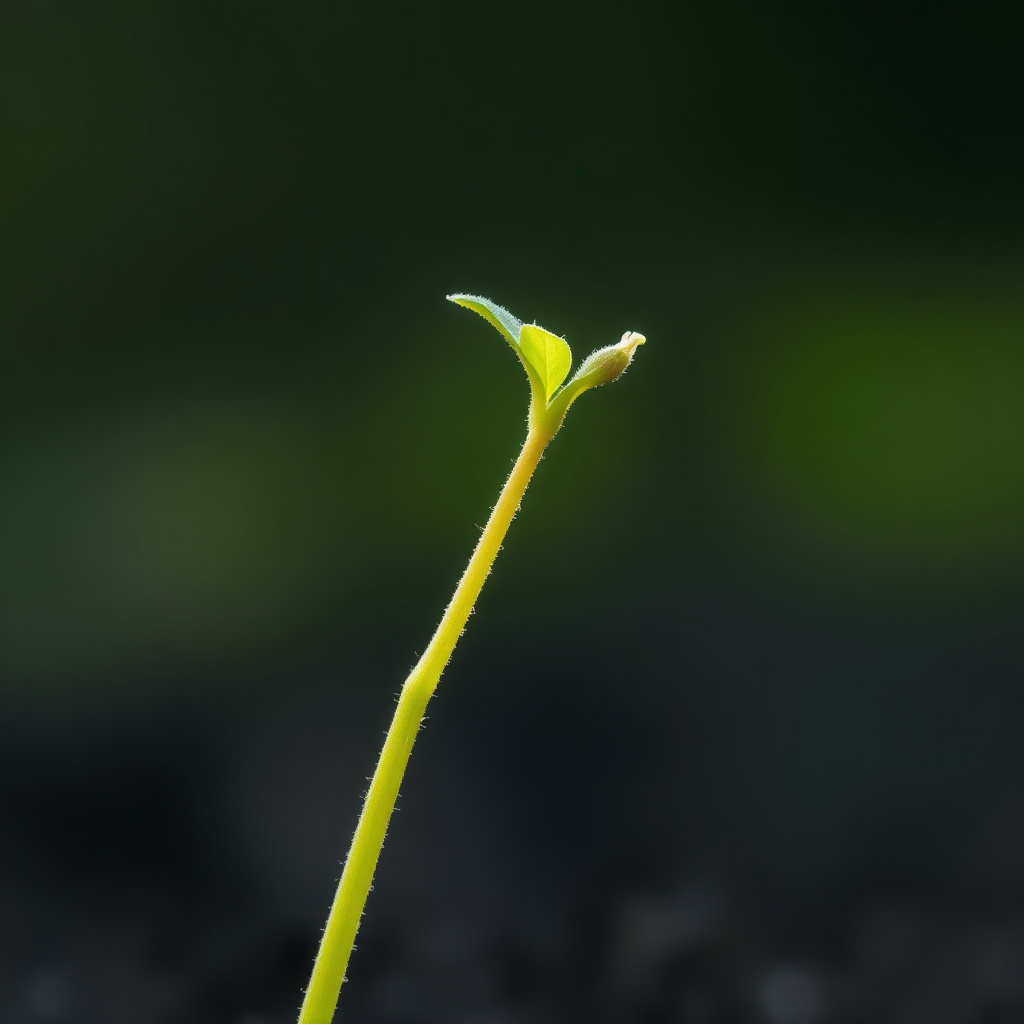
Leggy seedlings are those that grow tall and thin with weak stems, often struggling to support themselves as they develop. To fix leggy seedlings, you should improve light exposure, adjust watering, and consider transplanting techniques like burying the stem deeper to encourage sturdier growth. These steps quickly help seedlings develop stronger, thicker stems to support healthy growth.
This problem typically happens when seedlings don’t receive enough light or are too far from the light source, causing them to stretch toward the brightness. Improper watering and overcrowding can also contribute, making plants elongate excessively and become prone to damage or collapse. Fixing leggy seedlings matters because it directly influences their ability to thrive when transplanted outdoors or into bigger containers.
This article will cover the main causes of leggy seedlings, practical lighting and watering adjustments, effective transplanting and pruning techniques, and ways to prevent legginess in the future. Whether you’re growing herbs, flowers, or vegetables, these targeted tips will help transform weak seedlings into robust young plants ready for planting.
Understanding the Causes of Leggy Seedlings
Insufficient Light Exposure
Seedlings grow leggy primarily because they lack adequate light. When light is scarce, plants naturally stretch toward the nearest light source to maximize photosynthesis, resulting in elongated and weak stems. This often happens indoors during winter or in rooms with insufficient window sunlight.
The stretch reduces the seedling’s strength and makes it more vulnerable to bending or breaking. Addressing light exposure early can reverse legginess and support sturdier seedling development.
Improper Watering and Crowding
Watering too frequently or too little can stress seedlings and contribute to legginess by weakening stems. Overcrowded seedlings compete for space and resources, pushing them to stretch for light and air.
Balancing hydration and spacing seedlings so they have adequate airflow improves stem strength and reduces leggy growth tendencies.
Effective Lighting Adjustments to Fix Leggy Seedlings
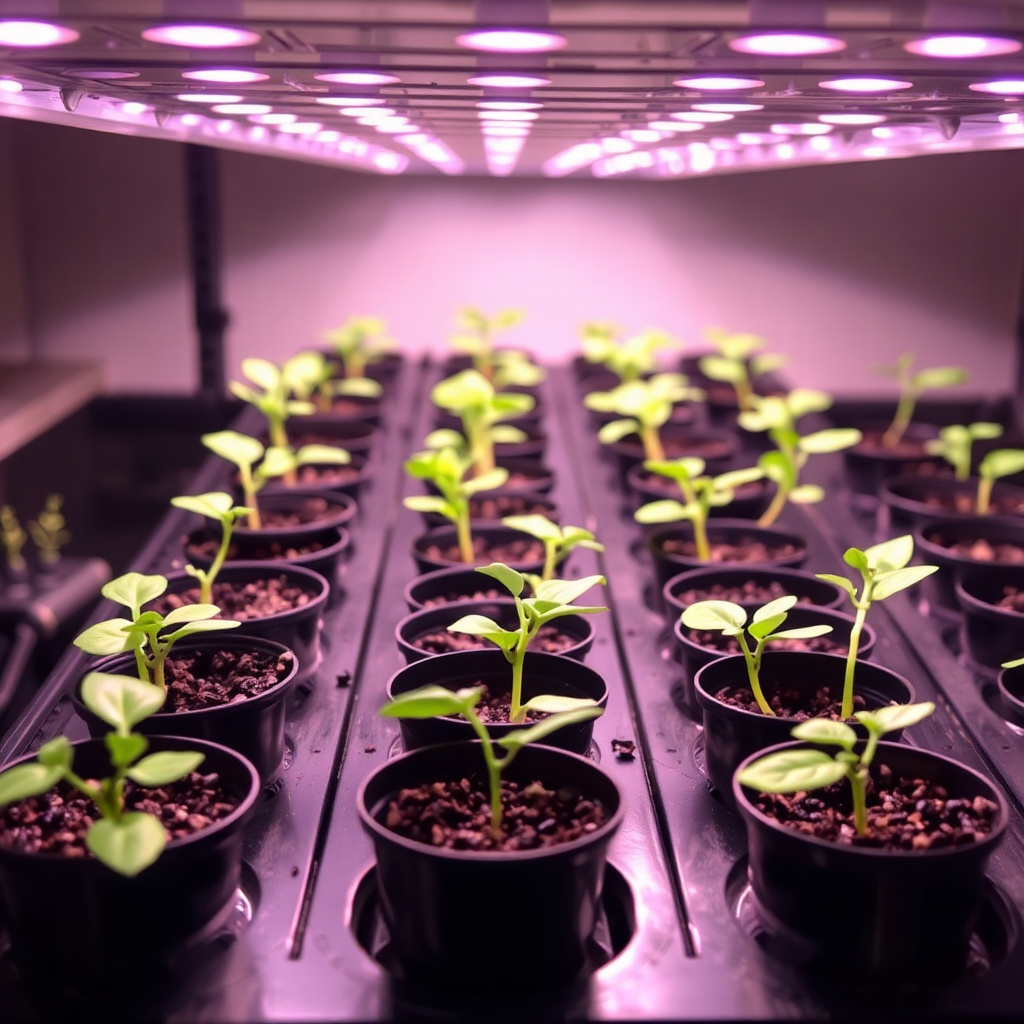
Using Grow Lights Correctly
Grow lights provide consistent, intense light that can dramatically reduce legginess by encouraging compact, robust growth. Position grow lights 2 to 4 inches above seedlings and keep them on for 12 to 16 hours daily to mimic natural sunlight intensity and duration.
Fluorescent or LED lights with a full spectrum suited for plant growth yield the best results. Adjust the height of the lights as seedlings grow to maintain optimal distance.
- Maintain light 2-4 inches above seedlings
- Use full-spectrum LED or fluorescent lights
- Provide 12-16 hours of light daily
For more on this, see our related guide: Common Cannabis Seedling Problems and How to Fix Them.
Maximizing Natural Sunlight
If using windowsill light, position trays to gain maximum direct daylight. South-facing windows offer the most sun exposure, especially in fall and winter. Rotate seedling trays every day to prevent plants from leaning toward one side.
Supplement with mirrors or reflective surfaces to increase light intensity if natural sunlight is limited. This helps seedlings develop shorter, wider stems instead of stretching upward.
- Place seedlings near south-facing window
- Rotate trays daily for even growth
- Use reflective surfaces to boost light
Watering and Soil Practices to Strengthen Seedlings
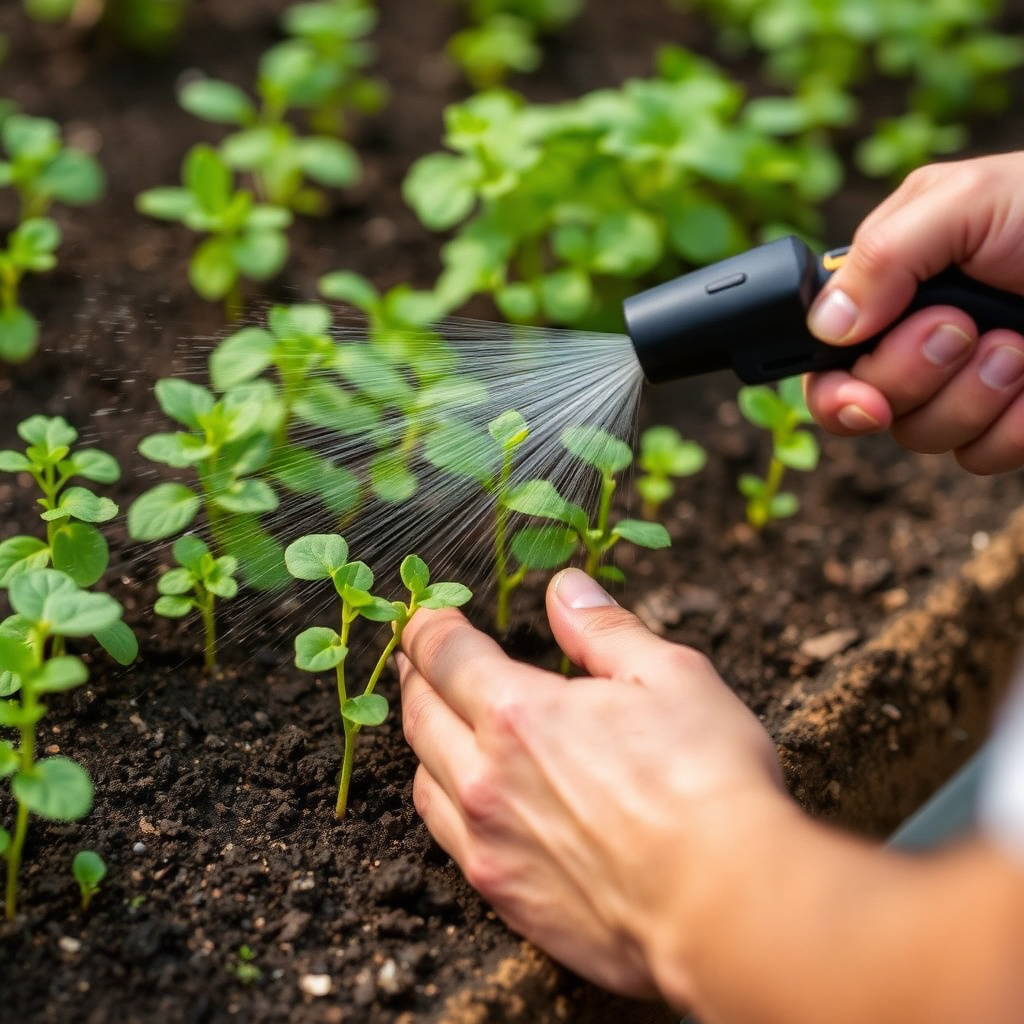
Proper Watering Techniques
Avoid overwatering by keeping the soil moist but never soggy. Water when the top inch of soil feels dry. Overly wet soil limits oxygen to roots, weakening seedlings and encouraging leggy growth.
Using a spray bottle or gentle watering can prevents disturbing young roots and soil, supporting healthy seedling establishment.
- Water when topsoil feels dry
- Avoid saturated, soggy soil
- Use gentle watering methods
Soil Selection and Drainage
Use a well-draining, lightweight seed-starting mix that retains moisture without becoming waterlogged. Heavy or compacted soils reduce root oxygen availability, leading to weak stems and legginess.
Containers should have drainage holes to prevent water buildup. Good soil aeration supports vigorous root and stem development.
- Choose light, well-draining seed starting mix
- Ensure containers have drainage holes
- Avoid heavy or compacted soils
Transplanting and Pruning Leggy Seedlings
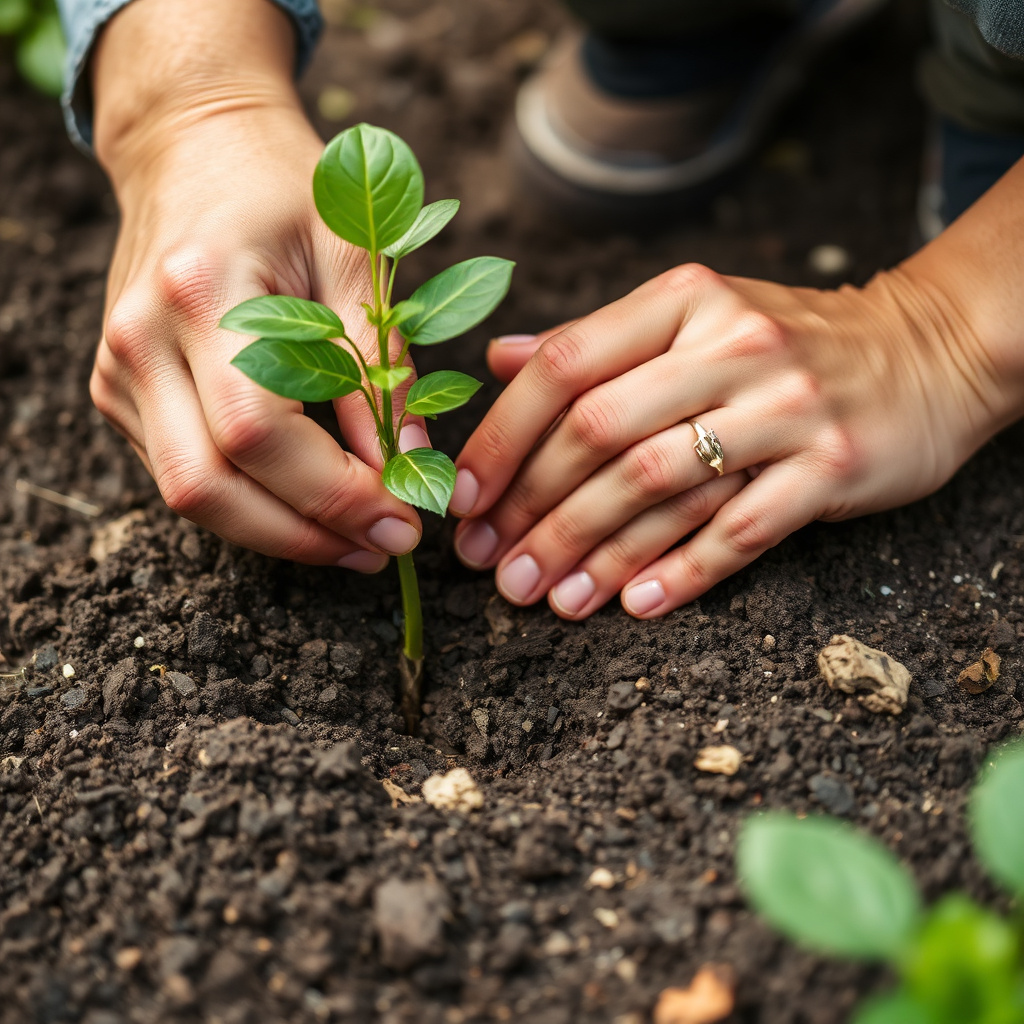
Burying Seedlings Deeper During Transplant
When transplanting leggy seedlings, bury the stem deeper into fresh soil so new roots form along the buried section. This stabilizes and strengthens the plant, encouraging more robust growth.
This technique works well for tomatoes, peppers, and many other seedlings prone to legginess and weak stems.
- Bury stem deeper than original depth
- Encourage new root growth along buried stem
- Supports stronger plant structure
For more on this, see our related guide: 5 Simple Steps for Successful Seed Planting.
Pruning to Stimulate Bushier Growth
Pinching off the top of seedlings with long weak stems encourages lateral branching and thickens the overall plant structure. This helps develop multiple strong stems rather than a single tall, fragile one.
Prune gently without damaging remaining foliage and avoid over-pruning young seedlings.
- Pinch off growing tip to promote branching
- Avoid damaging main stem or leaves
- Use pruning to reduce legginess
Preventing Leggy Seedlings in Future Gardens
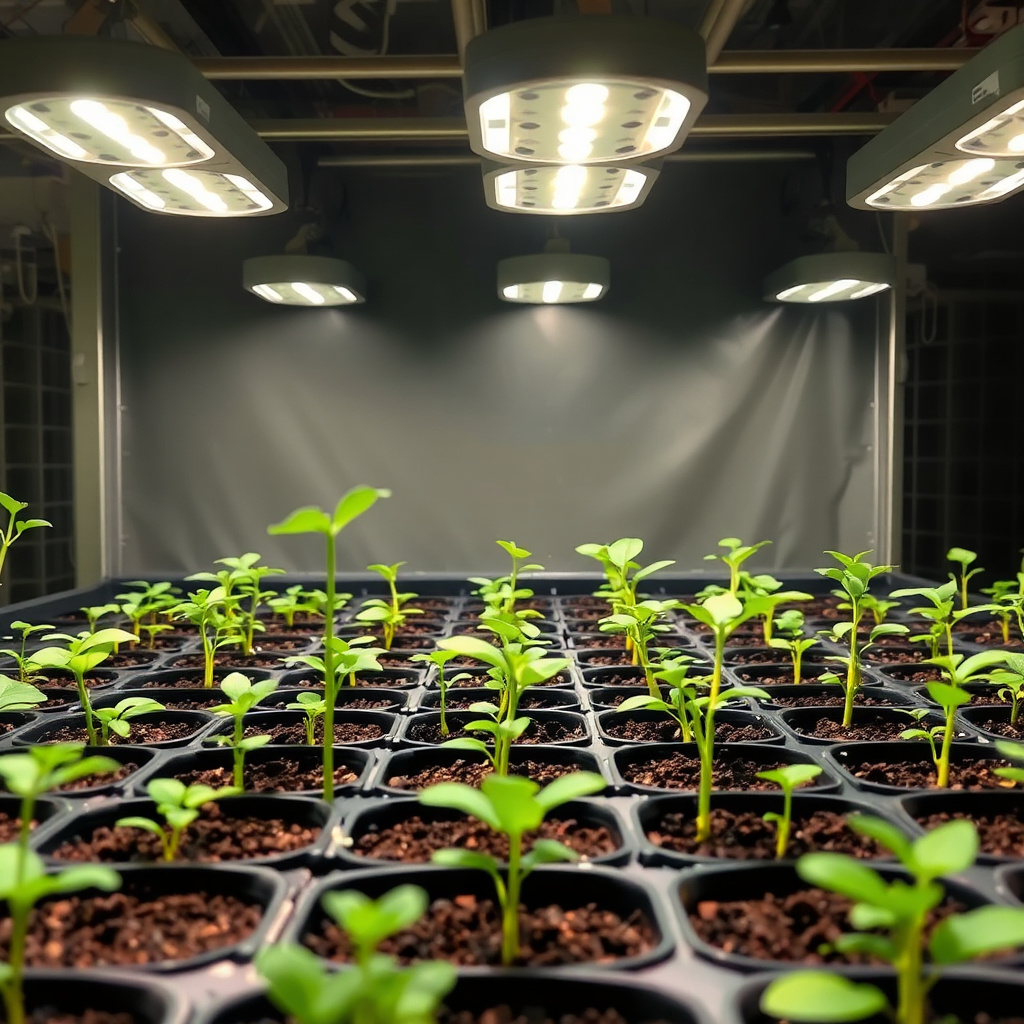
Starting Seeds with Proper Light and Spacing
Plan ahead by sowing seeds in containers that give enough space to develop sturdy stems without overcrowding. Avoid planting seeds too densely, which forces seedlings to stretch for light and space.
Combine adequate lighting with appropriately spaced seedlings to avoid legginess from the start.
- Space seeds according to packet instructions
- Use supplemental grow lights early
- Keep seedlings comfortable, not crowded
For a detailed botanical overview of seedlings and their growth challenges, including leggy seedling causes and solutions, refer to the seedling article on Wikipedia. leggy seedling causes and solutions.
Routine Monitoring and Care
Check seedlings daily for signs of stretching and adjust light heights or durations accordingly. Maintaining a balanced watering routine and air circulation around seedlings supports steady, healthy growth.
Regular care and observation stop seedlings from becoming leggy rather than fixing it after it occurs.
- Monitor seedlings for early legginess
- Adjust lighting height/duration as needed
- Maintain steady watering and airflow
Leggy Seedlings Fixing Methods Category Comparison
This table compares common methods for fixing leggy seedlings based on ease, effectiveness, and costs.
| Method | Ease of Use | Effectiveness | Cost |
|---|---|---|---|
| Improving Light Exposure | Easy | High | Low |
| Using Grow Lights | Moderate | Very High | Moderate |
| Deep Transplanting | Easy | High | Low |
| Pinching/Pruning | Moderate | Medium | Low |
| Adjusting Watering | Easy | Medium | Zero |
| Repotting with Good Soil | Moderate | High | Moderate |
Frequently Asked Questions
Why do seedlings become leggy?
Seedlings become leggy mainly due to insufficient light, causing them to stretch thin and tall while seeking brightness. Overwatering and overcrowding can also weaken stems and promote legginess.
Can leggy seedlings recover?
Yes, leggy seedlings can recover by improving light levels, adjusting watering, transplanting them deeper, and pruning the tops to encourage stronger, bushier growth.
How close should grow lights be to seedlings?
Grow lights should be positioned about 2 to 4 inches above seedlings to provide enough intensity without overheating, adjusting height as seedlings grow taller.
Is it better to prune or transplant leggy seedlings?
Both help; transplanting deeper supports stem strength by encouraging root growth along the buried stem, while pruning stimulates branching for bushier development.
Does watering frequency affect legginess?
Yes, overwatering can weaken seedlings, while underwatering causes stress. Keeping soil moist but not soggy helps strengthen stems and reduces legginess.
Key Takeaways
- Leggy seedlings result from inadequate light, improper watering, and overcrowding.
- Using grow lights and maximizing natural sunlight fixes legginess by promoting strong, compact growth.
- Transplanting seedlings deeper and pruning promote stem strength and bushier plants.
- Prevent legginess with proper spacing, consistent care, and routine monitoring.
Conclusion
Fixing leggy seedlings involves combining adjustments to light, watering, spacing, and transplanting techniques. Strong light exposure is the most vital factor to strengthen seedlings, as it prevents excessive stretching and supports healthy photosynthesis. Adjusting watering routines to keep soil moist but not overly wet further encourages robust stem and root growth. Deep transplanting and careful pruning serve as practical ways to correct legginess by enabling stem thickening and additional root development. Addressing these elements together provides the best chance to transform weak seedlings into sturdy young plants prepared for successful outdoor growth.
For gardeners tackling this issue, starting with effective light solutions like full-spectrum grow lights or maximizing windowsill exposure is recommended. Managing proper watering schedules and using well-draining seed-starting mixes improve soil conditions, reducing stress on seedlings. If seedlings are already leggy, transplant them deeper into fresh soil to prompt root growth along the stem and pinch tips to promote branching. These techniques apply broadly—from vegetable seedlings such as tomatoes and peppers to flower seedlings and herbs. Taking simple preventive steps early may eliminate legginess, but these corrective actions work well when needed too.
Ultimately, the best next step is to observe your seedlings daily to catch any legginess early and act quickly on lighting and watering adjustments. Use the transplanting and pruning methods described when seedlings appear weak or elongated. With consistent attention and proper care, your seedlings will recover and develop into healthy, strong plants ready for the garden. Growing sturdy plants starts during the seedling stage, so improving conditions early pays off handsomely.