How to Read Seed Germination Rates for Successful Planting
Seed germination rates indicate the percentage of seeds expected to sprout under ideal conditions, allowing gardeners and farmers to estimate how many plants will grow from a packet. By checking these rates, you can adjust how many seeds to plant to meet your desired crop density.
Understanding seed germination rates matters because seeds naturally vary in quality due to factors like age, storage conditions, and species. Misreading or ignoring these rates can lead to under- or overplanting, affecting yield, garden appearance, and resource use.
This article explains how to interpret seed germination rates on seed packets and test results, what influences these rates, how to perform germination tests yourself, and how to translate these numbers into practical planting decisions.
What Does Seed Germination Rate Mean?
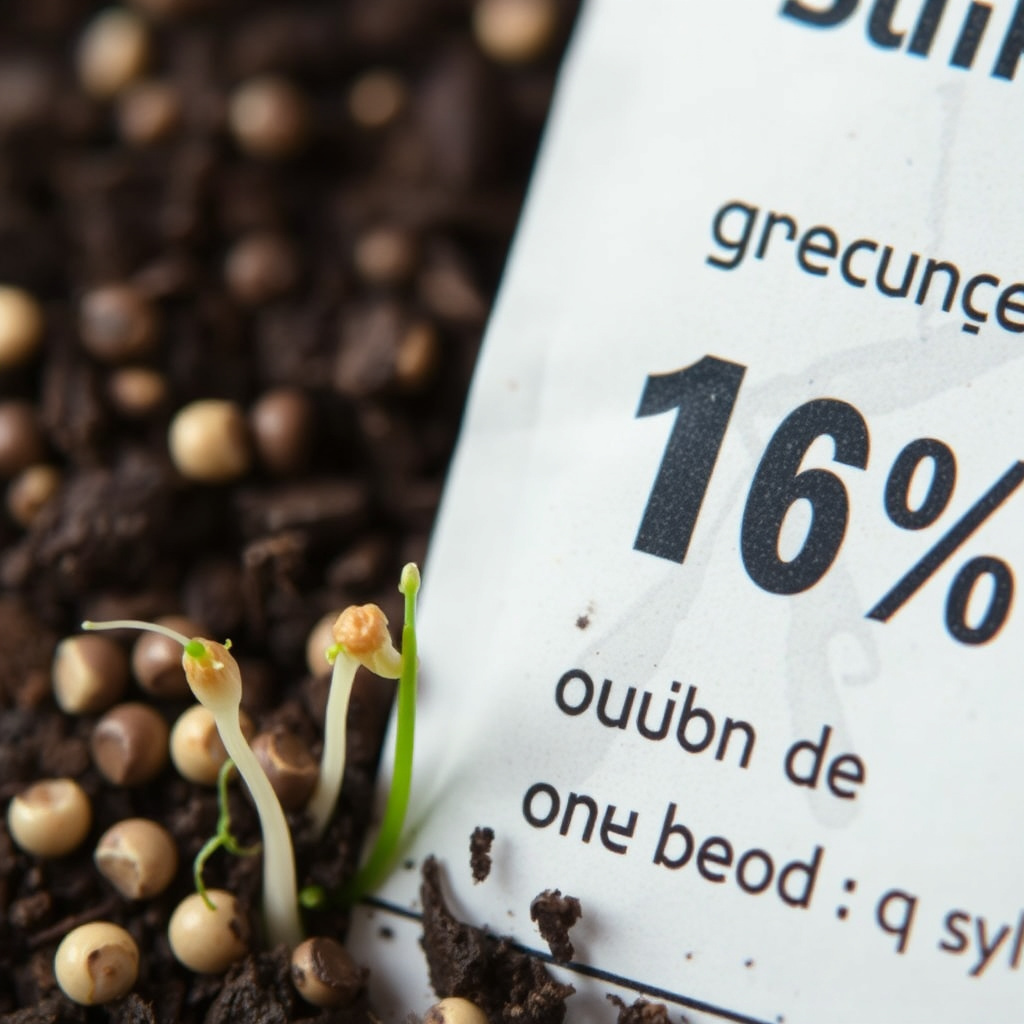
Definition and Calculation of Germination Rates
The seed germination rate is the proportion of seeds that will successfully sprout within a set timeframe under optimal conditions, usually expressed as a percentage. This percentage is calculated by dividing the number of seeds that sprout by the total number tested, then multiplying by 100.
For example, if 90 out of 100 seeds germinate during testing, the germination rate is 90%. This rate helps you estimate how many usable plants will emerge from your purchase or stored seeds.
Why Germination Rates Vary
Several factors affect seed germination rates: seed age, moisture exposure, temperature during storage, seed handling, and the species’ inherent germination behavior. Older seeds or those stored improperly usually have lower rates.
Some seeds naturally have dormancy mechanisms requiring specific treatments, such as stratification or scarification, to achieve high germination rates. Understanding these properties can clarify why rates differ among seed types.
How to Read Germination Rates on Seed Packets
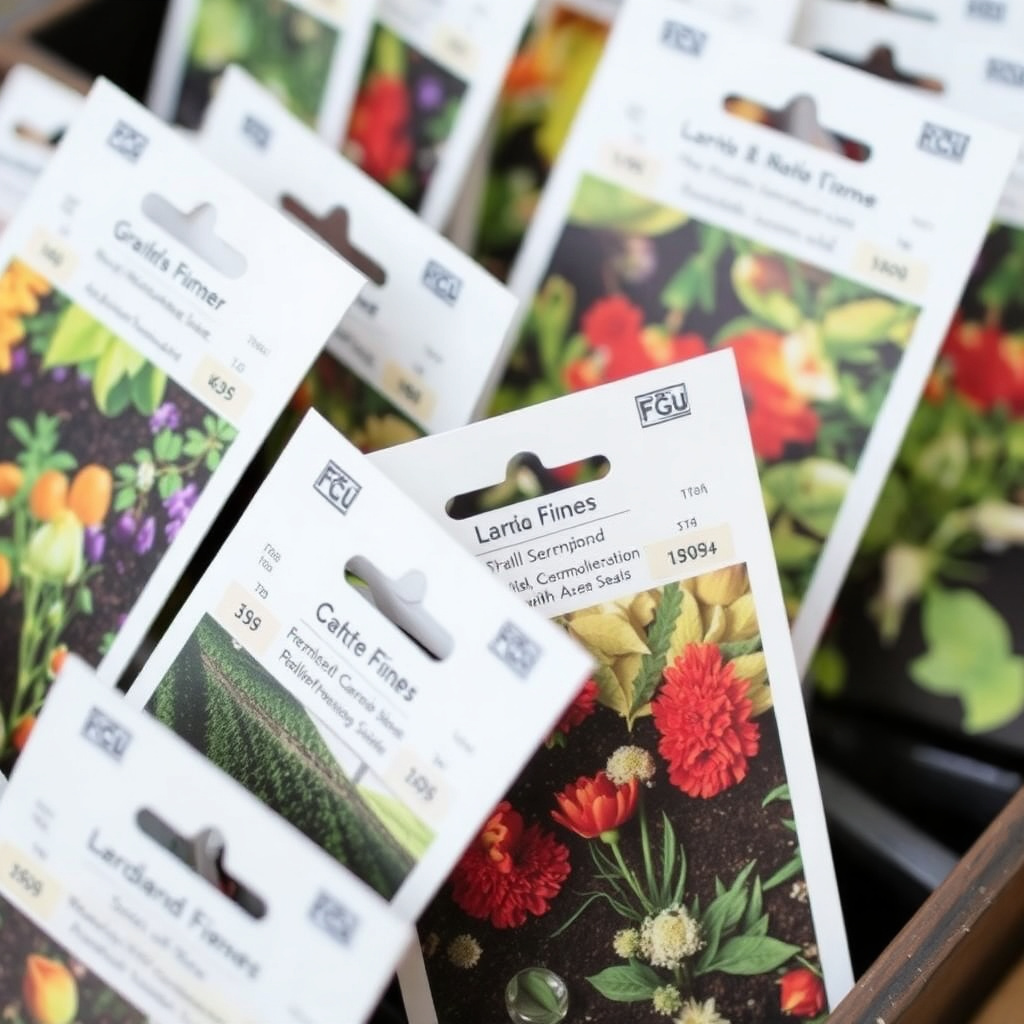
Locating the Germination Rate Information
Most commercial seed packets feature the germination rate printed prominently on the back or bottom of the packet. It’s usually listed as a percentage next to other details like lot number, date, and purity.
Sometimes packets display the germination rate alongside a ‘sell-by’ or ‘pack date’ to indicate freshness, which helps infer how reliable the rate likely remains given seed aging.
Interpreting the Certificate of Analysis
Certified seeds often come with a germination certificate or tag showing results from official tests. This certificate typically includes both the germination rate and the date tested, giving you confidence in seed quality.
Reading this certificate carefully allows you to detect seeds with declining viability or those that might require more seeds per hole or row to compensate for lower germination.
Performing Your Own Seed Germination Test
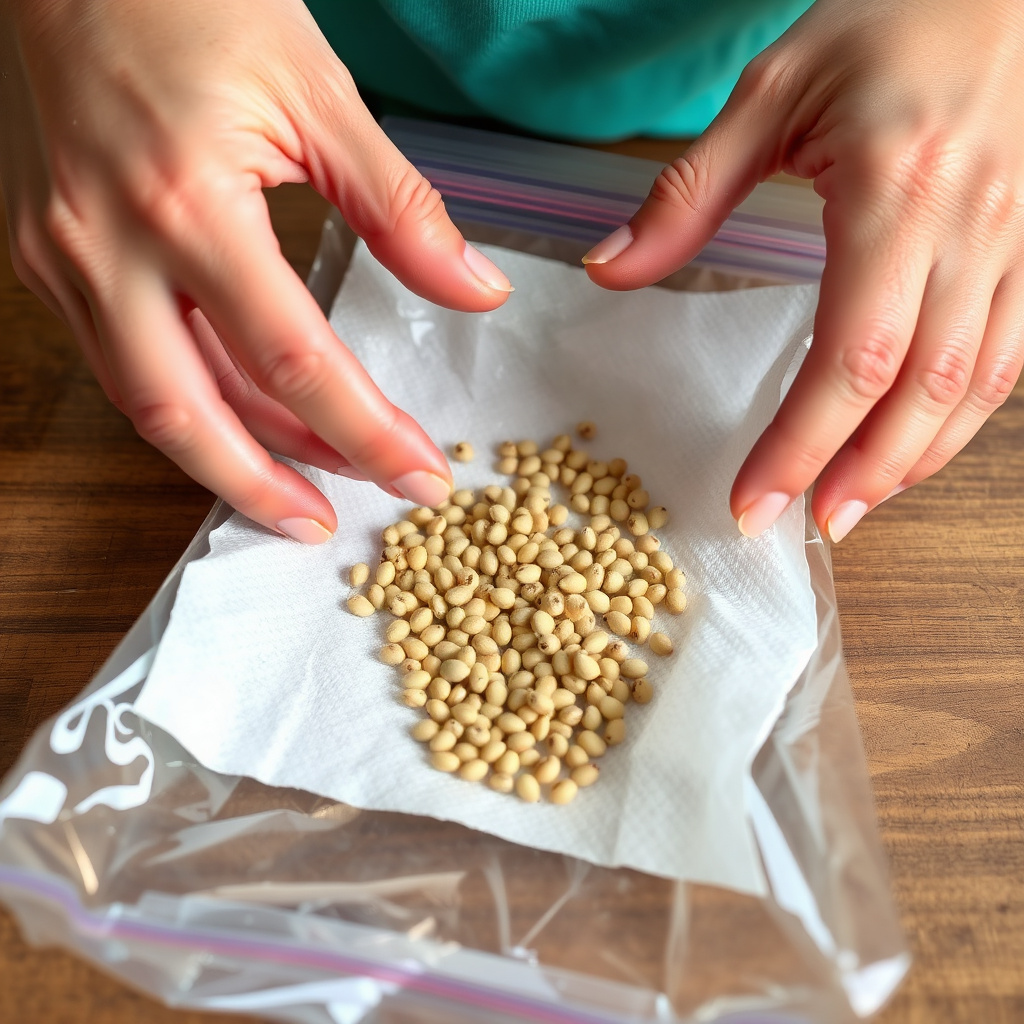
Setting Up a Simple Germination Test
Gather about 20 seeds from your batch and place them evenly spaced on a damp paper towel. Then fold the towel and place it inside a plastic bag to retain moisture, keeping it in a warm, consistent environment.
Check daily and count how many seeds sprout within the recommended germination period for that species, usually listed on the seed packet or seed reference guides.
- Use clean water to moisten the towel
- Maintain temperature appropriate for seed type
- Avoid direct sunlight to prevent excessive heat
For more on this, see our related guide: How to Read a Seed Catalog: A Complete Guide for Gardeners.
Calculating and Using Your Test Results
After the test period (often 7-14 days), count the germinated seeds and calculate the total germination rate by dividing germinated seeds by total tested, multiplied by 100.
With this personal rate, adjust your planting numbers to achieve desired plant counts, especially if the tested seeds are older or conditions differ from perfect germination scenarios.
Factors That Influence Seed Germination Rates
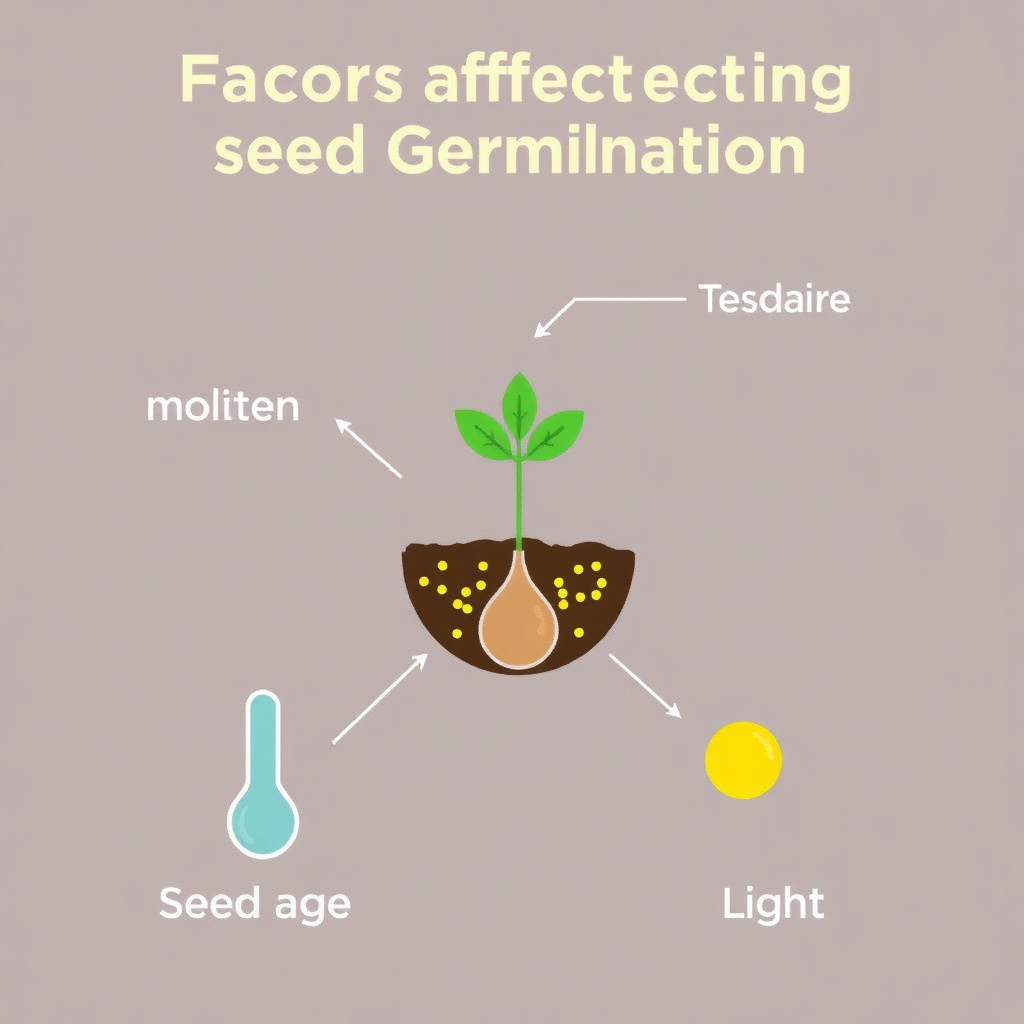
Environmental Conditions Impacting Germination
Temperature and moisture levels strongly influence germination success. Each seed species has a specific temperature and moisture range for best sprouting, often documented in seed catalogs.
Too cold or hot temperatures or overly dry or wet conditions can reduce germination rates by preventing seed metabolism or causing seed rot.
Seed Quality and Storage Effects
Poor quality seeds or those stored without protection lose viability over time, resulting in lower germination rates. Proper storage in cool, dry environments prolongs seed life and maintains high germination percentages.
Repeated temperature fluctuations and exposure to humidity encourage seed deterioration, making germination testing and reading rates important for older seeds.
Using Germination Rates for Effective Planting Decisions

Adjusting Seed Quantity Based on Germination
If a seed packet lists a 75% germination rate, plant about 33% more seeds than required to compensate for seeds that won’t sprout. This adjustment avoids sparse growth and wasted effort.
For higher germination rates near 95%, fewer additional seeds are needed, saving seed costs and reducing overcrowding in planting areas.
- Calculate needed seedlings × (100 ÷ germination rate) = seeds to plant
- Consider putting extra seeds in case of unexpected failures
For more on this, see our related guide: How to Store Seeds Long Term for Maximum Viability and Freshness.
Considering Seedling Vigor Alongside Germination
Germination rate does not always reflect the vigor or health of emerging seedlings. Some seeds may sprout but produce weak plants, affecting overall crop success.
Look for additional quality indicators like seedling size or seller reputation to complement germination rate information for best results.
Common Misconceptions About Seed Germination Rates

High Germination Rate Ensures Perfect Crop
A common false assumption is that a high germination rate guarantees a perfect crop. Environmental stress, pests, or nutrient deficiencies can still impair seedling survival after germination.
Thus, germination rate is only one part of predicting plant success and should be combined with good cultivation practices.
For more detailed background on seed germination and related processes, refer to this comprehensive resource. Seed germination information.
All Seeds in a Packet Are Equally Viable
Seed packets represent averages across samples, so not every seed is guaranteed viable. Viability can vary within a batch due to unseen defects or damage.
Understanding this variation prepares planters to adjust expectations and manage planting density for success.
Seed Germination Rate Categories Comparison
This table compares common categories of seed germination rates, how to interpret them, and typical planting recommendations.
| Germination Rate Category | Typical Germination % | Recommended Seed Quantity Adjustment | Common Seed Types |
|---|---|---|---|
| Excellent | 90-100% | Plant 0-10% extra seeds | Lettuce, Basil, Carrot |
| Good | 75-89% | Plant 15-30% extra seeds | Tomato, Peppers, Beans |
| Fair | 50-74% | Plant 35-50% extra seeds | Onion, Cabbage, Beets |
| Poor | <50% | Plant 50% or more extra seeds or seek fresher seeds | Old or improperly stored seeds |
Frequently Asked Questions
How often should I test my seeds for germination rates?
You should test seeds for germination rates whenever you use older seed batches or notice poor plant emergence to ensure accurate planting estimates.
Can seed germination rates improve with special treatment?
Yes, some seeds require pre-treatments like soaking, scarification, or cold stratification to break dormancy and improve germination rates.
Does a high germination rate mean all plants will be strong?
Not necessarily; while germination rate indicates sprouting success, seedling vigor and survival depend on other factors like environment and seed quality.
Is it better to overplant seeds to compensate for low germination rates?
Overplanting can help but may cause overcrowding; balancing seed quantity with thinning plans is advised to optimize plant health.
How does seed storage affect germination rates?
Proper storage in cool, dry places preserves seed viability, while exposure to heat, moisture, or fluctuating temperatures reduces germination rates over time.
Key Takeaways
- Seed germination rate shows the expected percentage of seeds that will sprout under ideal conditions.
- Germination rates vary by seed age, storage, species, and environmental factors.
- Performing your own germination test refines planting estimates for better outcomes.
- Adjust seed quantity based on germination rates to ensure desired plant densities.
Conclusion
Understanding how to read seed germination rates is fundamental for gardeners and farmers aiming to maximize their planting success. By interpreting germination percentages accurately, you can better predict how many plants to expect and adjust sowing quantities accordingly. Recognizing the effects of seed age, storage conditions, and species characteristics helps clarify why rates might differ from packet to packet or batch to batch, guiding smarter decisions about seed purchases and planting schedules.
For practical planting strategies, seeds showing excellent germination rates (above 90%) require only minor overplanting, if any, to achieve target plant numbers. For seeds with good to fair rates, increase sowing amounts by 15% to over 50%, depending on the test results or packet information. Seeds with poor germination rates may need special treatment like scarification or seeking fresh seed sources. Combining germination rate reading with direct germination tests enhances reliability, especially for saved or older seeds.
If you want to grow a thriving garden, start by checking germination rates on your seed packets and testing your own seeds now and then. From there, plan sowing quantities that match those rates and the desired final plant count. This practical approach allows for resource-efficient gardening without unexpected gaps in growth. For deeper insights into seed biology and viability, consulting trusted references or agricultural extensions can offer additional support.