How to Understand THC Percentages Accurately
THC percentages indicate the concentration of tetrahydrocannabinol in cannabis products, directly influencing their potency and effects. Understanding these numbers can help users select products that match their desired experience and tolerance.
The percentage is typically measured by weight and reflects how much THC is present relative to the total weight of the product. Higher THC percentages generally mean stronger psychoactive effects but also can increase the likelihood of side effects, making it essential to interpret these numbers carefully.
This article will explain how THC percentages are measured, how they impact the effects, and discuss factors like product type and testing standards that affect accuracy. By the end, you’ll feel confident evaluating THC labels to make informed decisions.
What THC Percentages Represent
Defining THC Concentration
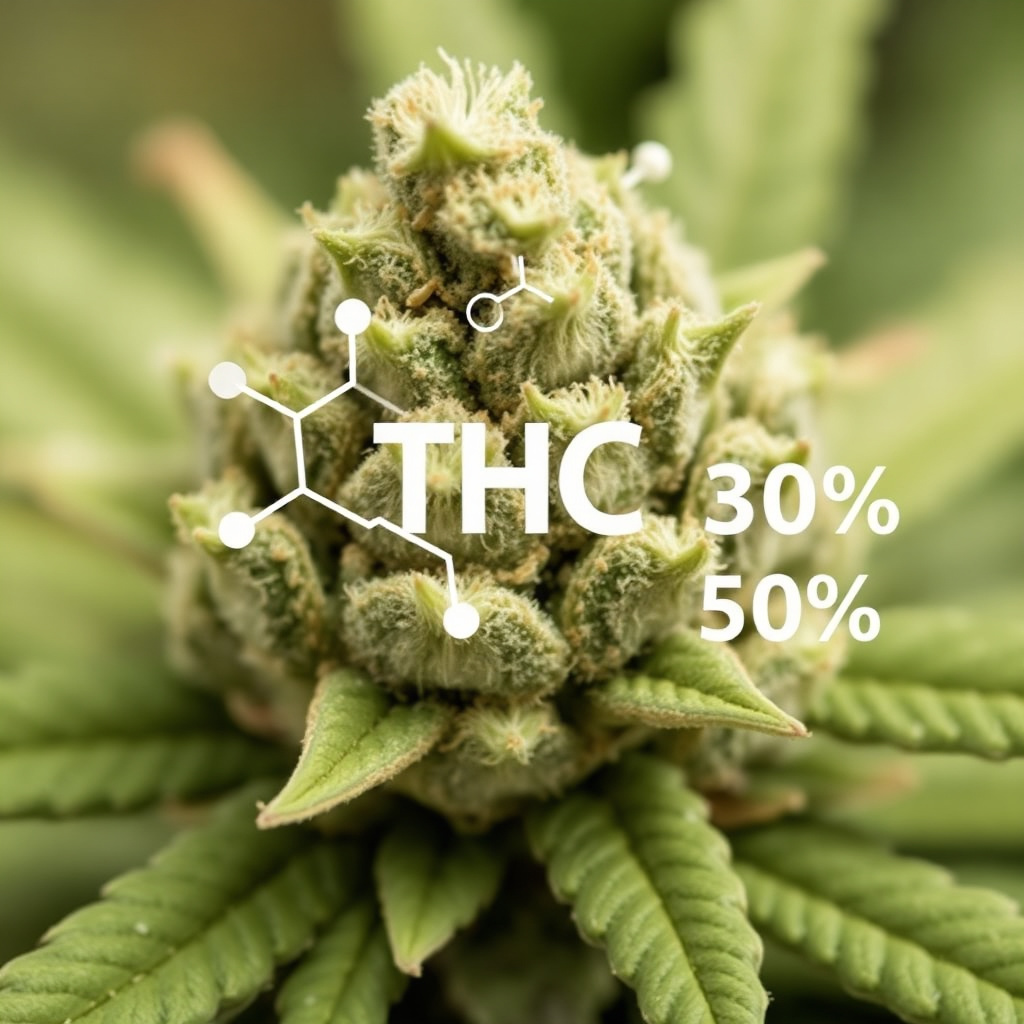
THC percentage indicates the amount of tetrahydrocannabinol in a cannabis sample relative to its total weight, usually expressed as a percentage by dry weight. For example, a flower labeled with 20% THC contains 200 milligrams of THC per gram.
This figure helps users gauge the strength of cannabis products. However, THC concentration alone does not predict effects fully, as many other cannabinoids and terpenes interact to shape the experience.
Methods of Measuring THC
Laboratories most often use chromatography techniques—such as gas chromatography or high-performance liquid chromatography—to measure THC content. These tests separate the cannabinoids and provide detailed profiles including THC, THCA, CBD, and more.
THCA, the acidic precursor to THC, is non-psychoactive but converts to THC when heated (decarboxylation). Some tests report total potential THC by calculating how much THC would form if all THCA was converted, which can lead to higher percentage values.
Understanding THC Percentages Across Product Types
THC Levels in Flower vs Concentrates
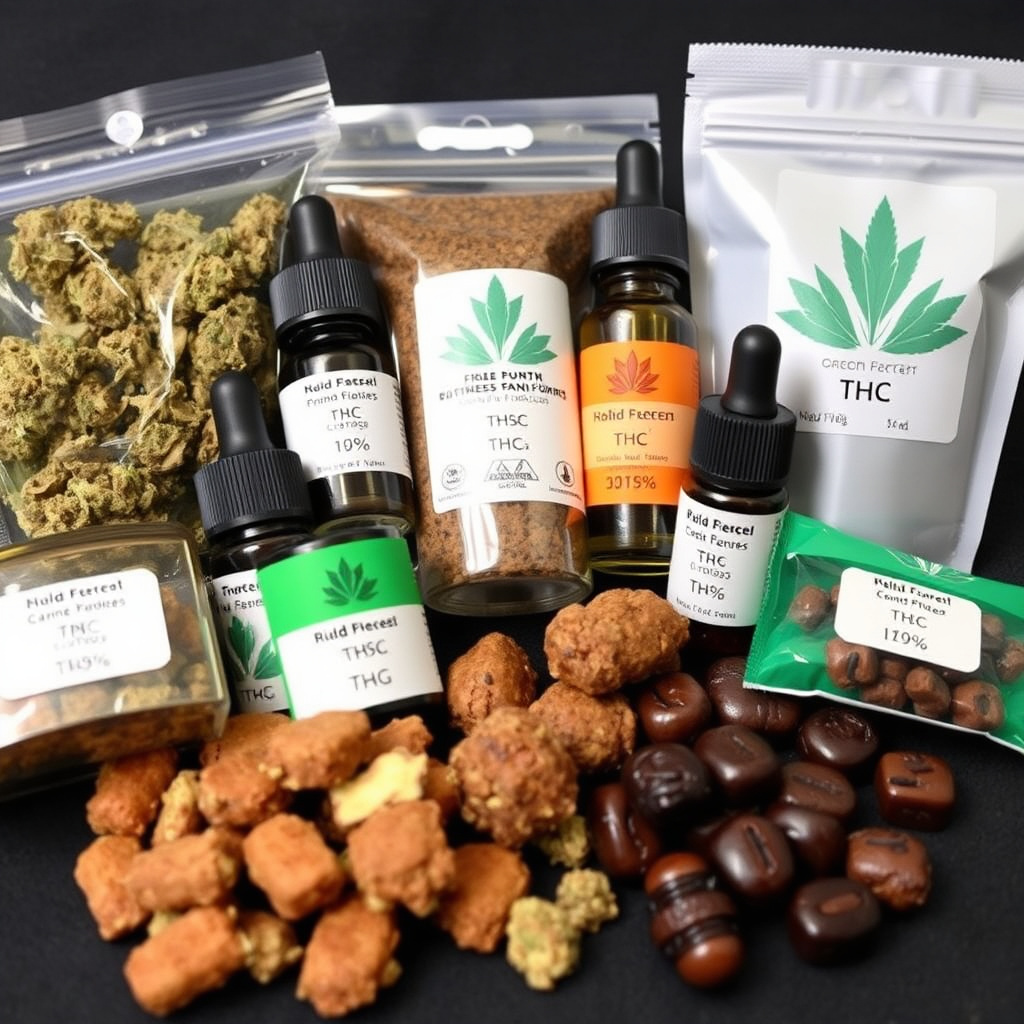
Dried cannabis flower usually contains THC in the range of 10% to 30%. Concentrates like oils or waxes can have much higher THC percentages, frequently above 70%, due to the extraction and refinement processes removing non-active plant matter.
The high THC concentration in concentrates means smaller doses deliver strong effects, but inexperienced users should proceed with caution because the risk of overconsumption is higher.
THC in Edibles and Topicals
Edibles indicate THC amounts in milligrams rather than percentages, which can make comparisons with flower or concentrates challenging. Knowing the THC dose per serving is critical to avoid unexpected effects since edibles metabolize differently in the body.
Topicals generally have little to no psychoactive THC effect because they are applied externally and do not enter the bloodstream. Their labeled THC percentages usually represent content but have minimal intoxicating impact.
Factors Influencing THC Percentage Accuracy
Lab Testing Variability
Different laboratories may report varying THC percentages due to differences in testing equipment, calibration, and procedures. This variability can cause fluctuations in reported potency between batches or brands.
Consumers should look for certificates of analysis (COAs) from reputable labs, indicating how the sample was tested and confirming THC and other cannabinoid levels.
For more on this, see our related guide: Cannabis Terminology for Beginners: A Clear Guide to Essential Terms.
Impact of Storage and Handling
Exposure to heat, light, and air degrades THC over time, converting it to less potent compounds. Improper storage can therefore reduce the effective THC percentage in a product even if labeled higher.
To maintain potency, cannabis should be stored in airtight containers away from direct sunlight and extreme temperatures.
How to Use THC Percentages When Choosing Products
Matching THC Percentage to Experience Level
For new or infrequent users, starting with lower THC percentages (5%-15%) is advisable to prevent overwhelming effects. Regular users seeking stronger experiences may prefer products with THC above 20%, including concentrates with much higher levels.
Understanding your tolerance and response is vital; THC percentage helps guide dose size and product choice but should be combined with mindful consumption habits.
Considering Other Cannabinoids and Terpenes
Products with high THC percentages but low complementary cannabinoids may yield different effects compared to balanced formulations. Cannabinoids like CBD can modulate THC's psychoactivity, promoting a milder or more therapeutic experience.
Terpenes influence aroma and effect profiles, so THC percentage should be one part of evaluating a product’s overall potential.
Common Misconceptions About THC Percentages
Higher THC Means Better Quality
A common misunderstanding is equating higher THC percentages directly with quality or a better product. Quality depends on many factors like cultivation methods, freshness, and cannabinoid balance, not simply THC concentration.
Some high-THC products may lack flavor or balanced effects, while lower-THC strains with richer terpene profiles can offer more enjoyable experiences for many consumers.
For more on this, see our related guide: How to Read Cannabis Strain Descriptions to Find Your Perfect Match.
THC Percentage Predicts Exact Effects
Although THC percentage relates to strength, it doesn’t guarantee how an individual will feel. Factors such as user tolerance, delivery method, and presence of other cannabinoids alter effects widely.
Expectations should be realistic; lab numbers are guides, not precise predictors of experience.
Interpreting THC Percentages in Legal Regulations
Legal Limits on THC Content
Many jurisdictions set legal THC limits for products sold, especially for hemp-derived items capped at 0.3% THC to avoid psychoactive effects. Recreational and medical cannabis laws vary widely, affecting availability of high-THC products.
Consumers should familiarize themselves with local laws to understand what THC percentages are legally permissible and safe for use.
For a scientific overview of THC and its properties, reference this THC information on Wikipedia. THC information on Wikipedia.
Labeling Requirements and Consumer Protection
Regulations often mandate clear labeling of THC percentages and total cannabinoid profiles to protect consumers. Transparent labels allow buyers to make informed choices based on accurate potency information.
Some regions require batch-specific testing and display of certificates of analysis, increasing product accountability.
Cannabis Product THC Percentage Comparison
This table compares typical THC percentages across common cannabis product categories, helping clarify strength differences at a glance.
| Category | Typical THC % | Effect Strength | Recommended User Level |
|---|---|---|---|
| Dried Flower | 10-30% | Moderate to Strong | Beginners to Experienced |
| Concentrates (Oils, Waxes) | 60-90% | Very Strong | Experienced Users |
| Edibles | Varies (usually 5-20 mg per serving) | Varies by Dose | All Levels (dose dependent) |
| Topicals | Usually <1% | Minimal Psychoactive Effect | All Levels |
| Hemp Products | <0.3% | Non-Psychoactive | All Levels |
Frequently Asked Questions
Why do labs report different THC percentages for the same product?
Variations in lab equipment, testing methods, and sample handling cause differences in reported THC percentages, making it important to check certification from trusted labs.
Does a higher THC percentage mean stronger effects every time?
Not necessarily; individual tolerance, method of consumption, and presence of other cannabinoids influence the effect beyond THC percentage alone.
How does THC percentage relate to the dosage in edibles?
Edibles usually show THC amounts in milligrams per serving rather than percentages, so focus on dose size rather than percentage when consuming edibles.
Can THC degrade over time after purchase?
Yes, exposure to heat, light, and oxygen breaks down THC, reducing its potency regardless of the original THC percentage.
Is there a safe THC percentage for beginner users?
Beginners are often advised to start with products under 15% THC or low-dose edibles to avoid uncomfortable effects.
Key Takeaways
- THC percentage shows concentration, not total experience potential.
- Testing methods and lab differences affect reported THC numbers.
- Different product types have distinct typical THC ranges.
- Proper storage preserves THC potency over time.
Conclusion
Figuring out how to understand THC percentages is fundamental to choosing cannabis products suited to your preferences and tolerance. Rather than seeing THC percentage as the sole indicator of quality or effect, consider it a practical measure of strength. Assessing the numbers alongside other cannabinoids, product format, and personal experience will give you the fullest picture.
For those new to cannabis, flower with THC percentages under 15% provides a manageable introduction. Regular users seeking stronger effects might explore concentrates with much higher THC levels, but caution is wise given their potency. Edibles differ by dose and metabolize slowly, so focus on milligrams per serving. Meanwhile, topicals offer non-intoxicating options that rely less on THC figures.
Next time you encounter a THC label, remember it’s a snapshot of potential psychoactivity influenced by many factors. Check for lab transparency, choose according to your comfort level, and store products properly to keep THC effective. This approach ensures your cannabis experience stays personalized and enjoyable.