What Protein Benefits Do Chia Seeds Have?
Struggling to find plant-based sources of protein that truly support your health and fitness goals? You’re not alone—many people want nutritious options that are easy to include in daily life.
Chia seeds provide about 4 to 5 grams of protein per two tablespoons, making them a great plant-based option to support muscle repair and overall health. They contain all nine essential amino acids, offering a complete protein source that boosts recovery and stamina.
Plus, their high fiber content helps control appetite and manage weight.
If you want to uncover more about how chia seeds can benefit your diet and wellness, keep exploring the details below.
Key Takeaways
- Chia seeds provide a complete plant-based protein with all nine essential amino acids.
- They support muscle repair and overall health because of their high-quality, easy-to-digest protein content.
- Their protein helps with muscle growth and recovery after exercise.
- Chia seeds also help control appetite and keep you feeling full, which can support weight management.
- When soaked or ground, they improve nutrient absorption, making their protein more bioavailable.
How Much Protein Do Chia Seeds Provide Per Serving?
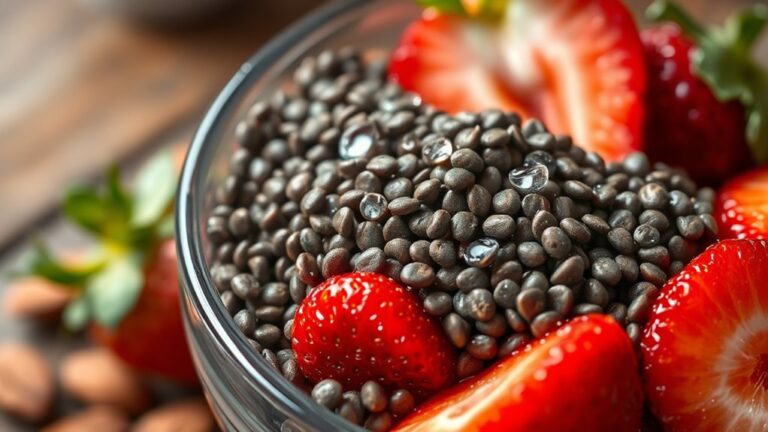
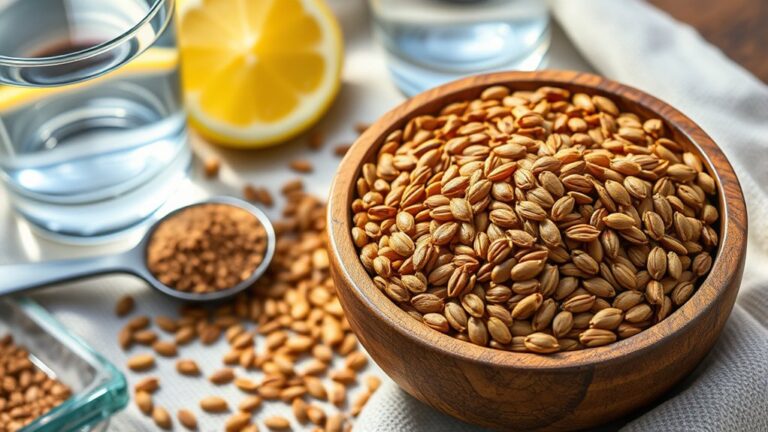
A typical serving of chia seeds, which is about one ounce or two tablespoons, provides roughly 4 to 5 grams of protein. This makes them a valuable plant-based source of protein, especially for vegetarians and vegans.
Their nutritional profile includes fiber, healthy fats, and essential minerals, which complement their protein content. To get the most benefits, try adding chia seeds to smoothies, yogurts, or oatmeal.
Chia seeds offer fiber, healthy fats, and essential minerals that enhance their protein benefits.
You can also sprinkle them over salads or mix them into baked goods. Because chia seeds are versatile and easy to use, they fit well into many meals.
While their protein amount isn’t extremely high, their overall nutrients support a balanced diet. Including a regular serving of chia seeds adds a nutrient-dense element that helps your daily protein intake and overall health.
Are Chia Seeds a Complete Plant-Based Protein?
Curious whether chia seeds qualify as a complete plant-based protein? The answer is yes, they are considered a complete protein because they contain all nine essential amino acids. This makes them a great addition to your plant-based diet, especially if you’re vegan.
Here are four key points to understand:
- Nutritional profile: Chia seeds pack a balanced mix of amino acids, making them stand out among plant protein sources.
- Health impact: Eating complete proteins like chia seeds helps support muscle repair and overall health.
- Plant benefits: They offer a simple way to boost your diet without relying on animal products.
- Dietary inclusion: Toss chia seeds into smoothies, oats, or baked goods to increase your intake of complete protein and other nutrients.
Adding chia seeds to your diet can make a real difference, especially when you’re looking for diverse, plant-based protein sources.
What Essential Amino Acids Are in Chia Seeds?
Have you ever wondered which essential amino acids make chia seeds a complete protein? These amino acids are crucial because your body can’t produce them on its own, so you need to get them from your diet.
Chia seeds contain all nine essential amino acids, making them a rare plant-based protein source. These include leucine, lysine, methionine, phenylalanine, threonine, tryptophan, valine, isoleucine, and histidine.
Chia seeds provide all nine essential amino acids, making them a complete plant-based protein source.
Because they provide a full spectrum of essential amino acids, chia seeds are an excellent choice for vegetarians and vegans looking to boost their protein intake. Many common plant-based protein sources lack some of these amino acids, but chia seeds fill that gap.
Integrating them into your diet helps guarantee you get complete proteins necessary for tissue repair, immune function, and overall health. So, chia seeds are not only nutritious but also a powerful addition for complete protein sources.
How Do Chia Seeds Support Muscle Growth and Recovery?
Chia seeds are packed with high-quality protein, which is super important for repairing and building muscles after you work out. They also help keep you hydrated, and staying hydrated is key to recovering faster and feeling less sore afterward.
Adding chia seeds to your diet can really give your muscle growth a boost and help you stay energized throughout the day. So, whether you’re hitting the gym or just trying to stay active, chia seeds are a great snack or ingredient to include!
Protein Content and Quality
Because chia seeds are rich in plant-based protein, they can support muscle growth and recovery. Their protein bioavailability is notable, so your body can absorb and use the nutrients efficiently. Chia seeds also have a balanced amino acid profile, providing essential amino acids needed for muscle repair. Here’s what makes their protein content stand out:
- High plant-based protein levels for muscle support
- Good amino acid profile, including omega-3s
- Easy to incorporate into various meals
- Supports sustained energy and recovery
While chia seeds may not contain all amino acids in perfect amounts, their combination of bioavailability and amino acid diversity makes them a valuable addition to your diet for maximizing muscle health.
Enhancing Muscle Repair
Consuming chia seeds can considerably support your muscle growth and recovery process. Their rich protein content provides essential amino acids that promote effective protein synthesis, which is crucial for muscle repair.
When you work out, your muscles sustain micro-tears, and chia seeds supply the nutrients needed to repair and strengthen them. The high omega-3 fatty acids in chia seeds also help reduce inflammation, speeding up muscle recovery.
Including chia seeds in your diet guarantees your body has a steady source of quality protein to support ongoing muscle repair, especially after intense exercise. By aiding efficient protein synthesis and reducing recovery time, chia seeds become a significant addition to your post-workout nutrition plan.
This support helps you build stronger, healthier muscles over time.
Supporting Hydration Levels
Building on the muscle repair benefits of chia seeds, their unique ability to support hydration plays an essential role in muscle growth and recovery. The hydration benefits come from their high soluble fiber content, which absorbs water and forms a gel.
This gel helps keep nutrients retained in your muscles longer, promoting better recovery. To get the most out of these benefits, try soaking chia seeds in water before exercise for sustained hydration.
Mixing chia seeds into smoothies after your workout can help replenish lost fluids. The gel also traps essential minerals, aiding muscle function. Regularly including chia seeds in your diet keeps you properly hydrated.
Supporting hydration with chia seeds boosts nutrient retention and speeds up muscle growth and recovery.
Can Chia Seeds Help You Manage Your Weight?
Wondering if chia seeds can support your weight management goals? The good news is that they can be a helpful addition to your routine. Chia seeds are high in fiber, which helps control appetite by making you feel full longer.
When you include them in your meals, they absorb liquid and expand in your stomach, reducing hunger cues and preventing overeating. This makes it easier to stick to your calorie goals and supports weight loss efforts.
Plus, chia seeds are nutrient-dense, providing protein and healthy fats that keep your energy levels steady throughout the day. Their versatility means you can add them to smoothies, yogurt, or oatmeal, making it simple to include them in your diet.
While chia seeds alone won’t melt away pounds, they can be a helpful tool in managing hunger and supporting your weight management journey.
How Do Chia Seeds Compare to Other Plant Proteins?
How do chia seeds stack up against other plant-based proteins? When comparing nutritional profiles, chia seeds hold their own, but understanding their amino acid profile is key. Here are some points to evaluate:
- Protein Content: Chia seeds contain about 4 grams of protein per 2-tablespoon serving, which is slightly lower than beans or lentils.
- Amino Acid Profile: While rich in omega-3s, chia seeds are not complete proteins—they lack certain essential amino acids found in quinoa or soy.
- Digestibility: Chia’s plant-based proteins are easily digestible, similar to pumpkin seeds or hemp seeds.
- Nutritional Comparison: Chia seeds offer fiber, antioxidants, and omega-3s alongside protein, making them a nutrient-dense option compared to some other plant proteins.
How Can You Add Chia Seeds to Your Diet for Protein?
Looking for simple ways to increase your protein intake with chia seeds? Incorporating them into your diet is easy and versatile.
You can blend chia seeds into smoothies for added protein and fiber. It’s a quick, nutritious way to start your day.
Chia puddings are another tasty option. Just soak the seeds in milk or a dairy-free alternative overnight. Then, add fruit or nuts for extra flavor.
For a fresh, crunchy addition, sprinkle chia seeds onto salads. They boost protein content and add a nice texture.
You can also make chia snacks like energy bites or bars. Mix seeds with nuts, dried fruit, and a binder like honey. These are quick to prepare and portable.
Are There Any Limitations to Eating Chia Seeds for Protein?
While chia seeds are packed with benefits, eating too many can sometimes lead to digestive problems like bloating or stomach discomfort. It’s pretty common to experience these if you go overboard. Plus, your body can only absorb a certain amount of nutrients from them at one time, so more isn’t always better.
Potential Digestive Issues
Although chia seeds are generally safe for most people, eating too much or not preparing them properly can cause digestive problems. A high fiber intake from chia might lead to bloating if you don’t increase your portions gradually.
To keep your digestion happy, try these tips:
- Start with small portions to see how your body reacts.
- Soak seeds well before eating to help with hydration and reduce bloating.
- Balance your diet to support healthy gut bacteria and avoid too much fiber at once.
- Time your nutrient intake wisely, especially around meals, to prevent discomfort.
Ignoring these points may upset your gut, cause bloating, or block nutrient absorption. Adjust your portions and listen to your body to enjoy chia seeds without any issues.
Nutrient Absorption Limits
Eating large amounts of chia seeds for protein doesn’t necessarily mean your body will absorb all those nutrients efficiently. Nutrient bioavailability varies, so not all the protein and other nutrients in chia seeds are fully accessible to your body.
Factors like the seed’s high fiber content can impact absorption efficiency because fiber may bind to nutrients and slow their release. Consuming chia seeds without proper soaking or grinding can also reduce nutrient bioavailability.
This makes it harder for your digestive system to extract benefits. While chia seeds are nutrient-dense, moderation and proper preparation are key to maximizing protein absorption.
Overeating may lead to diminished returns, so balancing your intake ensures you get the most from their nutritional profile.
What Are the Overall Health Benefits of Chia Seed Protein?
Chia seed protein offers a variety of health benefits that can boost your overall well-being. Its rich nutritional profile provides essential amino acids, which support muscle repair and strengthen your immune system.
Plus, its antioxidant properties help fight free radicals, reducing oxidative stress that can damage cells. Adding chia seed protein to your diet can bring several important health perks.
It can help boost your energy levels and stamina, making you feel more active throughout the day. It also supports heart health by lowering bad cholesterol levels.
Thanks to its high fiber content, chia seed protein aids digestion and promotes a healthy gut. Additionally, its antioxidants help improve skin health, keeping your skin looking fresh and vibrant.
All these benefits make chia seed protein a smart addition to your daily nutrition. It fuels your body while protecting it from oxidative damage. Whether you’re aiming for better overall health, more energy, or a stronger immune system, it’s a natural, plant-based choice.
Its versatility allows you to easily include it in various meals, making it a convenient way to enhance your health naturally.
What Are the Best Tips for Incorporating Chia Seeds Into Your Meals?
Incorporating chia seeds into your meals is simple and versatile, making it easy to boost your nutrition throughout the day. Start your morning with a chia breakfast by adding seeds to smoothies or making chia puddings for a satisfying start.
Use chia as toppings on yogurt, oatmeal, or chia bowls to add texture and fiber. You can also sprinkle them into salads for an extra crunch or mix them into recipes for energy balls or snacks.
For a sweet treat, include chia seeds in desserts like mousse or puddings. They also work well in chia energy bites, giving you sustained energy.
Add them to chia snacks for a quick nutrient boost on the go. Whether you’re making smoothies, salads, or desserts, these tiny seeds are a simple way to improve your meals and enjoy their health benefits.
Frequently Asked Questions
Are Chia Seeds Suitable for People With Allergies to Seeds or Nuts?
If you have seed allergies or nut allergies, be cautious with chia seeds. They might cause allergic reactions in sensitive people, especially those allergic to seeds or nuts.
Chia seeds are often used as nut alternatives, but they aren’t suitable for everyone. It’s best to talk to your healthcare provider before adding them to your diet.
This is especially important if you already have known allergies, to make sure chia seeds are safe for you.
How Does the Protein Content in Chia Seeds Vary With Different Processing Methods?
Processing methods greatly influence chia seeds’ protein content. When you opt for whole seeds, you retain most of the protein, but techniques like soaking or grinding can make nutrients more accessible.
Light processing preserves the seed’s natural integrity, while extensive milling might reduce overall protein levels. So, your choice of processing impacts how much protein you get.
This highlights the importance of selecting methods that align with your nutritional goals.
Can Chia Seed Protein Support Vegetarians and Vegans’ Nutritional Needs?
Yes, chia seed protein supports vegetarians and vegans’ nutritional needs. As a plant-based protein source, it provides essential amino acids and helps create a balanced diet.
You can easily add chia seeds to your smoothies, oatmeal, or baked goods. Their high protein content helps you meet daily requirements without animal products.
Including chia seeds is a simple way to ensure you get crucial nutrients while sticking to a plant-based lifestyle.
Are There Any Potential Side Effects From Consuming Large Amounts of Chia Seed Protein?
Consuming large amounts of chia seed protein might cause digestive issues like bloating or gas, especially if your body has trouble handling fiber or protein.
Eating too much can overwhelm your digestive system and lead to discomfort. To avoid this, introduce chia seeds gradually into your diet, drink plenty of water, and watch how your body reacts.
Moderation is key to getting the benefits without risking side effects.
How Does Chia Seed Protein Influence Blood Sugar Levels?
Chia seed protein helps with blood sugar regulation by slowing down digestion, which prevents sudden spikes in blood sugar levels.
When you consume chia seeds, their high fiber content and easy-to-digest protein work together to stabilize your blood sugar.
This makes chia seeds a smart addition to your diet, especially if you’re managing diabetes or aiming for steady energy levels throughout the day.
Conclusion
Incorporating chia seeds into your diet is like adding a secret weapon to your health arsenal. They’re a versatile, plant-based protein source that supports muscle growth, weight management, and overall wellness. Just think of them as your modern-day alchemy, transforming simple meals into nutrient-packed feasts—much like a wizard’s potion from a medieval apothecary.
So, start sprinkling chia seeds today and enjoy the many benefits they bring to your daily routine. Their protein content helps build and repair tissues, making them a great addition to a balanced diet. Overall, chia seeds are a fantastic way to boost your protein intake and support your health goals.