Understanding Germination Rate: What It Means and Why It Matters
Germination rate is the percentage of seeds that successfully sprout and begin to grow over a given period. It measures how well seeds germinate under certain conditions, serving as a straightforward indicator of seed viability and potential crop yield.
Knowing the germination rate matters because it helps gardeners, farmers, and researchers select quality seeds and predict plant emergence. High germination rates indicate healthy seeds capable of growing into robust plants, while low rates suggest poor seed quality or unsuitable environmental conditions.
This article will explain what germination rate measures, factors influencing it, how to test it, and why it’s crucial in agriculture and gardening. It will also compare different seed types and provide tips to improve your seed germination outcomes.
What Germination Rate Tells You About Seeds

Defining Germination Rate and Its Role
Germination rate quantifies how many seeds out of a sample successfully germinate within a specific timeframe, often expressed as a percentage. It reflects seed vigor and health, indicating potential plant emergence in cultivation.
Understanding germination rate helps determine the effectiveness of a seed lot, guiding decisions on seed purchases, sowing density, and crop planning. It’s a fundamental metric in seed quality testing.
Difference Between Germination Rate and Germination Percentage
While often used interchangeably, germination rate sometimes refers more specifically to the speed of germination, whereas germination percentage simply counts the proportion of seeds that sprout. Both are critical but measure slightly different aspects of seed performance.
Germination percentage focuses on final germination success, and germination rate can consider how quickly seeds break dormancy and emerge. Both metrics together give a fuller picture of seed viability.
Factors Influencing Germination Rate

Environmental Conditions Affecting Germination
Temperature, moisture, oxygen availability, and light exposure are primary environmental factors that influence germination rate. Seeds require specific conditions to break dormancy and initiate growth.
For example, some seeds need warm temperatures and moist soil to promote enzyme activity, while others require darkness or light triggers. Deviations from ideal conditions can lower germination percentage and slow germination speed.
- Optimal temperature range
- Adequate soil moisture
- Sufficient oxygen supply
- Appropriate light exposure
Seed Quality and Treatment Effects
Seed age, storage conditions, and treatments like scarification or stratification greatly affect germination rate. Older seeds or poorly stored ones often show reduced germination percentages.
Pre-sowing treatments can break physical and physiological dormancy, enhancing germination. Healthy, well-prepared seeds typically yield higher germination success.
- Seed viability and vigor
- Pre-sowing seed treatments
- Storage temperature and humidity
How to Measure Germination Rate Accurately

Setting Up a Germination Test
Conduct a germination test by placing a known number of seeds on moist filter paper or soil, then maintain controlled conditions. Count germinated seeds daily until no new sprouts appear, typically 7-14 days.
Calculate germination percentage by dividing germinated seeds by total seeds tested, multiplied by 100. This standardized method evaluates seed lot quality objectively.
- Use replicate samples
- Maintain consistent moisture
- Monitor daily for germination
- Record total germinated seeds
For more on this, see our related guide: How to Preserve Plant Genetics: Essential Strategies for Safeguarding Biodiversity.
Tools and Techniques for Precision
Laboratories often use germination chambers with temperature and humidity controls to reduce variability. Automated seed counters and imaging software expedite data collection and improve reliability.
For gardeners, a simple setup with plastic containers, paper towels, and a warm spot suffices for practical germination assessment without sophisticated equipment.
Interpreting Germination Test Results

What Different Germination Rates Indicate
High germination rates (above 85-90%) generally indicate good seed quality and readiness for planting. Rates between 60-85% suggest the seed lot may be marginal, requiring adjustments like higher seeding rates.
Rates below 60% often mean the seeds are old, damaged, or improperly stored, calling for seed replacement or additional treatments to improve outcomes.
- Above 90% – excellent quality
- 60-85% – acceptable but cautious
- Below 60% – poor seed lot
Using Results to Optimize Planting
Germination test data helps decide the number of seeds to sow for desired plant density, adjusting for expected losses. It also guides storage improvements and treatment protocols for future seed batches.
Understanding germination results allows growers to plan efficient use of resources and minimize replanting costs due to poor seed performance.
Improving Germination Rate in Your Seeds
Seed Treatments to Enhance Germination
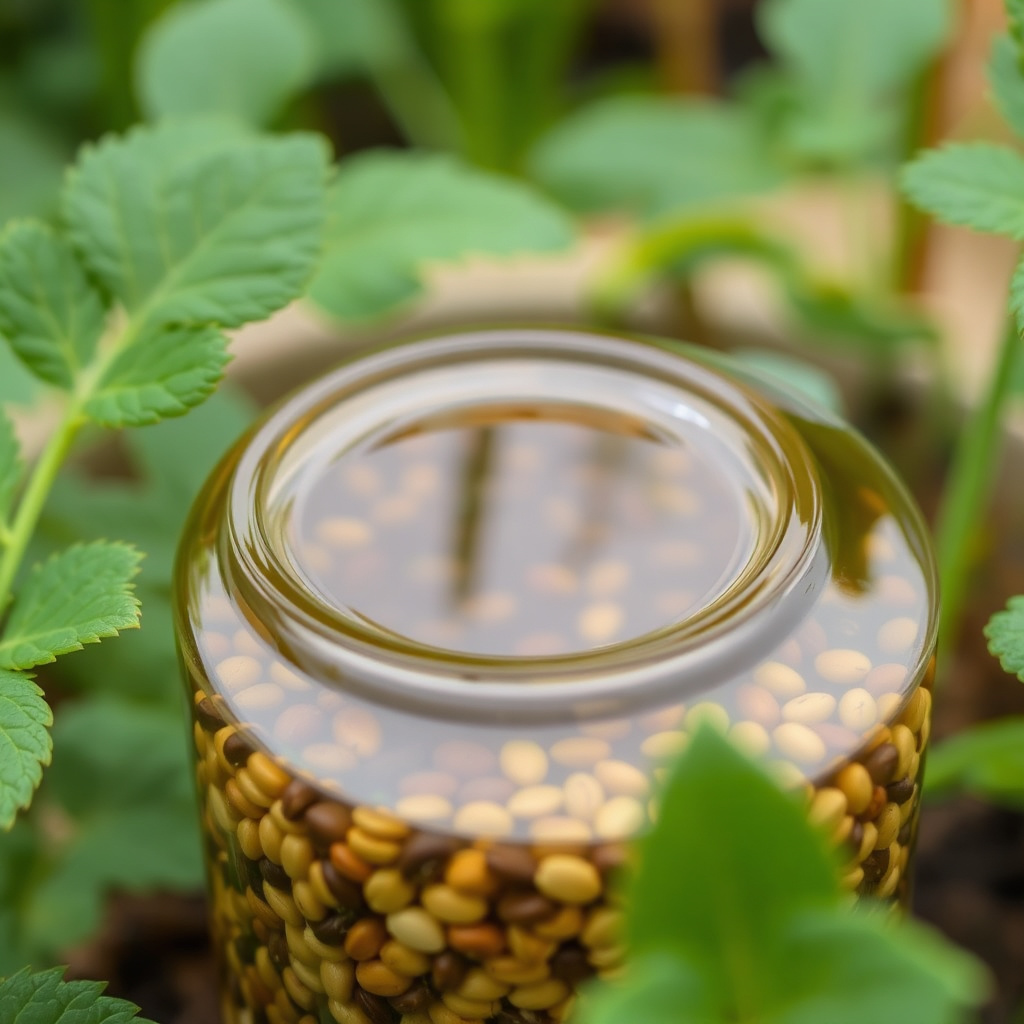
Cold stratification, scarification, and soaking are common treatments that improve germination rate by overcoming seed dormancy. These methods prepare seeds to break tough seed coats or enter metabolic activity.
Each species responds differently: for instance, cold stratification suits temperate seeds, while scarification helps hard-coated legumes germinate faster.
- Cold stratification duration
- Mechanical or chemical scarification
- Pre-soaking in water
For more on this, see our related guide: How to Prevent Mold During Seed Germination: Effective Tips for Healthy Sprouts.
Environmental Adjustments for Better Results
Optimal soil temperature and moisture levels promote enzyme activity inside the seed, supporting sprout emergence. Using seed-starting mats and moisture-retentive substrates helps maintain these conditions consistently.
Avoid overwatering or excessively dry soil, which inhibit germination. Using light control may benefit some seeds requiring darkness or exposure to germinate.
Germination Rate in Different Crops and Seeds

Typical Germination Rates by Crop Type
Vegetable seeds often have germination rates around 80-95%, with some species like lettuce germinating rapidly. Cereals like wheat or corn typically show rates of 85-90%, reflecting their cultivated seed quality.
Flower seeds vary widely due to dormant mechanisms; some native wildflowers may have low germination percentages even under ideal conditions.
- Vegetables: 80-95%
- Cereals: 85-90%
- Flowers: highly variable
For more scientific details on the germination process, visit the Germination article on Wikipedia. Germination article on Wikipedia.
Handling Seeds With Low Germination Rates
Seeds with inherently low germination can sometimes be treated or sown in higher densities to compensate. Hand-cleaning and sorting out damaged seeds before sowing help improve overall germination rates.
Certain seeds require specialized protocols like alternating moist and dry storage to improve germination percentage over time.
Germination Rate Comparison Across Seed Categories
The table below compares germination rates typical for various seed categories, helping you evaluate quality and expectations for each type.
| Seed Category | Average Germination Rate (%) | Typical Time to Germinate (days) | Common Treatment Needs |
|---|---|---|---|
| Vegetable Seeds | 85-95 | 3-10 | Soaking, warm soil |
| Cereal Grains | 80-90 | 5-14 | Standard moisture and temperature |
| Flower Seeds | 50-85 | 7-21 | Cold stratification, scarification |
| Legume Seeds | 75-90 | 7-14 | Scarification required |
| Native Wildflower Seeds | 30-60 | 14-30 | Long stratification, light sensitivity |
Frequently Asked Questions
How do you calculate germination rate?
Germination rate is calculated by dividing the number of seeds that successfully sprout by the total tested seeds, then multiplying by 100 to get a percentage.
What causes a low germination rate?
Low germination rates can result from poor seed quality, improper storage, unsuitable environmental conditions, or dormancy that wasn’t properly broken before sowing.
Can germination rate improve with seed treatments?
Yes, treatments like scarification, stratification, and soaking can help seeds break dormancy and improve germination percentages, especially in hard-coated or dormant seeds.
Why is germination rate important for farmers?
Farmers rely on germination rate to estimate how many seeds to plant to achieve desired crop density, helping optimize yield, reduce costs, and plan field operations.
Does a high germination rate guarantee healthy plants?
A high germination rate shows good seed viability but doesn’t guarantee survival; factors like soil fertility, pests, and disease also affect final plant health.
Key Takeaways
- Germination rate measures the percentage of seeds that sprout successfully.
- Environmental factors and seed quality strongly influence germination rates.
- Testing germination helps predict and improve planting success.
- Seed treatments can significantly boost germination percentages.
Conclusion
When deciding on planting seeds, understanding germination rate is fundamental. This metric reveals not only the viability of your seeds but also impacts how you plan planting density and resource allocation. Considering seed quality and testing germination rate before sowing can save costs and improve crop outcomes by informing you about the expected percentage of seeds that will sprout under your conditions.
For those working with different seed types, the approach varies. Vegetable seeds generally show higher germination percentages, making standard sowing straightforward. However, for seeds like wildflowers or legumes with lower natural germination rates, special treatments such as scarification or stratification are recommended to increase success. Using germination test data enables you to adapt seeding quantities to compensate for lower germination percentages, ensuring you plant enough viable seeds for your goals.
If you want reliable results, start by conducting a simple germination test using several seeds from your batch under controlled moisture and temperature. Note the germination percentage and adjust your planting plans accordingly. Combining these insights with correct seed treatment and environmental care will maximize your chances of healthy, vigorous plant growth, making germination rate a practical and powerful tool in your gardening or farming practices.