How to Make Seed Starting Mix for Healthy Plant Growth
Making a seed starting mix at home is straightforward and effective, providing the right environment your seeds need to sprout and grow strong. It typically combines light, well-draining materials such as peat moss or coco coir, perlite or vermiculite, and sometimes compost to balance moisture retention and aeration.
Healthy seedlings depend on a seed starting mix that offers gentle support to delicate roots while maintaining proper moisture levels without becoming waterlogged. Store-bought mixes can be costly or contain unwanted additives, so crafting your own gives control over quality and ingredients.
This article explains the key ingredients for seed starting mix, how to prepare and sterilize it, variations for different seeds, and tips to maintain the ideal environment for germination and early growth.
Essential Ingredients for Seed Starting Mix

Peat Moss and Coco Coir: The Base
Peat moss is a classic base material known for its ability to retain moisture while remaining porous. Coco coir, derived from coconut husks, is a popular sustainable alternative with similar water retention and aeration properties.
Both materials provide a light texture that helps roots penetrate easily but need to be balanced with other components because peat moss tends to be acidic and holds moisture tightly.
- Peat moss: high water retention, slightly acidic
- Coco coir: renewable, pH neutral, good moisture balance
Perlite and Vermiculite: Improving Aeration and Moisture
Perlite is a lightweight volcanic glass that improves drainage and air circulation within the mix, preventing the soil from becoming compacted or waterlogged.
Vermiculite, a mineral that expands when heated, holds moisture well and helps distribute water evenly, making it ideal for seeds requiring consistently moist conditions.
- Perlite: enhances drainage and airflow
- Vermiculite: retains water and nutrients
Balancing Nutrients and Texture in Seed Starting Mix

Adding Compost for Nutrients
Most seed starting mixes avoid heavy fertilizers because young seedlings are sensitive and get nutrients primarily from the seed itself. However, a small amount of well-aged, fine compost can provide gentle nutrition and encourage beneficial microorganisms.
Use no more than 10-15% compost in the mix to prevent nutrient overload or uneven texture. Sift compost to remove large particles and inhibit seedling damping-off disease risks.
- Use finely sifted compost
- Limit compost to 10-15% of total mix
Achieving the Right Texture and pH
The ideal seed starting mix feels light and crumbly without being dusty or overly moist. It should retain water without becoming soggy, allowing oxygen flow to young roots.
Test and amend pH if needed. A neutral to slightly acidic pH (around 6.0 to 6.5) is best for most seeds. Lime can be added to bind acidity from peat moss if the pH is too low.
- Aim for pH between 6.0 and 6.5
- Adjust texture by balancing water-retaining and drainage materials
Preparing and Sterilizing Your Seed Starting Mix
Mixing Ingredients Thoroughly
Combine your measured peat moss or coco coir with perlite or vermiculite and optional compost evenly in a clean container. Use gloves and a dust mask to avoid inhaling fine particles.
Proper mixing ensures consistent moisture and aeration throughout, which is critical for uniform seed germination.
- Wear gloves and dust mask
- Use a large container for thorough mixing
For more on this, see our related guide: How to Transplant Seedlings Without Stressing Your Plants.
Sterilizing to Prevent Disease
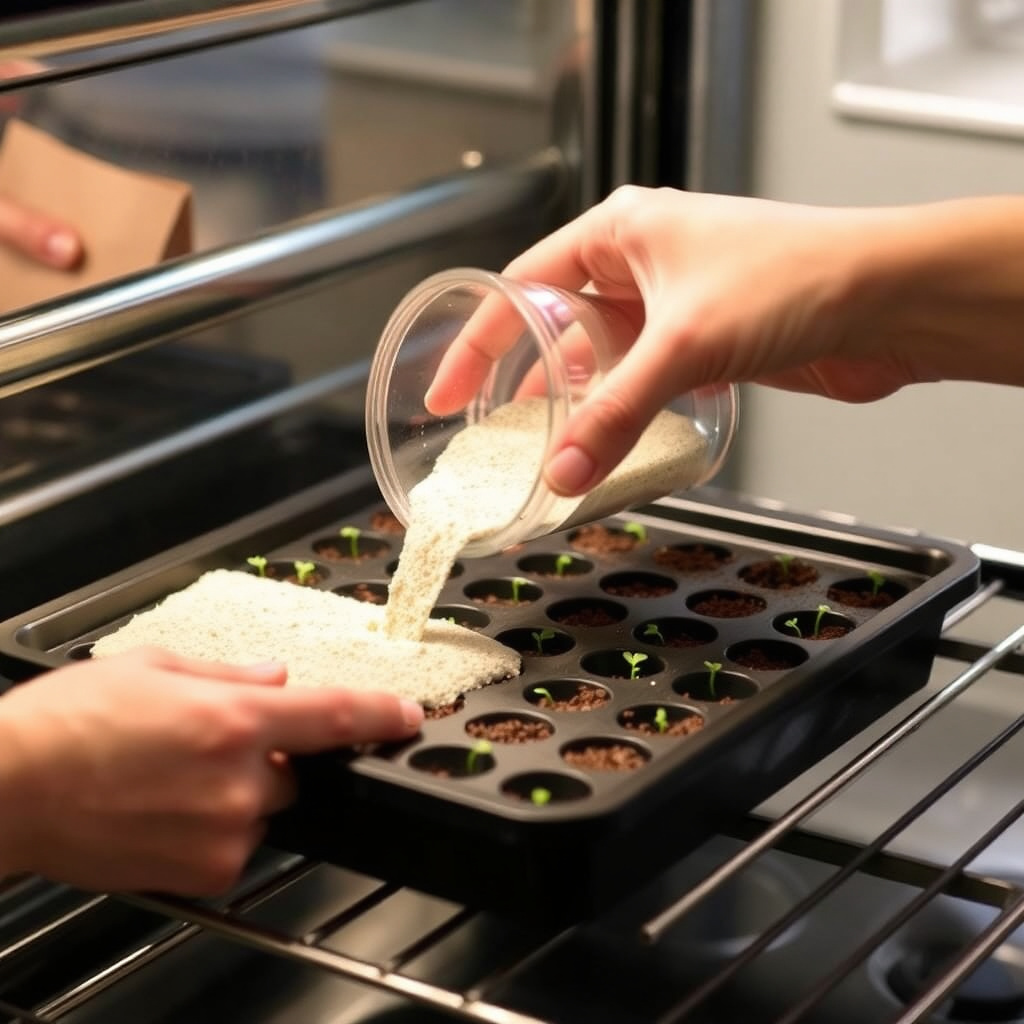
Sterilization kills harmful pathogens that cause seedling diseases like damping-off. You can sterilize the mix in the oven at 180°F (82°C) for 30 minutes or microwave a moist batch in a heat-safe container for 3-5 minutes.
Allow the mix to cool before use; sterile mix promotes strong, healthy seedlings by minimizing fungal or bacterial infections.
- Sterilize at 180°F for 30 minutes in oven
- Microwave moist mix for 3-5 minutes as an alternative
Adjusting Seed Starting Mix for Different Seed Types
Mix Variations for Small or Fine Seeds
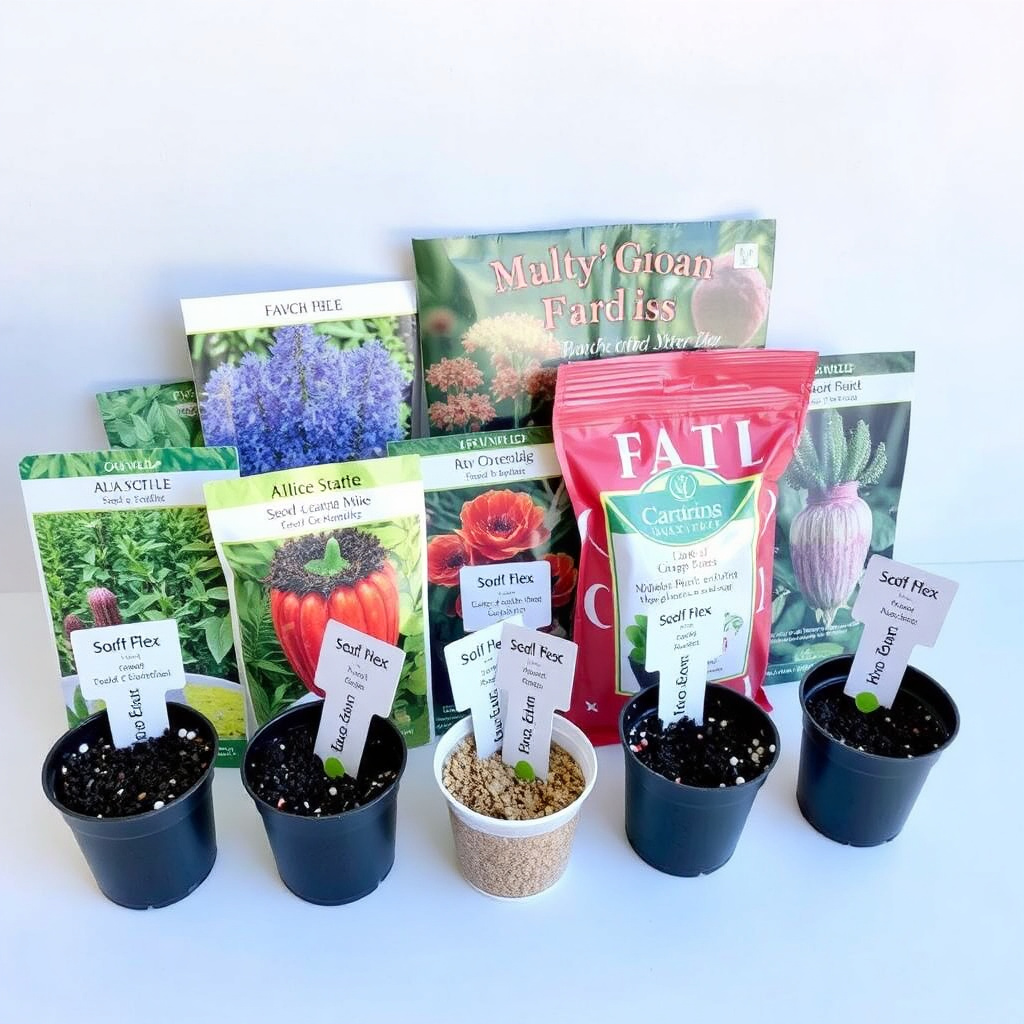
Tiny seeds such as petunias or snapdragons benefit from a very fine, smooth mix with more vermiculite and less coarse perlite to retain moisture and provide a gentle bed.
Sift ingredients through a fine screen to remove large particles that could block seed-root contact and impair germination.
- Increase vermiculite proportion
- Sift mix for finer texture
Heavier Seeds and Those Needing Drainage
Larger seeds like beans or peas require more drainage and space for root expansion. Increase perlite or coarse sand in the mix to prevent waterlogging for these seeds.
Ensure the mix remains light but firm enough to support seed placement and prevent seeds from sinking too deep.
- Add more perlite or coarse sand
- Maintain a balanced, light texture
Maintaining Seed Starting Mix After Planting

Watering Techniques for Seed Starting Mix
Seed starting mix must stay consistently moist but not soggy. Use a spray bottle or gentle watering can to avoid displacing seeds or compacting soil.
Bottom watering trays can help deliver moisture evenly without disturbing the surface, promoting healthier root development.
- Keep mix moist with misting or bottom watering
- Avoid over-saturating to prevent root rot
For more on this, see our related guide: Why Are My Seeds Not Sprouting? Common Causes and Solutions.
Signs the Mix Needs Replacement
After a seedling cycle, the mix may show signs of compaction, sour smell, or mold growth. These indicate declining quality and potential disease risk.
Replace the mix after each growing cycle or refresh by mixing in fresh components for continued success with seed starting.
- Watch for mold or compacted texture
- Replace or refresh mix annually
Using Seed Starting Mix for Transplanting and Beyond

Transplanting Seedlings from Seed Starting Mix
When seedlings develop true leaves and roots fill their starting cells, transplant them carefully into potting soil or garden beds. The light seed starting mix makes root extraction easier with minimal disturbance.
Handle seedlings gently, keeping as much mix intact around roots as possible to reduce transplant shock.
- Transplant at 2-3 leaf stage
- Keep root ball intact during transplant
For more detailed scientific background on seed germination and the role of seed starting mix, visit the seed starting mix article on Wikipedia. seed starting mix.
Extended Use of Seed Starting Mix
Some gardeners reuse seed starting mix for cuttings or herb propagation by refreshing it with compost or fertilizer. Though nutrient-poor, the mix's texture remains beneficial for root growth.
Store unused mix in a dry, cool place to prevent mold and degradation over time.
- Use refreshed mix for cuttings or propagation
- Store unused mix airtight to maintain quality
Seed Starting Mix Types Comparison
This table compares common seed starting mix categories focusing on composition, moisture retention, and suitability for various seed types.
| Mix Type | Typical Ingredients | Water Retention | Best For | Cost |
|---|---|---|---|---|
| Peat-Based Mix | Peat moss, perlite, vermiculite | High | General use, most seeds | Moderate |
| Coco Coir Mix | Coco coir, perlite, vermiculite | Moderate-High | Sustainable choice, moisture-loving seeds | Moderate |
| Compost-Enriched Mix | Peat or coir, compost, perlite | High | Nutrient-loving seeds, herbs | Moderate-High |
| Sand-Amended Mix | Peat or coir, sand, perlite | Low-Moderate | Large seeds needing drainage | Low-Moderate |
| Sterile Synthetic Mix | Coir, perlite, vermiculite (sterilized) | Moderate | Disease-sensitive seeds, professional nurseries | High |
Frequently Asked Questions
Can I use garden soil to start seeds instead of seed starting mix?
Garden soil is too dense and may contain pathogens that hinder seed germination. Seed starting mix is specially formulated for lightness, drainage, and sterility, making it the better choice for seedlings.
How often should seed starting mix be watered during germination?
Seed starting mix should remain evenly moist—not wet—throughout germination. Check daily and water gently using a spray bottle or bottom watering method to avoid disturbing seeds.
Is peat moss or coco coir better for seed starting mixes?
Both are good bases; peat moss holds more moisture and is slightly acidic, while coco coir is renewable and more pH neutral. Your choice may depend on availability and personal preference.
Why is sterilizing seed starting mix important?
Sterilizing kills harmful fungi and bacteria that cause damping-off and other seedling diseases, improving germination success and seedling health.
Can I reuse seed starting mix for multiple seedings?
Reusing mix is possible if refreshed and sterilized between uses to reduce disease risk, but generally replacing it after one seed cycle ensures the best results.
Key Takeaways
- Seed starting mix combines light, moisture-retentive, and aerating materials for ideal seed growth.
- Balancing peat moss or coco coir with perlite and vermiculite creates a supportive environment.
- Sterilizing the mix helps prevent diseases that harm young seedlings.
- Adjust mix texture and ingredients based on seed type and watering needs.
Conclusion
Deciding how to make seed starting mix hinges on understanding the balance needed between moisture retention, aeration, and nutrient level for healthy seed germination and growth. The primary ingredients like peat moss or coco coir provide moisture balance, while perlite and vermiculite ensure air reaches delicate roots. Sterilizing the mixture before use is also essential to safeguard seedlings against diseases, promoting higher success rates. Tailoring the composition to fit specific seed needs, either for fine or heavier seeds, creates the best possible environment for early plant development.
For those beginning with common garden vegetables or flowers, a simple blend of peat moss, perlite, and a small portion of vermiculite will suffice. Seeds requiring more moisture retention, like begonias, benefit from increased vermiculite, while beans and peas thrive with added coarse sand or perlite for drainage. Using compost sparingly provides mild nutrients but shouldn’t dominate the mix. Ultimately, selecting or concocting a seed starting mix depends on seed type, watering practices, and available materials—for most home gardeners, a peat-based or coco coir mix balanced with aeration amendments is reliable and cost-effective.
Start by experimenting with a basic recipe mixing equal parts peat moss or coco coir with perlite and vermiculite, then tweak texture and moisture levels based on seed response and environment. Pay attention to sterilization steps and fresher mix conditions for best outcomes. With a well-made seed starting mix, your seedlings will develop robust roots and stems, paving the way for strong, healthy plants ready for transplanting and abundant growth in your garden.