How to Set Up a Grow Tent for Successful Indoor Gardening
Setting up a grow tent involves selecting the right space, assembling the tent frame and fabric, installing proper lighting, ventilation, and reflective materials for optimal plant growth. Getting these elements correctly arranged ensures a controlled indoor environment for your plants to thrive.
An indoor grow tent mimics outdoor conditions and allows precise control over light, temperature, humidity, and airflow. This matters because a well-prepared grow tent can improve crop yields, reduce pests, and allow year-round gardening regardless of weather.
This article will guide you through every step of setting up your grow tent, from choosing the location and assembling the structure, to installing lights, ventilation, and environmental controls. By the end, you'll have a clear path to start your indoor garden confidently.
Choosing the Right Location for Your Grow Tent

Finding a Suitable Space
Identify an area indoors that offers enough room for your grow tent size plus additional space to move around. It should be away from direct sunlight and drafts to maintain stable internal conditions.
The space should have access to electrical outlets and be easy to keep clean. Basements, spare rooms, or garages often work well as they provide consistency in temperature and humidity.
- Avoid damp or humid areas prone to mold
- Check for good ventilation possibilities
- Ensure floor can handle weight of tent and equipment
Preparing the Floor and Surroundings
Protect the floor beneath your grow tent with waterproof mats or trays to catch spills and avoid damage. Also, clear clutter to prevent pests and ease maintenance.
Make sure there is enough clearance for extracting warmed air and for ductwork if using an exhaust system. Accessibility for maintenance is crucial for a successful grow tent setup.
- Use water-resistant materials
- Keep pathway clear for quick access
- Avoid carpeted floors as they retain moisture
Assembling and Setting Up the Grow Tent Structure

Frame Assembly
Most grow tents have a metal pole frame with corner connectors. Start by assembling the base frame and build upwards ensuring poles fit securely to maintain stability.
Follow the manufacturer's manual precisely since some tents include cross braces or adjustable height poles. Using a level can help keep the frame straight and safe.
- Check all pieces before starting
- Tighten connections but avoid over-tightening
- Assemble on a flat, clean surface
Attaching the Tent Fabric
Once the frame is built, carefully unzip or unroll the tent fabric over it. Ensure the reflective inner lining is facing inside for maximal light efficiency.
Zip all sides and seal any openings designed for cords or ventilation to prevent light leaks and maintain a controlled environment.
- Align door zippers carefully
- Seal all seams tightly
- Double-check reflective interior for tears
Installing Lighting for Your Grow Tent
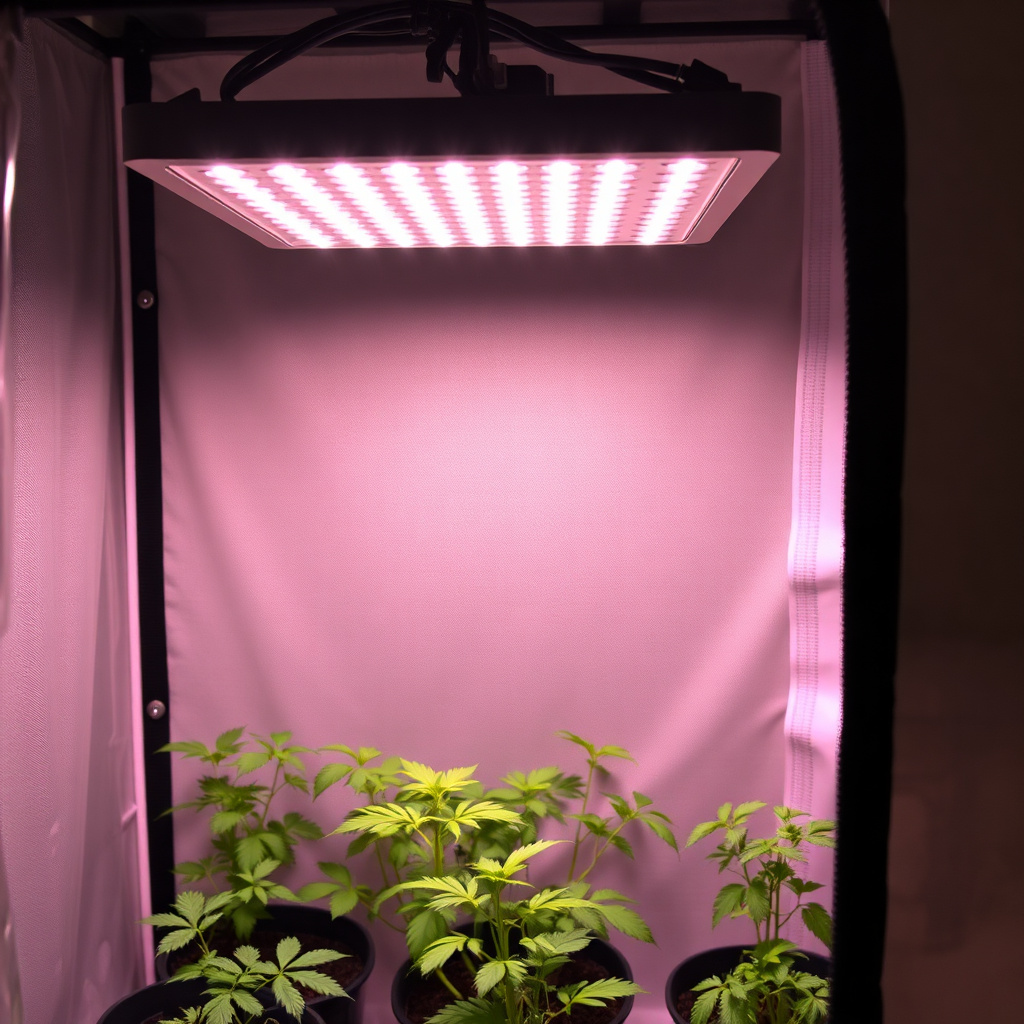
Selecting Grow Lights
Pick lights suited to the type of plants you're growing and the tent size. LED lights are energy-efficient, generate less heat, and have adjustable spectra to match plant growth stages.
Alternatively, HID lights such as MH or HPS offer intense light but require proper cooling setups due to heat output.
- Consider wattage relative to tent size
- Choose lights with adjustable height options
- Verify light spectrum matches growth needs
For more on this, see our related guide: What Affects Plant Growth: Key Factors Explained for Healthy Gardens.
Mounting and Wiring Lights Safely
Suspend lights evenly at the proper distance from plants to prevent burning or stretching. Use adjustable ratchet hangers to modify height as plants grow.
Ensure all electrical wiring is safely routed outside the tent or through sealed ports, avoiding moisture. Use timers for automated light cycles aligned with your plants’ photoperiod.
- Avoid overcrowding lights in one area
- Use surge protectors
- Keep electrical connections dry and accessible
Ventilation and Air Circulation Essentials for Grow Tent Setup

Setting Up Exhaust and Intake Fans
An exhaust fan paired with a carbon filter helps remove heat, humidity, and odors, maintaining fresh air inside the tent. Intake fans or passive vents allow fresh air to enter, sustaining healthy CO2 levels.
Position fans to create airflow that sweeps across plant canopies but avoid direct wind that can stress plants.
- Match fan capacity to tent volume
- Install carbon filter to control odors
- Use ducting to direct air properly
Using Oscillating Fans for Air Movement
Inside the tent, small oscillating fans circulate air around plants, preventing hotspots and reducing mold risk by strengthening stems and leaves.
Place fans securely to avoid contact with plants and adjust speed settings according to plant size and growth stage.
- Avoid blasting air directly on plants
- Position fans for even coverage
- Regularly check for dust buildup on fans
Controlling Environment: Temperature, Humidity, and Monitoring

Managing Temperature and Humidity
Use heaters, air conditioners, humidifiers, or dehumidifiers as needed to keep temperature and humidity within ideal ranges for your plants. Many plants grow best between 70-85°F and 40-60% humidity during vegetative stages.
Regularly adjust based on growth stage, as flowering often requires lower humidity to prevent mold and bud rot.
- Keep a daily log of environment readings
- Adapt equipment as seasons change
- Avoid sudden fluctuations that stress plants
For more on this, see our related guide: Cannabis Flowering Time Explained: How to Optimize Your Grow Cycle.
Monitoring with Sensors and Controllers
Implement digital sensors with remote monitoring apps to track environmental conditions in real-time. Automated controllers can trigger fans, lights, and humidifiers to maintain consistent settings.
These tools reduce manual work and help catch problems early, improving overall grow tent success.
- Choose reliable brands with alert features
- Calibrate sensors regularly
- Integrate devices into a single control panel if possible
Setting Up Hydroponic or Soil Growing Systems Inside the Tent
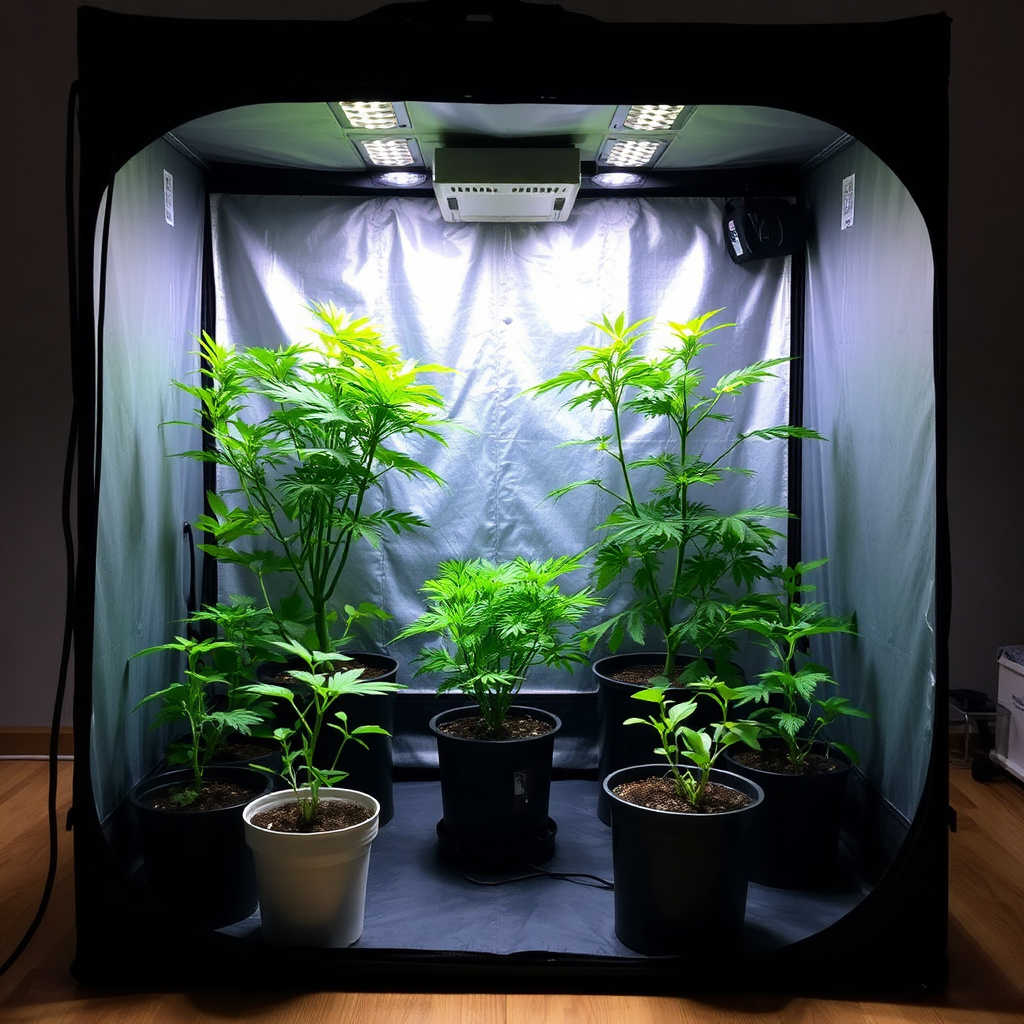
Preparing Soil-Based Growing Systems
If using soil, choose high-quality, well-aerated potting mix and containers with drainage holes. Position plants to maximize light exposure and allow space for root growth.
Soil systems are easier for beginners but require watering management and pest control practices in the grow tent.
- Use pots sized to plant maturity
- Add organic nutrients or fertilizers
- Check soil moisture daily
For more foundational information on grow tents and their uses, see this detailed article on grow tent setup basics. Grow tent setup basics.
Setting Up Hydroponic Systems
Hydroponics eliminate soil by delivering nutrients through a water-based solution, offering faster growth and less pest risk. Options include NFT, deep water culture, or drip systems adapted to the tent size.
This approach demands monitoring water quality, pH, and nutrient concentration regularly to prevent deficiencies or toxicities.
- Select system type that fits space and skill level
- Install water pumps and reservoir securely
- Keep water oxygenated for roots
Grow Tent Type Comparison for Different Indoor Gardens
Here's a comparison of common grow tent types suited for various plant growing needs and spaces to help you select the best option.
| Tent Type | Size Range | Material Quality | Ventilation Options | Ideal Use Case |
|---|---|---|---|---|
| Basic Polyester Tent | 2'x2' to 4'x4' | Standard reflective Mylar lining | Basic vent ports | Beginner hobbyists, small herbs |
| Heavy-Duty Canvas Tent | 3'x3' to 8'x8' | Thick, tear-resistant fabric with bright Mylar | Multiple ports, supports large fans | Intermediate growers requiring durability |
| Commercial Aluminum Frame Tent | 4'x4' to 10'x10'+ | Premium reflective lining with reinforced structure | Optimized airflow with modular ducting | Serious growers and hydroponic setups |
| Compact Grow Tent Closet | 1'x1' to 2'x2' | Lightweight with reflective coating | Minimal venting, usually passive intake | Small-space microgreens or seedlings |
Frequently Asked Questions
How much space do I need around my grow tent?
Allow at least 1 to 2 feet of clearance on all sides of the grow tent for easy access, ventilation, and electrical hookups. This also helps avoid blocking air intake and exhaust ports.
What type of grow lights are best for beginners?
LED grow lights are recommended for beginners due to their energy efficiency, lower heat output, and adjustable spectrum options suitable for all plant stages.
Can I use a grow tent without ventilation?
Proper ventilation is essential to prevent heat buildup, maintain fresh air circulation, and control humidity. Using a grow tent without ventilation risks plant health and yields.
How often should I check the environment inside the grow tent?
Daily monitoring of temperature and humidity is ideal, especially during critical growth stages. Automated sensors can also help track conditions continuously.
Is soil or hydroponic growing better for a grow tent?
Both have pros and cons: soil is more forgiving and familiar for beginners, while hydroponics enables faster growth but requires more precise nutrient and water management.
Key Takeaways
- Choose a location with space, power access, and good conditions for your grow tent
- Assemble the frame and fabric carefully to ensure light-tightness and structural stability
- Install appropriate lighting and ventilation for plant health and odor control
- Monitor temperature and humidity regularly using sensors or manual tools
Conclusion
Setting up a grow tent is a practical way to create a controlled, productive indoor garden. Your decisions from location choice to equipment installation shape the environment your plants will thrive in. By carefully arranging each component—tent frame, lighting, ventilation, and monitoring tools—you build a stable microclimate that encourages healthy growth and maximizes yields. The process requires attention to detail and thoughtful preparation but offers immense satisfaction when you see flourishing plants inside your tent.
For beginners or hobbyists, a basic polyester tent paired with LED lighting and a simple exhaust fan can deliver excellent results with minimal complexity. Intermediate growers might prefer heavy-duty canvas tents offering enhanced durability and room for superior ventilation setups. Serious growers using hydroponics or larger-scale operations benefit from commercial-grade aluminum frame tents with optimized airflow and environmental controls. Regardless of the system, combining good grow tent setup practices with consistent monitoring ensures your indoor garden reaches its full potential.
To move forward, start by sizing your grow tent to fit your space and goals, then assemble according to the manufacturer's instructions while investing in quality lighting and ventilation suited for your plants. Keep track of conditions inside the tent and adjust as needed. Growing indoors can be both rewarding and efficient when you get the foundational setup right. With patience and care, your grow tent will provide a thriving environment that supports healthy plant development all year round.