How to Prevent Seeds from Drying Out: Essential Tips for Gardeners
Preventing seeds from drying out is key to maintaining their viability and ensuring successful germination. The simplest way to stop seeds from losing moisture is by controlling their environment—avoiding exposure to air, heat, and fluctuating humidity. Proper packaging and storage conditions protect seeds from damage that can lead to drying out and loss of vitality.
Seeds are living organisms that require a balance of moisture to stay viable. When seeds dry out excessively, their internal tissues can deteriorate, drastically reducing germination rates and seedling vigor. For gardeners and seed savers, preserving seed moisture within ideal limits can mean the difference between a productive garden and a failed crop season.
This article will cover practical approaches to keep seeds from drying out, including suitable storage containers, environmental considerations like temperature and humidity, and best practices for sowing. You'll also find details on seed storage methods and how to recognize signs of seed desiccation before planting.
Understanding Seed Moisture and Viability

The Role of Moisture in Seed Health
Seeds contain a specific moisture content required for them to remain viable over time. Too little moisture causes seeds to dry out, leading to the breakdown of cellular components and reduced germination potential. On the other hand, excess moisture might induce mold or premature germination, which can spoil the seeds before they are sown.
Each seed type has an optimal moisture range during storage, typically between 5% and 12%. Maintaining this balance is essential for long-term storage and successful planting. Understanding these moisture thresholds guides effective seed handling and storage strategies.
Signs Your Seeds Are Drying Out
Physically, seeds that have dried out excessively become lighter, brittle, or shriveled. Such seeds may also display uneven coloration or cracked seed coats. These conditions impair the seed's ability to absorb water during germination, resulting in poor seedling development.
Testing germination rates before planting is a practical method to identify whether seeds have dried out. Low germination percentages indicate seed deterioration likely caused by improper moisture levels during storage.
- Brittle texture
- Shriveled appearance
- Cracked seed coats
- Low germination rates
Effective Seed Storage Methods to Prevent Drying Out

Choosing the Right Containers for Seed Storage
Airtight containers such as glass jars with rubber seals or vacuum-sealed bags are excellent for maintaining seed moisture balance. These containers limit air exchange and help preserve consistent humidity around the seeds. Paper envelopes, while popular for short-term use, do not prevent moisture loss over long periods.
Opaque containers can also protect seeds from light exposure, which can affect their longevity. When storing seeds in containers, it is helpful to include silica gel packets or other desiccants, tailored to maintain slightly lower moisture without causing overdrying.
- Glass jars with rubber seals
- Vacuum-sealed bags
- Opaque containers
- Silica gel desiccants
Optimal Environmental Conditions for Seed Storage
Seeds should be stored in cool, stable environments, ideally between 32°F and 41°F (0°C to 5°C). Lower temperatures slow down the metabolic processes, preserving seed viability. Avoid places with fluctuating temperature or humidity levels as these cause moisture shifts inside the seeds.
Basements, refrigerators, or dedicated coolers work well provided they remain dry and away from frost or condensation risks. Always label your seed containers with the date and seed type to monitor storage duration.
- Maintain temperature between 32°F-41°F
- Avoid humidity fluctuations
- Store in dry, dark places
- Label storage containers
Soil Preparation and Sowing Practices to Retain Seed Moisture

Preparing Soil to Support Seed Moisture
Before planting, prepare the soil to have good moisture retention without waterlogging. Incorporating organic matter like compost improves soil structure and maintains even moisture levels around seeds. Loose, well-aerated soil allows seeds to absorb moisture gradually, crucial for proper germination.
It’s advisable to water the soil lightly before sowing to create a damp but firm seedbed, avoiding extremes of wet or dry conditions. This preparation aids in reducing seed drying after planting.
- Add compost to improve moisture retention
- Ensure soil is loose and aerated
- Pre-wet soil to damp condition
- Avoid waterlogged or dry soil
For more on this, see our related guide: What Causes Seeds to Lose Viability and How to Prevent It.
Techniques to Maintain Seed Moisture After Sowing
Mulching with straw, leaves, or fine organic matter can shield seeds from direct sunlight and evaporation. Covering seeded areas with a thin layer prevents rapid moisture loss from soil surface and protects seeds during germination.
Using gentle watering methods like misting keeps soil surface moist without disturbing seeds. Consistent monitoring and light watering ensure seeds stay moist but not soggy, which is critical in preventing drying out during this vulnerable phase.
- Apply mulch to prevent evaporation
- Water gently with mist or light spray
- Monitor soil moisture daily
- Avoid overwatering to prevent rot
Tools and Accessories to Help Keep Seeds Moist
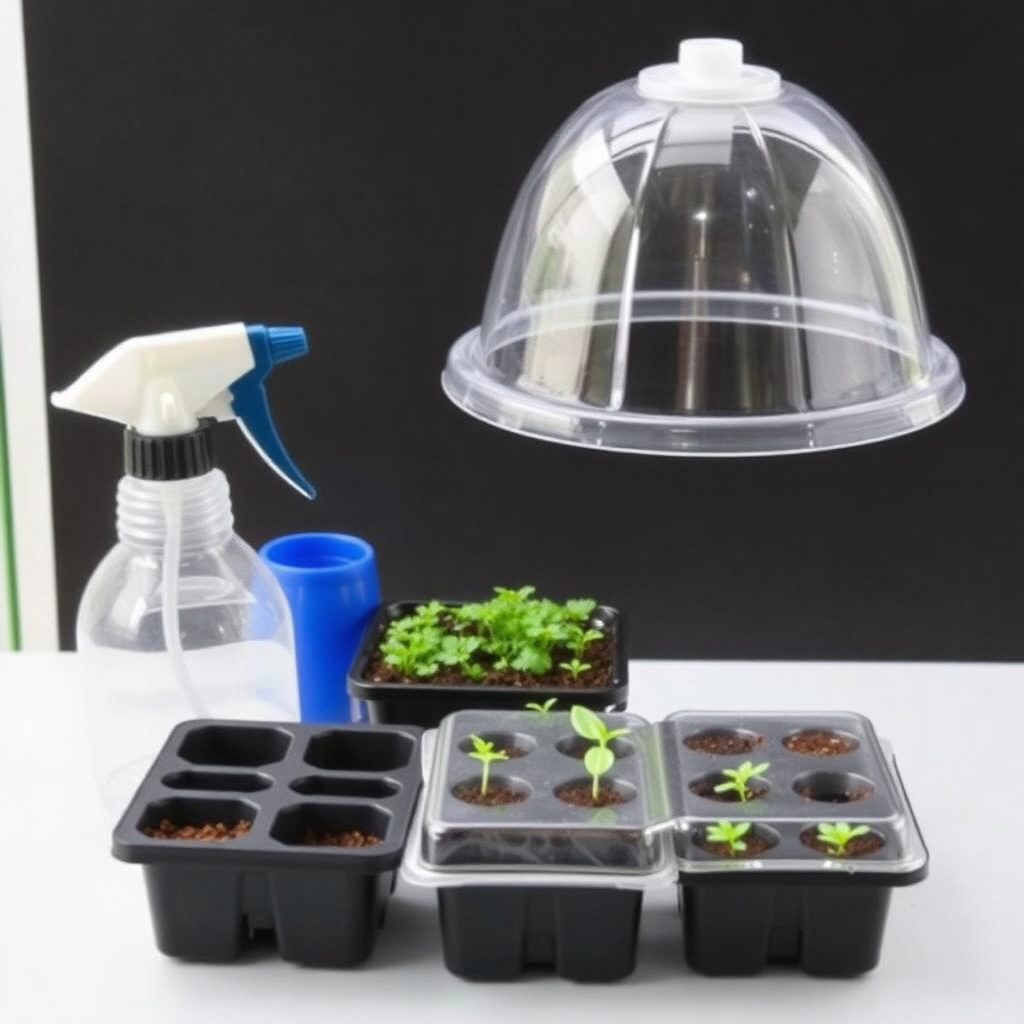
Using Humidity Domes and Seed Trays
Seed trays with clear humidity domes trap moisture and create a mini greenhouse effect, which prevents seeds from drying out during germination. These domes retain humidity while allowing some air exchange, balancing moisture and airflow.
Humidity domes are especially useful indoors or in dry climates where seed moisture can evaporate quickly. Remove domes gradually as seedlings develop to avoid excess moisture buildup that can cause fungal issues.
- Retains moisture with controlled airflow
- Protects seeds from drying in dry environments
- Removable domes for seedling growth stages
Additional Moisture Control Tools
Misting bottles allow precise watering that keeps seedlings and seeds moist without displacing them. Soil moisture meters help monitor conditions to maintain proper moisture levels, preventing dryouts. For long-term seed storage, humidity indicator cards within containers provide a visual cue of internal moisture status.
Combining these tools with proper storage techniques completes an effective approach to seed care and viability preservation.
- Misting bottles for gentle watering
- Soil moisture meters for monitoring
- Humidity indicator cards in storage
Common Mistakes That Cause Seeds to Dry Out

Improper Storage Practices
Storing seeds in paper envelopes exposed to air or warm areas rapidly causes moisture loss, leading to brittleness. Leaving seed packets unsealed or in fluctuating environmental conditions also damages seed quality over time.
Avoid storing seeds near heat sources like radiators or windowsills, as temperature spikes accelerate drying and may kill precious seeds prematurely.
- Using non-airtight containers
- Exposing seeds to heat or sunlight
- Ignoring humidity control
For more on this, see our related guide: How to Store Seeds Long Term for Maximum Viability and Freshness.
Incorrect Watering After Planting
Applying too little water or waiting too long after sowing allows seeds to dry in soil, especially on warm days. Conversely, overwatering may cause fungal growth and failure. Both extremes stress seeds and reduce germination rates.
Regular monitoring and watering as needed prevents drying while protecting seeds from waterlogged conditions.
- Delaying watering after sowing
- Applying water unevenly
- Overwatering and fostering mold
Seed Viability Testing Before Planting

How to Perform a Seed Germination Test
Place a sample of seeds on a moist paper towel and seal it inside a plastic bag to keep humidity consistent. Store the bag in a warm place and check for sprouting over 7–14 days. This helps determine if your seeds have retained moisture and viability.
Counting the number of sprouted seeds gives a germination percentage that predicts how well the seed batch will grow when planted directly in soil.
- Moisten paper towel
- Seal seeds in plastic bag
- Store in warm area
- Observe sprouting over two weeks
For more detailed scientific information on seed longevity and moisture requirements, see this overview of seed viability on Wikipedia. Seed viability on Wikipedia.
Interpreting Test Results and Next Steps
If germination rates are below 70%, seed drying or age may be the cause. Consider replanting fresh seeds or using treatments like pre-soaking or priming to revive seeds. Alternatively, adjust storage techniques to preserve seed moisture better for future batches.
Performing these tests helps avoid wasting garden space on nonviable seeds and guides effective seed management.
Comparison of Seed Storage Methods
Here’s a comparison of popular seed storage methods based on moisture control, longevity, and practicality to help select the best option for your seeds.
| Storage Method | Moisture Control | Shelf Life (years) | Cost | Ease of Use |
|---|---|---|---|---|
| Glass jars with rubber seals | Excellent | 5-10 | Moderate | Easy |
| Vacuum-sealed bags | Very High | 8-12 | High | Moderate |
| Paper envelopes | Low | 1-3 | Low | Very Easy |
| Plastic resealable bags | Moderate | 2-4 | Low | Easy |
| Temperature-controlled seed bank | Optimal | 10+ | Very High | Complex |
Frequently Asked Questions
Can seeds dry out if stored in the refrigerator?
Seeds stored in the refrigerator can dry out if not sealed in airtight containers. Proper packaging with humidity control is essential to prevent moisture loss during cold storage.
Does drying seeds before storage help prevent drying out later?
Yes, drying seeds to their optimal moisture content before storage reduces the risk of rot and preserves viability. However, drying should be controlled to avoid overdrying.
Is it better to store seeds in the dark or light?
Seeds should be stored in dark conditions as light can increase temperature fluctuations and degrade some seed types, reducing viability.
How often should I check stored seeds for drying?
Checking stored seeds every few months for moisture levels and integrity is advisable. Using humidity indicators helps detect drying early.
Can I rehydrate dried-out seeds to improve germination?
Rehydrating seeds by soaking may help some types but often cannot fully restore viability lost due to drying. Seed viability tests guide this decision.
What role do desiccants play in seed storage?
Desiccants help maintain a stable, low humidity environment that prevents excess moisture, which can cause mold without overdrying seeds when properly used.
Key Takeaways
- Maintaining balanced moisture is crucial for seed viability.
- Airtight containers and controlled environments reduce seed drying.
- Proper soil preparation and watering protect seeds after sowing.
- Regular viability testing helps identify seed quality issues early.
Conclusion
When deciding how to prevent seeds from drying out, the approach centers on preserving the right moisture content while protecting seeds from environmental extremes. Understanding seed biology and the effects of moisture changes guides storage and sowing choices that maintain seed health. A methodical plan combining proper containers, environmental control, and gentle soil management effectively guards seeds against drying damage.
Specific recommendations depend on your gardening setup and seed types. For home gardeners storing seeds over several months, airtight glass jars with silica gel packets stored at cool temperatures provide reliable moisture control. For immediate sowing, preparing loose, moist soil beds and using mulch or humidity domes shield seeds from drying as they germinate. Seedbanks or vacuum-sealed bags serve those needing long-term, high-capacity storage. Testing seed viability before planting aids in adjusting your methods for better success.
Practically, start by choosing suitable storage containers and monitoring environmental conditions. Before planting, ensure soil retains moisture, and use gentle watering techniques. Applying these steps consistently to your garden routine boosts seed germination rates and yields healthier plants. Through careful handling and storage, you can confidently prevent seeds from drying out and maximize their growth potential season after season.