How to Plan a Garden: A Step-by-Step Guide for Successful Gardening
Planning a garden begins with understanding your space, climate, and personal goals. Start by measuring your garden area, noting sunlight patterns, and deciding what types of plants or features you'd like to include. This direct approach helps create a clear plan tailored to your environment and preferences.
Gardening is both an art and science, combining aesthetic choices with practical factors like soil quality and water availability. Thoughtful planning saves time and effort later, ensuring that your garden flourishes throughout the seasons and suits your lifestyle.
In this article, we will cover key elements such as site analysis, choosing the right plants, layout options, soil preparation, and ongoing garden care. Whether you're aiming for a vegetable patch, a flower garden, or a mixed landscape, these steps will guide your planning process.
Understanding Your Garden Space
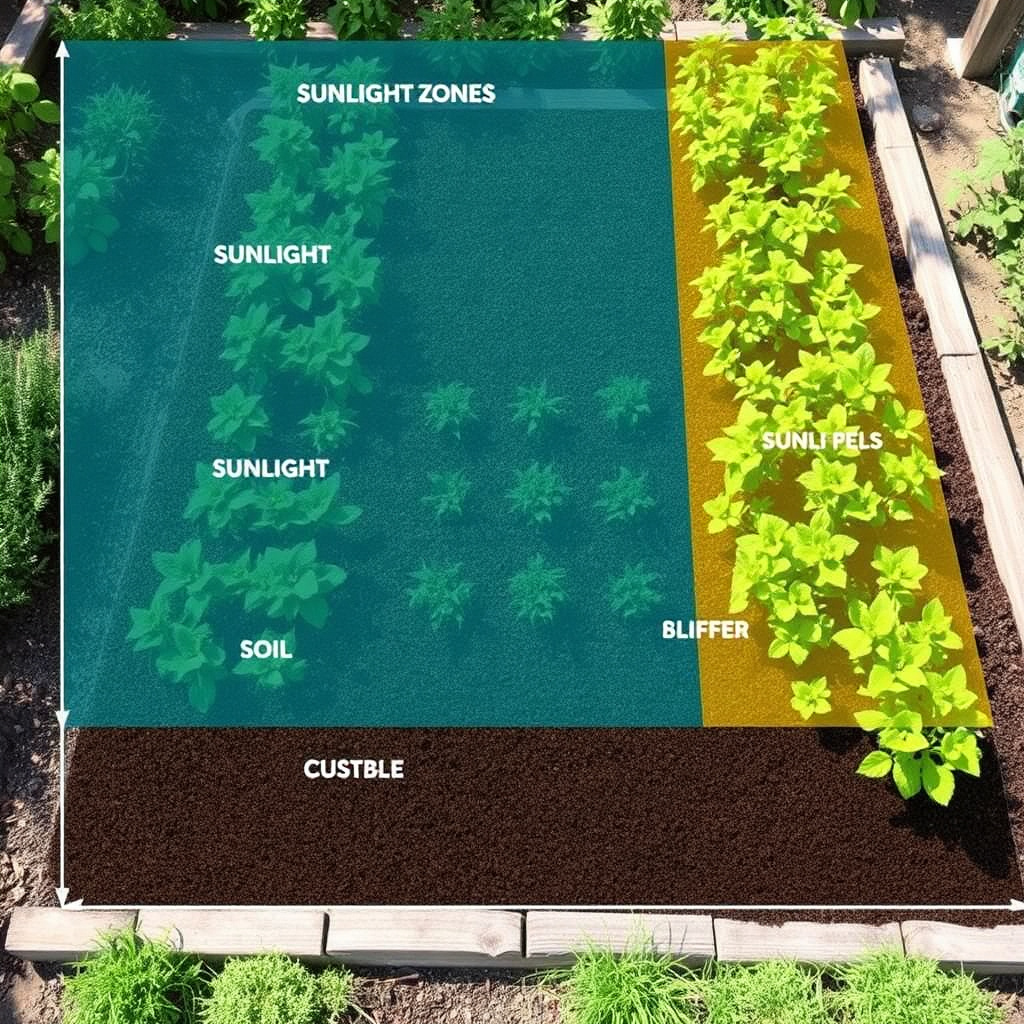
Assessing Soil and Sunlight Conditions
Knowing the soil type and how sunlight moves across your garden is fundamental. Test your soil's texture and pH, then observe which areas receive full sun, partial shade, or full shade throughout the day.
This knowledge dictates which plants will thrive and helps avoid future issues linked to poor site selection, such as weak growth or excessive watering needs.
- Test soil using a kit or send samples to a local extension service.
- Mark sun and shade areas at different times (morning, noon, afternoon).
- Note drainage patterns after rain to identify wet or dry spots.
Measuring and Mapping Your Garden
Create an accurate scaled drawing of your garden area, including boundaries, permanent features like trees or structures, and any slopes or irregularities.
A detailed garden map is a critical planning tool, allowing you to visualize space allocation and coordinate plant groupings and pathways effectively.
- Use graph paper or digital tools for precise measurements.
- Incorporate critical elements such as seating, irrigation points, and walkways.
- Update the map as your garden evolves over seasons.
Selecting Plants and Garden Design Ideas
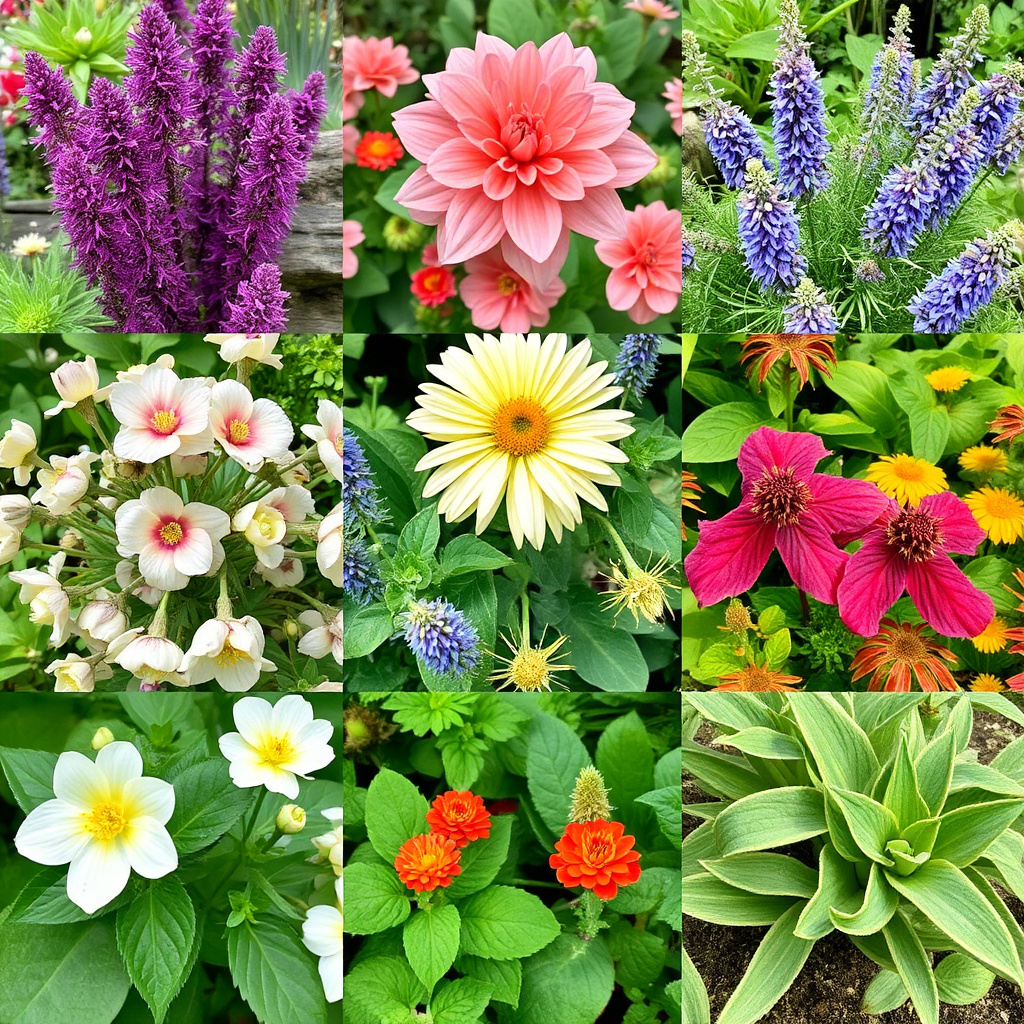
Choosing Plants Based on Climate and Soil
Select plants with growth requirements compatible with your local climate, soil type, and sunlight exposure. Native plants often perform best due to their adaptation to local conditions.
Consider plant height, spread, and seasonal interest to maintain dynamic visual appeal and healthy growth throughout the year.
- Consult local nursery experts or plant hardiness zone maps.
- Group plants with similar water and light needs together.
- Balance annuals and perennials for continuous color.
For more on this, see our related guide: What Affects Plant Growth: Key Factors Explained for Healthy Gardens.
Incorporating Garden Design Ideas and Features
Elements like raised beds, pathways, water features, and seating areas can enhance both function and aesthetics. Use garden design ideas that reflect your personal style while complementing the plant choices.
Plan for practicality, such as easy access to vegetable beds or shaded resting spots, integrating beauty with usability.
- Include focal points like sculptures or flowering shrubs.
- Use curves or straight lines based on the garden’s style.
- Plan irrigation and lighting within your layout.
Preparing the Soil and Garden Beds
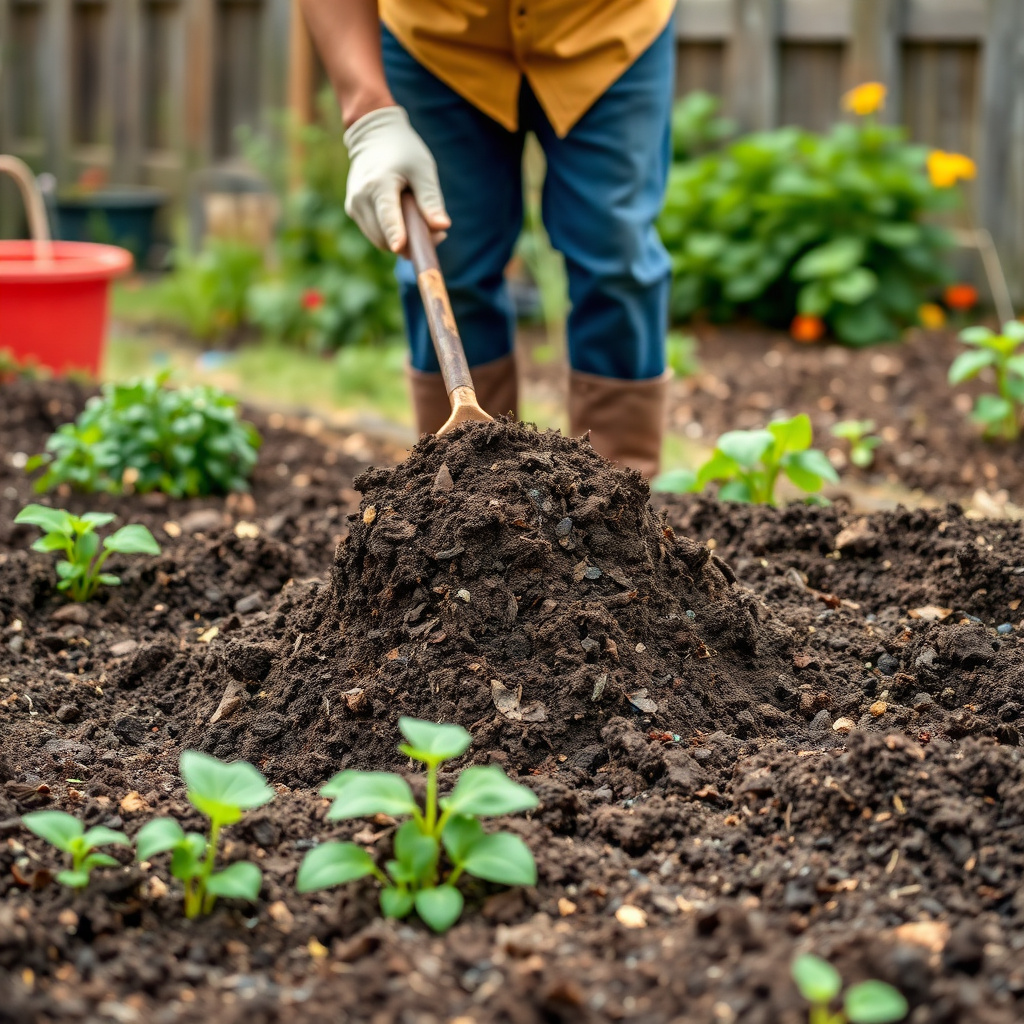
Improving Soil Fertility and Structure
Healthy soil is the foundation of any garden. Amend your soil by incorporating organic matter like compost or aged manure to improve nutrient content and drainage.
Address any compaction or pH imbalances identified during testing to provide the best medium for roots to establish.
- Apply a 2-3 inch layer of organic compost annually.
- Avoid heavy tilling that disrupts soil structure.
- Use soil tests to adjust pH with lime or sulfur as needed.
Building Raised Beds and Defining Planting Areas
Raised beds can help with drainage and soil warming, especially in cooler climates. Clearly defined beds help organize plants and simplify maintenance tasks such as weeding and watering.
Consider materials like wood, stone, or metal for bed borders, ensuring durability and aesthetic harmony.
- Place raised beds in areas with good sunlight.
- Ensure beds have at least 12 inches depth for most plants.
- Incorporate pathways at least 18 inches wide for access.
Layout Planning for Function and Beauty

Arranging Plants by Size and Growth Habit
Place taller plants or those that spread extensively towards the back or center to avoid shading smaller species. Consider mature sizes to prevent overcrowding.
This creates a visually balanced garden where each plant has adequate space and light.
- Use staggered rows to improve accessibility and airflow.
- Avoid placing shade-loving plants in full sun zones.
- Group plants by maintenance needs for efficiency.
For more on this, see our related guide: How to Improve Plant Growth: Practical Tips for a Thriving Garden.
Designing Pathways and Access Routes
Ensure pathways accommodate all garden areas, enabling comfortable movement for tending and enjoying the space. Consider materials like gravel, mulch, or stone for durability and style.
Clear access minimizes plant damage and helps with irrigation or harvest efforts.
- Keep paths at least 24 inches wide where possible.
- Use edging to separate paths from planting beds.
- Incorporate curves to create interest or straight lines for formal designs.
Maintenance Planning and Long-Term Care

Setting Up Irrigation and Water Management
Plan how and when you'll water your garden to maintain healthy plants without waste. Options include drip irrigation, soaker hoses, or manual watering depending on size and plant needs.
Adequate drainage helps prevent root diseases and waterlogging, prolonging plant health.
- Install timers for automated watering systems.
- Group drought-tolerant plants separately.
- Harvest rainwater if possible to reduce utility use.
For a broad perspective on gardening techniques and history, the Wikipedia page on garden planning basics offers valuable insights. garden planning basics.
Regular Tasks and Seasonal To-Dos
Establish a schedule for pruning, fertilizing, mulching, and pest control based on plant species and season. Consistent care reduces problems and keeps your garden vibrant year-round.
Prepare for seasonal changes by protecting tender plants and refreshing soil nutrients.
- Remove dead or diseased foliage promptly.
- Apply mulch annually to regulate soil temperature.
- Rotate crops or plants in vegetable areas to prevent soil depletion.
Garden Planning Methods Comparison
The table below compares popular garden planning approaches, highlighting their advantages and ideal usage scenarios.
| Method | Best For | Complexity | Cost |
|---|---|---|---|
| Grid Layout | Vegetable beds, neat flower plots | Low | Low |
| Curved Naturalistic Layout | Ornamental gardens, mixed plantings | Medium | Medium |
| Companion Planting | Organic vegetable gardens | High | Low |
| Raised Bed Gardening | Poor soil areas, small spaces | Medium | Medium |
| Permaculture Design | Sustainable, self-sufficient gardens | High | Variable |
Frequently Asked Questions
How much sunlight does my garden need for most plants?
Most garden plants require at least six hours of direct sunlight daily. However, some thrive in partial shade, so knowing your garden's sun exposure helps in selecting suitable plants.
Can I start a garden in poor soil?
Yes, by improving soil quality with organic matter, compost, or using raised beds you can create a healthy environment for plants even in initially poor soil conditions.
How often should I water my garden?
Watering frequency depends on plant type, weather, and soil. Typically, deep watering once or twice a week is better than frequent shallow watering, promoting deeper, stronger roots.
What are easy plants for beginner gardeners?
Hardy annuals like marigolds, sunflowers, and lettuce or perennials such as lavender and coneflowers are great for beginners due to their adaptability and low maintenance.
How do I prevent weeds in my garden?
Regular mulching, timely weeding, and maintaining healthy dense plant growth help prevent weeds from taking over your garden spaces.
Key Takeaways
- Start your garden plan by analyzing soil and sunlight precisely.
- Choose plants suited to your climate and soil for success.
- Design your layout with function and aesthetics in balance.
- Plan for ongoing maintenance including irrigation and seasonal care.
Conclusion
Planning a garden successfully requires a structured approach that balances scientific understanding with creative expression. By examining your site’s conditions, selecting appropriate plants, and carefully structuring the layout, you create a garden that is both beautiful and resilient. This process helps prevent common problems such as poor growth or excessive maintenance demands, leading to a more enjoyable gardening experience.
Different gardening methods suit different purposes: grid layouts excel in vegetable or orderly flower beds; raised bed gardening is a practical choice for small or challenging spaces, while permaculture reflects a sustainable, ecological approach. Garden design ideas tailored to your preferences and environment result in personalized spaces, whether you want lush flowers, edible plants, or a mix of both.
Your next step is to gather measurements and conduct soil and sunlight analysis, then develop a detailed garden plan using these insights. Prioritize planting species compatible with your site and map walking routes and features carefully. With this foundation, your garden can grow into a thriving outdoor haven that brings lasting satisfaction and beauty.