Understanding What a Full Spectrum Grow Light Is and How It Benefits Indoor Gardening
A full spectrum grow light is a type of artificial lighting designed to emit light across the entire visible spectrum, closely replicating natural sunlight. It provides all the colors of light that plants need for photosynthesis, growth, and flowering, making it ideal for indoor gardening, hydroponics, and seed starting.
Plants depend on different wavelengths of light at various growth stages. While some grow lights only emit red or blue light, a full spectrum grow light offers a balanced blend of cool, warm, and sometimes ultraviolet and infrared spectrums, mimicking daylight from sunrise to sunset. This helps promote healthy plants indoors where sunlight is limited or absent.
This article will explain how full spectrum grow lights work, their advantages, the types available, what to look for when buying, and how they compare to other grow light options. You will also find practical tips on installation, usage, and energy considerations for your indoor garden.
How Full Spectrum Grow Lights Replicate Natural Sunlight
Visible Light Spectrum and Plant Needs
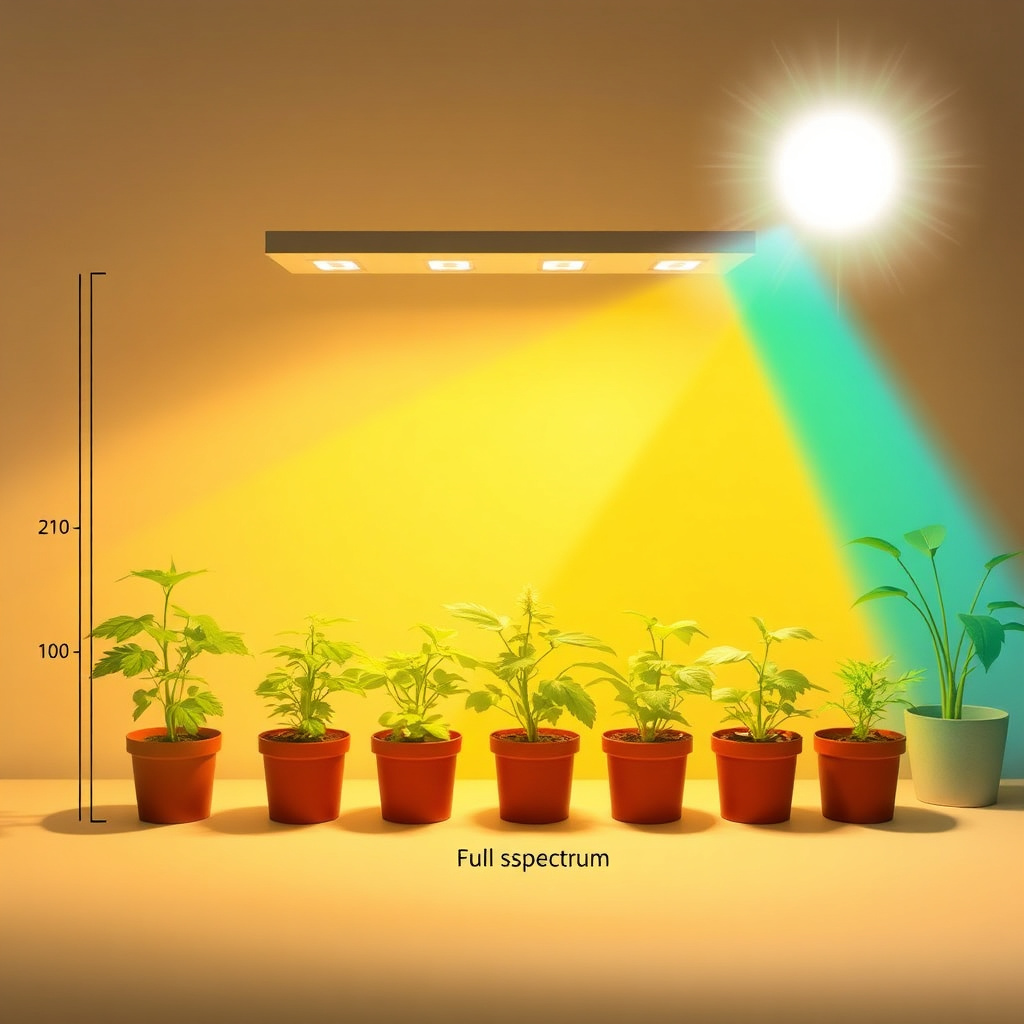
Full spectrum grow lights emit light wavelengths across the visible spectrum from about 400 nm (violet) to 700 nm (red), closely matching the sunlight plants normally receive outdoors. This includes blue light which supports vegetative growth and red light which assists flowering and fruiting. Some models also incorporate ultraviolet (UV) and infrared (IR) light to further simulate natural conditions.
By providing a wide range of wavelengths, these lights allow plants to perform photosynthesis efficiently throughout all growth stages, unlike single-wavelength lights that focus on a narrow portion of the spectrum.
Differences Between Full Spectrum and Single Spectrum Lights
Single spectrum lights emit only one or two parts of the light spectrum, such as red and blue LEDs. While useful for specific growth phases, they can cause uneven development or stress over time.
Full spectrum grow lights avoid this by covering all key wavelengths, reducing the likelihood of deficiencies or abnormal growth patterns. This makes them versatile for growing a variety of plants indoors.
Types of Full Spectrum Grow Lights
LED Full Spectrum Grow Lights
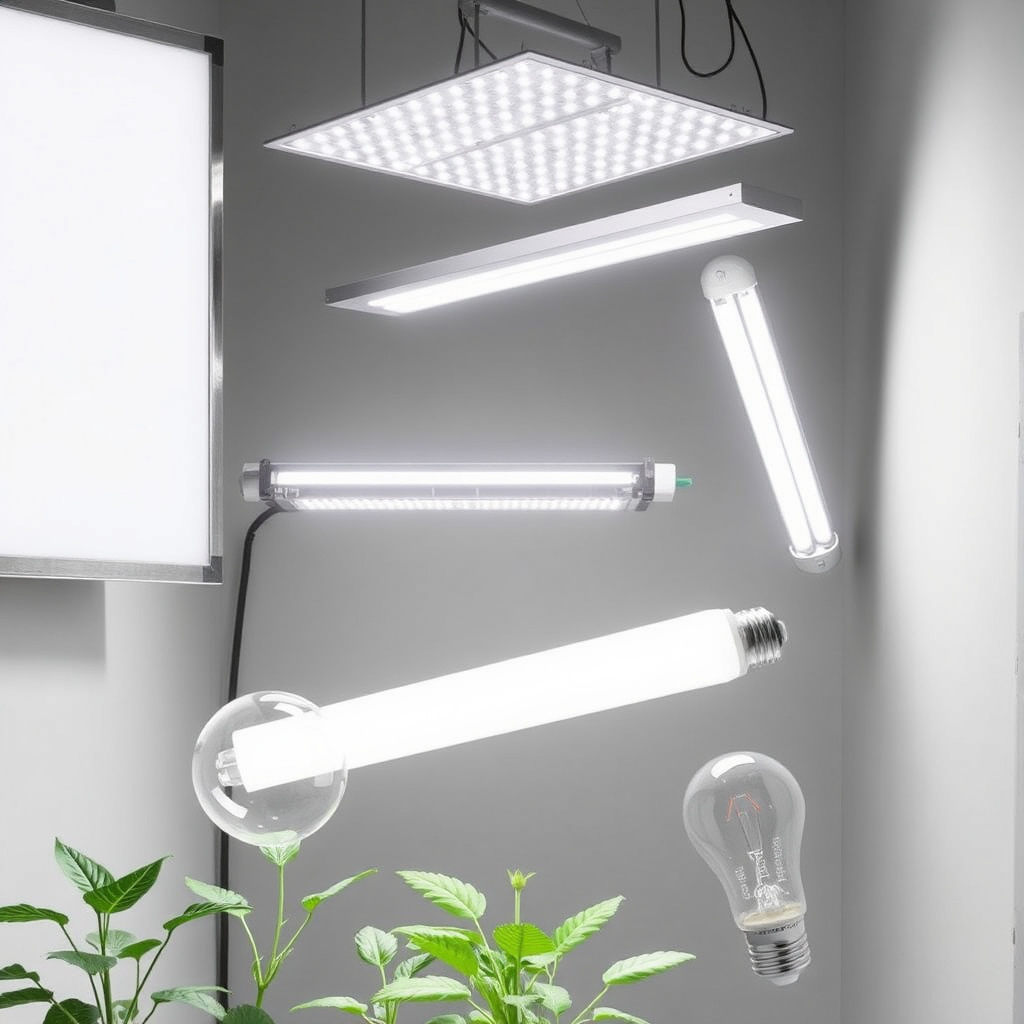
LED grow lights that provide full spectrum light are extremely popular because they are energy efficient, generate low heat, and have a long lifespan. They use an array of LEDs ranging from blue to red with some including white, UV, or IR diodes to mimic sunlight accurately.
These lights offer customizable spectrums, allowing growers to adjust the light composition according to plant species or growth phases.
Fluorescent and HID Full Spectrum Lights
Full spectrum fluorescent lights like T5 tubes emit a balanced light spectrum and are suitable for seedlings and low-light plants. They’re less intense but affordable and widely accessible.
High-intensity discharge (HID) lamps, including metal halide and high-pressure sodium, can also provide broad spectrum light but generate more heat and consume more power, requiring adequate ventilation and energy considerations.
Advantages of Using a Full Spectrum Grow Light
Enhanced Plant Growth and Health
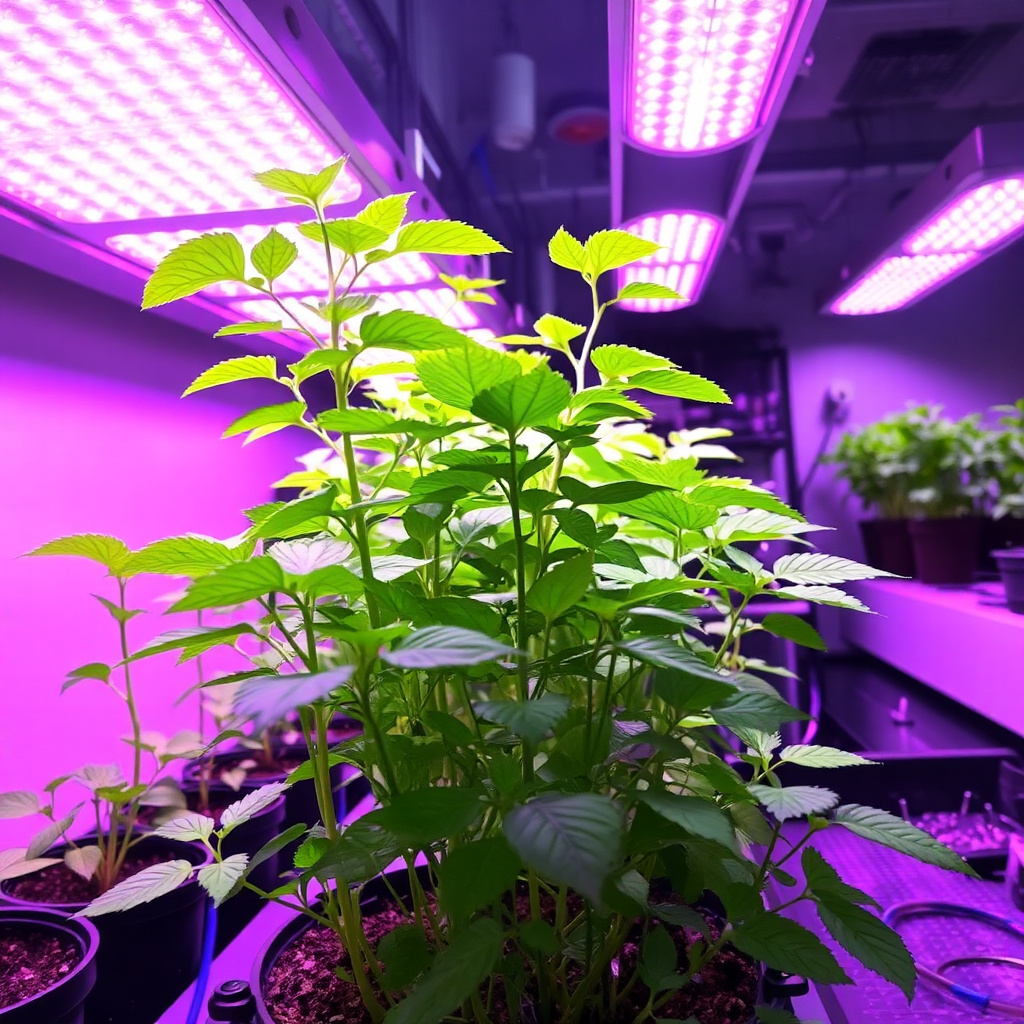
Providing a full spectrum allows photosynthesis to occur more naturally, improving leaf development, stem strength, and flowering quality. Plants grown under these lights often show better color, aroma, and yields compared to those grown under limited-spectrum lights.
This spectrum balance reduces plant stress, minimizes leggy or uneven growth, and supports year-round indoor cultivation regardless of seasonal sunlight changes.
For more on this, see our related guide: What Affects Plant Growth: Key Factors Explained for Healthy Gardens.
Versatility Across Different Plant Types
From leafy greens and herbs to flowering plants and fruiting crops, full spectrum grow lights suit a wide range of species without needing to switch light types during growth stages.
This adaptability makes them ideal for hobby gardeners, commercial growers, or anyone seeking multi-purpose lighting to grow diverse plants indoors.
Factors to Consider When Purchasing a Full Spectrum Grow Light
Light Intensity and Coverage Area
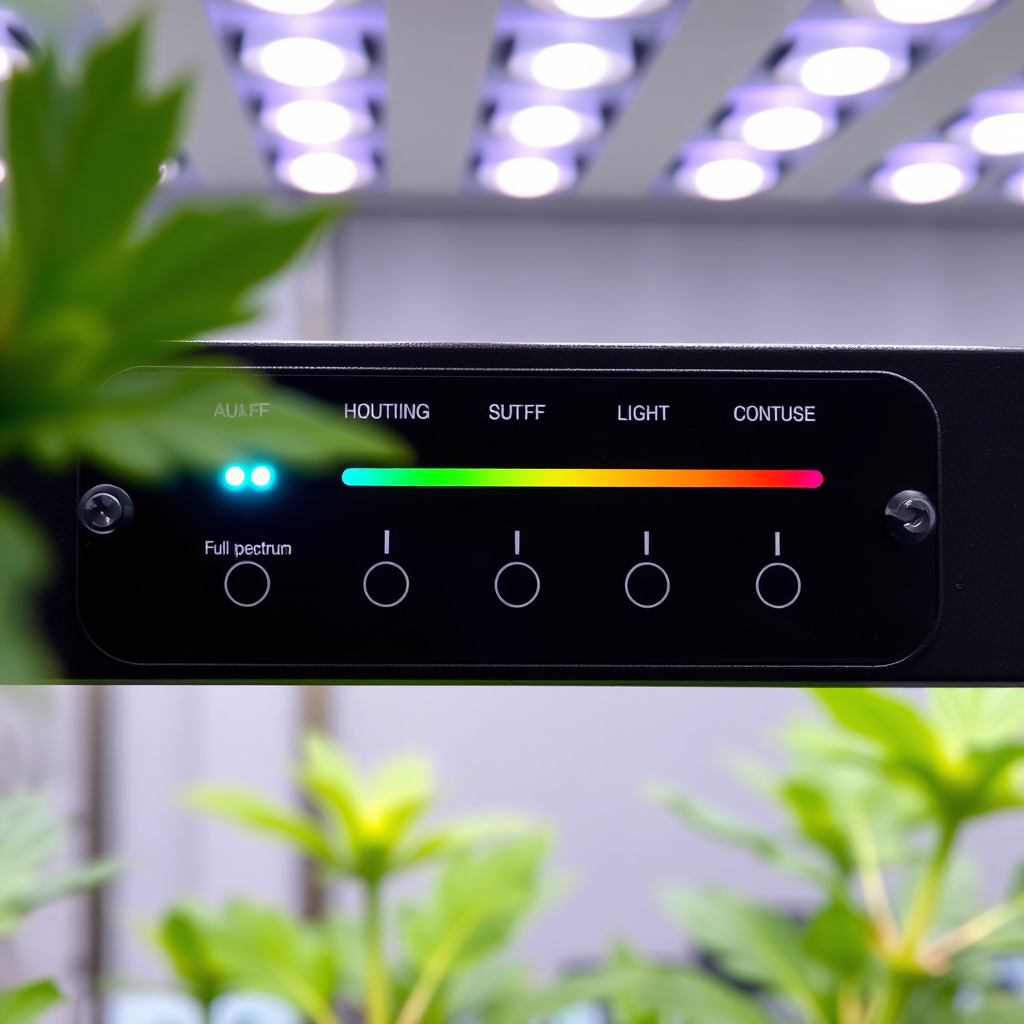
Match the light’s output (measured in PPFD or PAR values) to the size and type of plants in your growing space. Higher intensity is needed for fruiting or flowering plants, while lower levels are adequate for seedlings or herbs.
Check the recommended coverage area of the light to ensure uniform light distribution across all plants.
- Measure your garden area
- Select appropriate wattage
- Consider dimmable options
Durability and Energy Efficiency
Look for grow lights with good build quality, durable materials, and an efficient power supply to reduce electricity costs. LED full spectrum grow lights tend to offer the best energy savings and lifespan compared to fluorescent or HID options.
Consider warranty and manufacturer reputation for long-term reliability.
- Evaluate power consumption ratings
- Consider product warranty length
- Review user feedback on durability
How to Install and Use a Full Spectrum Grow Light Effectively
Positioning and Distance from Plants
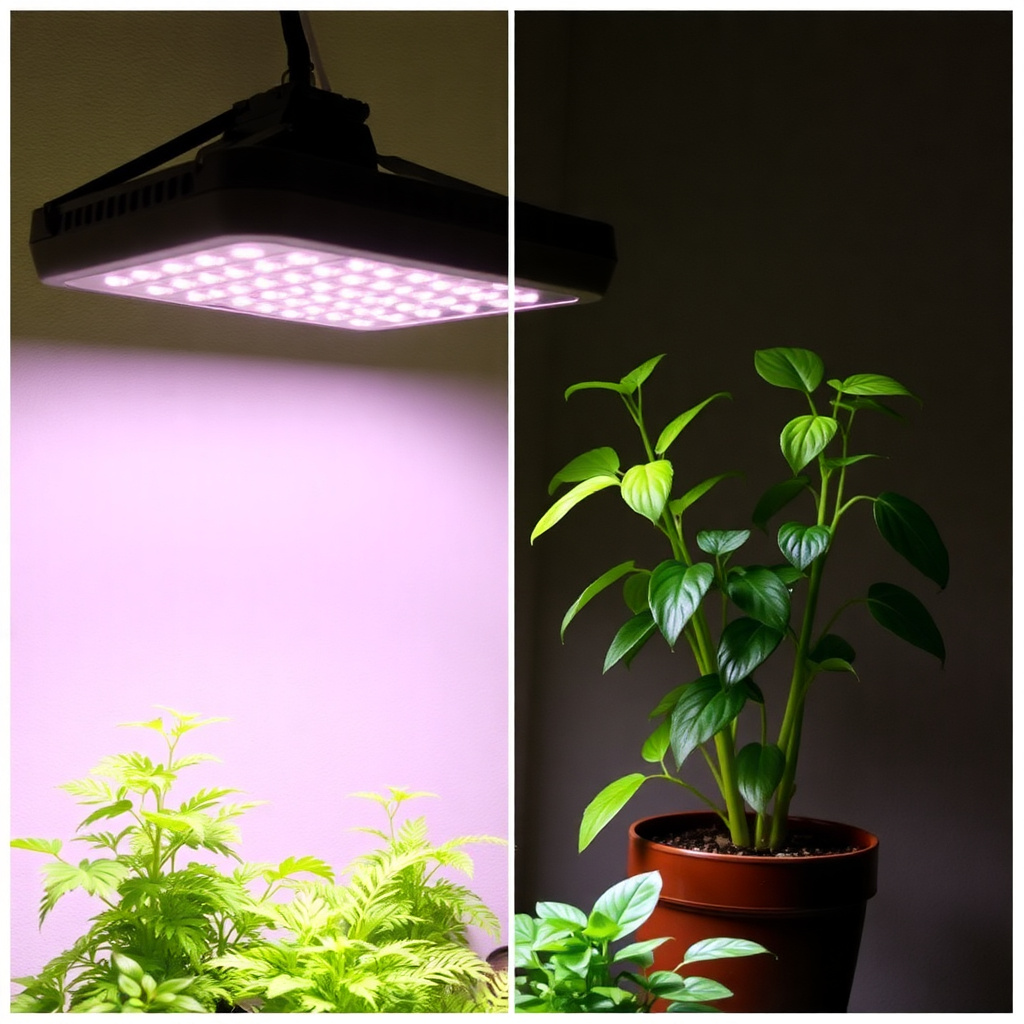
Hang the grow light at the recommended height to prevent burning or shading plants. Distance varies by light type and intensity but typically ranges from 12 to 36 inches.
Monitoring plant responses helps adjust placement—too close can cause leaf damage, too far reduces light effectiveness.
For more on this, see our related guide: Cannabis Flowering Time Explained: How to Optimize Your Grow Cycle.
Setting Light Cycles for Different Growth Stages
Use timers to simulate natural day and night cycles: 16-18 hours of light for vegetative growth and 12 hours for flowering.
Gradually change light durations when transitioning stages to avoid stressing plants.
- Use consistent light schedules
- Adjust cycles as plants mature
- Incorporate dark periods for plant rest
Comparing Full Spectrum Grow Lights to Other Grow Light Options
Pros and Cons of Full Spectrum vs. Red-Blue Lights
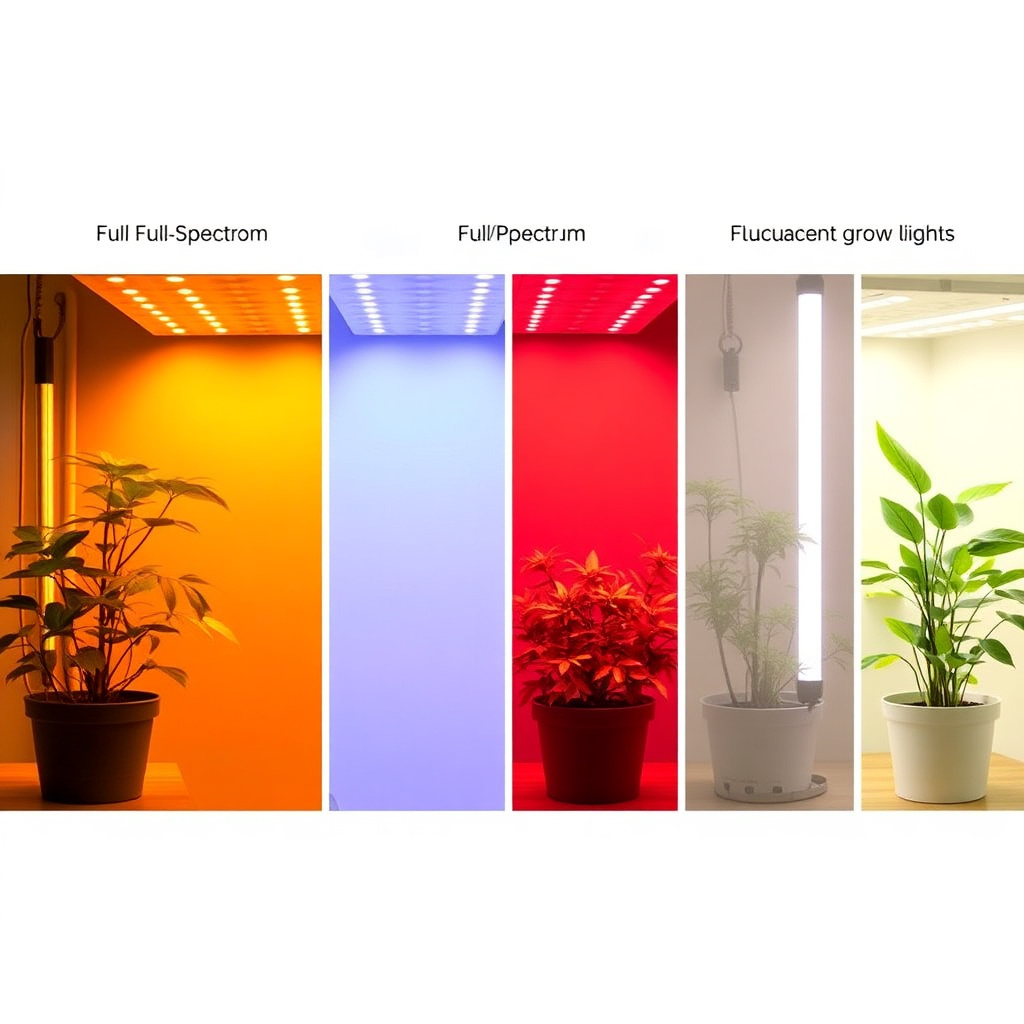
Full spectrum lights offer a balanced natural light environment beneficial for all growth phases, while red-blue lights focus primarily on photosynthesis but may cause stretch or weak stems over time.
Red-blue lights are often cheaper and more energy-efficient for specific stages but less versatile than full spectrum grow lights.
For more scientific details and background, you can consult the full spectrum light information on Wikipedia. full spectrum light information on Wikipedia.
Fluorescent and HID Alternatives
Fluorescent grow lights are cost-effective and gentle on seedlings but lack the intensity for flowering plants. HID lights produce strong light beneficial for flowering but generate more heat and consume more energy.
Compared to these, full spectrum grow lights—especially LED types—strike a balance between energy efficiency and effective spectrum coverage.
Full Spectrum Grow Lights Category Comparison
Here's how different full spectrum grow light types stack up in terms of efficiency, cost, heat output, and lifespan.
| Type | Energy Efficiency | Initial Cost | Heat Output | Lifespan | Best Use Case |
|---|---|---|---|---|---|
| LED Full Spectrum | High | $150-$400 | Low | 50,000+ hours | All growth stages, energy conscious |
| Fluorescent (T5) Full Spectrum | Moderate | $50-$150 | Low | 20,000 hours | Seedlings, herbs, low-intensity needs |
| HID (Metal Halide) Full Spectrum | Low | $100-$300 | High | 15,000 hours | Vegetative growth, commercial |
| HID (High Pressure Sodium) Full Spectrum | Low | $100-$350 | High | 15,000 hours | Flowering, fruiting stages |
Frequently Asked Questions
Can full spectrum grow lights be used for all types of plants?
Yes, full spectrum grow lights support a wide range of plants from leafy vegetables to flowering species by providing balanced light suited for every growth phase.
How far should I hang a full spectrum grow light above my plants?
Distance depends on the light’s intensity; generally, 12 to 36 inches is recommended. Monitor plants for signs of stress and adjust accordingly.
Do full spectrum grow lights use a lot of electricity?
Modern LED full spectrum grow lights are quite energy efficient, consuming less power than older HID or fluorescent models while delivering better light quality.
Is it necessary to change light spectrum during plant growth stages?
While you can adjust spectrum, full spectrum grow lights often provide all necessary wavelengths continuously, reducing the need to switch lights.
Can full spectrum grow lights replace natural sunlight entirely?
They can effectively replace sunlight for indoor plants, offering consistent light cycles and spectrum, though some outdoor benefits like UV exposure may be limited.
Key Takeaways
- Full spectrum grow lights emit a balanced range of light wavelengths mimicking natural sunlight.
- They support healthy plant growth across all developmental stages without needing multiple light types.
- LED full spectrum grow lights offer energy efficiency and long lifespan compared to fluorescent or HID options.
- Proper placement and light cycle management optimize plant health when using full spectrum lights.
Conclusion
Choosing the right grow light is a fundamental step in indoor gardening success. A full spectrum grow light effectively replicates the natural sunlight plants require, supplying various wavelengths to support photosynthesis and overall health. Considering the spectrum balance alongside intensity, coverage, and energy efficiency will help you select the most suitable lighting solution for your garden's needs. Balancing these factors allows for sustained growth and quality yields indoors, mitigating challenges posed by limited natural light.
For those looking for versatile and efficient lighting, LED full spectrum grow lights often present the best option due to their energy conservation and adjustable spectrum features. However, fluorescent full spectrum lights remain useful for smaller setups or seedlings, while HID types may serve commercial growers with higher intensity demands despite their higher heat output and power consumption. Understanding these differences ensures you pick a grow light aligned with your plant types and growth goals, enabling strong vegetation and vibrant flowering.
To start, measure your planting space and research specific light requirements for your chosen crops as you explore available full spectrum grow light models. Installing your light with appropriate distance and timing controls will foster ideal conditions indoors year-round. Whether raising herbs, leafy greens, or flowering plants, a well-chosen full spectrum grow light can transform your indoor garden into a thriving ecosystem. Take the next step by comparing models and preparing your setup accordingly to enjoy the benefits of dependable, natural-like illumination.