What Is Aquaponics? A Beginner’s Guide to Sustainable Farming
Aquaponics is a sustainable farming technique that combines raising fish (aquaculture) with cultivating plants in water (hydroponics) so they mutually benefit one another. Fish produce nutrient-rich waste that feeds the plants, while plants naturally filter and clean the water for the fish. This balanced ecosystem creates a low-waste, water-efficient system for growing food.
This method matters because it uses far less water than traditional soil farming and reduces the need for chemical fertilizers, making it environmentally friendly. Aquaponics offers a promising way to grow fresh food year-round, even in urban or arid environments where soil quality or water access might be limited.
In this article, we’ll explore how aquaponics works, key components of an aquaponics setup, common fish and plants used, benefits and challenges, and design options for beginners and advanced growers alike.
How Aquaponics Works: The Symbiotic Cycle
Role of Fish in Aquaponics
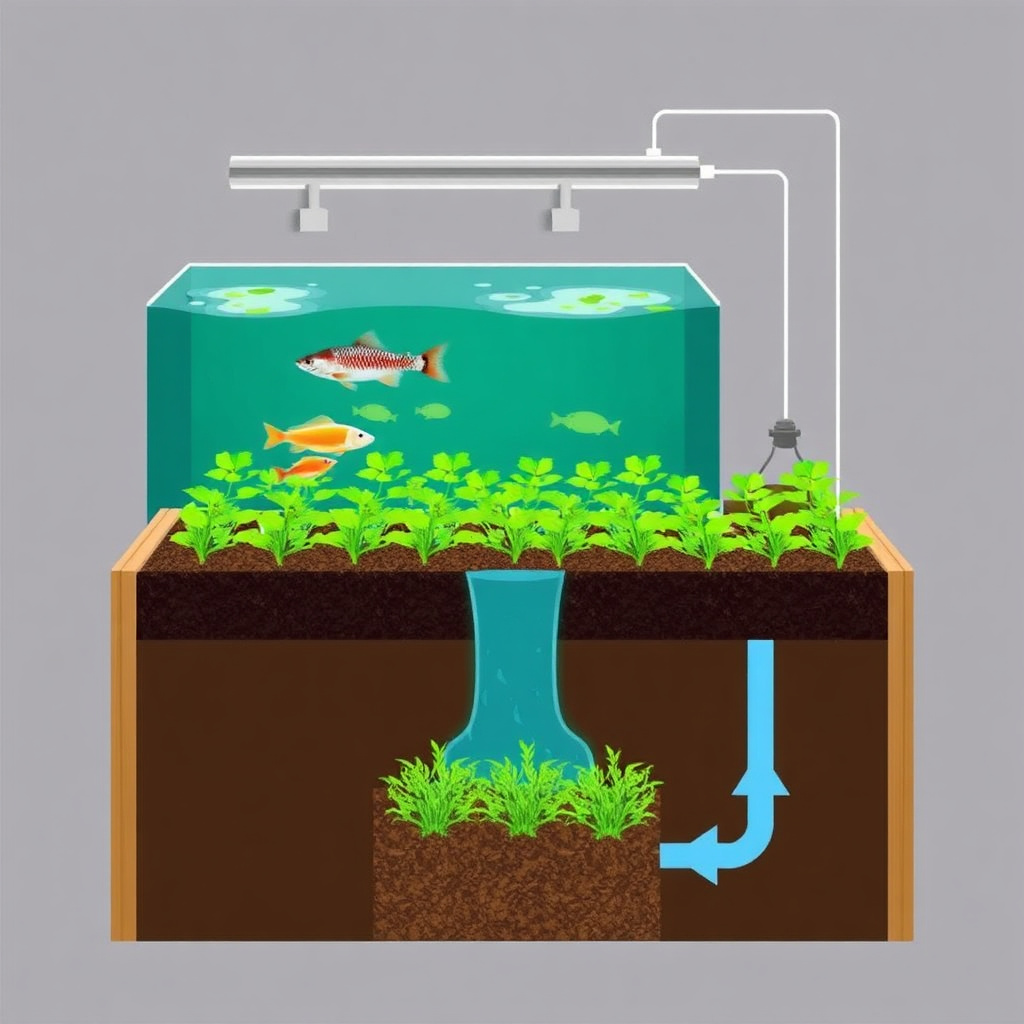
Fish are the core nutrient source in an aquaponics system. They continuously excrete waste containing ammonia, which is toxic to them in high amounts but a valuable nutrient source for plants after being processed.
Beneficial bacteria convert ammonia in fish waste into nitrites and then into nitrates, a form of nitrogen plants can absorb efficiently, closing the nutrient loop in the system.
Plants’ Function in Filtering Water
Plants absorb nitrates and other nutrients from the water, effectively cleaning it before it cycles back to the fish tanks. This natural filtration keeps water quality stable and reduces the need for frequent water changes.
Commonly grown aquaponic plants include leafy greens, herbs, tomatoes, and cucumbers, chosen for their nutrient uptake rates and growth in water-based systems.
Components of an Aquaponics System
Fish Tanks and Aeration
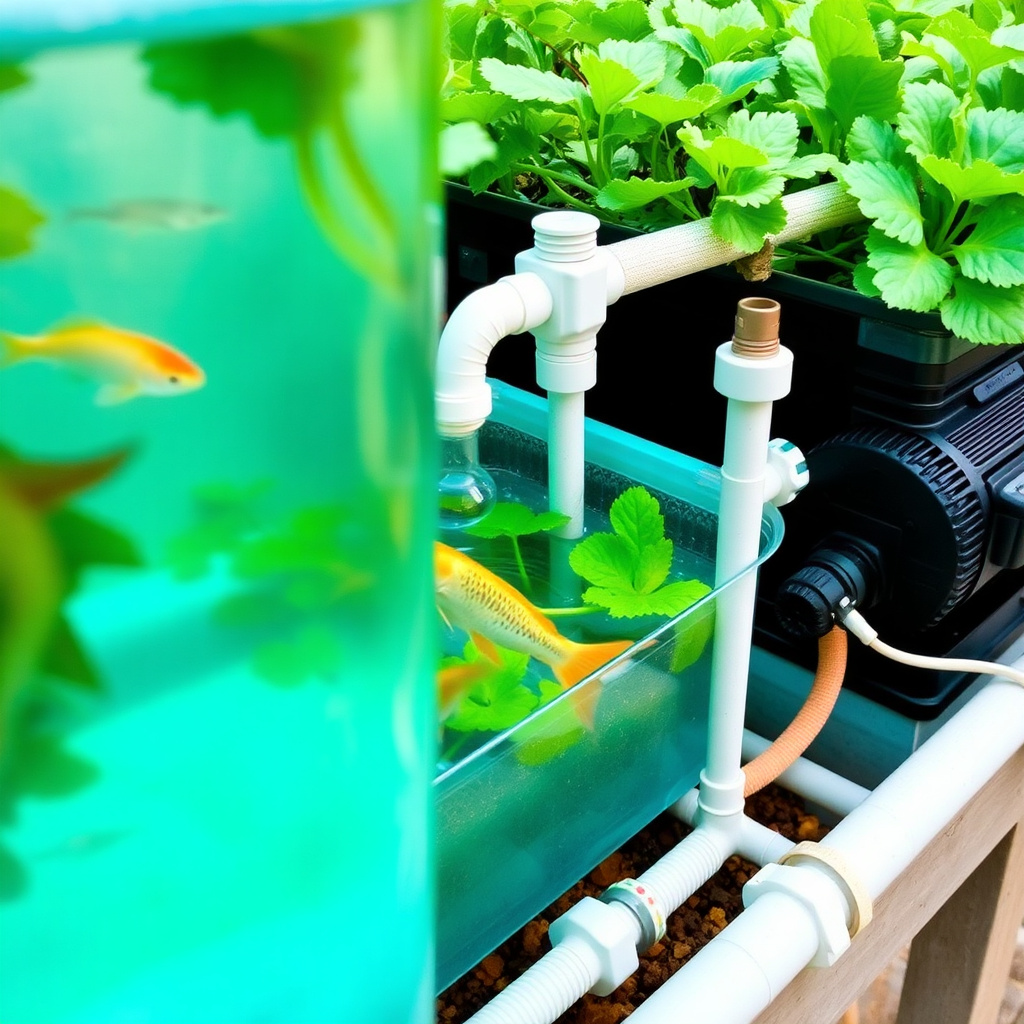
Fish tanks come in various sizes and materials, including plastic, fiberglass, or lined ponds. Proper aeration is crucial to keep oxygen levels safe for fish health, often achieved via air pumps or water circulation.
Tank design should allow easy access for feeding, cleaning, and monitoring fish health. The choice of fish species influences tank conditions needed.
Grow Beds and Media
Grow beds support plant roots and host the beneficial bacteria essential for converting fish waste. Options include floating rafts, nutrient film technique trays, or beds filled with inert media like expanded clay pellets or gravel.
Using the right grow media helps stabilize pH, supports plant roots, and facilitates bacterial growth, each of which is vital for system balance.
Popular Fish and Plants in Aquaponics
Selecting Fish Species
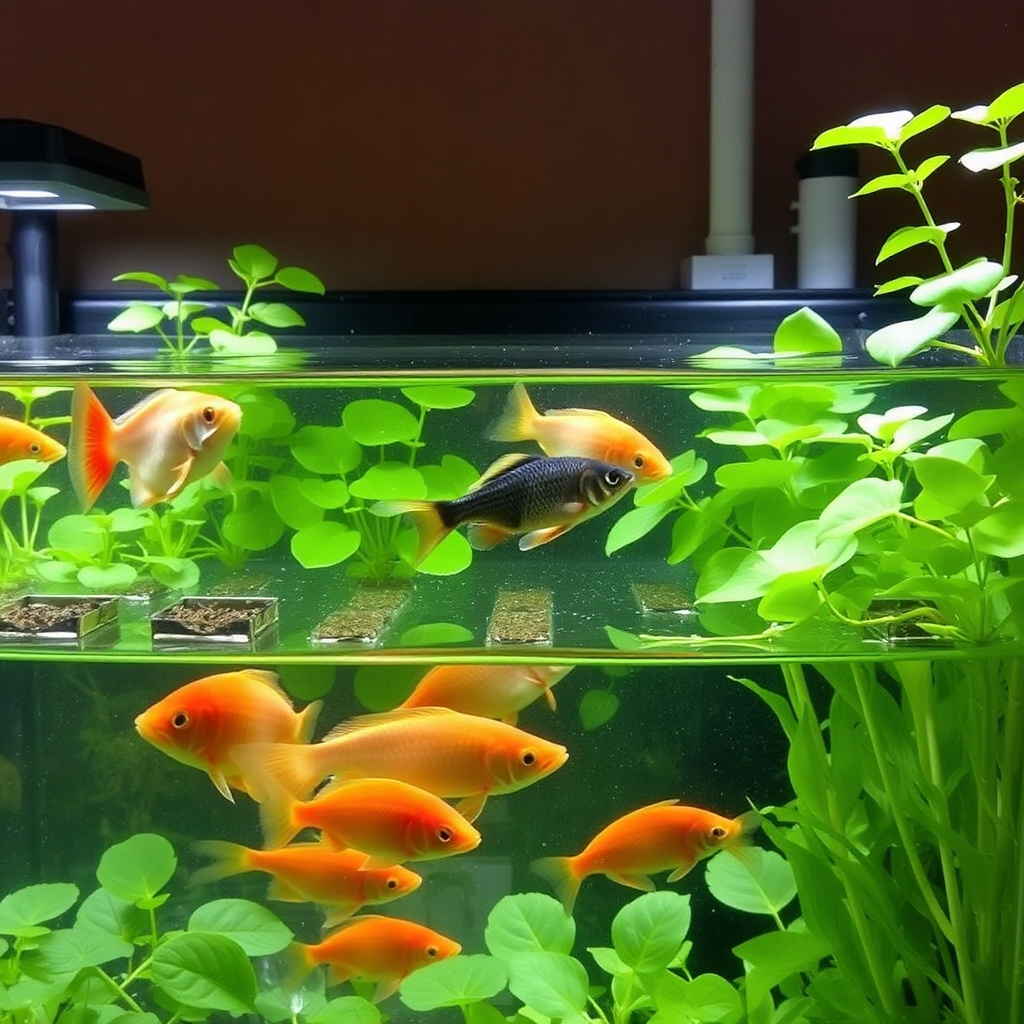
Tilapia is one of the most commonly used fish due to its hardiness and fast growth, but other options like catfish, goldfish, or koi can be used depending on climate and goals.
Fish choice affects water temperature, pH requirements, and feeding needs, all important for system success.
Best Plants for Aquaponics Systems
Leafy vegetables like lettuce, kale, and spinach are suited for aquaponics because they thrive in nutrient-rich water and have relatively short growth cycles.
Herbs such as basil, mint, and parsley also do well, as do fruiting plants like tomatoes and peppers, though they often need adjusted nutrient levels or supplemental lighting.
Benefits and Challenges of Aquaponics
Major Advantages of Aquaponics
Aquaponics uses up to 90% less water than traditional farming and eliminates chemical fertilizers, making it a sustainable food production method with minimal environmental impact.
It also allows crop and protein production in small spaces, offering opportunities for urban farming and local food systems.
Common Challenges to Overcome
Setting up aquaponics systems requires knowledge of fish care, plant biology, and water chemistry, which can be complex for beginners.
Maintaining system balance is essential; if bacterial populations or nutrient levels drop, both fish and plants can suffer, requiring regular monitoring.
Designing Your Own Aquaponics System
Small-Scale Systems for Starters
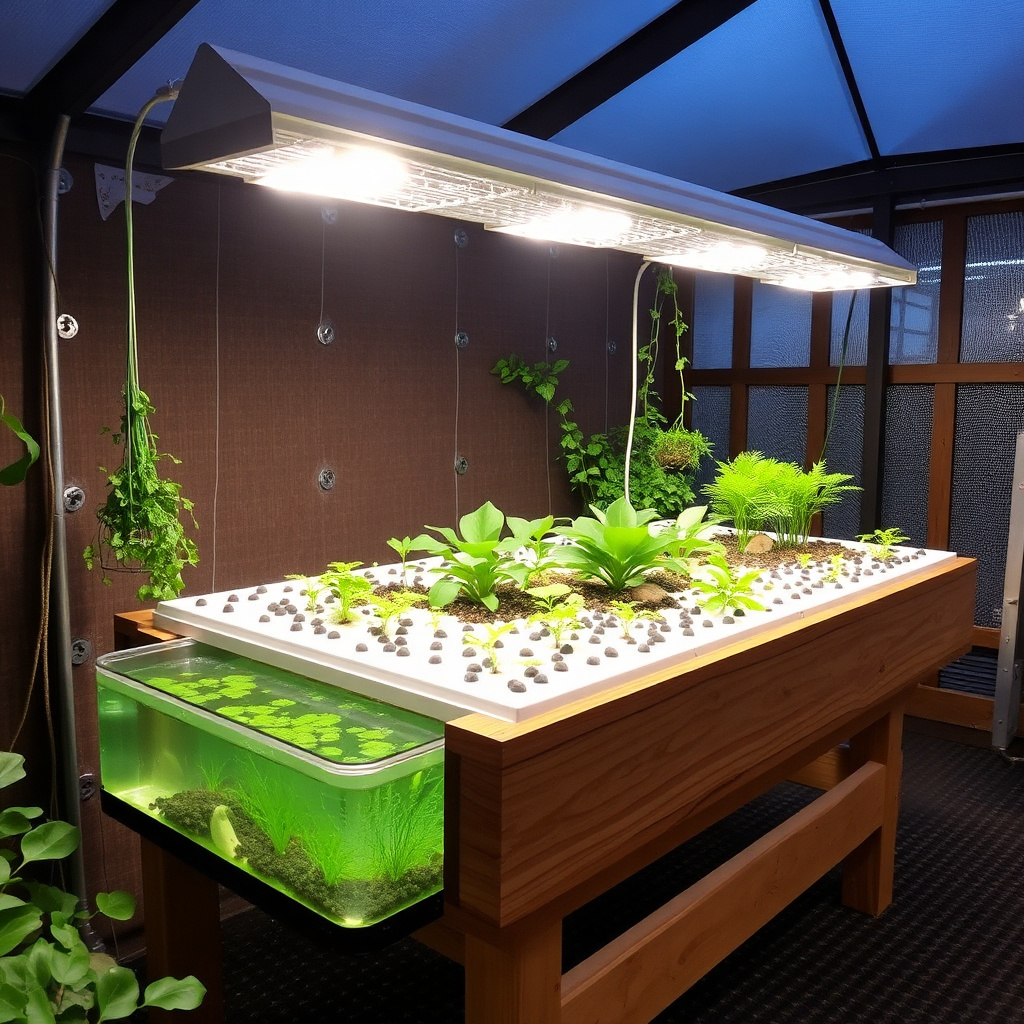
Compact systems designed for beginners often use pre-made kits with simple setups, suitable for growing herbs and greens indoors or on patios.
These models focus on ease of use and affordable maintenance, providing a practical introduction to aquaponics principles.
- Compact footprint
- Low startup cost
- Easy to maintain
Large and Commercial-Scale Options
Commercial designs scale up with larger tanks, multiple grow beds, and automated controls for feeding and water quality management.
These systems demand higher upfront investment and expertise but can yield significant produce and fish returns for markets.
- Industrial-scale tanks
- Automated monitoring
- Higher initial investment
Aquaponics System Maintenance and Troubleshooting
Routine Water Quality Checks
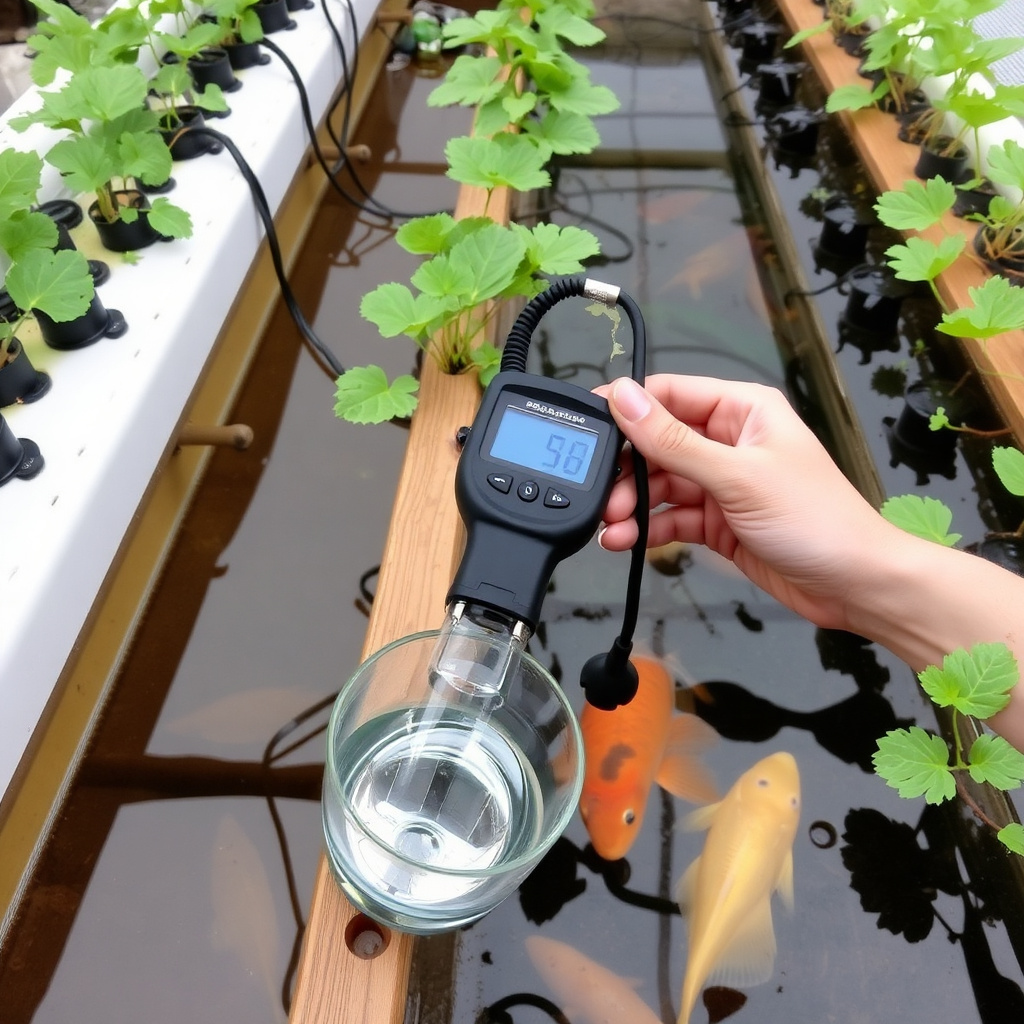
Monitoring pH, ammonia, nitrite, nitrate, and oxygen levels ensures a healthy environment for both fish and plants.
Regular testing allows quick detection of issues like ammonia spikes or oxygen depletion before damage occurs.
- Frequent pH testing
- Check ammonia levels
- Maintain oxygen supply
For a detailed overview of aquaponics history and science, visit the Aquaponics Wikipedia page. Aquaponics Wikipedia page.
Common Problems and Fixes
Problems like plant nutrient deficiencies or fish illness usually stem from imbalanced water chemistry or poor system cycling.
Solutions include adjusting feeding amounts, adding beneficial bacteria, or improving aeration to restore balance.
- Adjust nutrient input
- Increase aeration
- Introduce beneficial bacteria
Aquaponics System Category Comparison
The following table compares various types of aquaponics systems to help you understand their features and suitability.
| System Type | Scale | Complexity | Water Use Efficiency | Typical Crops |
|---|---|---|---|---|
| Flood and Drain | Small to Medium | Moderate | High | Leafy greens, herbs |
| Media Bed | Small to Medium | Low | Moderate | Vegetables, herbs |
| Nutrient Film Technique | Medium | High | High | Lettuce, strawberries |
| Deep Water Culture (Raft) | Medium to Large | Moderate | High | Leafy greens |
| Vertical Aquaponics | Small to Large | High | Very High | Herbs, leafy greens, small fruits |
Frequently Asked Questions
How much water does aquaponics save compared to traditional farming?
Aquaponics can use up to 90% less water than conventional soil agriculture, thanks to its recirculating system that minimizes water loss.
Can I use any type of fish in an aquaponics system?
Not all fish are suitable; species like tilapia, catfish, and goldfish are popular due to their hardiness and ability to thrive in controlled conditions.
Do aquaponics plants need soil to grow?
No, plants in aquaponics grow in water supplemented by the fish waste nutrients, typically supported by inert media or floating rafts.
Is aquaponics expensive to start?
Initial costs vary widely; small home systems are affordable, but commercial setups require significant investment and technical knowledge.
How do I keep fish healthy in an aquaponics system?
Maintaining good water quality, proper aeration, stable temperature, and balanced feeding are key to keeping fish healthy.
Key Takeaways
- Aquaponics combines fish and plant cultivation into a sustainable, efficient food-growing system.
- Fish waste provides natural fertilizer for plants, while plants clean the water for fish.
- Different system designs suit beginners through commercial operations with varying complexity and scale.
- Maintaining water quality and system balance is essential for success in aquaponics.
Conclusion
Understanding what aquaponics is and how it functions is essential for deciding if this innovative farming method fits your goals. Aquaponics hinges on a natural partnership between aquatic animals and plants, efficiently turning fish waste into nutrients, which plants absorb while cleaning the water. Successful systems carefully balance biological and mechanical components to create a healthy environment for both fish and plants, reducing resource use and waste generation. Recognizing the importance of system design, fish species, plant choice, and maintenance routines helps guide informed decisions.
If you’re exploring aquaponics for home gardening, small-scale media bed systems or flood-and-drain setups offer manageable complexity and good results for herbs and leafy greens. For those aiming to grow larger volumes or enter commercial production, deep water culture or nutrient film technique systems provide scalability though they require more technical expertise and investment. Beginning with resilient fish like tilapia and fast-growing plants helps build confidence early on. Also, appreciating common challenges such as water chemistry management prepares you to troubleshoot effectively.
Taking the first step toward practical aquaponics involves researching component suppliers, starting with a basic system layout, and committing to routine observation and adjustments. Many find hands-on experience invaluable, so setting up a small pilot system to trial ideas can be enlightening. Whether pursuing aquaponics to supplement fresh food, reduce environmental footprint, or develop a commercial enterprise, steady learning and attention to balances within the system pave the way for successful growth.