Understanding Low Stress Training: A Guide for Effective Plant Growth
Low stress training (LST) is a gentle horticultural technique that involves carefully bending and tying plants to encourage horizontal growth without causing trauma to the stems or branches. Instead of cutting or snapping, this method manipulates the plant’s shape gradually, allowing more light to reach lower branches and improving overall yield.
This method matters to gardeners and cultivators because it maximizes light exposure and airflow around the plant, encouraging even growth and reducing the risk of mold or pests. Unlike more aggressive techniques, LST avoids plant shock and maintains healthier development throughout the growth cycle.
This article will explore the basics of low stress training, techniques for applying it effectively, the benefits and limitations, comparisons with other plant training methods, and practical tips for gardeners of all levels who want to boost the productivity and health of their plants.
What Is Low Stress Training?
Definition and Core Principles
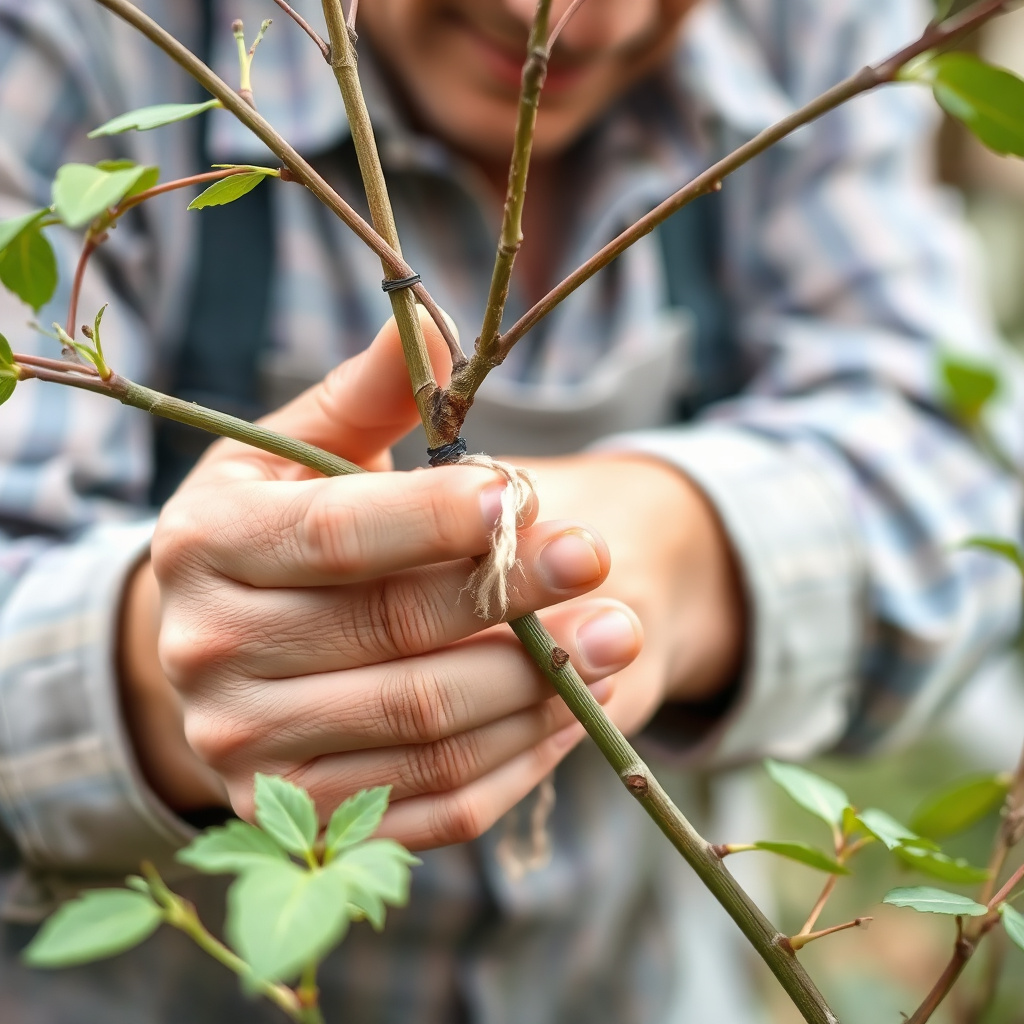
Low stress training focuses on bending and securing plant stems to shape growth without breaking or cutting the plant. This differs from high stress training methods that involve pruning or damaging branches to redirect growth.
The core principle is to work with the plant’s natural flexibility, gently adjusting its structure over time to create an even canopy and optimize light exposure to all parts of the plant.
Why Low Stress Training Matters for Growers
Plants trained with low stress techniques tend to develop more evenly and vigorously without suffering setback from wounds or recovery time. This increases overall yield and produces a healthier plant structure.
Because LST avoids cutting, it reduces the risk of infection and stress-related growth delays. It also allows novice gardeners to practice plant shaping without fear of accidental damage.
How to Perform Low Stress Training
Tools and Materials Needed
Essential materials include soft flexible ties like garden wire coated with rubber, plant ties, or twist ties, as well as stakes or anchors to secure branches gently to the growing surface.
Having scissors or pruning shears on hand is helpful for minor trimming, though cutting is minimal in LST practices.
- Soft plant ties or rubber-coated wire
- Anchor points or stakes
- Scissors or pruning shears
Step-by-Step LST Process
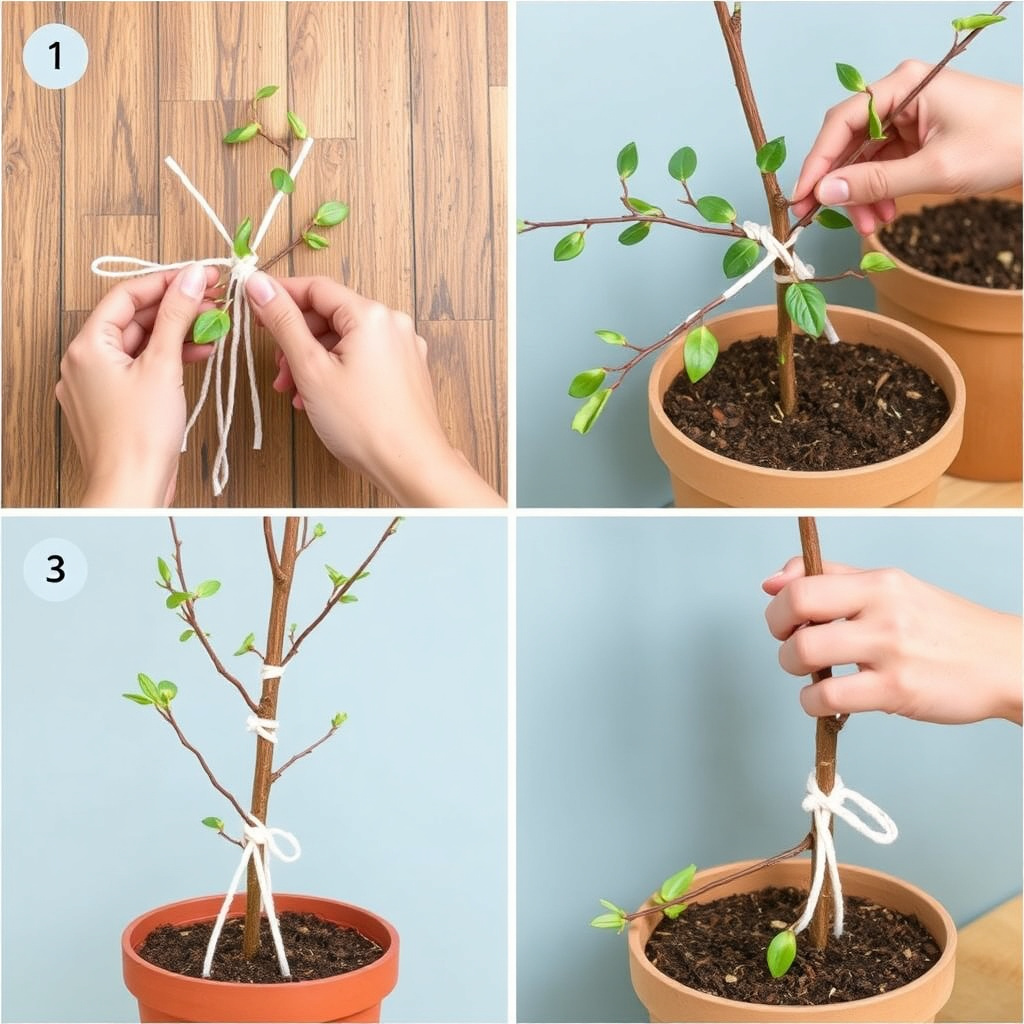
Identify key branches that can be gently bent without snapping, then slowly bend them downward or to the side and secure with ties attached to stakes or the pot edge.
Check plants regularly and adjust ties as branches grow, incrementally loosening or moving ties to avoid constriction and promote steady, controlled shaping.
- Select flexible branches
- Bend gradually to desired angle
- Tie securely but gently
- Adjust ties over time
Benefits of Low Stress Training
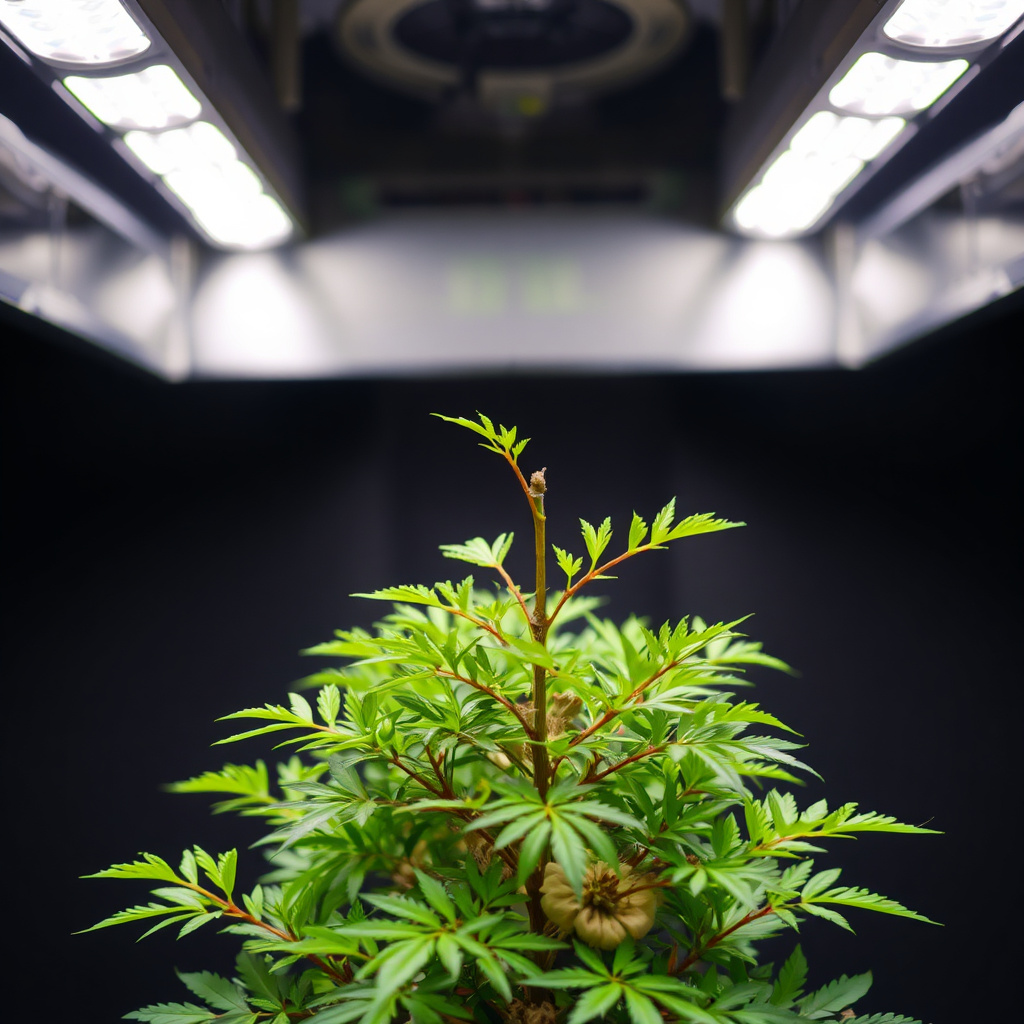
Maximized Light Exposure
By spreading the plant’s branches horizontally, LST allows sunlight or grow light to penetrate more evenly throughout the canopy, reducing shaded areas and improving photosynthesis efficiency.
This uniform exposure encourages more vigorous bud or flower development and can increase total yield.
For more on this, see our related guide: Understanding Autoflowering Seeds: A Complete Guide for Growers.
Improved Air Circulation and Health
Low stress training creates airflow pathways within the plant structure that minimize moisture buildup and reduce fungal growth or pest infestation risks.
Better air circulation contributes to stronger stems and overall plant vigor.
Limitations and Considerations
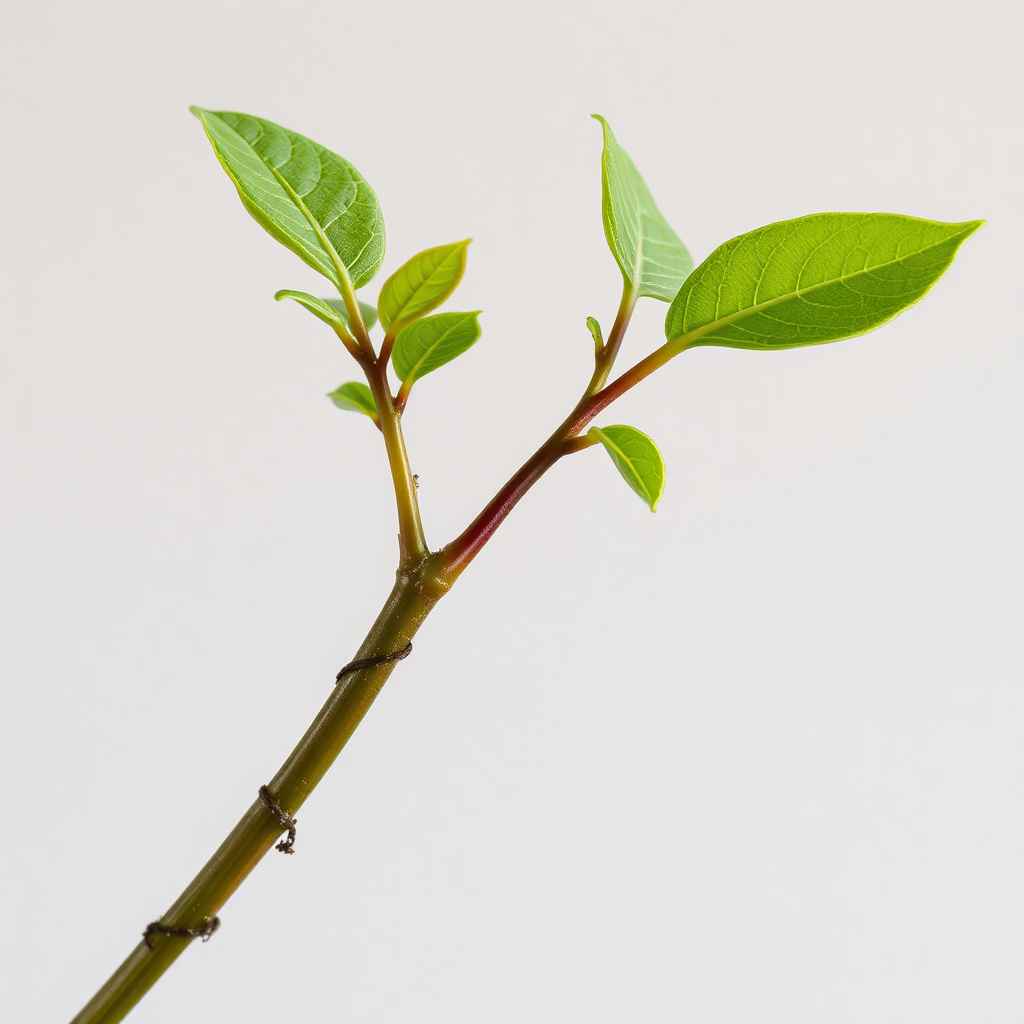
Not Ideal for All Plant Types
Some plants with brittle or thick stems may not bend easily, making low stress training ineffective or damaging. In such cases, alternative training techniques are better suited.
Understanding the specific growth habits and flexibility of your plant species helps determine if LST is appropriate.
Requires Time and Regular Attention
LST is a gradual method requiring consistent monitoring and adjustment to ties and branch positions, which may be time-consuming for busy gardeners.
Neglecting tie adjustments can lead to constricted growth or damage.
Low Stress Training Compared to High Stress Methods
Differences in Plant Stress and Recovery
High stress methods like topping or pruning physically cut plant parts, causing trauma that triggers recovery and growth redirection but can slow development.
LST avoids this trauma, allowing plants to grow continuously without interruption.
For more on this, see our related guide: Autoflower vs Photoperiod: Which Cannabis Type Is Right for You?.
Yield and Structure Outcomes
While high stress training can produce bushier plants with multiple main colas after recovery, LST encourages spread-out growth from the start, leading to more uniform canopies and stable yields.
Each method offers different benefits depending on grower goals.
Complementary Plant Training Techniques
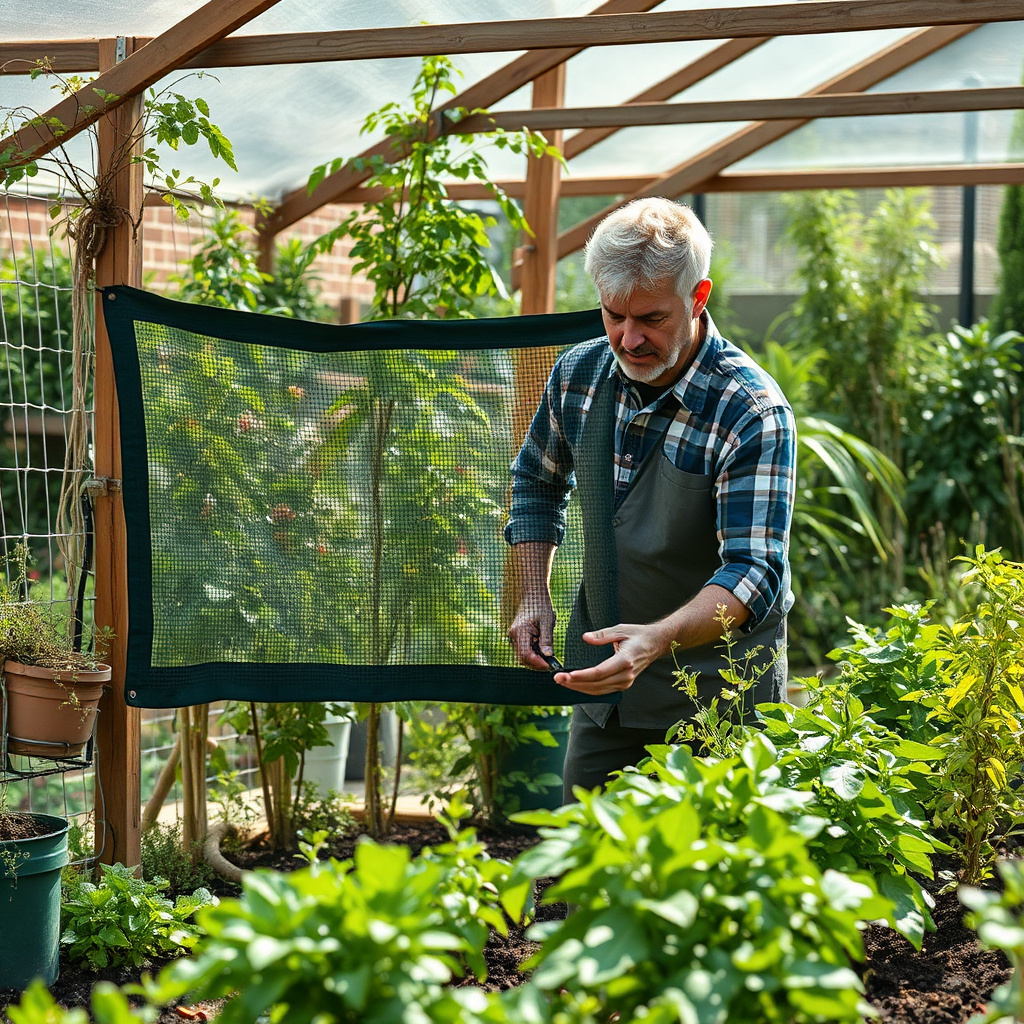
Screen of Green (ScrOG) and LST
ScrOG uses a horizontal screen to hold branches at an even height, which pairs well with LST’s gradual bending and tying to create flat canopies ideal for maximizing light exposure.
Together, they combine physical support and training for efficient growth.
For more detailed information about plant training methods, you can visit the Low stress training section on Wikipedia. Low stress training on Wikipedia.
Fimming and Topping in Relation to LST
Fimming and topping involve cutting to encourage bushier structures but can be applied alongside LST during the vegetative phase to optimize plant shape and yield.
Timing and plant health are critical when combining these techniques.
Low Stress Training Methods Category Comparison
This table compares different low stress training approaches and related techniques to highlight their key characteristics and suitable uses.
| Training Technique | Effect on Plant | Recovery Time | Skill Level Required |
|---|---|---|---|
| Basic LST (bending and tying) | Gentle bending, even canopy | None | Beginner |
| ScrOG combined with LST | Flat canopy with screen support | None | Intermediate |
| High stress topping | Multiple colas after cutting | 2-3 weeks | Intermediate |
| Fimming | Bushier growth by partial cutting | 2-3 weeks | Intermediate |
| Super cropping (high stress) | Thickened stems post-break | 2-4 weeks | Advanced |
Frequently Asked Questions
Can low stress training damage plants?
When done properly, LST does not damage plants because it relies on gentle bending rather than cutting or breaking. However, forcing branches too quickly or bending brittle stems can cause damage.
How often should ties be adjusted in low stress training?
Ties should be checked and adjusted every few days to accommodate growth, prevent constriction, and gradually modify branch positions without stress.
Is low stress training suitable for all plant stages?
LST is mainly applied during the vegetative growth stage when stems are flexible. Applying it too late in flowering risks damaging more rigid branches.
Does low stress training increase plant yield?
Yes, by improving light exposure and airflow, LST can help plants develop more uniformly and increase overall yield compared to untrained counterparts.
What plants respond best to low stress training?
Plants with flexible stems like cannabis and many vegetables respond well. Hardier woody plants with brittle stems may not be suitable for LST.
Key Takeaways
- Low stress training uses gentle bending to shape plants without damage.
- It improves light exposure and airflow, boosting growth and yield.
- LST requires regular adjustments and suits flexible-stemmed plants best.
- Combining LST with other techniques like ScrOG can maximize results.
Conclusion
Choosing a plant training method depends on factors such as plant type, grower experience, and desired yield. Low stress training is an excellent approach for gardeners wanting to support healthy, even growth without risking damage. It involves a hands-on, gradual process to gently guide the plant’s structure in a way that maximizes light penetration and air circulation, which are key to vigorous development.
For those cultivating species with flexible stems like cannabis or many vegetables, basic LST is a beginner-friendly method that encourages uniform flowering and reduces shading. More advanced growers may combine LST with ScrOG to hold branches in place while maintaining a broad canopy. High stress methods like topping and super cropping also have roles but require careful timing and experience due to the recovery needed after cutting.
Starting with simple bending and tying techniques is a practical first step. Monitor your plants closely and adjust ties to promote steady shaping. Over time, this patient, gentle approach helps produce healthier plants and greater yields, making low stress training a valuable addition to any gardener’s toolkit.