How to Make a Trellis: A Step-by-Step Guide for Gardeners
Making a trellis is a straightforward project that can significantly boost the health and aesthetics of your garden by supporting climbing plants like vines, peas, and flowers. A well-built trellis provides structure for plants to grow upwards, improving air circulation and sunlight exposure, which ultimately leads to stronger growth.
Trellises vary in size, shape, and materials depending on the plants they are meant to support and the garden's design. Understanding how to make a trellis suited to your space and plants helps increase garden productivity and adds vertical interest to limited yard areas.
This guide will walk you through different trellis designs, step-by-step instructions for construction using common materials, and tips on placement and maintenance to keep your garden trellis effective and durable all season long.
Choosing the Right Materials for Your Trellis

Wooden Trellis Materials
Wood is a popular choice for making a garden trellis because it is easy to work with and offers a natural appearance that blends well with most garden settings. Cedar, redwood, and treated pine are common woods used due to their resistance to rot and insects.
When selecting wood, opt for strips or lattice panels that are at least 1 inch thick for adequate support. Applying a sealant or paint can further extend the life of your wooden trellis especially in wet climates.
- Cedar and redwood for durability
- Pressure-treated pine as a budget option
- Lattice panels or straight slats
- Waterproof sealant or exterior paint
Metal and Other Materials
Metal trellises offer strength and longevity, making them ideal for heavier plants or permanent garden fixtures. Common metals include wrought iron, galvanized steel, and aluminum which resist rust depending on the finish.
Alternatives like PVC and bamboo provide lightweight and weather-resistant options, though they typically support smaller plants. Consider the weight and type of plants to pick the material best suited for your garden trellis.
- Galvanized steel for rust resistance
- Wrought iron for decorative designs
- PVC for lightweight flexibility
- Bamboo as an eco-friendly option
Planning Your Trellis Design

Determining Size and Shape
The size and shape of a trellis depend on the type of plants you want to grow and the space available. Tall vines like pole beans need vertical height, while spreading plants like cucumbers benefit from wider, fan-shaped trellises.
Common shapes include A-frame, flat panel, arch, and obelisk styles. Make sure to measure your planting area carefully to select a trellis that fits well without crowding other plants.
- Height for climbing capacity
- Width for plant spread
- Shape for garden aesthetic
- Consider nearby structures or paths
For more on this, see our related guide: How to Compare Seed Varieties for Successful Gardening.
Integrating Garden Trellis Ideas
Incorporating garden trellis ideas such as built-in flower boxes at the base or adjustable panels can add both function and flair to your setup. You can also design your trellis to create privacy screens or decorative garden focal points.
Mixing different materials, like wood posts with wire mesh or adding hooks for hanging pots, increases the versatility of your trellis. These design choices offer practical benefits while enhancing your garden’s visual appeal.
- Add planter boxes or shelves
- Incorporate wire or string supports
- Use trellis for privacy screening
- Add decorative accents or paint
Step-by-Step Guide to Building a Wooden Trellis

Gathering Tools and Preparing Materials
To make a wooden trellis, gather staples like measuring tape, saw, hammer or drill, nails or screws, wood glue, and sandpaper. Prepare your wood by cutting it into the required lengths and sanding rough edges for smooth assembly.
Set up your work area outdoors or in a well-ventilated space. Pre-drilling holes can prevent wood from splitting during construction.
- Measuring tape and pencil
- Saw and sandpaper
- Hammer or power drill
- Nails or wood screws
- Wood glue
Assembling the Trellis Frame
Start by constructing the outer frame using the longest wood pieces as vertical supports connected by horizontal crosspieces. Ensure the frame is square by measuring diagonals before fastening.
Attach lattice slats or crisscross slats inside the frame with nails or screws, spacing them evenly to create planting support. Apply a sealant or exterior paint once fully assembled for protection against weather.
- Build outer frame first
- Check and maintain square corners
- Evenly space lattice or slats
- Seal or paint for durability
Installing and Positioning Your Trellis
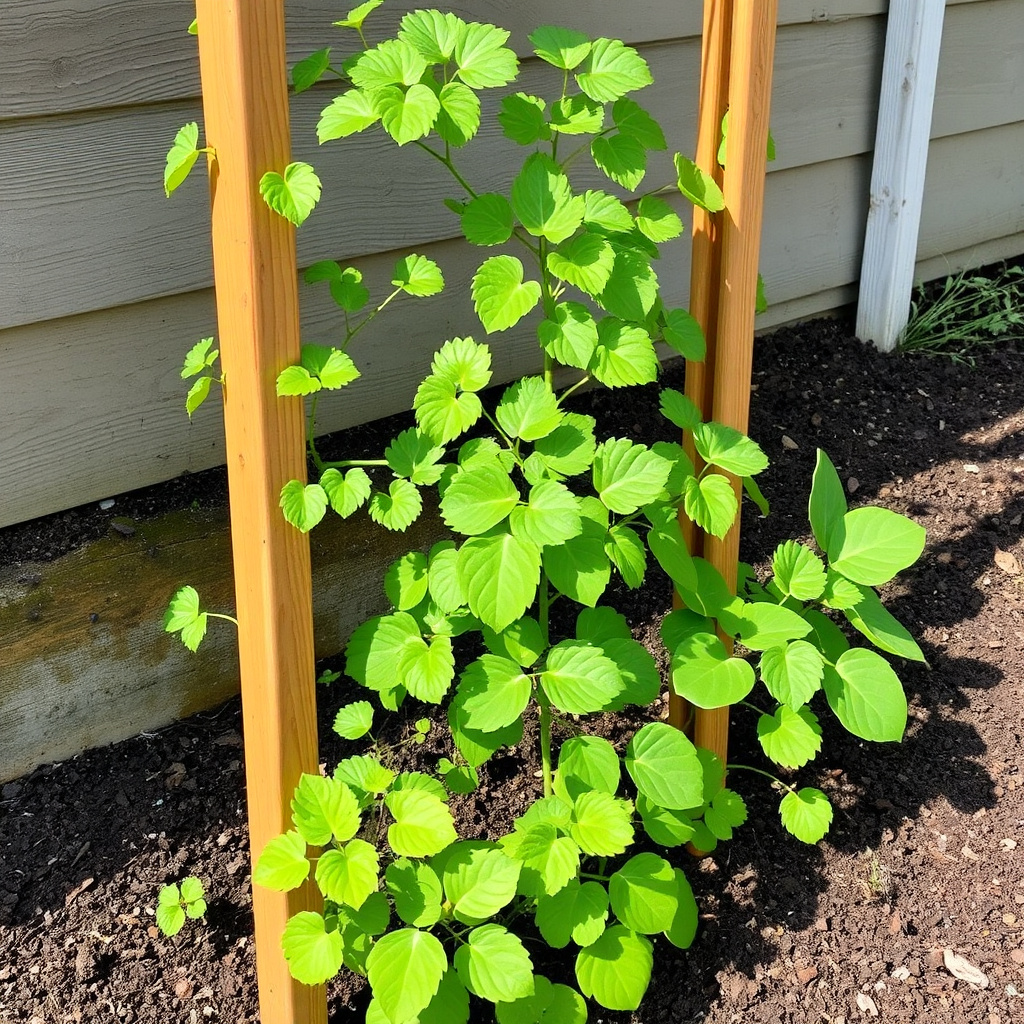
Anchoring Your Trellis Securely
Proper anchoring is critical to keep your trellis stable in wind and withstand plant weight. Drive stakes deep into the soil or use concrete footing for permanent installations to hold the trellis firmly upright.
For smaller or movable trellises, use ground anchors or plant pots weighted with stones to provide balance while allowing repositioning as your garden changes.
- Use ground stakes or concrete footing
- Weight base for freestanding trellises
- Anchor points for additional stability
- Check anchoring yearly
For more on this, see our related guide: How to Improve Plant Growth: Practical Tips for a Thriving Garden.
Optimal Placement for Plant Growth
Place your trellis where plants receive the recommended sunlight—generally full sun for vegetables and most flowering vines. Positioning near garden beds or paths allows easy access for maintenance and harvesting.
Consider proximity to water sources and protection from strong winds to foster healthy plant development on your trellis.
- Full sun exposure preferred
- Near garden or walkway for access
- Close to watering area
- Sheltered from harsh winds
Maintaining Your Trellis for Longevity

Regular Cleaning and Damage Checks
Keep your trellis clean by removing dirt, mildew, and plant debris regularly. Inspect for signs of wood rot, rust, or loose connections that can weaken the structure over time.
Early detection of issues allows timely repairs that prolong the trellis’s life and maintain its ability to support your plants effectively.
- Clean surfaces seasonally
- Look for cracks or rust
- Tighten screws or nails
- Remove dead plant material
For more detailed historical and structural information, refer to the garden trellis basics on Wikipedia. Garden trellis basics on Wikipedia.
Seasonal Upkeep and Repairs
Before winter and the growing season, reapply sealants or paint to wooden trellises to protect against moisture. Replace damaged slats or unstabilized parts promptly to prevent plant damage or collapse.
For metal trellises, apply rust-resistant coatings and lubricate joints to maintain smooth structure adjustments.
- Reapply protective coatings
- Replace damaged components
- Lubricate metal joints
- Check stability annually
Trellis Material Comparison for Garden Use
Here’s a quick comparison of popular trellis materials highlighting their benefits and suitability for different garden needs.
| Material | Durability | Cost | Ease of Assembly | Best Use Cases |
|---|---|---|---|---|
| Wood (Cedar/Redwood) | High | Medium | Easy | Most climbing plants, decorative garden focal points |
| Pressure-Treated Pine | Medium | Low | Easy | Budget-friendly vegetable trellises, short-term use |
| Wrought Iron | Very High | High | Moderate | Heavy vines, permanent garden structures, decorative |
| Galvanized Steel | High | Medium-High | Moderate | Long-lasting with rust resistance, mix with other materials |
| PVC | Medium | Low | Easy | Lightweight plants, temporary setups |
| Bamboo | Medium | Low | Easy | Eco-friendly, lightweight plants, ornamental gardens |
Frequently Asked Questions
Can I make a trellis without tools?
While basic trellises can be made by tying sticks or branches together, most sturdy trellises require at least simple tools like a saw and hammer for cutting and assembly.
How tall should my trellis be for climbing plants?
A height of 6 to 8 feet generally works well for most climbing vegetables and flowers, but tailor it to your plant species and garden space.
What is the cheapest material for a DIY trellis?
Pressure-treated pine and bamboo are among the most cost-effective materials for building a garden trellis, balancing price and durability.
Should I paint or seal my wooden trellis?
Applying a water-resistant sealant or exterior paint protects wooden trellises from moisture and prolongs their lifespan, especially in humid or rainy climates.
Can a trellis be used for privacy screening?
Yes, trellises with dense lattice or climbing plants can act as attractive privacy screens, blocking views while adding greenery to your space.
Key Takeaways
- Select trellis materials based on plant type, budget, and garden style.
- Plan trellis size and shape to suit your plant's growth habits and available space.
- Build with durable materials and secure anchoring for stability.
- Maintain your trellis with seasonal care to extend its lifespan.
Conclusion
How to make a trellis effectively comes down to understanding your garden’s specific needs and the climbing plants you intend to support. By carefully choosing the right materials and design, you create a strong framework that encourages healthy vertical growth and enhances your garden’s layout. Planning ahead and following proper building steps ensures your trellis performs well throughout the seasons and remains a beautiful feature year after year.
For gardeners looking for durability and natural charm, a cedar or redwood wooden trellis offers excellent longevity with the right finishes. If you want a permanent fixture with decorative appeal, metal options like wrought iron or galvanized steel provide strength and artistic possibilities. Lightweight options like PVC or bamboo serve well for smaller or seasonal planting projects. Each choice suits different scenarios, with garden trellis ideas allowing flexibility to customize designs for both function and style.
Once you decide on your trellis type, start with precise measurements and quality materials. Take care during installation to secure it firmly and position it where plants gain sufficient sunlight and space. Don’t forget to perform yearly maintenance, including cleaning and protective coatings, to keep your trellis safe and effective. With these steps, you’re set to build a garden trellis that fosters lush growth and adds structured beauty to your outdoor space.