How to Water Plants Properly: Techniques for Healthy Growth
Watering plants properly means giving them the right amount of moisture at the right time to support their growth without causing damage. This begins with understanding each plant’s specific water needs and adjusting your routine based on factors like soil type, climate, and plant size.
Plants can suffer from both overwatering and underwatering, leading to issues such as root rot or drought stress. Proper watering matters because it affects nutrient uptake, leaf health, and overall plant vitality. Even experienced gardeners sometimes misjudge how much water is necessary.
This article covers how to water plants properly by discussing watering frequency, techniques, soil drainage considerations, watering tools, and troubleshooting common problems. Additionally, it highlights best watering practices for plants to help you build a tailored care plan for your garden or houseplants.
Understanding Plant Water Needs

Identifying Plant Water Requirements
Different plants have distinct water needs depending on their species, size, and growth stage. Succulents and cacti demand minimal watering due to their water-storing abilities, while tropical plants thrive with more consistent moisture.
Knowing the natural habitat of a plant guides watering frequency and volume. For example, desert plants prefer infrequent deep watering, whereas moisture-loving plants benefit from lighter, more regular irrigation.
Signs of Overwatering and Underwatering
Overwatered plants may exhibit yellowing leaves, mushy stems, and a musty smell from the soil, indicating root rot conditions. Conversely, underwatered plants often show wilted leaves, dry soil, and brown leaf edges.
Monitoring these symptoms helps adjust watering schedules promptly, preventing long-term damage or plant death.
Watering Techniques for Healthy Plants
Deep vs. Shallow Watering
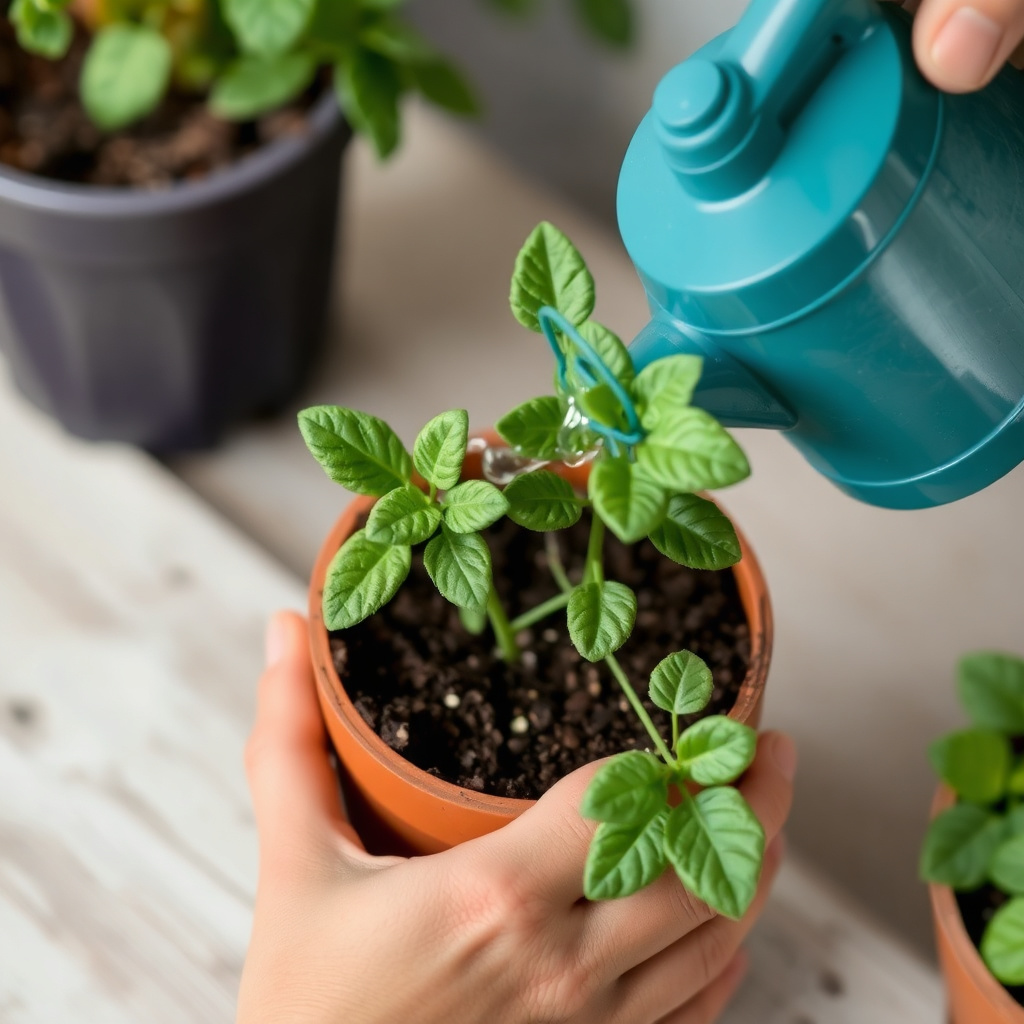
Deep watering allows water to penetrate the soil and reach the root zone, encouraging plants to develop strong roots. Shallow watering might only wet the surface, leading to weak roots and frequent drying out.
Applying water slowly and thoroughly supports deep watering, which is especially beneficial for trees, shrubs, and large plants.
- Helps roots grow deeper
- Reduces frequent watering needs
- Supports drought tolerance
Best Time to Water Plants
Early morning watering is ideal because it reduces evaporation and allows plants to absorb moisture before the heat of the day. Evening watering can increase risk of fungal diseases due to prolonged leaf wetness.
Consistency in timing also helps plants maintain healthy hydration cycles without sudden stress.
Soil and Drainage Considerations

Choosing Soil That Retains Yet Drains Water
Soils like loam balance moisture retention with adequate drainage, preventing waterlogging. Sandy soils drain quickly and may require more frequent watering, while clay soils retain water longer but risk root rot if overwatered.
Amending soil with organic matter like compost improves structure, increases water retention for dry soils, and enhances drainage in compacted soils.
For more on this, see our related guide: How to Transplant Seedlings Without Stressing Your Plants.
Ensuring Proper Drainage in Containers
Potted plants need containers with drainage holes to prevent standing water at the surface. Using well-draining potting mixes modified with perlite or sand helps excess water escape.
Adding a layer of gravel or mesh at the bottom also assists drainage, reducing the chance of water accumulation around roots.
Tools and Methods for Effective Watering

Manual Watering Tools
Watering cans allow precise control, ideal for indoor plants and small gardens. Hose attachments with adjustable nozzles can cover larger areas and offer different spray patterns tailored to plant types.
Choosing tools suited to your plants and garden size helps maintain proper watering without waste.
- Watering cans for small-scale
- Hose with spray nozzle for flexibility
- Handheld sprayers for delicate seedlings
Automated Watering Systems
Drip irrigation and soaker hoses provide slow, even watering directly to the soil, minimizing evaporation losses and leaf wetness. They are efficient for vegetable gardens, landscapes, and container setups.
Timers attached to irrigation systems enable consistent schedules, important for busy gardeners or regions with water restrictions.
- Timers for set schedules
- Drip emitters for targeted watering
- Reduces water use and labor
Troubleshooting Common Watering Problems

Fixing Overwatering Damage
If overwatering leads to root rot, repotting with fresh, well-draining soil and trimming damaged roots can help recovery. Avoid watering until the topsoil feels dry.
Improving drainage and reducing watering frequency prevents recurrence.
For more on this, see our related guide: How to Fix Overwatered Cannabis Plants: Effective Recovery Tips.
Addressing Underwatering Stress
Underwatered plants benefit from gradual watering over multiple days rather than one heavy soak to rehydrate the soil evenly and revive drooping leaves.
Mulching can help retain soil moisture and reduce evaporation, assisting in ongoing water conservation.
Adapting Watering to Seasons and Environment

Seasonal Watering Adjustments
Plants generally need more water during growing seasons like spring and summer, and less during dormancy in fall and winter.
Monitoring rainfall and temperature changes guides when and how much to water, preventing overuse while supporting plant cycles.
For a more detailed explanation of irrigation principles, you can consult the plant watering guidelines available through this resource. plant watering guidelines.
Watering Methods in Different Climate Types
Dry, arid climates benefit from deep, infrequent watering to encourage drought-hardy growth, while humid climates require careful avoidance of leaf wetness to prevent fungal issues.
Microclimate factors like wind and soil type may also alter ideal watering routines.
Watering Methods Category Comparison
Here’s a comparison of popular watering methods highlighting their benefits and drawbacks.
| Watering Method | Best Use Case | Water Efficiency | Maintenance Needs |
|---|---|---|---|
| Hand Watering with Can | Small indoor or patio plants | Moderate | Low |
| Hose with Spray Nozzle | Medium gardens and outdoor plants | Low to moderate | Moderate |
| Drip Irrigation | Vegetable and flower beds | High | Moderate |
| Soaker Hoses | Shrubs and large garden areas | High | Low |
| Automatic Sprinklers | Lawns and large spaces | Low | High |
Frequently Asked Questions
How often should I water indoor plants?
Indoor plants typically need watering once the top inch of soil feels dry. Frequency varies by plant type and indoor conditions such as humidity and temperature.
Can I water plants too much in cooler weather?
Yes, plants require less water during cooler months because evaporation slows. Excess watering can cause root diseases especially when plants are dormant.
Is tap water safe for all plants?
Most tap water is fine, but some plants are sensitive to chlorine or minerals. Letting water sit overnight or using filtered water can minimize risk.
Should I water leaves or the soil?
Watering the soil directly is best to avoid fungal diseases. Wet leaves can encourage mold and mildew on many plant species.
How can mulch help with watering?
Mulch retains moisture, reduces evaporation, and keeps soil temperature steady, which reduces how often you need to water plants.
Key Takeaways
- Adjust watering based on plant species and environment.
- Use deep watering to encourage strong root systems.
- Choose soil and containers that provide good drainage.
- Automated systems can improve watering efficiency.
Conclusion
Proper watering of plants involves understanding their unique needs and adapting your approach accordingly. Balancing frequency and volume with soil, climate, and seasonal changes helps maintain healthy growth and avoids common issues caused by too much or too little water. The key to success lies in observing plant responses closely and modifying practices as conditions change.
For those growing drought-tolerant species like succulents, lighter but less frequent watering suffices, while moisture-loving plants benefit from consistent deep watering. Using tools such as drip irrigation systems or properly draining containers supports best watering practices for plants by efficiently delivering moisture where it’s needed most. Monitoring signs like leaf discoloration and soil moisture guides adjustments to avoid overwatering or underwatering damage.
To get started, test your soil’s moisture regularly and select a watering method that fits your schedule and garden size. Early morning watering is generally safest, and mulching can cut down on water needs significantly. By combining knowledge of plant requirements with good techniques, you can nurture a thriving, resilient garden that withstands environmental shifts and flourishes with minimal stress.