How to Know if a Seed Bank Is Legit: A Complete Guide
Knowing if a seed bank is legit starts with verifying its reputation, product quality, and customer feedback. A legitimate seed bank will have clear contact information, transparent policies, and positive reviews from verified buyers, helping you avoid scams and poor-quality seeds.
This matters because counterfeit seeds or unreliable sellers can cost you time and money, not to mention frustration when your seeds fail to germinate or produce healthy plants. Trustworthy seed banks protect your investment by offering genuine genetics and reliable shipping.
In this article, we will explore various ways to identify a legitimate seed bank. We'll cover reputation research, product quality indicators, purchasing safeguards, and warning signs, plus practical tips to help you confidently choose the best seed banks for quality seeds.
Checking the Seed Bank’s Reputation

Reading Customer Reviews and Forums
One of the fastest ways to gauge legitimacy is by reading customer feedback on multiple platforms such as independent forums and review websites. Authentic seed banks often have a history of positive comments regarding germination rates and customer service.
Look for reviews that mention delivery speed, seed quality, and responsiveness. Beware of overly positive or generic reviews that sound like they are written by bots or paid promoters.
- Check popular gardening forums and social media groups.
- Cross-reference reviews on Google, Trustpilot, or Reddit.
Industry Recognition and Certifications
Legitimate seed banks often have certifications or memberships with recognized horticultural organizations. These affiliations usually indicate compliance with quality and safety standards.
Certifications are not always mandatory but can reassure buyers that the seed bank adheres to rigorous standards. Some seed banks also participate in breeder partnerships, reflecting genuine genetics.
- Look for affiliations with seed or agricultural associations.
- Check if the seed bank has awards or industry acknowledgments.
Evaluating Product Quality
Seed Packaging and Labeling
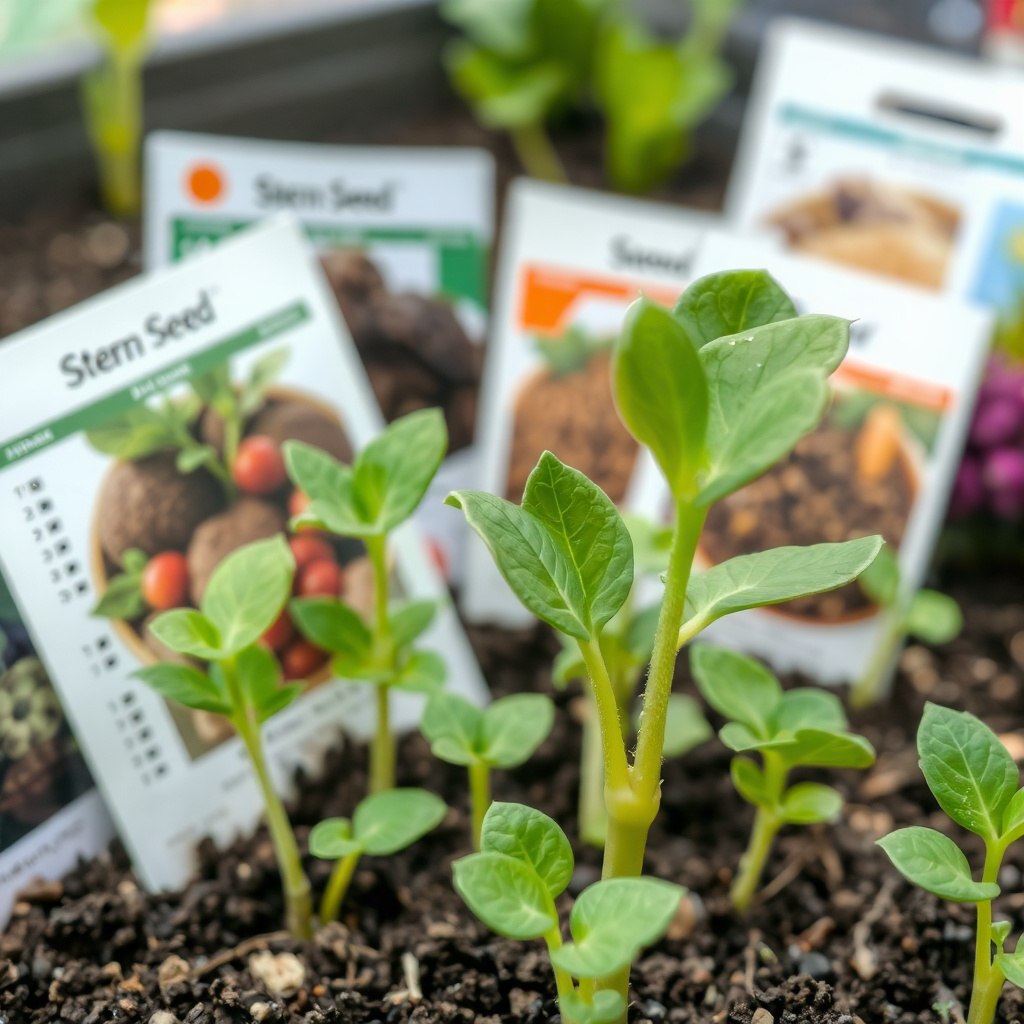
Legitimate seed banks provide detailed labeling, including strain name, breeder information, harvest date, and germination guarantees. Proper packaging protects seeds from moisture and damage during shipping.
Seed packets should be sealed and clearly printed, with batch numbers or QR codes when available. Lack of information or generic packaging can be a red flag.
- Seeds should come in sealed, tamper-proof packaging.
- Labels should include detailed genetics and expiration dates.
Germination Guarantees and Testing
Many reputable seed banks offer germination guarantees or replacement policies if seeds fail to sprout. Some provide germination test results based on random sampling from each batch.
These guarantees add confidence to your purchase but check the terms carefully, as some conditions may limit claims to certain seed quantities or timeframes.
- Review the seed bank’s germination policies.
- Consider if third-party germination testing is provided.
Understanding Payment and Shipping Policies
Secure Payment Methods
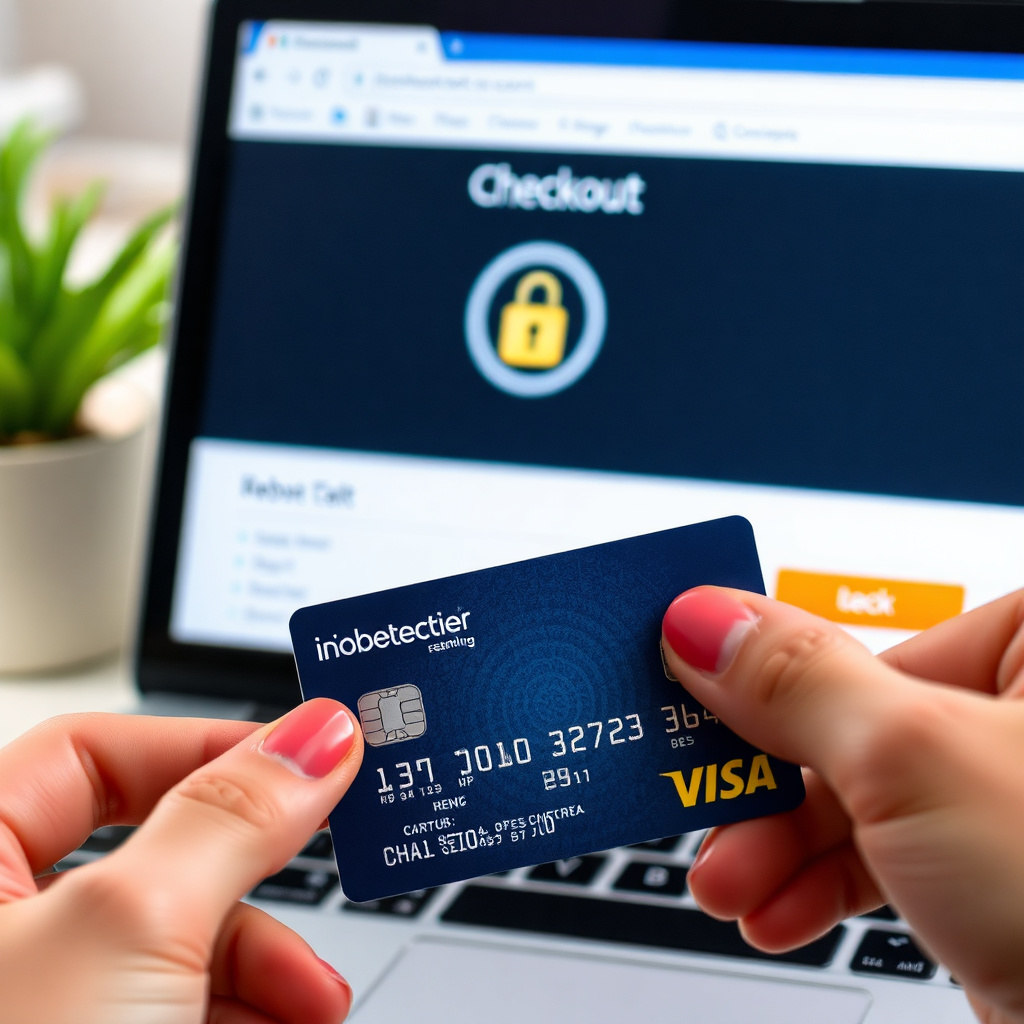
Legitimate seed banks accept standard and secure payment options such as credit cards, PayPal, or escrow services that protect your funds until delivery.
Be cautious of sellers who only take wire transfers, cryptocurrencies, or cash payments without buyer protection, as this increases risk of fraud.
- Look for SSL encryption on the payment page.
- Avoid sellers requesting unusual or untraceable payment forms.
For more on this, see our related guide: Top 7 Places to Buy Weed Seeds Online.
Reliable Shipping and Tracking
Trusted seed banks provide discreet packaging, reliable international shipping, and tracking numbers. They should communicate shipping times and customs regulations clearly.
Delayed responses or vague shipping information is a warning sign. Legitimate sellers often have experience navigating legal issues related to seed purchases.
- Check if the seed bank offers tracked shipping options.
- Confirm expected delivery windows before ordering.
Spotting Red Flags of Fake Seed Banks
Poor Website Design and Lack of Transparency
Fake seed banks often have low-quality websites with spelling errors, missing contact information, or lack of company details such as address and customer service.
They may also use misleading images or strain names without legal rights. A legitimate seed bank invests in a professional online presence.
- Look for clear “About” and “Contact” sections.
- Avoid sites with broken links or incomplete content.
Unrealistic Prices and Promotions
If prices are drastically lower than industry average, it may indicate poor quality or counterfeit seeds. Overhyped promotions or urgency tactics should raise suspicion.
While sales and discounts are common, the best seed banks maintain fair pricing reflecting their quality and heritage.
- Compare prices across multiple reputable seed banks.
- Be cautious with offers that seem too good to be true.
Using Community Resources for Validation

Asking Experienced Growers and Collectors
Community experience is invaluable. Growers on forums or clubs can often provide firsthand accounts of their transactions with specific seed banks.
Asking about germination success, customer service, and delivery reliability can quickly reveal if a seed bank is known for legitimacy.
- Post questions in gardening groups on Facebook or Reddit.
- Join local seed swapping or gardening clubs.
Using Referrals and Trusted Sources
Referrals from friends or horticultural professionals reduce risks. Trusted sources often test smaller batches before recommending specific seed banks.
Some seed banks also partner with reputable breeders or resource centers, which can serve as indirect endorsements.
- Request sample seeds or small orders before buying bulk.
- Check breeder websites for authorized sellers lists.
How to Know if a Seed Bank Is Legit: Tools and Final Checks
Verifying Business Registration and Contact Information
Confirm the seed bank's registration details or business license through official government databases when possible. Transparent contact details including phone numbers and physical addresses contribute to trustworthiness.
A registered company is more accountable and easier to reach in case of disputes or refunds.
- Search public business registries by company name.
- Call or email to confirm responsiveness.
For a deeper understanding of the role and function of seed banks, visit the seed bank on Wikipedia. seed bank on Wikipedia.
Testing Small Batches Before Large Purchases
When in doubt, order a small quantity first to test germination and product quality. This practical step reduces risk and lets you evaluate customer support firsthand.
Starting small can save money, especially when dealing with new or less familiar seed banks.
- Use germination tests in controlled conditions.
- Evaluate seed health visually and by sprouting speed.
Seed Bank Category Comparison
A quick comparison of seed bank categories highlights their differences in price, product variety, and reliability to guide your choice.
| Category | Price Range | Seed Variety | Germination Guarantee | Customer Support |
|---|---|---|---|---|
| Large Established Seed Banks | $30-$100 per pack | Wide, including rare strains | Usually 80-90% | Responsive and multilingual |
| Boutique Specialized Seed Banks | $50-$150 per pack | Specialized genetics | Often 90%+ | Personalized and thorough |
| Online Marketplaces | $10-$60 per pack | Varied, mixed quality | Usually none | Unreliable or indirect |
| Local Garden Centers | $5-$30 per pack | Limited common varieties | Variable | In-person support |
| Unknown or Unverified Sellers | $5-$20 per pack | Often limited or copied | No guarantees | Usually minimal or no support |
Frequently Asked Questions
How can I test if seeds from a seed bank are viable?
Perform a germination test by placing a few seeds on a damp paper towel, keeping them warm and moist, and checking for sprouting within 7-14 days.
Is it safe to buy seeds from international seed banks?
Yes, but check local import laws and seed bank shipping policies. Reliable international seed banks provide discreet packaging and trackable shipping.
What are common warning signs of a fake seed bank?
Red flags include poorly designed websites, lack of contact information, suspiciously low prices, no customer reviews, and requests for insecure payment methods.
Do all seed banks offer germination guarantees?
No, not all seed banks offer this, but many reputable ones do. Always read the terms carefully as guarantees can vary in scope and duration.
How important is seed bank reputation when purchasing seeds?
Seed bank reputation is vital because it reflects seed quality, customer service, and reliability, helping ensure you receive genuine seeds that germinate well.
Key Takeaways
- Verify seed bank reputation through reviews and affiliations.
- Assess product quality via packaging and germination guarantees.
- Use secure payment and confirm clear shipping policies.
- Start with small orders to test seed viability and service.
Conclusion
Recognizing a legit seed bank hinges on careful examination of both tangible and intangible factors — their reputation among growers, transparent business practices, and product quality indicators. Prioritize seed banks with verifiable customer feedback, industry recognition, and clear communication channels. This methodical approach reduces risks associated with purchasing poor-quality or counterfeit seeds, safeguarding your gardening efforts from the start. Understanding these elements furthers confident and informed decision-making whenever you seek to buy seeds.
For gardeners wanting peace of mind, large established seed banks and boutique specialized seed banks provide reliable options backed by germination guarantees and responsive support. Conversely, exercise caution with online marketplaces or unknown sellers that may offer low prices but lack assurance. Starting with small seed batches gives you room to evaluate performance firsthand without a significant initial investment. Employing community advice and leveraging referrals complements your research, as trusted growers can provide unbiased insights about seed bank legitimacy.
Ultimately, your next step should be to prioritize seed banks that combine quality genetics, transparent policies, and verifiable customer satisfaction. Take time to review their disclaimers and guarantees carefully before purchase. If you are new to seed buying, ordering trial packets minimizes exposure to risk. With these guidelines, you can confidently access the best seed banks for quality seeds and enjoy a successful germination and growing experience.