How to Fix Nutrient Burn: Practical Steps to Restore Healthy Plants
Nutrient burn happens when plants receive too many nutrients, causing leaf tips to turn brown and edges to curl. The quickest way to fix nutrient burn is to flush the soil or growing medium thoroughly with clean water to leach out the excess nutrients and reduce concentration.
This is important because excess nutrients damage plant cells, hindering growth and potentially stunting yields if left untreated. Correcting nutrient burn swiftly prevents long-term harm and allows plants to recover their natural nutrient balance.
This article will explore how to identify nutrient burn, detailed flushing techniques, adjusting feeding routines, and natural remedies for treatment. We’ll also cover how to prevent nutrient burn in future growing cycles.
Understanding Nutrient Burn and Its Causes
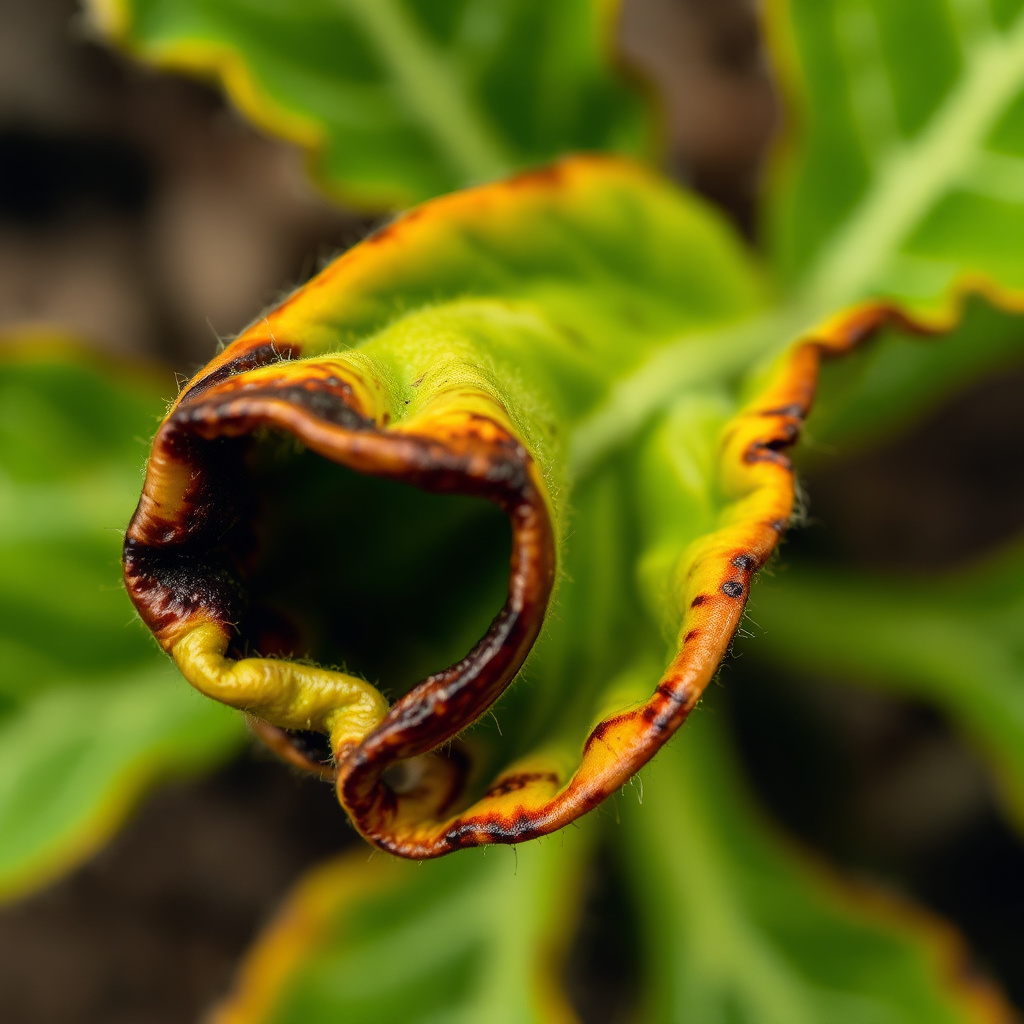
What is Nutrient Burn?
Nutrient burn appears when plants absorb nutrients in excess amounts, particularly salts like nitrogen, potassium, or phosphorus. Early signs include leaf tips turning crispy brown and margins curling downward. This happens because excess nutrients draw moisture out of plant cells, causing cellular damage.
Ignoring nutrient burn will lead to reduced photosynthesis and impaired nutrient uptake. Recognizing the condition early can help prevent severe stress and loss of plant vigor.
Common Causes of Nutrient Burn
Overfeeding with chemical fertilizers, using overly concentrated nutrient solutions, or failing to flush the soil between nutrient applications are typical causes. Hydroponic growers also face this when concentrations rise unchecked.
Other factors include applying nutrients when plants are not actively growing or when roots are compromised, making them less able to regulate nutrient uptake effectively.
- Excessive fertilizer application
- Infrequent flushing of soil or growing medium
- High salinity in water source
- Damaged or unhealthy root systems
Immediate Steps to Fix Nutrient Burn

Flushing the Soil to Remove Excess Nutrients
Flushing means running large amounts of clean, pH-balanced water through the soil or growing medium to wash out nutrient build-up. Use three to five times the volume of the container in water, allowing it to drain completely.
Allow the soil to dry slightly before feeding again. This dilution lowers the concentration of salts, minimizing further tissue damage and giving roots a chance to recover.
- Use pH-balanced water (6.0 to 6.5 for soil)
- Ensure thorough drainage to prevent root rot
- Avoid overwatering after flushing
Pruning Damaged Leaves
Removing the most damaged leaves prevents the plant from wasting energy on irreparable tissue. Prune only leaves with severe browning or curling, leaving mildly affected leaves to recover.
Sterilize pruning tools to avoid secondary infections, and dispose of cut material properly.
Adjusting Nutrient Feeding After Burn

Reducing Nutrient Concentrations
After flushing, reduce nutrient solution strength to half or less of the previous level. This helps plants regain balance without overwhelming their stressed systems.
Monitor plant response closely and increase feeding gradually as recovery progresses to avoid re-triggering nutrient burn.
- Start with diluted nutrient mix
- Increase concentration slowly over days
- Observe for any signs of recurring nutrient stress
For more on this, see our related guide: How to Identify and Fix Cannabis Plant Nutrient Deficiencies.
Using Organic Nutrients
Organic fertilizers release nutrients more slowly and tend to cause less risk of nutrient burn. Switching to organic options like compost teas or fish emulsions can help maintain steady nutrient levels.
This approach is gentler on plant roots, supporting steady growth recovery.
Preventing Nutrient Burn for Future Crops

Monitoring and Testing Soil Nutrient Levels
Regular soil or solution testing helps keep nutrient levels within safe ranges. Use EC meters and pH testers to identify excess salts early before visible damage occurs.
This proactive approach supports informed feeding decisions and helps maintain a healthy root environment.
Adopting Proper Feeding Schedules
Follow nutrient manufacturers’ recommended feeding schedules and adjust based on plant growth stage. Avoid feeding at full strength during early growth or stress periods.
Incorporate regular flushing and allow periods without fertigation to prevent build-up of harmful residues.
- Feed lighter in seedling stages
- Flush after 2-3 nutrient applications
- Adjust nutrient strength based on plant size and growth
Natural Remedies and Supportive Care

Foliar Sprays to Boost Recovery
Foliar applications of diluted seaweed extracts or humic acids can support quick recovery by providing trace elements and stimulating root activity.
These treatments work around root stress by delivering nutrients directly to leaves, helping plants regain vigor.
For more on this, see our related guide: Common Cannabis Seedling Problems and How to Fix Them.
Maintaining Optimal Environmental Conditions
Control temperature, humidity, and light levels to reduce additional stress on nutrient-burned plants. Ensure good airflow and avoid fluctuating conditions to help plants metabolize nutrients efficiently.
Stable growing environments enhance resilience and improve plant healing.
Recognizing When Damage Is Irreversible

Signs to Watch For
If brown, curled leaves spread extensively and new growth appears stunted or yellow, nutrient burn damage may be too severe. Wilting despite proper watering can also indicate permanent root damage.
At this point, recovery may be slow or unsuccessful, and replacing plants might be necessary.
For a more detailed explanation about nutrient burn and its effects, refer to this nutrient burn information page. nutrient burn information.
Deciding on Plant Replacement
Evaluate overall plant vigor after treatment attempts. If there is no improvement over two weeks, it is often better to start fresh rather than invest more time in a declining plant.
Planning carefully prevents wasted resources and keeps your garden productive.
Common Nutrient Burn Treatment Methods Compared
Here’s a comparison of popular nutrient burn treatment approaches to help decide which fits your growing setup and severity of burn.
| Treatment Method | Speed of Effect | Cost | Ease of Use | Best For |
|---|---|---|---|---|
| Soil flushing with water | Fast | Low | Easy | Most soil and container plants |
| Reduced nutrient feeding strength | Moderate | Low | Moderate | Ongoing maintenance after initial flush |
| Organic fertilizers | Slow | Moderate | Moderate | Prevention and gentle feeding |
| Foliar sprays | Moderate | Moderate | Moderate | Supplemental recovery in damaged plants |
| Pruning damaged leaves | Immediate | Low | Easy | Removing irreversible leaf damage |
Frequently Asked Questions
How quickly can plants recover from nutrient burn?
Recovery time varies depending on severity, but mild cases may improve within a week after flushing and adjusting nutrients. Severe burns can take several weeks or may not fully recover.
Can nutrient burn affect fruit or flower production?
Yes, nutrient burn stresses plants and can reduce flowering and fruit yields by limiting energy production and causing premature leaf death.
Is flushing always necessary to fix nutrient burn?
Flushing is generally the most effective immediate treatment, as it removes excess salts from the root zone. Without flushing, nutrient buildup may persist and worsen damage.
Can organic nutrient burn treatment prevent recurrence?
Organic nutrients release slowly, reducing the risk of burn. Combined with proper feeding schedules, they help maintain balanced nutrition, which prevents recurrence.
Should I stop feeding my plants if nutrient burn occurs?
You should reduce or pause feeding after flushing to allow the plant to recover, then reintroduce nutrients gradually at reduced strength.
Key Takeaways
- Flush soil thoroughly with clean water to quickly reduce nutrient concentration.
- Prune damaged leaves to help plants focus energy on recovery.
- Adjust nutrient strength and feeding schedule to avoid future burns.
- Use organic nutrients and foliar sprays for gentler, sustained care.
Conclusion
When addressing nutrient burn, the first priority is lowering the excess nutrient concentration around the roots to minimize further damage. Flushing the soil with adequate amounts of pH-adjusted water is an effective immediate fix, allowing roots to regain their normal function. Subsequent reductions in nutrient feeding strengths prevent repeated stress. Regular monitoring and testing during recovery guide precise nutrient adjustments. Healthy environmental conditions support cellular repair and metabolic functions, aiding plant resilience. These combined steps form a structured approach that saves many plants from permanent decline.
For growers who want to avoid nutrient burn in the future, adopting a conservative feeding schedule with organic nutrients is advisable. Organic fertilizers slowly release nutrients, reducing sharp concentration spikes. Pruning and using foliar supplements like seaweed extract during stress periods can expedite recovery and strengthen plant defenses. If nutrient burn is mild to moderate, these methods restore balance efficiently, enabling crops to resume growth and productivity. For severe damage, early intervention and plant replacement decisions keep production on track without loss of resources.
Practically, begin treatment by flushing and then reassessing plant health after a few days. Use EC and pH testing tools to track soil nutrient status regularly. Transition to feeding recipes tailored to plant growth stages and stress tolerance. Over time, this approach minimizes nutrient burn risk and fosters consistent, healthy development. If in doubt, consult specific fertilizer guidelines and trusted horticultural sources. Knowledge combined with attentive care is your best tool to fix nutrient burn and maintain vibrant plants.