How to Choose a Cultivar for Your Garden: A Practical Guide
Choosing a cultivar involves selecting a plant variety that matches your growing environment, desired traits, and gardening goals. The right cultivar will thrive in your local climate, resist pests, and deliver the qualities you want, such as flavor, color, or size.
Selecting an inappropriate cultivar often leads to poor crop performance, wasted effort, and disappointment. Understanding factors like climate compatibility, soil conditions, and disease resistance helps you find cultivars that suit your specific garden needs and ensure better results.
This article will cover key factors like climate zones, soil preferences, disease resistance, and growth habits to help you identify the best cultivars for gardening. We'll also discuss practical steps you can take to match cultivars with your unique conditions.
Understanding Climate Compatibility for Cultivars
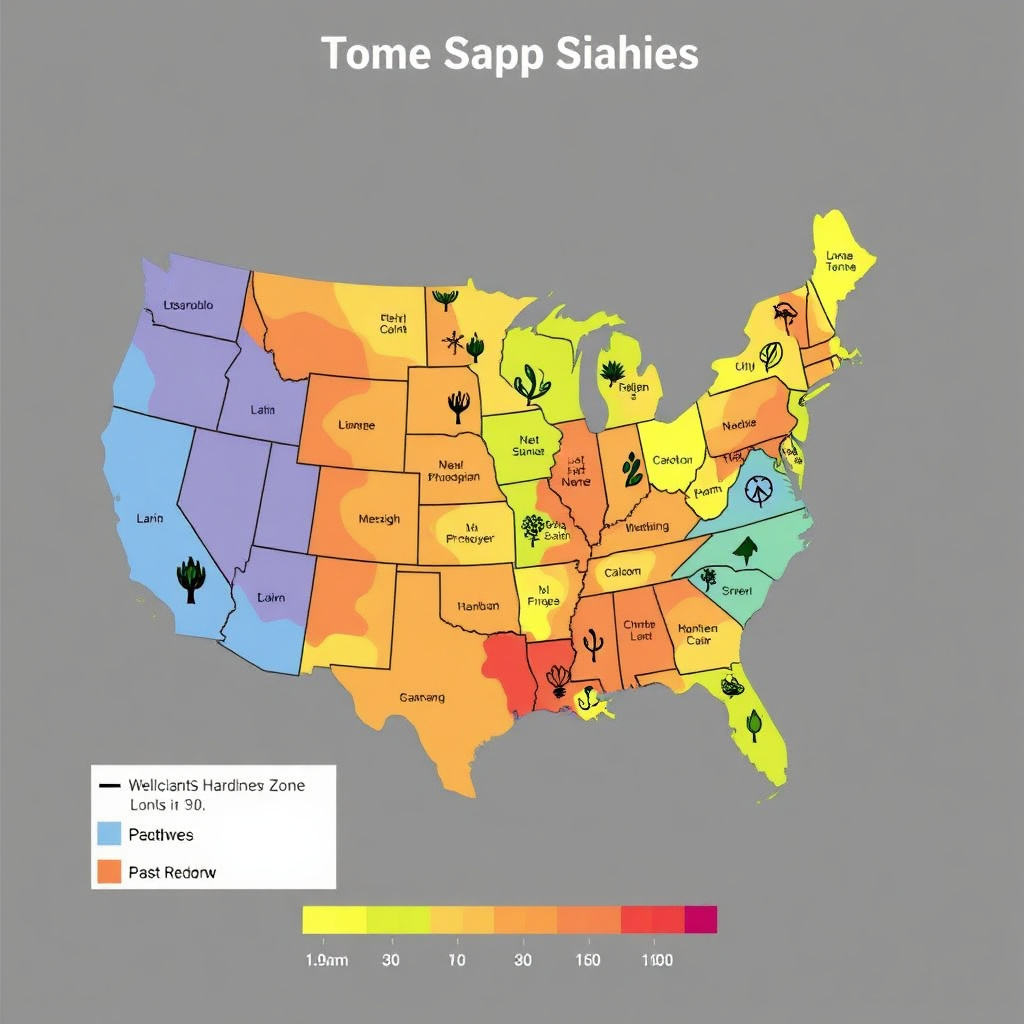
Importance of Hardiness Zones
Each cultivar has specific hardiness zone recommendations where it grows best. Hardiness zones reflect the minimum winter temperatures a plant can tolerate, so choosing a cultivar matched to your zone improves survival and performance.
By selecting cultivars optimal for your zone, you reduce risks of frost damage or heat stress. This extends growing seasons and increases productivity, especially for perennial plants and fruit trees.
Microclimate Considerations
Besides general hardiness zones, local microclimates like sun exposure, wind patterns, and urban heat islands affect cultivar success. A protected garden corner may support cultivars rated for slightly colder zones.
Evaluating your garden’s unique microclimate can refine cultivar choice beyond zone maps, giving you an advantage especially in transitional or borderline areas.
Matching Soil Conditions to Cultivar Needs

Soil pH and Nutrient Requirements
Soil pH varies widely and influences nutrient availability. Some cultivars thrive in acidic soils while others prefer neutral or alkaline conditions. Testing soil pH guides you to cultivars suited for existing soil or helps plan soil amendments.
Nutrient needs differ as well; certain cultivars require richer soils with high organic matter while others tolerate poorer, sandy soils. Choosing cultivars matching your soil profile minimizes fertilizer dependency.
Drainage and Soil Texture
Good drainage is critical for healthy roots. Some cultivars prefer well-drained sandy or loamy soils, while others tolerate heavier clay soils if drainage is adequate.
Understanding your soil texture helps you avoid cultivars that struggle with waterlogging or drought, leading to healthier plants and better yields.
Evaluating Disease and Pest Resistance in Cultivars
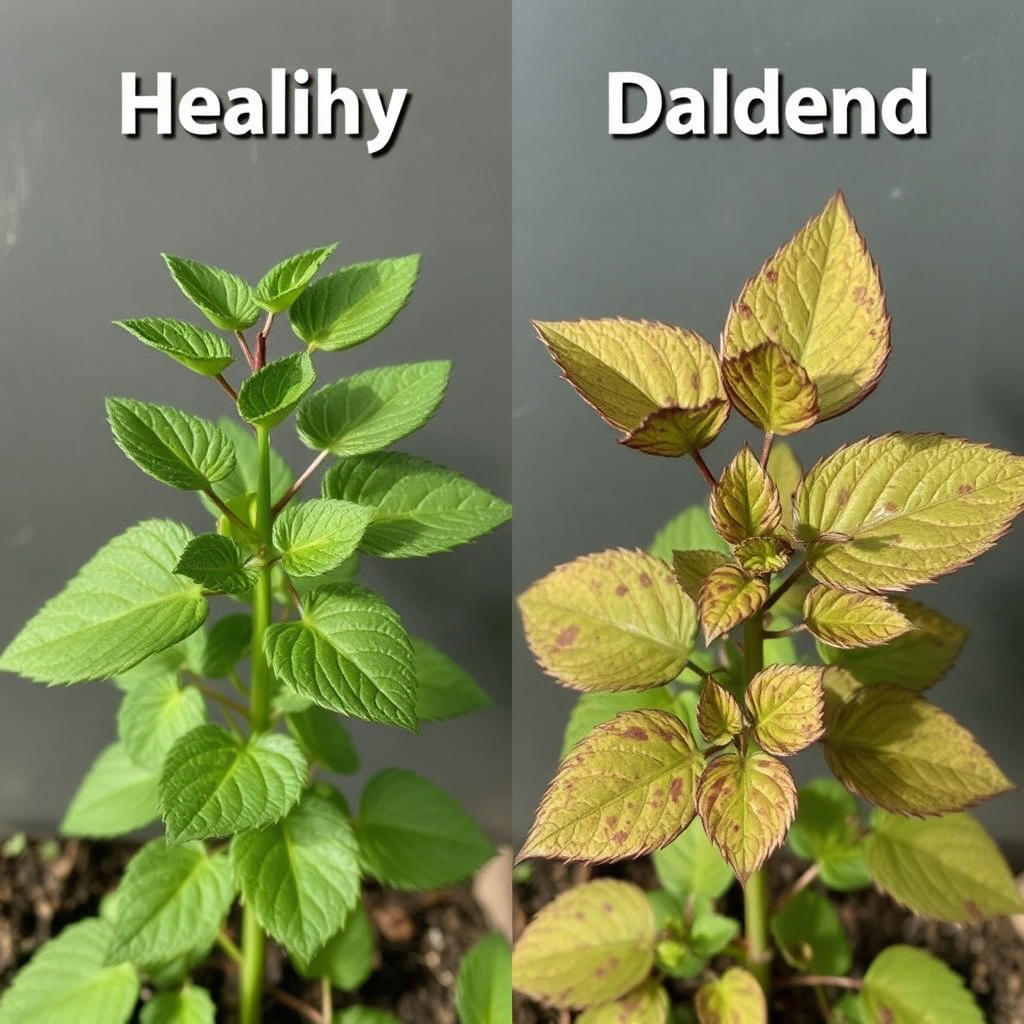
Genetic Resistance Traits
Many cultivars have been bred for resistance against common diseases and pests. Choosing these reduces the need for chemical treatments and supports sustainable gardening.
Resistance traits can include tolerance to fungal infections, viruses, or insect damage. Knowledge of prevalent local threats helps guide cultivar selection.
For more on this, see our related guide: How to Choose Cannabis Strains for Your Perfect Experience.
Long-Term Benefits of Resistant Cultivars
Using disease-resistant cultivars lowers maintenance burdens and increases harvest reliability over seasons. This benefits home gardeners and commercial growers alike.
Resistant plants also lessen the chances of spreading pathogens to neighboring crops, contributing to overall garden health.
Considering Growth Habit and Plant Characteristics
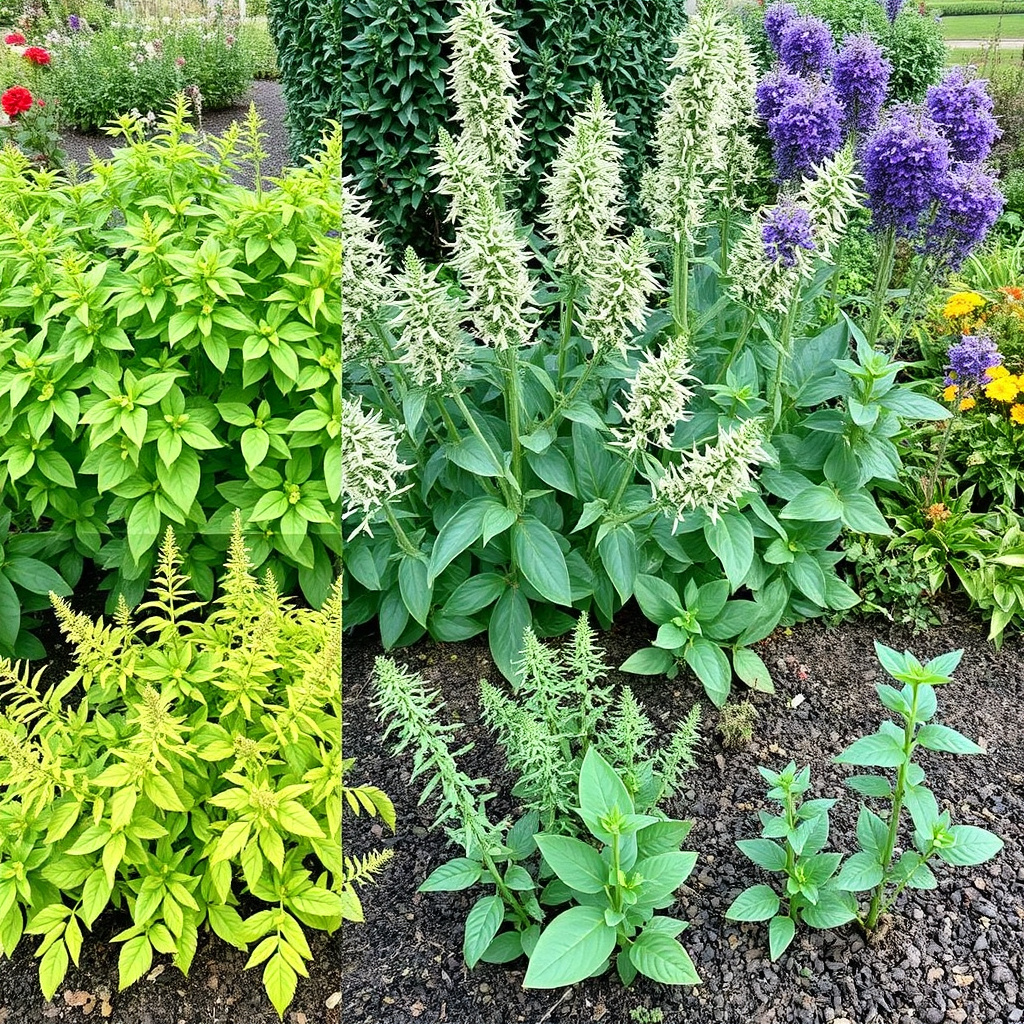
Size and Space Requirements
Cultivars vary widely in mature size and shape, affecting planting density and garden layout. Compact or dwarf cultivars suit container gardening or small spaces, whereas standard sizes require more room.
Understanding growth habits helps prevent overcrowding and ensures adequate sunlight and airflow.
Flowering and Fruit Traits
Different cultivars produce varying flower colors, bloom times, and fruit characteristics such as flavor or storage life. Choosing traits that appeal personally or fit market demands increases satisfaction with your garden.
For example, early-maturing cultivars can extend the harvest season, while ornamental cultivars add aesthetic value.
Researching and Sourcing Quality Cultivars

Finding Reputable Suppliers
Buying cultivars from trusted nurseries or seed companies ensures genetic purity and disease-free stock. Verified sources often provide detailed plant descriptions and growing advice.
Avoid unknown or suspicious sellers to reduce the risk of poor-quality or mislabeled cultivars that may not perform as expected.
For more on this, see our related guide: How to Choose High CBD Cannabis Seeds for Maximum Therapeutic Benefits.
Reviewing Peer Experiences and Trials
Reading garden forums, extension service reports, and trial results provides practical feedback on cultivar performance in climates similar to yours.
Peer insights help you identify cultivars consistently successful and highlight any challenges to anticipate.
Common Mistakes to Avoid When Selecting Cultivars
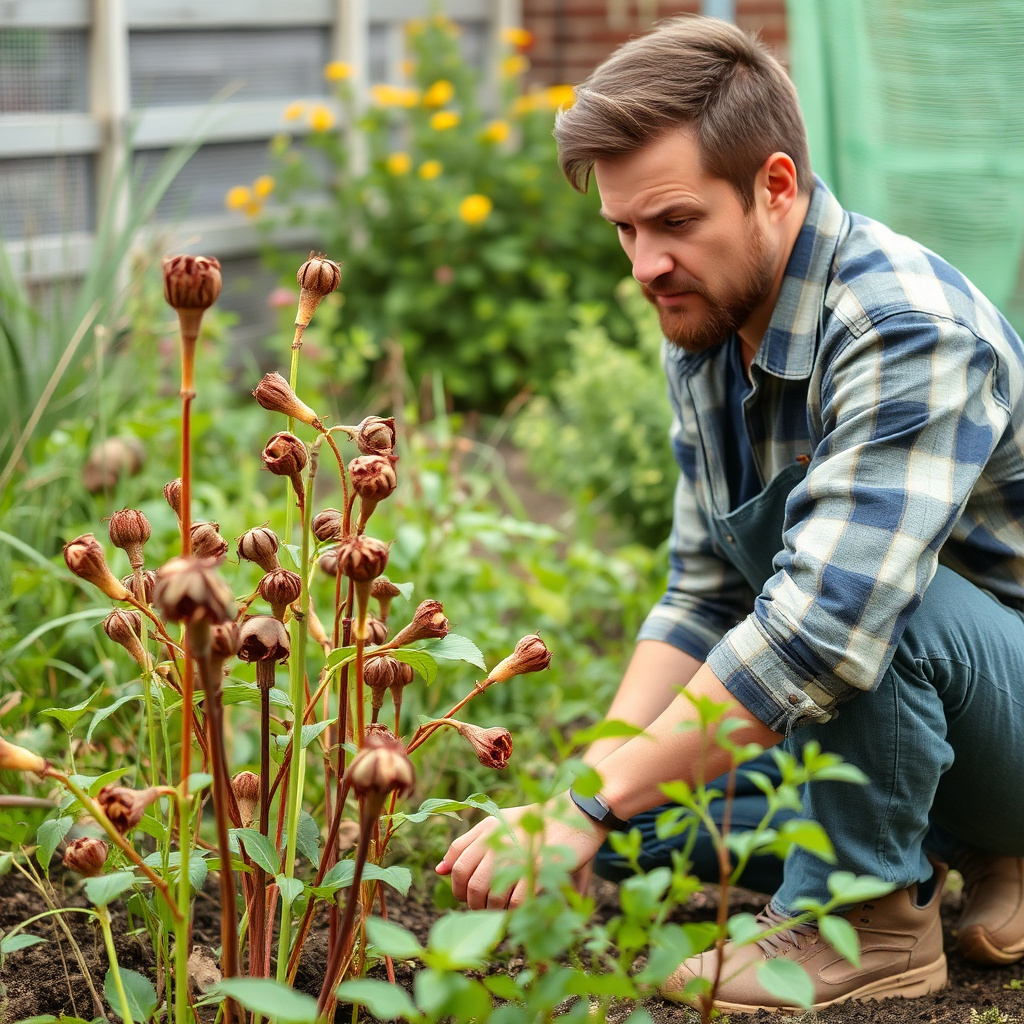
Ignoring Local Conditions
Choosing cultivars without considering local climate extremes, soil type, or seasonal patterns often leads to poor establishment and growth.
Gardeners sometimes pick popular cultivars without matching conditions, resulting in wasted time and resources.
For a comprehensive overview of the concept and history of cultivars, see the detailed cultivar information on Wikipedia. cultivar information on Wikipedia.
Overlooking Disease Resistance
Failing to check a cultivar’s resistance profile can mean frequent pesticide use or unsalvageable crop losses to pests.
Opting for resistant cultivars contributes to easier maintenance and healthier plants.
Cultivar Type Comparison for Different Gardening Needs
This table compares various cultivar categories based on growth habit, disease resistance, climate adaptability, and typical uses to guide your selection.
| Category | Growth Habit | Disease Resistance | Climate Adaptability | Best Uses |
|---|---|---|---|---|
| Heirloom | Varied, often open pollinated | Generally lower; disease susceptibility varies | Often region-specific | Flavorful produce, seed saving |
| Hybrid | Uniform, controlled traits | Often bred for resistance | Broad adaptability | High yield, commercial production |
| Dwarf | Compact growth | Moderate to high | Typically temperate climates | Small spaces, containers |
| Disease-Resistant | Varies by cultivar | High | Adapted to local pests | Low-maintenance gardens |
| Ornamental | Varied aesthetic forms | Usually moderate | Adapted to varied climates | Landscaping, decoration |
Frequently Asked Questions
What is the difference between a cultivar and a variety?
A cultivar is a cultivated plant selected for specific traits and maintained through propagation, while a variety often refers to a naturally occurring sub-group within a species.
How do I find out which cultivars grow best in my area?
Consult local extension services, nurseries, or gardening groups for recommendations based on your hardiness zone and climate.
Can I plant multiple cultivars of the same species together?
Yes, planting different cultivars can increase genetic diversity and sometimes improve pollination or disease resistance.
Are hybrid cultivars always better than heirlooms?
Not always; hybrids often offer disease resistance and uniformity, while heirlooms provide unique flavors and traits that hybrids may lack.
How does disease resistance in cultivars affect chemical use?
Choosing disease-resistant cultivars typically reduces the need for pesticides, leading to a healthier garden environment.
Key Takeaways
- Select cultivars suited to your hardiness zone and microclimate for best results.
- Match cultivars to your soil’s pH, texture, and drainage conditions.
- Prioritize disease and pest resistance to reduce maintenance and crop loss.
- Consider growth habit and plant traits to fit your garden space and goals.
Conclusion
When choosing a cultivar, the best approach balances understanding your local climate, soil conditions, and specific gardening goals. Combining knowledge of hardiness zones with microclimate nuances guides you to cultivars that will thrive rather than struggle. Evaluating disease resistance and growth characteristics further refines your choice to optimize plant health and harvest reliability. This thoughtful selection process helps avoid frustration and maximizes gardening success over time.
For a home gardener in temperate zones with limited space, dwarf and disease-resistant cultivars offer manageable, productive options. Commercial growers might focus on hybrid cultivars crafted for uniformity and high yield, while those seeking unique flavors or seed-saving opportunities often select heirloom varieties. Matching these categories with your environmental conditions ensures your garden meets your expectations, whether ornamental beauty or edible abundance.
To get started, test your soil’s pH and drainage, identify your hardiness zone, and research cultivars suited to those parameters. Reach out to local nurseries or extension services for tailored recommendations. With deliberate selection based on this guidance, you’ll cultivate plants that grow vigorously and suit your garden’s personality perfectly.