What Is the 2018 Farm Bill? A Clear Explanation of Its Key Provisions
The 2018 Farm Bill, officially known as the Agriculture Improvement Act of 2018, is a comprehensive federal law that governs a wide range of programs related to agriculture, food, and rural development in the United States. It serves as the primary legislative framework for agricultural subsidies, nutrition assistance, conservation efforts, and commodity programs, updated approximately every five years. A major highlight of the 2018 version was the legalization of hemp cultivation nationwide.
This bill is significant because it influences the economy, environmental policies, and food security for millions of Americans. By reauthorizing and adjusting numerous programs, the 2018 Farm Bill affects farmers, consumers, and rural communities in ways that reach beyond agriculture alone, including public health and energy policies.
In this article, we'll explore the major components of the 2018 Farm Bill, focusing on agricultural policy changes, nutrition programs like SNAP, hemp legalization, conservation initiatives, and rural development provisions to give you a thorough understanding of its impact.
Key Agricultural Policy Changes in the 2018 Farm Bill

Commodity Programs and Crop Insurance
The 2018 Farm Bill maintained and adjusted commodity programs designed to support farmers facing volatile market prices for crops like corn, wheat, and soybeans. These programs provide financial assistance through price loss coverage and agricultural risk coverage to stabilize farmers' incomes.
Crop insurance received updates aimed at improving affordability and risk management. Subsidies continue to play a critical role, enabling farmers to protect against unpredictable weather and market conditions.
- Price Loss Coverage (PLC) adjustments
- Agriculture Risk Coverage (ARC) provisions
- Enhanced crop insurance subsidies
Support for Specialty Crops and Organic Farming
The bill allocated more funding to specialty crop producers such as fruits, vegetables, nuts, and organic farms, recognizing their growing economic importance and unique challenges compared to commodity crop farmers.
This includes enhanced research funding, marketing programs, and technical assistance to help these farmers improve yields and market access.
- Increased funding for specialty crop block grants
- Support for organic certification and research
Nutrition Programs Under the 2018 Farm Bill

SNAP Program Continuation and Updates
The Supplemental Nutrition Assistance Program (SNAP), which provides food aid to millions of low-income Americans, was fully reauthorized with some changes designed to improve efficiency and reduce fraud.
The 2018 Farm Bill preserved key eligibility criteria, though some proposed restrictions on work requirements and benefit durations were debated but ultimately not fully implemented.
- Preserved broad eligibility for low-income households
- Updated measures to reduce improper payments
Expansion of Nutrition Education and Incentives
The legislation increased support for nutrition education programs aimed at encouraging healthier eating habits, particularly among SNAP recipients.
It also enhanced initiatives that provide financial incentives for purchasing fruits and vegetables to promote better nutrition and public health.
- Funding boost for SNAP-Ed nutrition education
- Programs encouraging fresh produce consumption
Hemp Legalization and Industrial Hemp Provisions

Nationwide Legalization of Hemp Cultivation
One of the most publicized elements of the 2018 Farm Bill was the removal of hemp from the Controlled Substances Act, effectively legalizing its cultivation as long as it contains less than 0.3% THC.
This change opened the door to large-scale hemp farming for fiber, seed, and cannabidiol (CBD) production, creating new opportunities for farmers and industries.
- Defined hemp and THC limits clearly
- Allowed interstate commerce of hemp products
For more on this, see our related guide: Are Cannabis Seeds Legal in the USA? Understanding the Legal Landscape.
Regulatory Framework and State Plans
The bill tasked the U.S. Department of Agriculture (USDA) with developing regulations for hemp production, including approving state and tribal hemp regulatory plans.
This framework establishes licenses, testing standards, and compliance requirements to ensure hemp remains differentiated from marijuana legally.
- State hemp program approvals by USDA
- Sampling, testing, and compliance rules
Environmental Conservation and Sustainability Efforts

Conservation Reserve and Wetlands Programs
The 2018 Farm Bill renewed funding for conservation programs aimed at protecting and restoring natural resources, such as the Conservation Reserve Program (CRP) and Wetlands Reserve Program.
These initiatives incentivize farmers to set aside environmentally sensitive land from production to improve soil and water quality and promote wildlife habitats.
- CRP acreage goals maintained
- Funding for wetlands restoration projects
Soil Health and Water Quality Initiatives
The bill highlighted new priorities on improving soil health through cover cropping, nutrient management, and reduced tillage practices to enhance long-term farm sustainability.
Water quality efforts focus on reducing nutrient runoff and supporting watershed protection projects to safeguard drinking water sources.
- Grants for soil health practices
- Collaborative water conservation programs
Rural Development and Energy Provisions
Infrastructure and Broadband Expansion
Recognizing the challenges facing rural communities, the 2018 Farm Bill supports investments in critical infrastructure, including roads, bridges, and broadband internet access.
These efforts aim to improve connectivity, economic development, and quality of life in underserved rural areas.
- Grants for rural broadband deployment
- Funding for rural infrastructure projects
Renewable Energy and Biofuel Programs
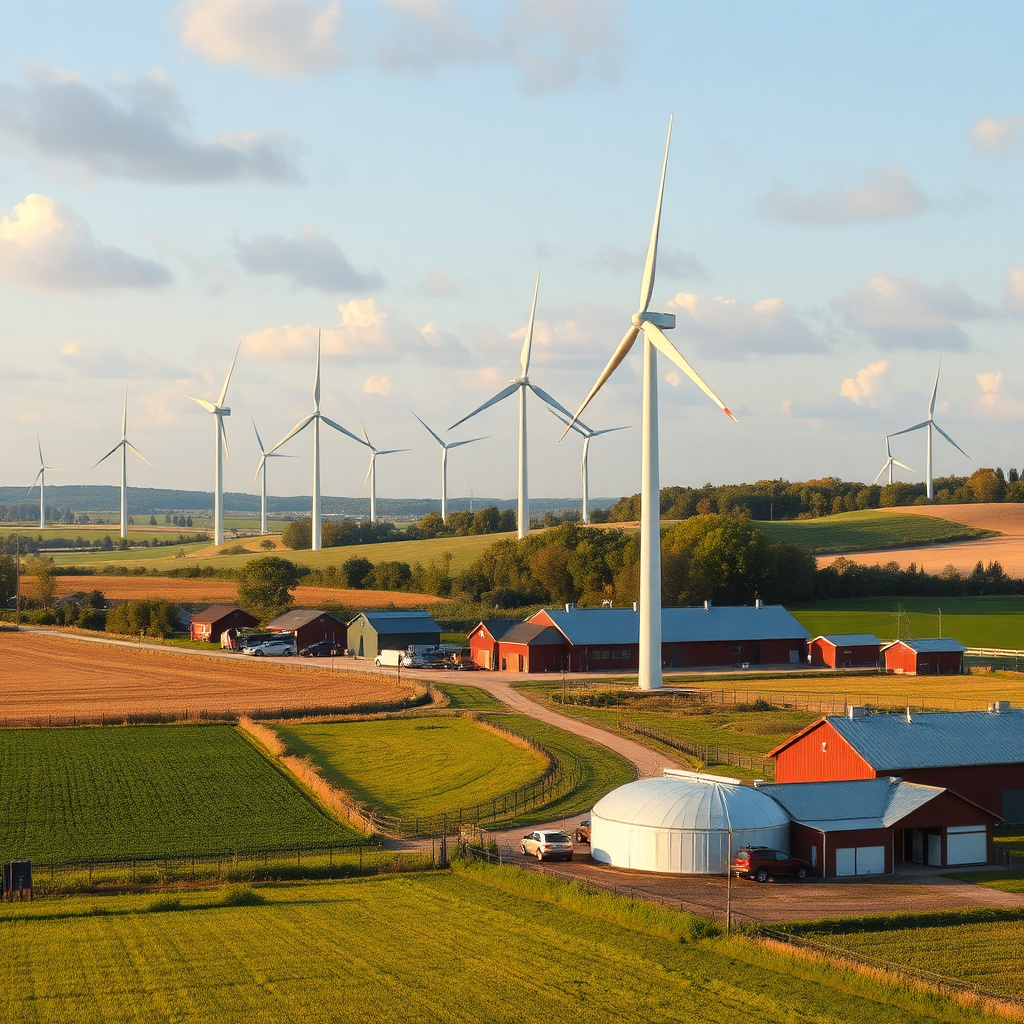
The legislation promotes renewable energy projects on farms and in rural areas, including funding for solar, wind, and biofuel development.
Biofuel programs encourage sustainable alternatives to fossil fuels, contributing to energy security and rural economic growth.
- Support for bioenergy crop production
- Incentives for renewable energy installations
Trade and International Market Support

Export Assistance Programs
The 2018 Farm Bill reauthorized programs designed to boost U.S. agricultural exports, including market development and trade promotion initiatives.
These programs help farmers and exporters compete in global markets, expanding demand for American agricultural products.
- Funding for export market development
- Trade promotion and technical assistance
For a detailed overview of the 2018 Farm Bill, including its legislative history and major provisions, you can visit the 2018 Farm Bill details on Wikipedia. 2018 Farm Bill details on Wikipedia.
Addressing Trade Disruptions and Tariffs
The legislation provided mechanisms to mitigate the impact of trade disputes and tariffs on affected farmers, including emergency assistance programs.
These tools help stabilize farm incomes when international markets face uncertainty or barriers.
- Market facilitation payments
- Support during trade tensions
2018 Farm Bill Category Comparison
Here is a comparison of key categories within the 2018 Farm Bill showing their primary focus and impact.
| Category | Primary Focus | Key Beneficiaries | Funding Level |
|---|---|---|---|
| Commodity Programs | Price stability for commodity crops | Farmers of major grains and oilseeds | $20 billion+ |
| Nutrition Assistance | Food aid and nutrition education | Low-income families and individuals | $70 billion+ |
| Hemp Legalization | Legal framework for hemp cultivation | Hemp farmers and industry | $50 million initial funding |
| Conservation Programs | Environmental protection and sustainability | Farmers practicing conservation | $6 billion+ |
| Rural Development | Infrastructure and broadband expansion | Rural communities | $2 billion+ |
| Trade Support | Export market and trade dispute assistance | Agricultural exporters | $1 billion+ |
Frequently Asked Questions
Why was hemp legalized in the 2018 Farm Bill?
The 2018 Farm Bill legalized hemp to remove it from the Controlled Substances Act, enabling commercial cultivation of low-THC hemp and establishing regulations to stimulate economic growth in the hemp industry.
Does the 2018 Farm Bill affect SNAP eligibility?
The bill reauthorized SNAP with most eligibility rules unchanged but included efforts to improve program integrity and reduce fraud to better serve low-income individuals.
What conservation programs are included in the 2018 Farm Bill?
It includes programs like the Conservation Reserve Program and Wetlands Reserve Program, which incentivize farmers to protect environmentally sensitive land and promote sustainable farming practices.
How does the farm bill support rural broadband expansion?
The bill provides grants and funding to extend broadband internet to underserved rural areas, aiming to boost connectivity and economic opportunities.
Are specialty crop farmers supported in the 2018 farm bill?
Yes, the bill increases funding for specialty crops such as fruits, vegetables, and nuts, supporting research, marketing, and organic farming development.
Key Takeaways
- The 2018 Farm Bill is a major federal law shaping agriculture and food policy.
- It legalized hemp cultivation nationwide, creating new market opportunities.
- Nutrition programs like SNAP were reauthorized with improvements.
- Conservation and rural development received significant funding boosts.
Conclusion
Understanding the 2018 Farm Bill involves recognizing its broad impact on agriculture, nutrition, environmental stewardship, and rural infrastructure across the United States. Its comprehensive design supports farmers of all types, from commodity crop growers to specialty and organic producers, while balancing economic needs with sustainable practices. This legislation shapes much of U.S. agricultural policy for years and influences many aspects of rural life and food security.
Specific provisions like the legalization of hemp have spurred new industries, creating opportunities for farmers and entrepreneurs involved in hemp-based products. Meanwhile, the continuation of nutrition assistance programs such as SNAP ensures that vulnerable populations receive essential food access. Conservation efforts backed by the bill promote healthier soils and cleaner water, demonstrating a commitment to long-term environmental health.
For those interested in how the 2018 Farm Bill may affect them, whether as farmers, consumers, or rural residents, staying informed about its programs is crucial. Exploring state-specific resources and USDA guidelines can provide practical steps to benefit from the bill’s provisions, especially concerning hemp production or taking advantage of rural development grants.