How to Fix Underwatered Plants: Step-by-Step Recovery Guide
To fix underwatered plants, start by gradually rehydrating them with consistent watering and proper soil care. Immediately soaking the plant can shock it, so water deeply but moderately over several days until the soil regains adequate moisture. Trim any dried or damaged leaves to help the plant focus on recovery.
Underwatering stresses plants by depriving roots of necessary moisture, which hinders nutrient absorption and photosynthesis. Recovery depends on gentle treatment and addressing underlying causes like poor watering habits or inadequate drainage. Providing supportive care improves the chance the plant will bounce back to health.
This article explains how to recognize signs of underwatering and details practical repair steps. You’ll find advice on watering techniques, soil preparation, light adjustment, and ongoing maintenance. By the end, you’ll be equipped to nurse thirsty plants back to vigor and avoid similar issues in the future.
Identifying Underwatered Plants
Common Symptoms of Underwatering
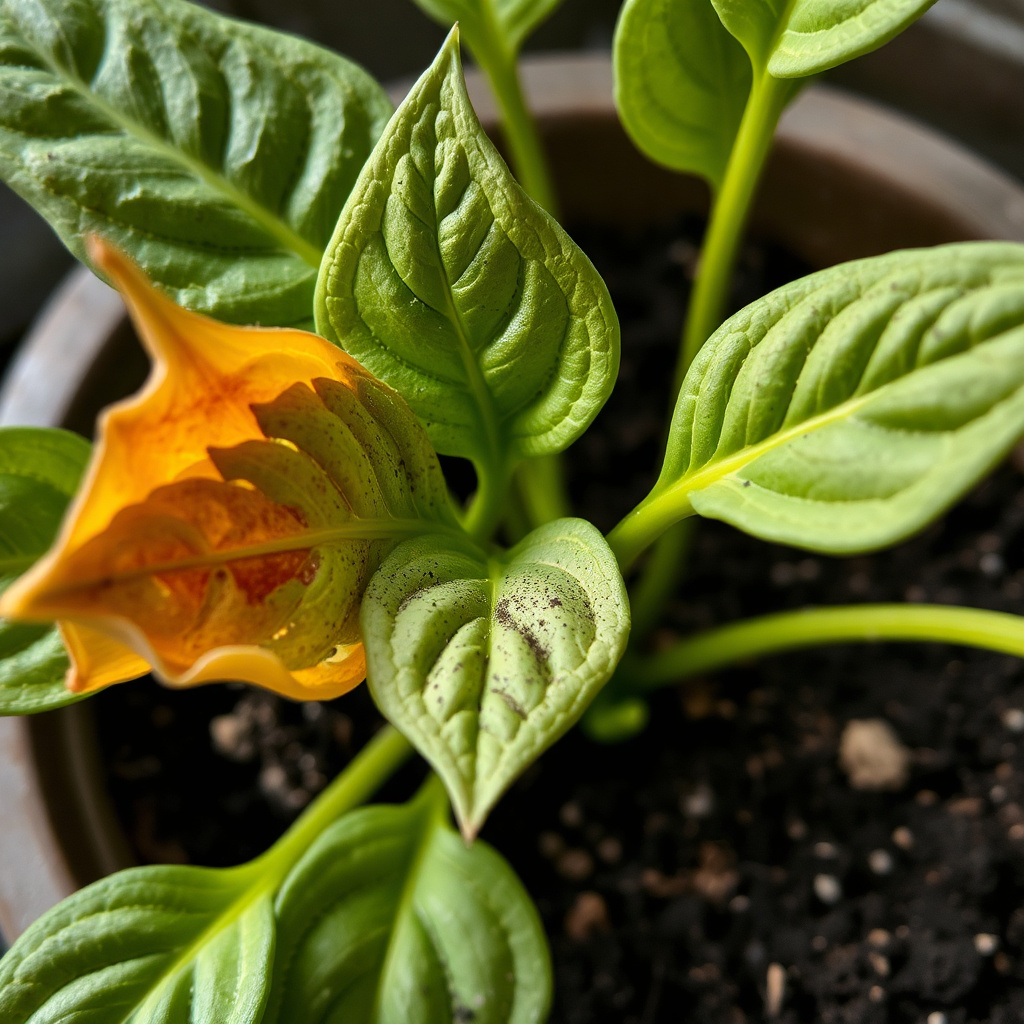
Underwatered plants show wilted, curled, or dry leaves that often feel brittle to the touch. The soil appears dry several inches below the surface and may pull away from the pot’s sides. Growth slows, and the plant can appear dull or lifeless.
Early signs include slight leaf drooping and lack of new shoots, while severe cases show brown leaf edges, leaf drop, and a brittle stem. Recognizing these signs quickly helps prevent permanent damage.
- Wilted or curling leaves
- Dry, compacted soil
- Leaf edges turning brown
- Reduced new growth
Differentiating from Overwatering
Underwatering symptoms can be confused with overwatering, but soil moisture testing clarifies the issue. Underwatered soil is dry and crumbly, while overwatered soil stays moist or soggy.
Yellowing leaves may appear in both cases, but underwatered plants typically have dry, crisp leaves in contrast to the soft, limp texture from excess water.
Correct Watering Techniques for Recovery
Gradual Deep Watering
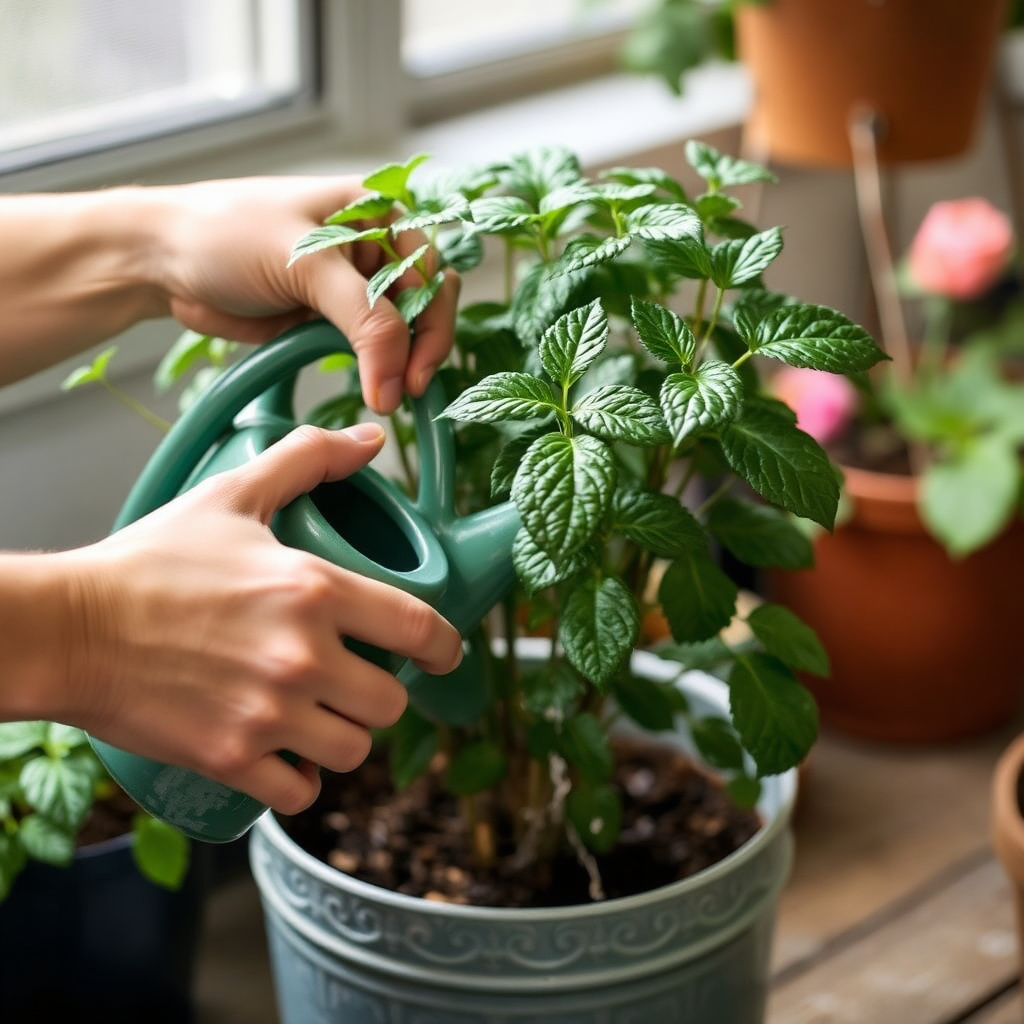
Avoid sudden soaking that can shock stressed roots. Start with moderate watering to moisten the soil evenly, allowing it to absorb water slowly. Repeat watering every few hours over several days for gradual rehydration.
Using a watering can with a spout helps control flow, preventing erosion or waterlogging. This encourages roots to recover without drowning.
- Water deeply but moderately
- Repeat watering over days
- Avoid saturating all at once
Proper Drainage and Soil Preparation
Ensure pots have sufficient drainage holes to prevent water stagnation. Well-draining soil mixtures help maintain appropriate moisture levels and oxygen availability to roots.
If soil is heavily compacted, gently loosen the top layer before watering to improve absorption. Adding organic matter like compost can enhance water retention while avoiding excess moisture.
- Check drainage holes
- Use well-draining soil
- Loosen compacted soil gently
Adjusting Environmental Factors
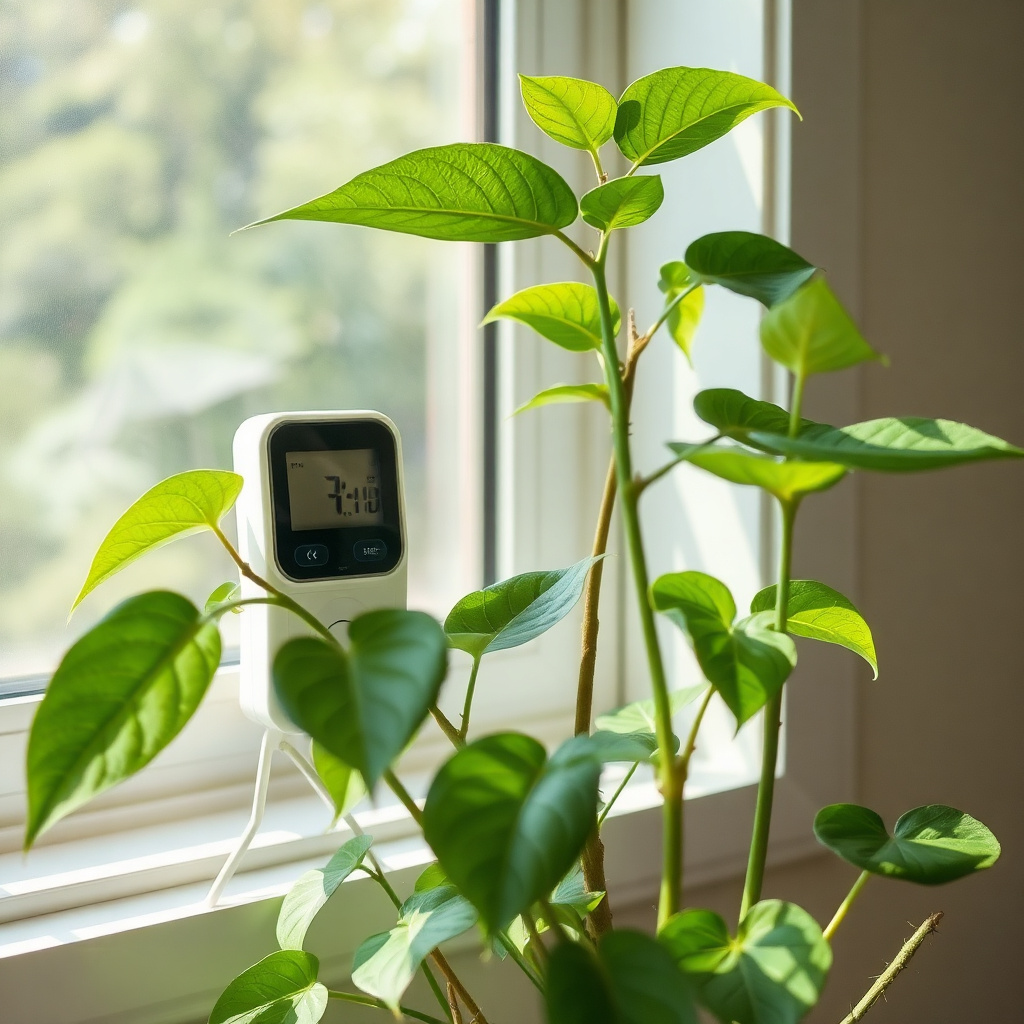
Light Exposure for Recovery
Underwatered plants may benefit from indirect light to reduce stress while still supporting photosynthesis. Move plants away from harsh direct sunlight during recovery to prevent additional water loss.
Balanced light conditions contribute to steady growth and avoid overheating the stressed foliage.
- Provide indirect or filtered light
- Avoid direct midday sun
- Gradually increase light exposure as plant recovers
For more on this, see our related guide: How to Fix Overwatered Cannabis Plants: Effective Recovery Tips.
Humidity and Air Circulation
Increasing humidity around plants helps reduce transpiration and water loss. Placing a humidifier nearby or misting leaves lightly can support hydration but avoid soaking leaves to prevent disease.
Good air circulation prevents fungal problems and promotes healthy respiration for stressed plants.
- Increase ambient humidity moderately
- Use misting sparingly
- Maintain gentle airflow
Trimming and Pruning for Plant Health
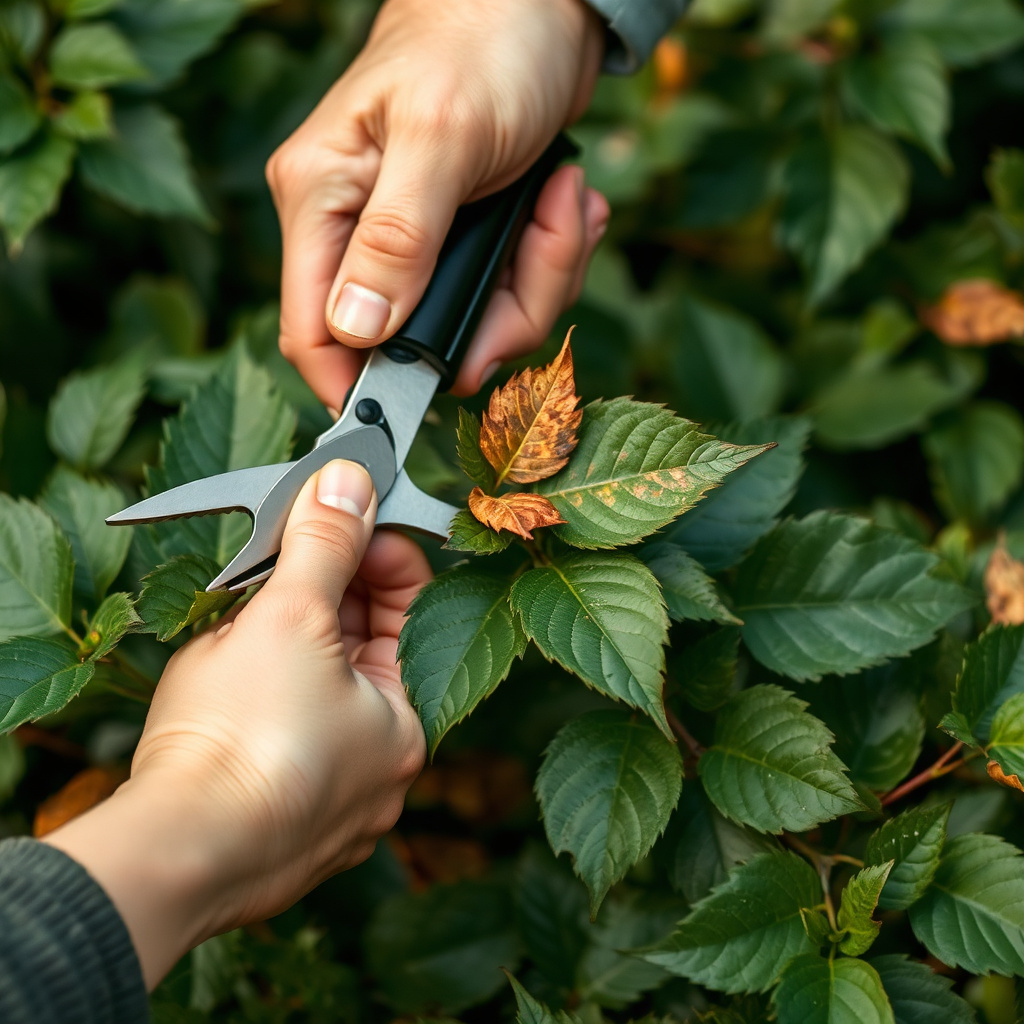
Removing Damaged Leaves and Stems
Cut away dry, brown leaves and dead stems carefully to redirect the plant's energy toward new growth. Dead tissue doesn’t aid photosynthesis and can attract pests or diseases.
Use clean, sharp tools to make precise cuts just beyond healthy tissue, minimizing further stress to the plant.
- Trim dry, brown leaves
- Cut dead stems cleanly
- Disinfect pruning tools before use
Encouraging New Growth
Pruning stimulates the development of fresh shoots and strengthens remaining stems. Combined with proper watering and light, trimmed plants rebound more quickly.
Avoid heavy pruning all at once; instead, focus on targeted removal of damaged parts and allow recovery intervals.
Preventing Future Underwatering
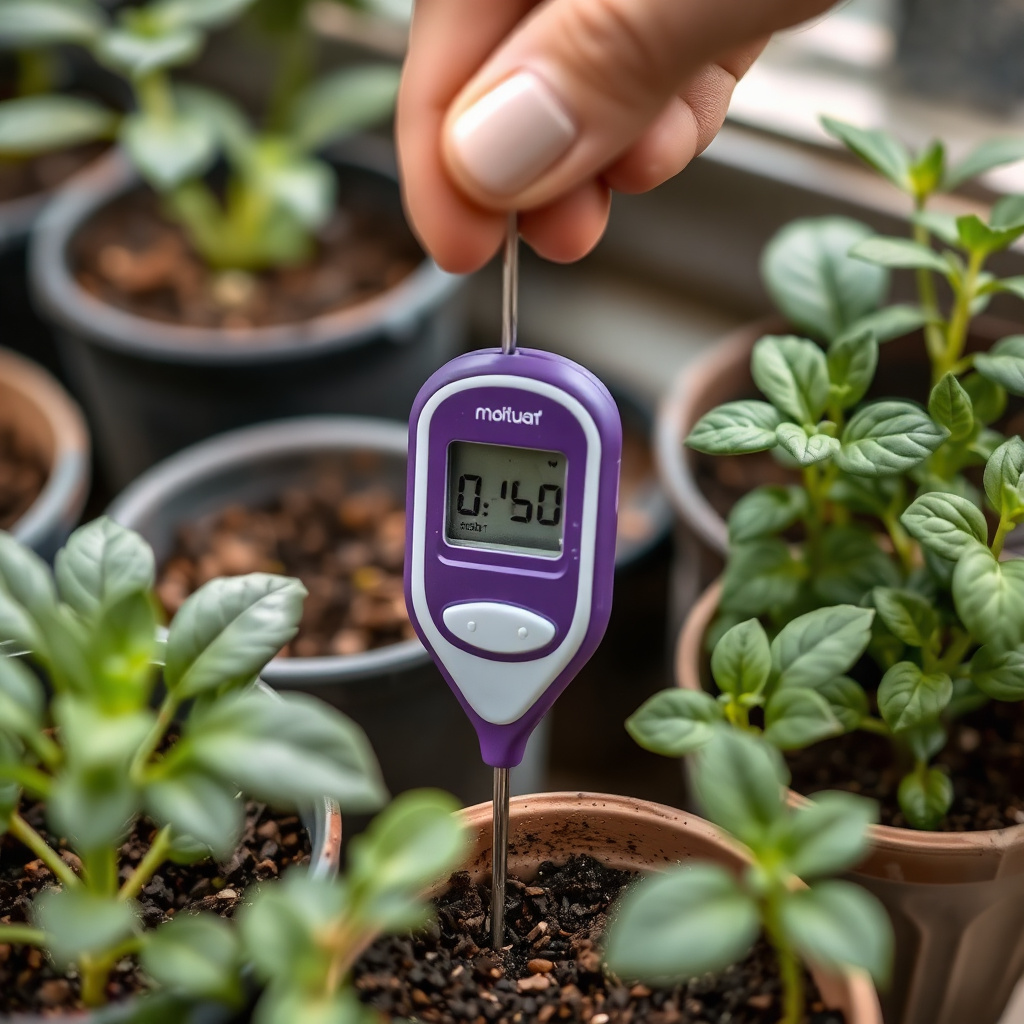
Best Watering Practices for Plants
Consistency in watering is key to preventing underwatering. Check soil moisture regularly rather than relying on fixed schedules. Using tools like moisture meters gives accurate insight.
Water when the top inch of soil is dry, adjusting frequency seasonally. Deep watering encourages stronger root systems compared to frequent shallow watering.
- Check soil moisture regularly
- Water when top 1 inch is dry
- Use moisture meters if needed
For more on this, see our related guide: How Often to Water Cannabis Plants: Timing and Techniques for Healthy Growth.
Soil and Pot Selection
Choose soil blends appropriate for your plant species; some prefer well-draining sandy mixes while others need moisture-retentive soils. Pot size matters – too large pots retain water too long, too small dry quickly.
Consider self-watering pots or adding water-retentive crystals if you often forget watering. Proper soil and pots reduce underwatering risk.
- Match soil type to plant needs
- Use appropriately sized pots
- Consider self-watering options
Monitoring and Maintenance

Regular Inspection
Frequently check plants for early dehydration signs like leaf drooping or soil dryness. Early detection allows timely intervention to prevent deeper stress.
Monitor environmental changes such as humidity shifts or temperature fluctuations that could affect watering needs.
- Look for early drought signals
- Note environmental changes
For more detailed information on plant watering fundamentals, consult this comprehensive resource. plant watering fundamentals.
Adapting Care Over Time
Adjust watering and care routines as plants grow or seasons change. For example, many plants require less water during dormancy or cooler months.
Keep a care journal to track observations and tailor watering practices effectively.
- Modify watering seasonally
- Keep notes on plant response
Comparison of Common Plant Watering Methods
This table compares popular watering strategies to help you choose the best approach to fix underwatered plants and maintain hydration.
| Method | Water Efficiency | Ease of Use | Suitability for Indoor Plants | Recovery Speed |
|---|---|---|---|---|
| Manual Watering | Moderate | High | Excellent | Fast |
| Self-Watering Pots | High | Moderate | Good | Moderate |
| Drip Irrigation | High | Low | Fair | Slow |
| Bottom Watering | Moderate | Moderate | Good | Moderate |
| Misting | Low | High | Poor | Slow |
Frequently Asked Questions
How often should I water an underwatered plant during recovery?
Water underwatered plants moderately and repeatedly over several days to gradually rehydrate the soil without causing shock. Start with light watering every few hours, then reduce frequency as the plant improves.
Can I use fertilizer to help an underwatered plant recover?
Avoid fertilizing underwatered plants immediately as stressed roots may be sensitive. Wait until new growth appears and the plant shows signs of improved health before applying diluted fertilizer.
What type of soil is best for preventing underwatering?
Well-draining soil with good moisture retention, often made with organic compost and perlite, helps maintain balanced moisture and reduces underwatering risks. Match soil texture to plant species requirements.
Is misting an effective way to hydrate underwatered plants?
Misting increases humidity but does not adequately water roots. It can assist in reducing leaf water loss but should supplement, not replace, thorough soil watering for recovery.
How can I tell if my plant is recovering from underwatering?
Signs of recovery include the return of turgid, upright leaves, appearance of new shoots or buds, improved soil moisture retention, and gradual resumption of healthy growth patterns.
Key Takeaways
- Gradually rehydrate underwatered plants with moderate deep watering over days.
- Remove damaged leaves and avoid sudden soaking to prevent shock.
- Use appropriate soil and pots to maintain proper moisture balance.
- Monitor soil moisture regularly and adjust care seasonally.
Conclusion
Fixing underwatered plants revolves around restoring moisture to the roots without overwhelming the stressed system. A methodical approach combining gradual watering, pruning, and environmental adjustments helps plants recover energy and resume healthy growth. Understanding your plant’s specific needs and soil condition allows tailored care that respects its current state and avoids further setbacks. By watching for early signs and committing to careful recovery steps, you turn a wilted plant back into a thriving one.
Different watering methods cater to various plant types and owners’ lifestyles. Manual watering with attention to soil moisture is generally best for prompt recovery, especially indoors. Self-watering pots reduce risk of repeat underwatering but work slower for stressed plants needing quick care. Proper soil selection and drainage are equally important to fix and prevent underwatering; combine these with environmental controls like humidity and light adjustments for optimal results.
After treating your underwatered plants with gradual deep watering and pruning, maintain vigilance through regular inspections and moisture checks. Using tools like moisture meters and adjusting watering frequency seasonally rounds out good maintenance. Your next step is to apply these best watering practices consistently and create a care routine that keeps your plants healthy long term.