How to Buy Seeds Online: A Practical Guide for Gardeners
If you want to buy seeds online, start by identifying the type of seeds you need and researching reputable sellers that specialize in those varieties. Look for clear product descriptions, germination rates, and customer reviews to gauge quality before making a purchase.
Buying seeds online offers access to a wider variety than local stores, including heirlooms and rare plants. However, because you cannot inspect the seeds physically, picking trustworthy sources and understanding shipping conditions are essential to receiving viable seeds and having a thriving garden.
This article breaks down how to choose seeds based on your climate and gardening goals, select reliable online seed stores, understand seed quality indicators, navigate ordering and shipping concerns, and offers practical tips to avoid common pitfalls when you buy seeds online.
Understanding Different Types of Seeds
Vegetable and Herb Seeds Selection
Vegetable and herb seeds come in numerous varieties suited to different climates and soil types. When buying online, check if the seed vendor provides detailed maturity times, spacing guidelines, and climate zones to ensure compatibility with your garden.
Some seeds are hybrids bred for disease resistance or high yield, while others are heirlooms prized for unique flavors and heritage traits. Choose based on your preference between consistency and tradition.
- Hybrid seeds for uniform crops
- Heirloom seeds for genetic diversity
- Seasonal planting recommendations
Flower Seed Varieties and Uses
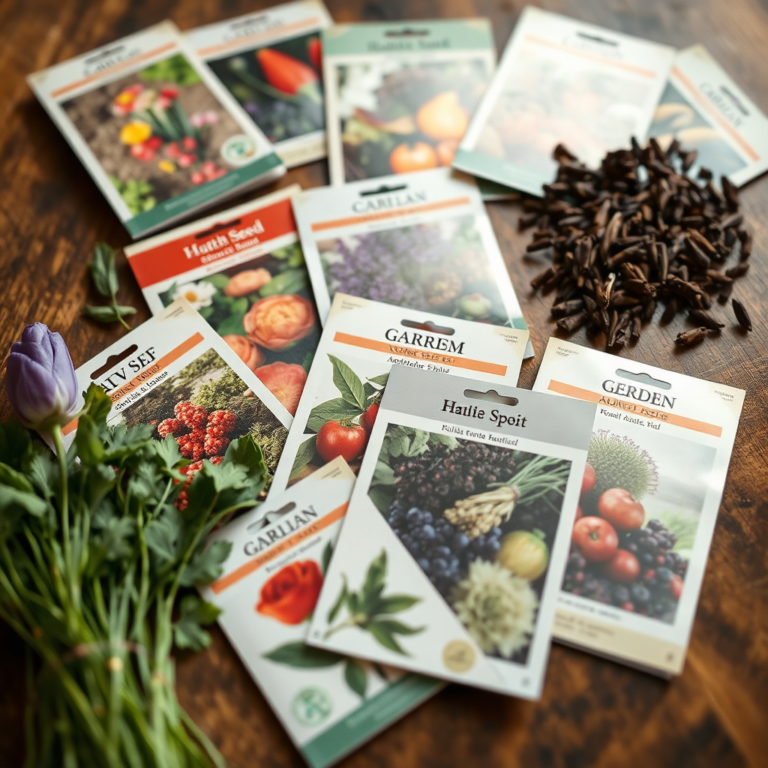
Flower seeds online include annuals, perennials, and wildflowers, each serving different garden purposes such as borders, pollinator support, or container planting. Packaging often states bloom time and growth height, which are vital for design planning.
Certain flower seeds, like native wildflowers, require specific soil and sunlight conditions to thrive. Confirm these details from the seller’s site before making your choice to avoid poor germination.
- Annuals for quick blooms
- Perennials for lasting garden structure
- Native flowers for ecological benefits
How to Identify Trustworthy Online Seed Stores
Evaluating Seed Store Reputation
Reputable seed stores often provide thorough product information, clear return policies, and customer feedback. Look for vendors that have been recommended by gardening communities or have certifications related to organic or sustainable growing practices.
Avoid stores with vague product details or overwhelmingly negative reviews about delivery or seed viability. Social media presence and response to customer queries can also indicate reliability.
- Check online gardening forums
- Look for certifications and awards
- Review customer testimonials
For more on this, see our related guide: Best Places to Buy Chia Seeds Online.
Customer Service and Return Policies
A critical factor when buying seeds online is the seller’s customer service. Confirm they offer assistance regarding seed selection, planting instructions, and support in case seeds fail to germinate.
Return and replacement policies matter since seed viability can sometimes be unpredictable due to shipping delays or weather conditions. Stores with generous policies reduce risk for online buyers.
- Availability of expert advice
- Clear replacement or refund policy
- Timely response rates
Evaluating Seed Quality Before Purchase
Understanding Germination Rates and Seed Viability
Germination rate indicates the percentage of seeds expected to sprout under ideal conditions. Reliable sellers provide this figure on their seed packets or website. Higher rates often mean fresher seed stock.
Also, check seed production dates or expiration periods. Older seeds can still grow but usually with lower success rates. Buying seeds with a recent production date maximizes your chances of a healthy crop.
- Look for germination rates above 80%
- Prefer seeds harvested within the last year
- Note proper storage recommendations
Organic and Non-GMO Seed Options
Organic seeds come from plants grown without synthetic chemicals and are often preferred by gardeners focusing on sustainable practices. Non-GMO seeds assure plants haven’t been genetically modified.
Many online seed sellers label their products clearly as organic or non-GMO, sometimes accompanied by third-party certification. These factors contribute to both environmental considerations and seed quality standards.
- Look for USDA Organic or similar labels
- Verify non-GMO claims with certifications
- Consider local organic seed suppliers
Ordering Process and Shipping Considerations
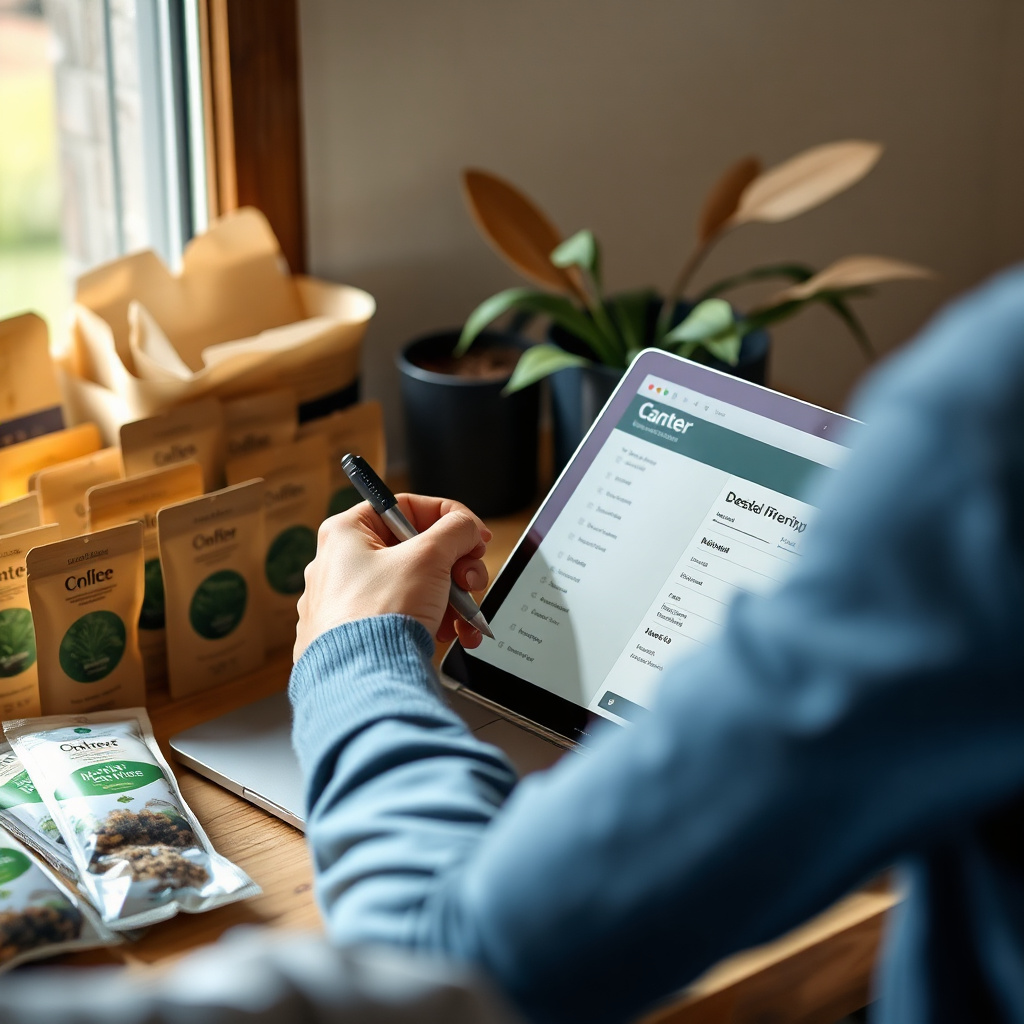
Placing Your Seed Order Online
Once you've selected your seeds and verified the seller’s reputation, add the seeds to your cart and ensure you review all order details carefully. Verify quantities, seed types, and shipping options before finalizing.
Many stores offer detailed planting calendars and growing guides as part of the order confirmation or downloadable materials. Taking advantage of these can aid in planting success.
- Confirm seed quantities needed
- Select preferred shipping speed
- Download planting instructions if available
For more on this, see our related guide: Top 7 Places to Buy Weed Seeds Online.
Shipping Times and Handling to Protect Seed Viability
Seed quality can degrade if exposed to excessive heat, moisture, or long shipping delays. Opt for seed stores that use protective packaging and reliable shipping carriers.
Consider ordering seeds well before planting season to allow for unexpected shipping issues, and track your orders to be available at delivery, preventing packages from being left in unfavorable conditions.
- Choose expedited shipping for fragile tropical seeds
- Order early to accommodate delivery delays
- Keep seeds in cool, dry storage upon arrival
Tips and Tricks for Successful Online Seed Shopping

Managing Expectations With Seed Germination
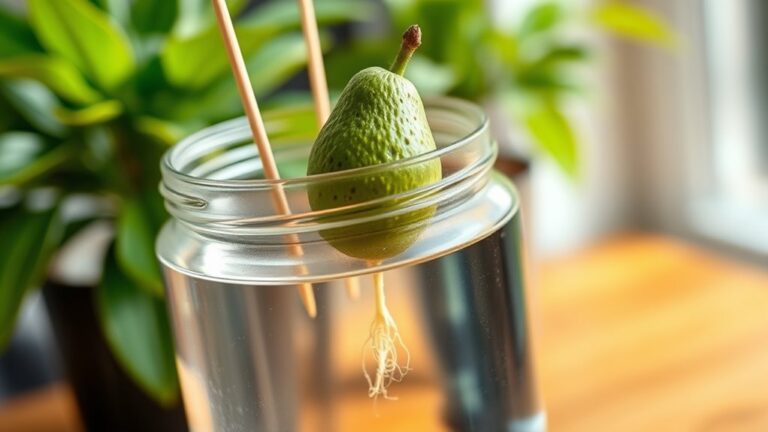
Even with high-quality seeds, germination rates vary based on planting technique, soil condition, and climate. Follow sowing instructions closely and perform germination tests if uncertain.
Buying a slightly larger quantity of seeds than needed can compensate for those that don’t sprout. Keep records of which suppliers consistently provide good germination to refine future orders.
- Test germination rate before planting full batch
- Buy extra seeds as a precaution
- Keep notes on seed source performance
For more detailed botanical information, you can visit the Seed article on Wikipedia. Seed article on Wikipedia.
Budgeting and Seasonal Buying Strategies
Buying seeds online allows for comparing prices across many stores. Look for discounts on bulk orders or seasonal sales to stretch your gardening budget.
Plan purchases according to your growing season, ordering seeds early for spring crops and considering fall planting schedules. This approach helps ensure availability and better prices.
- Watch for early-season discounts
- Buy in bulk when planning large gardens
- Purchase seasonally to maximize freshness
Online Seed Store Category Comparison
The table below compares different types of online seed stores based on variety, pricing, and special features to help you decide where to buy seeds online.
| Category | Variety Offered | Price Range | Shipping Options | Customer Support |
|---|---|---|---|---|
| Specialty Organic Seed Stores | Heirloom and certified organic seeds | $5 – $20 per packet | Standard & expedited, climate-protected | Expert gardening advice, replacement guarantee |
| Mass Market Seed Suppliers | Wide vegetable, herb, and flower seeds | $2 – $10 per packet | Standard shipping only | Basic support, limited return policy |
| Local Seed Banks | Native and regional plant seeds | $3 – $15 per packet | Standard shipping, seasonal availability | Community-focused support, non-profit |
| Heirloom & Rare Seed Catalogs | Rare, heritage, and experimental | $6 – $25 per packet | Tracked shipping with climate care | Specialty advice, satisfaction guarantees |
Frequently Asked Questions
Can I trust seller reviews when buying seeds online?
Seller reviews offer useful insights but check multiple sources like gardening forums and social media to verify legitimacy, as some reviews may be biased or fake.
How should I store seeds after receiving them?
Store seeds in a cool, dry, dark place, ideally in airtight containers. Avoid humidity and temperature fluctuations to prolong seed life and maintain viability.
What does 'non-GMO' mean on seed packets?
Non-GMO indicates the seeds are not genetically modified organisms. This ensures plants grow naturally without genetic alterations, favored by many organic gardeners.
Do shipping delays affect seed germination?
Extended shipping delays, especially if seeds are exposed to heat or moisture, can reduce germination rates. Ordering early and using reliable stores helps minimize this risk.
Is it better to buy hybrid or heirloom seeds online?
Hybrid seeds offer uniformity and disease resistance, while heirlooms provide genetic diversity and flavor variety. Choose based on your garden goals and preferences.
Key Takeaways
- Research seed types and suitability for your climate before buying online.
- Choose reputable seed stores with clear quality and return policies.
- Check germination rates and seed freshness on product listings.
- Plan ordering and shipping to avoid seed viability issues.
Conclusion
Buying seeds online requires careful consideration of seed type, quality indicators, and seller reliability. By focusing on specific plant needs and understanding the importance of germination rates and seed freshness, you can make informed choices that lead to successful gardening results. Evaluating customer support and shipping methods additionally protects your investment in seeds.
For gardeners seeking variety and organic options, specialty organic seed stores and heirloom catalogs offer valuable selections with expert guidance. Those with budget constraints or needing wide availability may find mass market suppliers more convenient but with varying seed reliability. Local seed banks support native plant gardening and community efforts, appealing to eco-conscious growers.
To start buying seeds online confidently, identify seeds suited to your garden goals, check reliable seed stores, and plan purchases around your growing season. Keep track of seed performance to refine orders over time. This approach allows you to enjoy a vibrant garden cultivated from quality seeds delivered right to your door.