How Many States Have Legalized Cannabis: A 2024 Overview
As of 2024, a total of 23 states have fully legalized cannabis for adult recreational use in the United States, while over 30 states permit medical cannabis. The pace of legalization continues to grow, reflecting shifting public opinion and policy reforms.
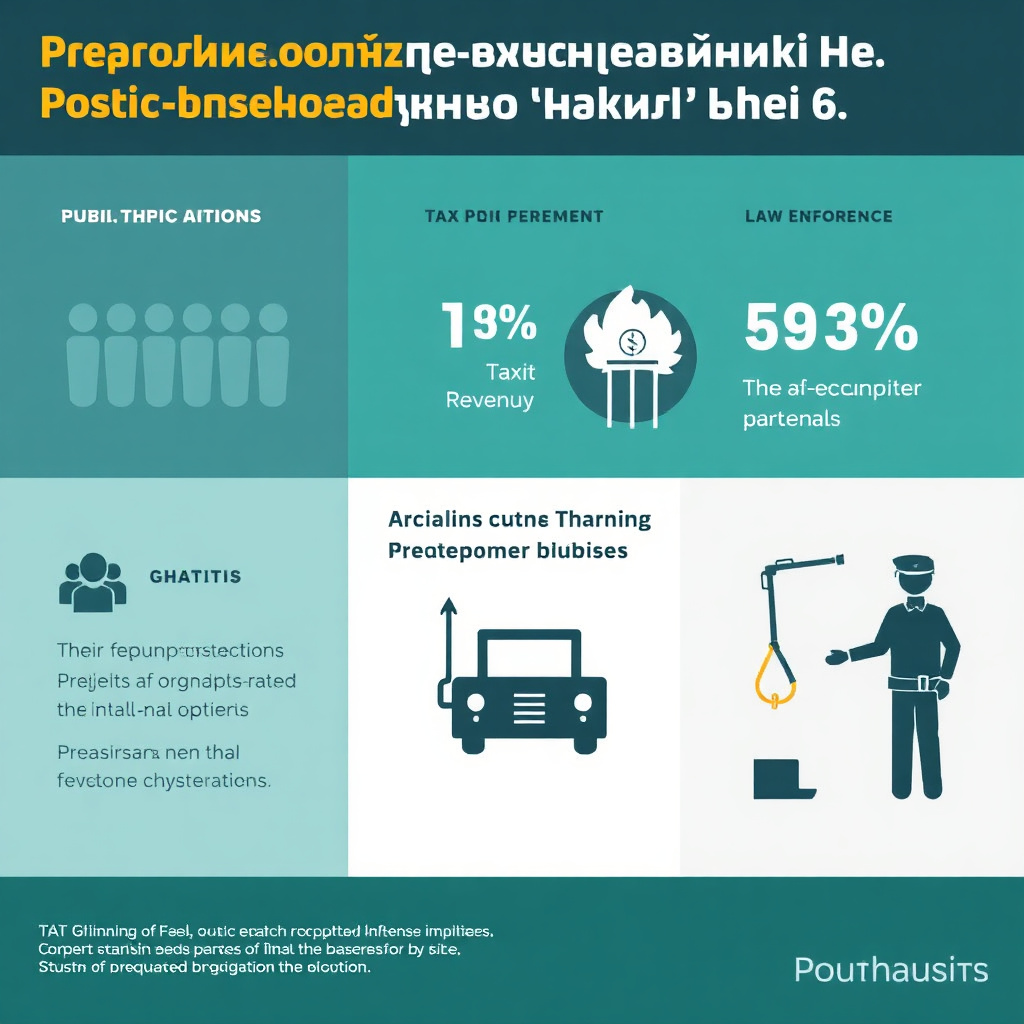
This growing acceptance of cannabis reflects changing attitudes towards its medicinal and recreational benefits. Legalization impacts law enforcement, taxation, and public health policies, making it a pivotal issue in state government agendas.
This article will explore which states have legalized cannabis, distinctions between medical and recreational laws, the key factors influencing legalization, and how laws vary across regions. We'll also compare legalization categories and provide answers to common questions.
History of Cannabis Legalization Across the United States
Early Medical Cannabis Laws
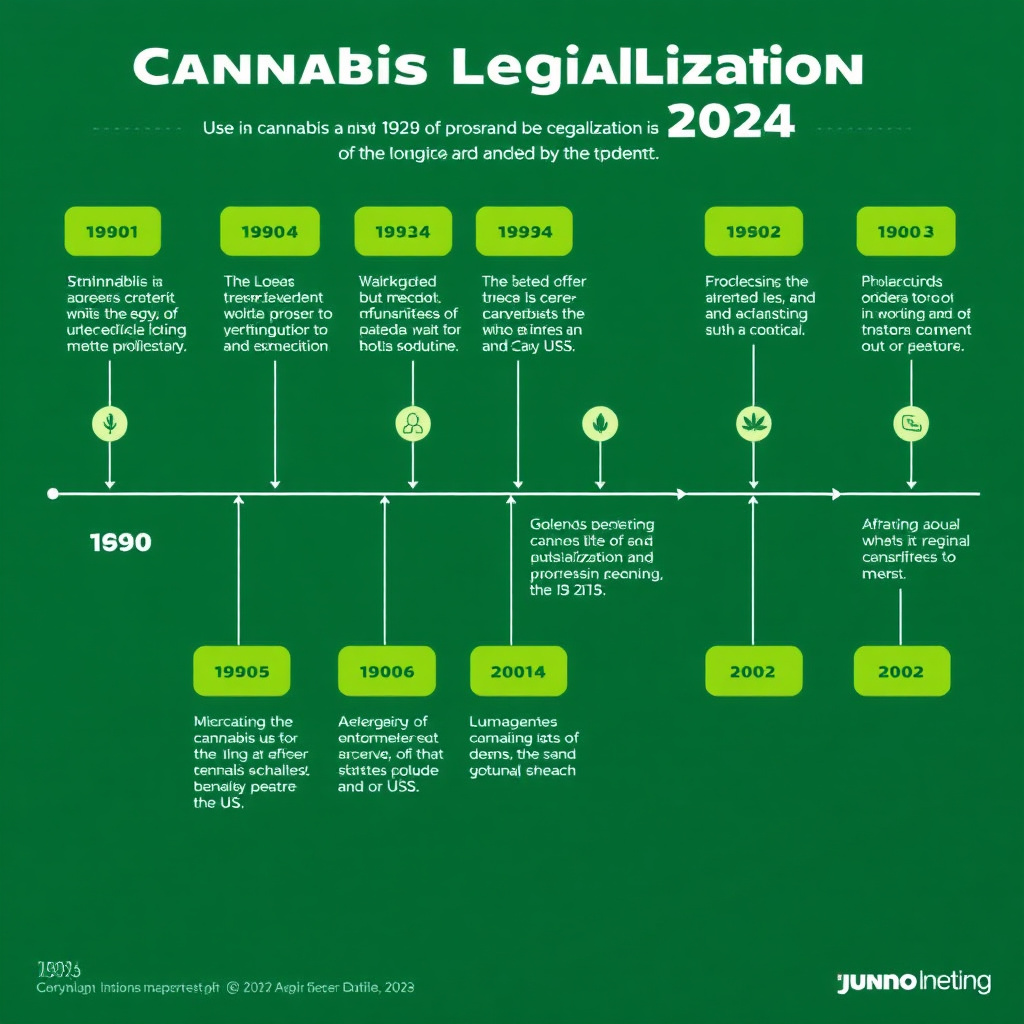
The movement to legalize cannabis began with medical marijuana programs in the 1990s, starting with California’s Proposition 215 in 1996. These initial laws allowed patients with qualifying conditions to access cannabis for symptom relief, setting a precedent for subsequent states.
Medical cannabis laws vary widely in terms of qualifying conditions, access points, and possession limits. The early adoption by states showed a growing recognition of cannabis’s therapeutic potential even before recreational legalization became mainstream.
- California was the pioneer state in 1996.
- Medical conditions commonly included cancer, glaucoma, and chronic pain.
- Patient registries and dispensary systems were developed.
Expansion to Recreational Legalization
Recreational cannabis laws started appearing more recently, with Colorado and Washington becoming the first states to legalize adult use in 2012 through ballot initiatives. Since then, legalization has expanded as voters and lawmakers responded to social and economic pressures.
Recreational legalization includes establishing taxed and regulated markets, with age restrictions typically set at 21 and older. States differ in retail models, potency limits, and public consumption rules, reflecting diverse policy choices.
- Colorado and Washington led the way in 2012.
- Tax revenue from sales funds various state programs.
- Legal possession usually capped at one ounce or equivalent.
Current Legal Status: Understanding Cannabis Laws by State
States with Fully Legalized Cannabis
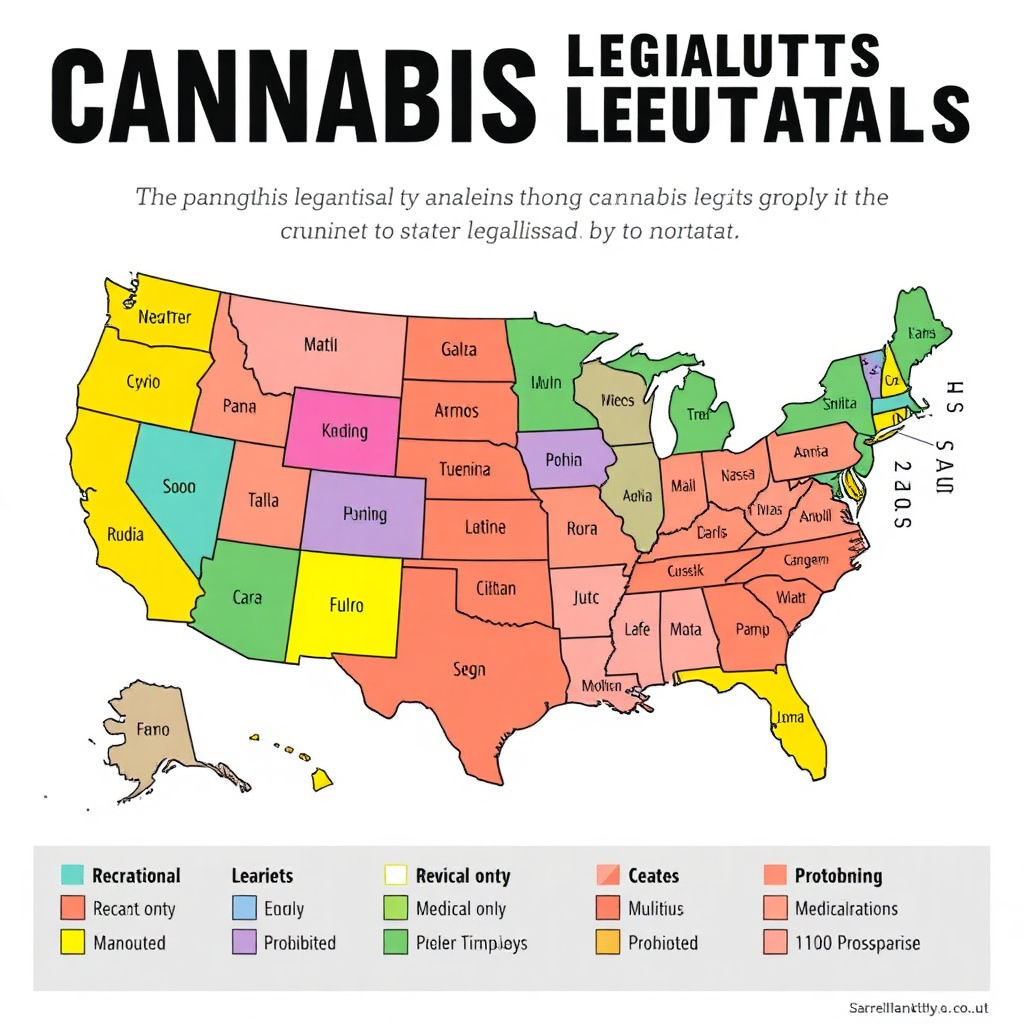
As of 2024, 23 states have fully legalized cannabis, allowing both recreational and medical use. These states have established frameworks for licensed cultivation, retail sales, and possession.
The legal markets in these states generate considerable tax revenues and have spurred new business sectors including dispensaries, growers, and ancillary services. Popular states include California, Illinois, and New York.
- Examples: California, Illinois, New York, Massachusetts, Michigan.
- Retail sales regulated through state licensing.
- Consumption limited to adults aged 21 and over.
For more on this, see our related guide: Are Cannabis Seeds Legal in the USA? Understanding the Legal Landscape.
States With Medical-Only Cannabis Programs
More than 15 states permit medical cannabis but have not legalized recreational use. These states provide patient access with a recommendation or prescription, but sales to non-patients remain prohibited.
Medical cannabis programs have different qualifying conditions, product types allowed such as oils or flower, and varying possession amounts. Patients generally must register to obtain cards granting legal protections.
- Examples: Florida, Pennsylvania, Oklahoma.
- Access usually requires physician approval.
- No recreational retail markets in these states.
Factors Influencing State Decisions on Cannabis Legalization
Public Opinion and Voter Initiatives
Public support for cannabis legalization has steadily increased, influencing legislatures and ballot initiatives. Surveys indicate that a majority of Americans now favor legalizing recreational cannabis, driving politicians to adopt pro-cannabis stances.
Direct voter initiatives have been central in legalization, often bypassing legislative gridlock. States with strong activist campaigns and public backing have moved faster to permit adult-use cannabis.
- Polling shows steady rise in support since early 2000s.
- Ballot measures enable citizens to directly legalize cannabis.
- Media campaigns often sway voter decisions.
Economic and Social Considerations
States weigh potential tax revenue and job creation against concerns like impaired driving and public health. Legal cannabis markets have proven lucrative, funding education, healthcare, and public safety programs in many regions.
Social justice initiatives, including expunging past cannabis convictions and promoting minority-owned cannabis businesses, have become integral to legalization efforts in numerous states.
- Tax revenues fund various state projects.
- Some states implement equity programs for affected communities.
- Concerns about youth access and road safety influence regulations.
Variations in Cannabis Legalization Laws by State
Possession Limits and Usage Restrictions
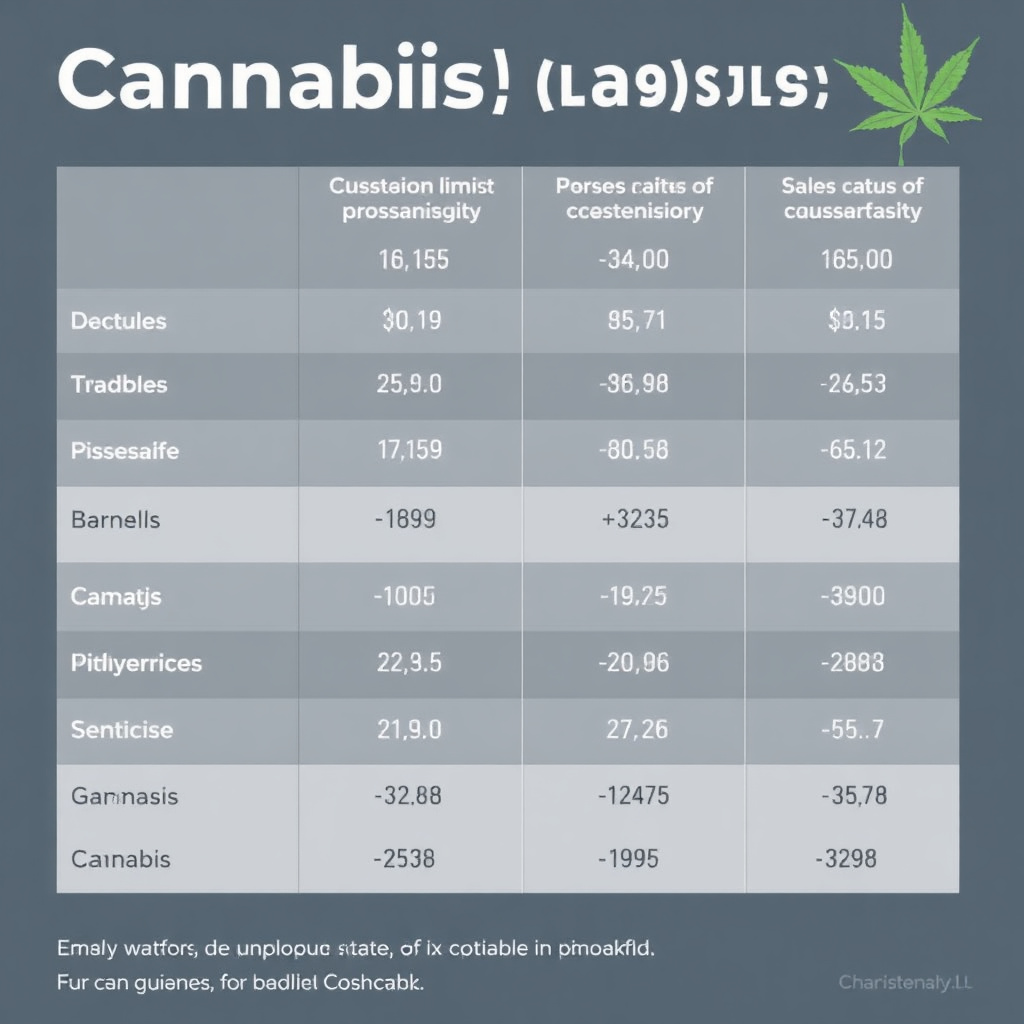
Possession limits for cannabis flower and concentrates differ by state. Some allow up to one ounce recreationally, while others set lower or higher limits. Restrictions on where cannabis can be consumed also vary, with public use often banned.
Certain states permit home cultivation within specified plant limits, whereas others restrict growing to licensed producers. These details affect user experience and enforcement complexities.
- Typical possession limit: 1 ounce (28 grams).
- Home grow allowed in some states, typically 4-6 plants.
- Public consumption mostly prohibited except in licensed venues.
Market Structure and Sales Regulations
States use diverse retail models including state-run stores, private dispensaries, and hybrid systems. Licensing fees, product testing, packaging, and advertising rules differ widely, shaping consumer choices and market dynamics.
Some legalization laws include microbusiness licenses and social equity provisions, promoting diversity and smaller operators within the cannabis industry.
- Retail models: private, state-run, mixed.
- Testing mandatory for potency and safety.
- Restriction on marketing to minors.
Federal Cannabis Law and Its Impact on State Legalization
Federal Prohibition and State Autonomy
Cannabis remains illegal under federal law as a Schedule I substance, creating conflicts with state legalization. Federal agencies generally defer to states on enforcement but maintain authority to intervene, leading to legal uncertainty.
This dichotomy affects banking access for cannabis businesses, interstate commerce, and research restrictions, complicating the legal landscape for states that have legalized cannabis.
For a broader historical and legal perspective, see Cannabis in the United States on Wikipedia. Cannabis in the United States on Wikipedia.
Prospects for Federal Reform
Legislation such as the MORE Act and state-level advocacy shows momentum for federal cannabis reform. Changes could include rescheduling, decriminalization, or legalization at the federal level, easing conflicts with state laws.
Federal reform would likely expand research opportunities, improve banking access, and potentially standardize regulations, benefiting consumers and businesses nationwide.
Comparison of Cannabis Legalization Categories by States
This table compares key attributes of states with recreational cannabis, medical-only programs, and cannabis prohibition to highlight key differences.
| Category | Number of States | Legal Status | Possession Limits | Sales Allowed |
|---|---|---|---|---|
| Recreational Legalization | 23 | Adult use and medical legal | Up to 1 ounce | Licensed retail sales |
| Medical-Only Legalization | 15+ | Medical use legal, recreational illegal | Varies, often up to 2.5 ounces | Medical dispensaries only |
| Prohibited | 12 | Cannabis illegal | None | No legal sales allowed |
Frequently Asked Questions
How many states have legalized cannabis for recreational use?
As of 2024, 23 states have legalized cannabis for adult recreational use, allowing regulated sales and possession for adults 21 and older.
Are there states that only allow medical cannabis?
Yes, over 15 states permit medical cannabis use but have not legalized it for recreational purposes, restricting access to patients with qualifying conditions.
Is cannabis legal under federal law?
No, cannabis remains illegal federally as a Schedule I substance, although federal enforcement tends to defer to state laws where cannabis is legal.
Can I grow my own cannabis plants in states with legalization?
Home cultivation is allowed in many states with recreational or medical legalization but typically limited to 4 to 6 plants, depending on state-specific rules.
Do all legalized states have the same possession limits?
No, possession limits for cannabis vary between states, though most recreational states set limits around one ounce or its equivalent in concentrates.
Key Takeaways
- 23 states have legalized cannabis for adult recreational use as of 2024.
- Over 15 states allow medical cannabis without recreational legalization.
- Federal laws still prohibit cannabis, complicating state programs.
- Possession limits and market structures differ across states.
Conclusion
Determining how many states have legalized cannabis involves distinguishing between recreational and medical use laws, both of which have expanded significantly in the last decade. With 23 states permitting adult recreational cannabis and many others supporting medical programs, this shift reflects significant legal and cultural changes that continue to evolve rapidly nationwide. Decision makers and residents should evaluate their state’s specific laws carefully to understand the extent and limits of legalization.
For those interested in using cannabis legally, familiarizing themselves with state-specific regulations is key. States with full recreational legalization offer the broadest access and regulated markets, while medical-only states provide cannabis access only to qualifying patients. Conversely, states prohibiting cannabis require caution as possession and use remain criminal offenses. Considering these distinctions helps potential consumers and businesses navigate the landscape effectively.
Whether you are a resident, visitor, or business owner, staying informed on cannabis legalization status in your state is practical. Checking resources regularly is advisable as laws can change with new legislation or ballot initiatives. Staying updated will help ensure legal compliance and take advantage of opportunities in this rapidly growing sector.