How to Know When to Water Plants: Key Signs and Tips
Knowing how to know when to water plants starts with observing their soil and leaves closely, rather than sticking to a rigid schedule. Generally, plants need watering when the top inch of soil feels dry to the touch or when leaves show signs of drooping or slight wilting. Checking soil moisture with your finger or a moisture meter gives you the quickest, most reliable indication of watering needs.
Proper watering is essential because both overwatering and underwatering can stress plants, causing root rot or dehydration. Plants' water needs vary depending on species, pot size, climate, and season, making a rigid timetable less effective. Learning to interpret your plants’ natural signals protects them from damage and promotes healthier growth.
This article will cover the essential signs that show when your plants need water, different methods to check soil moisture, tips on watering frequency, and how to adjust watering routines by plant type. You’ll also find guidance on common watering mistakes and how to fix them to maintain vibrant, thriving plants.
Recognizing Key Signs Your Plants Need Water
Visual Indicators from Leaves and Stems
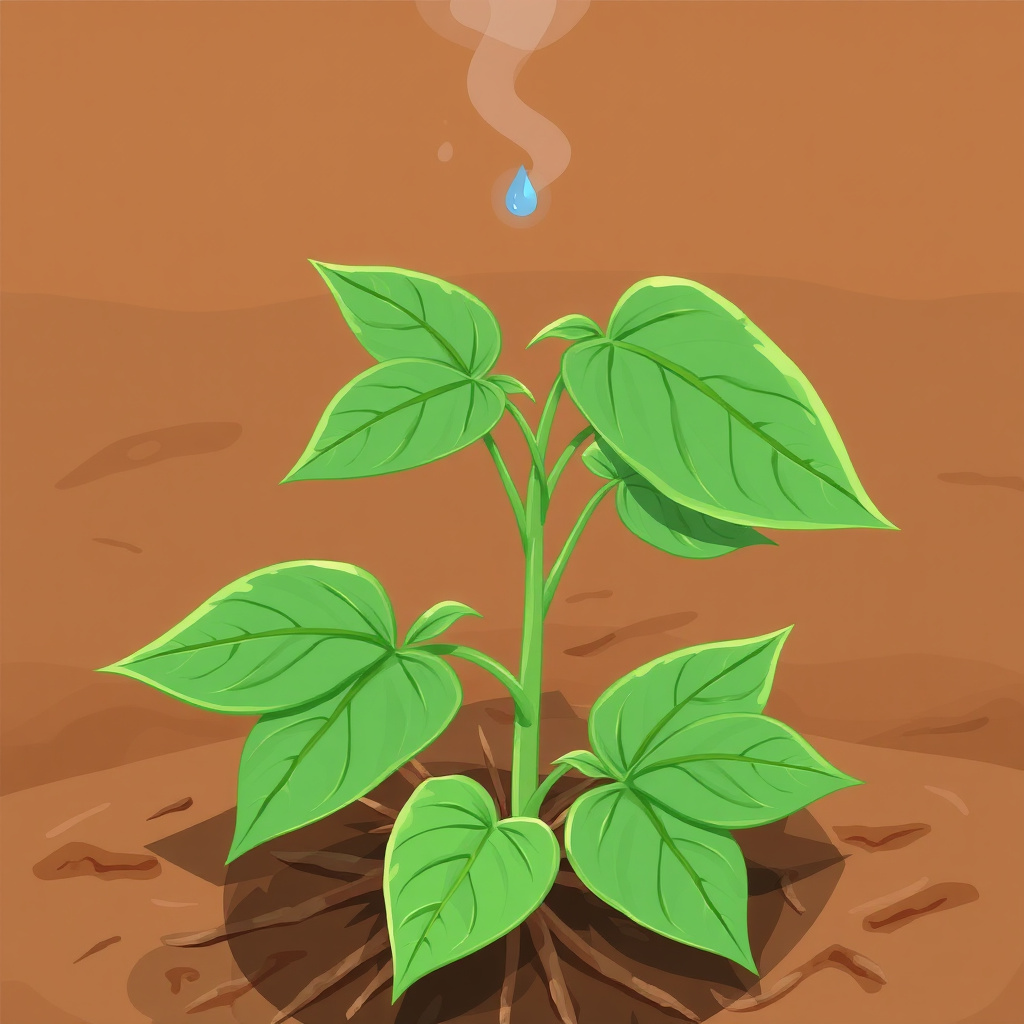
Leaves often provide the first clues that a plant requires watering. They may curl inward, appear dull, or develop a wilted look when deprived of moisture. Some plants show leaf tip browning or dry edges if underwatered. However, leaf wilting can also indicate overwatering, so visual cues should be combined with soil checks.
Stems may also become softer or less rigid when a plant needs water. Certain species like succulents will visibly shrink or wrinkle when dehydrated. Careful daily observation of these changes helps you react promptly before the plant’s health deteriorates.
Soil Texture and Moisture Levels
Soil moisture is the most direct way to know when to water plants. The top layer of soil drying out is a common signal, but the depth depends on plant type. For most houseplants, feeling the top 1-2 inches of soil for dryness guides watering timing effectively.
For potted plants, lift the container to assess weight; a lighter pot often means dry soil. Using a moisture meter provides a more precise reading, especially for larger pots or plants with dense soil where surface dryness doesn’t reflect deeper levels accurately.
- Use finger to check top 1-2 inches of soil
- Lift pot to assess weight changes
- Use moisture meter for accuracy
Methods to Check Soil Moisture Accurately
Using Your Finger as a Simple Soil Test
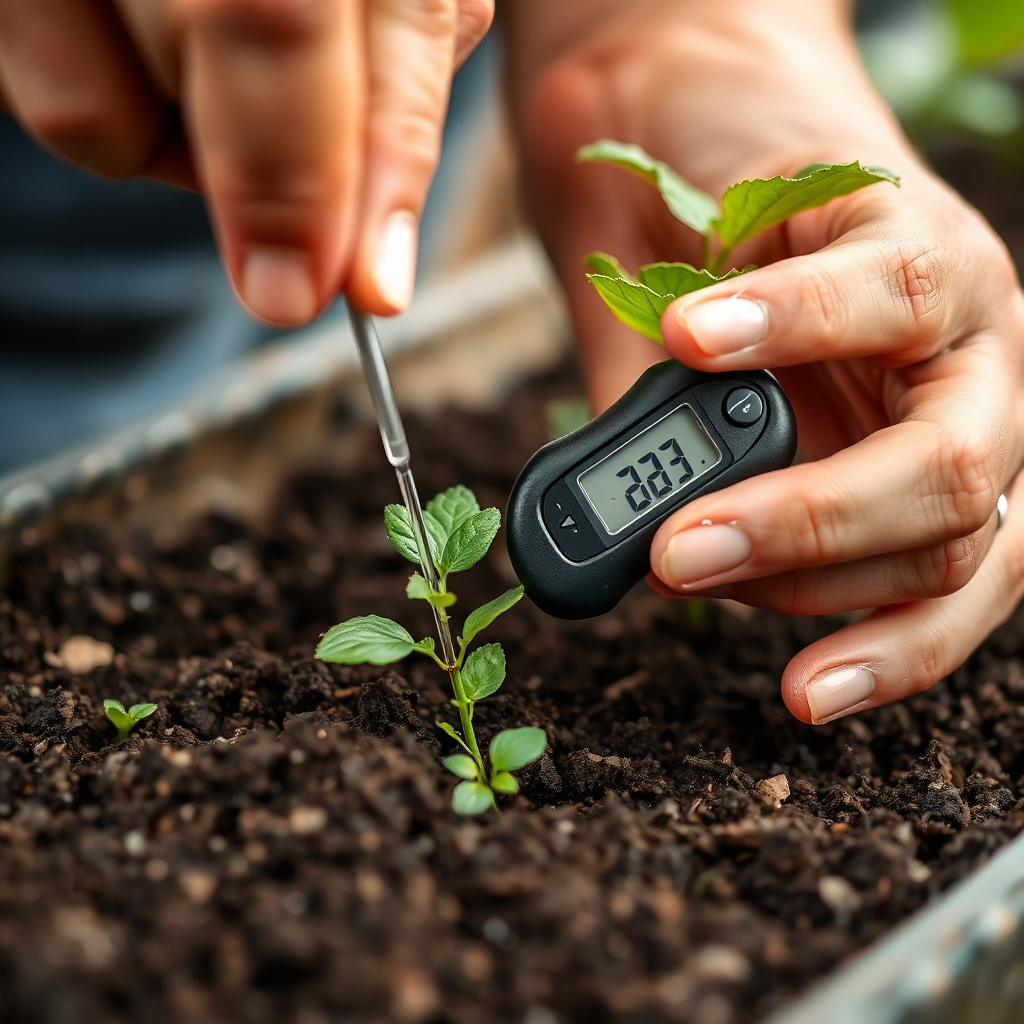
The finger test is the simplest way to determine soil moisture. Insert your fingertip about one to two inches into the soil. If it feels dry at this depth, it’s often time to water. This method works well for many common indoor plants and saves money over buying tools.
For deeper-rooted plants, you might need to check slightly further down to get a true picture of moisture. Remember that the soil may look dry near the surface while lower levels retain moisture, so consistency in checking depth improves accuracy.
Technology-Assisted Moisture Meters
Moisture meters are devices that measure the electrical conductivity in soil, correlating to moisture levels. They provide objective readings that help avoid guesswork and can indicate specific watering needs for different plants.
These meters vary from simple analog versions to more advanced digital ones with adjustable settings for soil types. While not necessary for all gardeners, they are especially helpful for beginners or those with many different plants requiring tailored watering schedules.
- Analog moisture meters are affordable and simple
- Digital meters offer precision with settings adjustments
- Best for large collections or sensitive plants
Adjusting Watering Frequency Based on Plant Type

Water Needs of Common Indoor Plants
Plants like succulents and cacti need infrequent watering, allowing soil to dry out completely between sessions. Tropical plants, such as ferns or peace lilies, prefer consistently moist soil and may require watering once the top layer dries.
Herbs and flowering indoor plants often fall somewhere in between, needing moderate and regular watering depending on light exposure and pot size. Knowing your plant species’ water preferences is fundamental to following the right schedule.
- Succulents/cacti: water thoroughly, then dry soil fully
- Tropical plants: keep soil evenly moist
- Herbs/flowers: moderate watering with dry cycles
For more on this, see our related guide: Cannabis Cultivation Laws by State: What You Need to Know in 2024.
Seasonal and Environmental Impact
Plants generally need more water during growing seasons (spring and summer), while watering needs decrease in dormant periods (fall and winter). Indoor heating or air conditioning can also dry soil more quickly, increasing watering frequency.
Adjust watering routines during shifts in temperature and humidity. Monitoring plant signs and soil moisture remains important since these factors change and plants respond accordingly.
Watering Techniques: How to Water Plants Effectively
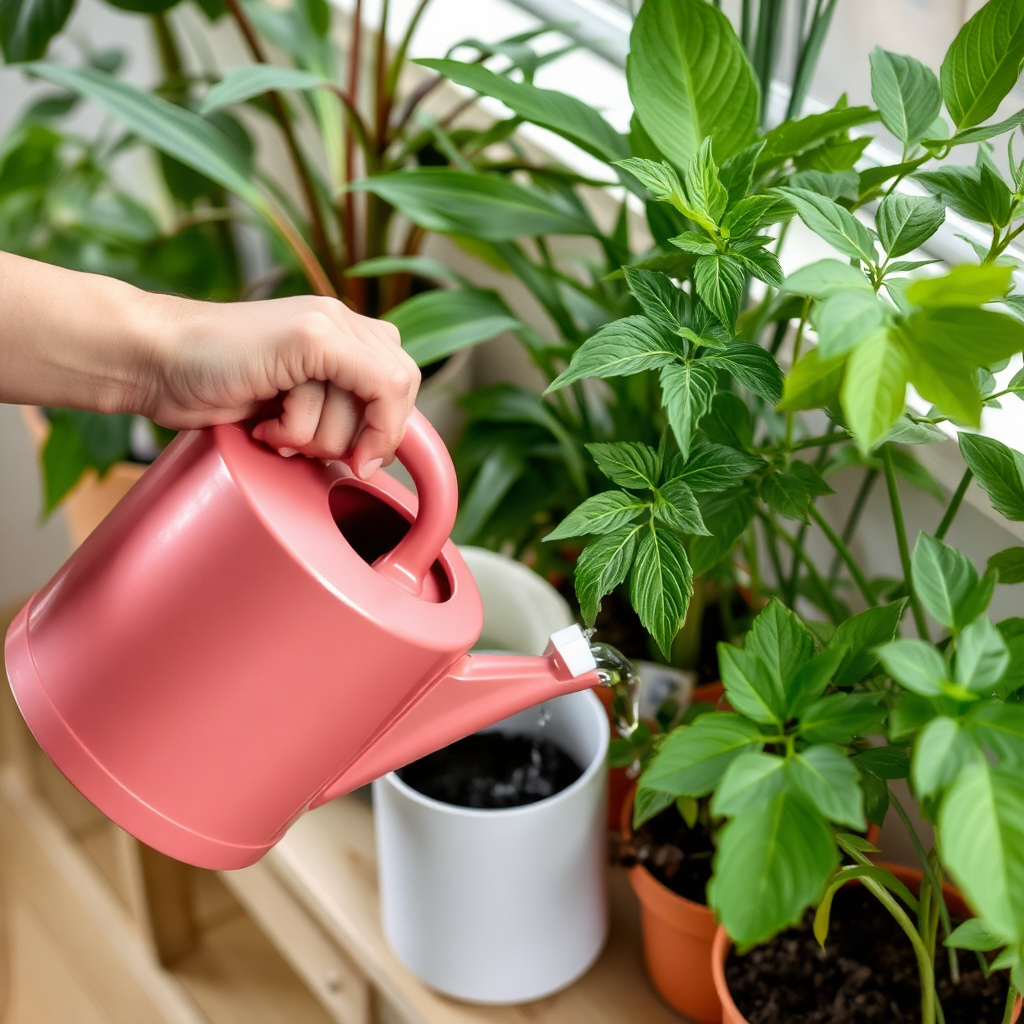
Proper Watering Amount and Frequency
Water until excess begins draining from the pot’s bottom to ensure roots receive moisture deeply. Avoid shallow watering, which encourages weak root development. Frequency varies but always follow soil moisture levels as your primary guide.
Overwatering is as harmful as underwatering. Signs of overwatering include yellowing leaves and soggy soil. Adjust amounts gradually and check for drainage problems if water pools in pots.
- Water deeply enough to saturate root zone
- Allow soil to dry partially before next watering
- Ensure pots have drainage holes
Watering Tools and Their Uses
Choosing the right watering tool depends on plant size and location. Small indoor plants benefit from watering cans with narrow spouts for controlled pouring, reducing the risk of soil disturbance.
For larger plants or outdoor gardens, hose attachments or automated drip irrigation systems keep watering consistent and efficient. Using misting sprays can also help increase humidity around plants sensitive to dry air.
- Narrow spout watering cans for precision
- Drip irrigation for large collections
- Misting sprays for humidity-loving plants
Common Watering Mistakes and How to Avoid Them
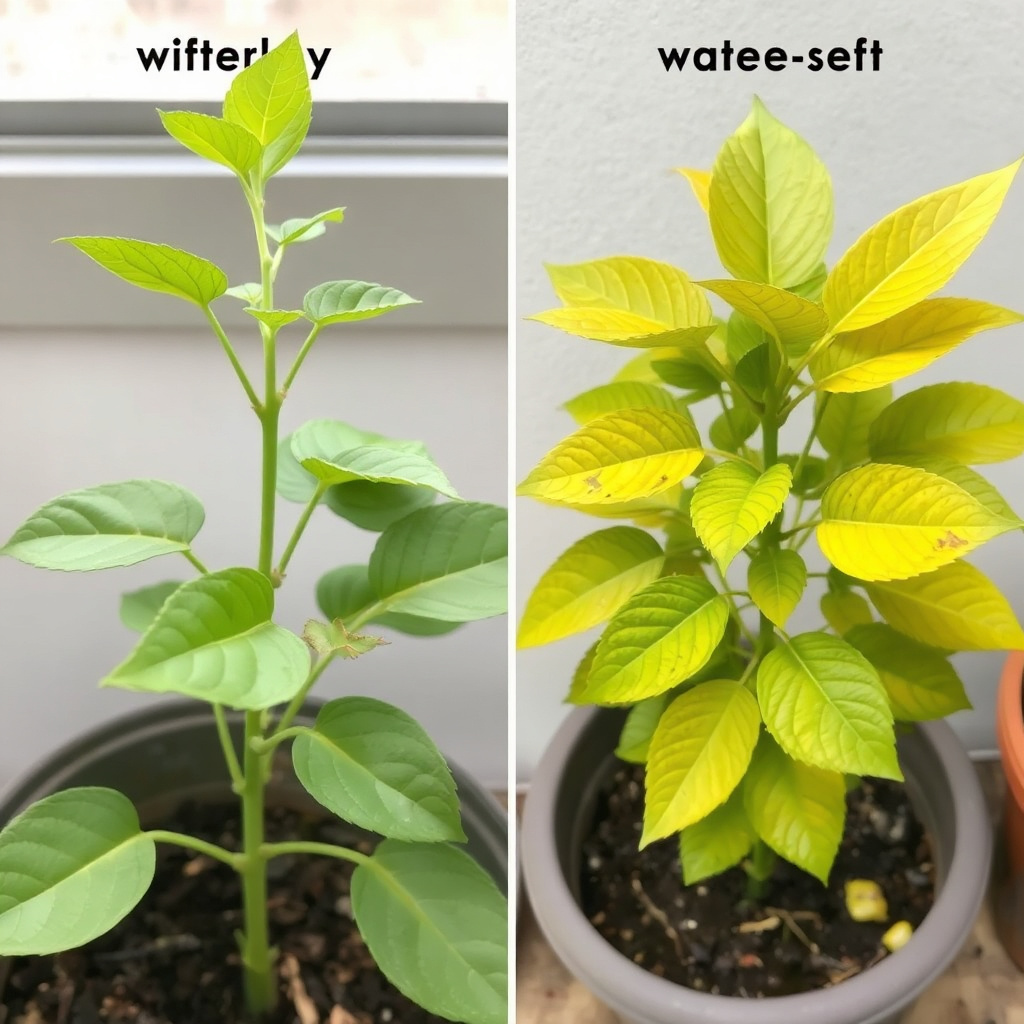
Overwatering Effects and Prevention
Overwatering creates root rot by suffocating roots and encouraging fungal growth. Symptoms include yellowing leaves, wilting despite moist soil, and mold on the soil surface. Prevent this by letting soil dry between waterings and using pots with drainage holes.
Adjust watering based on plant needs. Adding soil amendments like perlite improves drainage, reducing the risk of soggy roots.
For more on this, see our related guide: How to Fix Overwatered Cannabis Plants: Effective Recovery Tips.
Underwatering Signs and Solutions
Underwatered plants show dry, brittle leaves, leaf drop, and slow growth. Soil will be hard and shrinking away from pot edges. To revive underwatered plants, soak soil slowly and deeply, allowing water to penetrate fully.
Establish a regular watering routine that considers the plant species and container size to avoid prolonged dryness.
Monitoring and Maintaining Healthy Plant Hydration
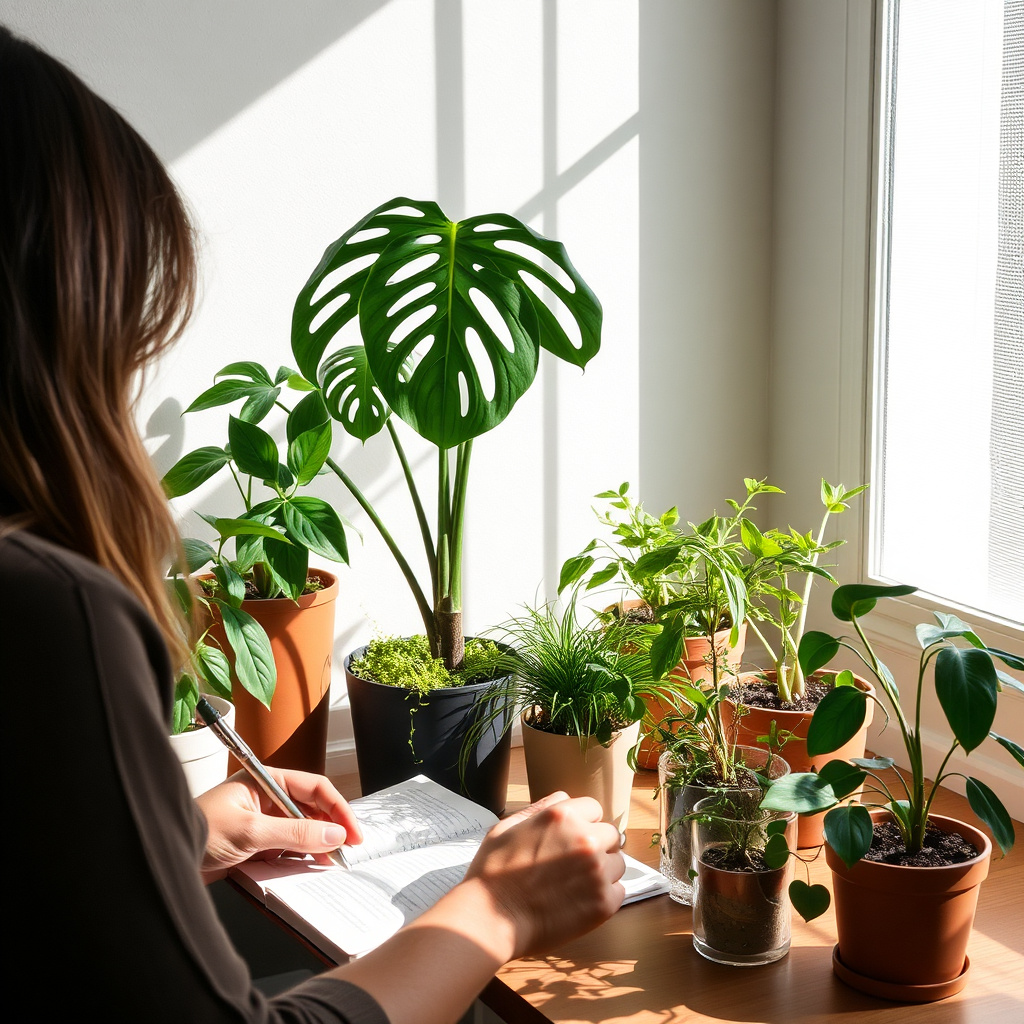
Keeping a Watering Schedule and Notes
Tracking your watering habits helps you learn what works best for each plant. Note the frequency, amount, and plant response over weeks. This practice reveals patterns and helps adjust watering precisely to avoid errors or guesswork.
Apps and garden journals are useful for logging conditions like temperature and humidity, which impact water needs. Recording successful watering routines builds your knowledge over time.
For more detailed information on watering practices, refer to the Plant watering guidelines from the Royal Horticultural Society. Plant watering guidelines from the Royal Horticultural Society.
Using Environmental Clues
Pay attention to room conditions such as sunlight intensity, temperature, and humidity. Dry, warm rooms increase evaporation rates, requiring more frequent watering. Cooler, shaded spaces reduce water needs.
Adding humidity trays or grouping plants can create microclimates that retain moisture and reduce watering frequency for sensitive species.
- Monitor room temperature and humidity
- Group plants to maintain moisture
- Use humidity trays where needed
Watering Methods Category Comparison
Here is a comparison of popular watering methods showing their advantages and typical use cases.
| Method | Ease of Use | Best For | Cost | Maintenance |
|---|---|---|---|---|
| Finger Test | Very Easy | Small indoor plants | Free | None |
| Moisture Meter | Moderate | All plant types | Moderate ($10-$30) | Battery replacement for digital |
| Watering Can | Easy | Individual pots | Low ($10-$25) | Refill needed |
| Drip Irrigation | Complex | Large gardens, multiple plants | High ($50+) | Regular cleaning |
| Misting Spray | Easy | Humidity-sensitive plants | Low ($5-$15) | Refill needed |
Frequently Asked Questions
How can I tell if I am overwatering my plants?
Signs of overwatering include yellowing leaves, soft or mushy stems, and soil that stays wet for days. You might also notice mold or fungus on the soil surface. Allow the soil to dry out before watering again and ensure pots have proper drainage.
Is it better to water plants in the morning or evening?
Watering plants in the morning is generally recommended because it allows excess moisture to evaporate during the day, reducing the risk of fungal diseases. Evening watering can leave plants damp overnight, promoting mold growth.
Can too little water harm plants as much as too much?
Yes, underwatering causes leaves to dry, curl, and drop, damaging overall plant health. Without enough water, nutrient uptake slows, leading to stunted growth and increased vulnerability to pests and diseases.
How often should I water succulents compared to tropical plants?
Succulents require watering only when their soil is completely dry, often every 2-3 weeks. Tropical plants prefer evenly moist soil and may need watering every 5-7 days, depending on conditions.
Key Takeaways
- Check soil moisture regularly using touch or a moisture meter
- Observe plant leaf and stem changes for watering clues
- Adjust watering frequency by plant type and season
- Avoid overwatering by ensuring proper drainage
Conclusion
Understanding how to know when to water plants centers on observing both the soil and plant health signals consistently. The practical approach is to rely on soil moisture checks alongside visual signs like leaf drooping or leaf texture changes. This helps avoid the common pitfalls of fixed schedules that ignore changing environmental or plant needs. Balancing enough water to reach roots while preventing soggy soil protects your plants from stress and disease, leading to stable growth and vitality.
Different plants have unique water requirements, so it is essential to adapt your watering habits depending on species, pot size, and seasonal changes. Succulents and cacti thrive with infrequent watering that lets soil dry fully, while tropical plants need more regular moisture. Techniques like the finger test work well for most indoor plants, while moisture meters assist with precision for diverse collections. Monitoring your plants closely will help you fine-tune watering routines and avoid both underwatering and overwatering.
The best next step is to start observing your plants daily and test the soil moisture before watering. Keep notes about your watering schedule and plant responses to develop a customized plan that suits your home environment and collection. This hands-on approach will improve your success growing healthy plants and minimize wasted water and effort. By learning to read the natural signals of your plants, you will enjoy a more rewarding gardening experience.