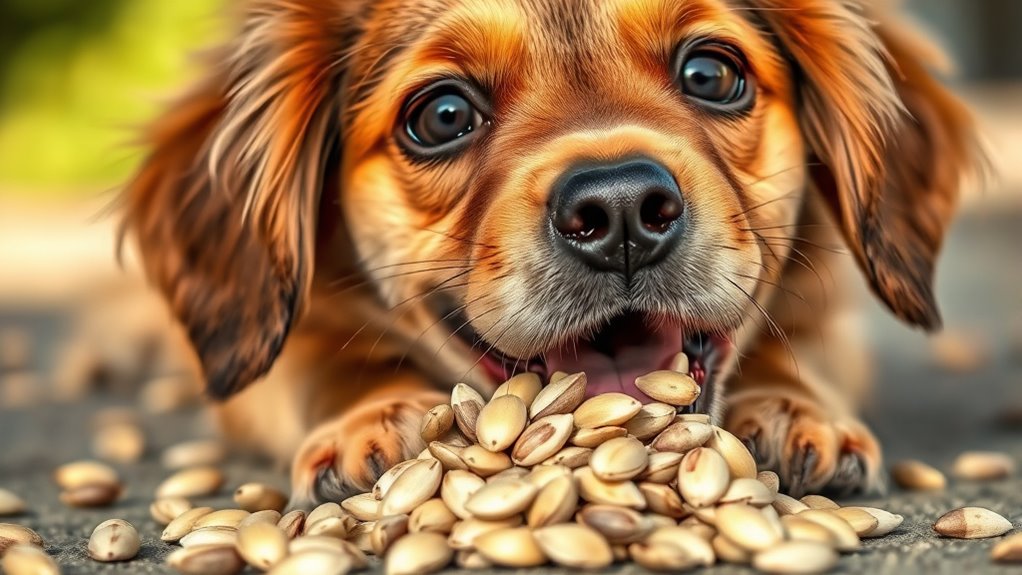
Risks of Feeding Sunflower Seeds to Dogs
Many dog owners want to share healthy snacks with their furry friends but worry about safety. Feeding sunflower seeds to dogs is a common concern, and you’re not alone in wondering if it’s safe.
While these seeds might seem like a good treat, there are potential risks involved.
Feeding sunflower seeds to your dog can be risky because the hard shells may cause choking, dental damage, or digestive blockages. Mold or contaminants in the seeds can lead to poisoning, and added salt or flavorings might make your dog ill.
Shells and sharp edges can injure their mouth or gums, and high fat content can upset their stomach. To keep your pup safe, it’s best to avoid seeds with additives and store treats securely—expanded details are just ahead.
Key Takeaways
- Hard shells can be a choking hazard and might cause damage to your dog’s teeth or mouth injuries.
- Ingested shells could lead to blockages or upset stomachs in dogs.
- Mold, contaminants, or improper storage can create toxins that are harmful to your pet.
- Salted or flavored seeds often contain ingredients that can be toxic or irritating.
- Too much fat from sunflower seeds may overwhelm your dog’s digestive system and lead to health problems.
Why Do Dogs Love Sunflower Seeds?
Dogs love sunflower seeds because of their crunchy texture and appealing flavor. The sunflower seed appeal is hard to resist, especially for dogs that enjoy snacks with a satisfying crunch.
Their canine taste preferences lean toward foods that offer new textures and flavors, making sunflower seeds an attractive treat. The slight saltiness and nutty flavor mimic natural prey or foraging experiences, which can excite your dog’s palate.
Moreover, the crunchy shell provides a sensory experience that many dogs find enjoyable. Some dogs may also be drawn to the seeds because of their scent, which can be enticing.
Can Sunflower Seeds Cause Choking in Dogs?
Sunflower seeds can actually be a choking hazard for your dog, especially if they swallow them whole. The hard shells can cause blockages or even damage to their digestive system if they’re not chewed properly. So, it’s really important to be cautious.
To keep your furry friend safe, try to feed sunflower seeds in a way that minimizes these risks. For example, you might want to shell the seeds first or only give them in small, manageable pieces. That way, your dog can enjoy the treat without the worry of choking or other health issues.
Hard Shells Pose Risks
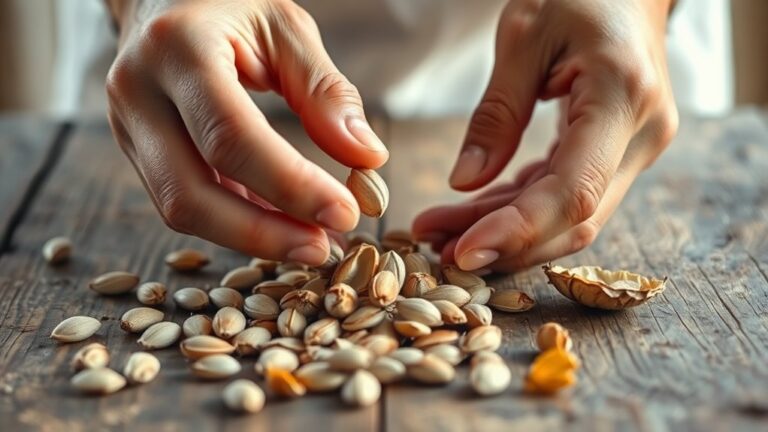
While sunflower seed shells may seem harmless, they can pose serious choking hazards for your dog. The tough shells are a classic example of shell hazards, risking both choking and internal blockages.
These hard shells can also cause dental damage if your dog tries to chew them, leading to cracked or broken teeth.
Consider these risks:
- Shells can get lodged in your dog’s throat, causing choking.
- Sharp edges may cut or scratch the mouth and esophagus.
- Repeated chewing can wear down or fracture teeth.
- Ingested shells can cause gastrointestinal issues or blockages.
Always supervise your dog when they’re around sunflower seeds, and avoid feeding them shells to prevent these dangerous outcomes.
Small Seeds May Block
Even small seeds like sunflower seeds can pose a choking risk for your dog if they’re not supervised while eating. Despite their tiny size, these seeds can get lodged in your dog’s throat, causing immediate choking or partial airway blockage.
The size of the seed plays a role in the risk: smaller seeds are easier to swallow but can slip past the teeth and throat, increasing the chance of a blockage. If a seed gets stuck, it can cause discomfort, trouble breathing, or more serious internal issues if not taken care of quickly.
Always watch your dog when offering sunflower seeds, and be careful about how much and what size you give. The risk isn’t just choking—it can also lead to internal obstructions that might need veterinary help.
Proper Feeding Techniques
To reduce the risk of choking, it’s important to feed sunflower seeds to your dog properly. Always choose a safe serving size and practice portion control so you don’t overfeed.
Before offering seeds, consider cracking them open to remove shells, which can be a choking hazard or cause digestive issues. Never give your dog large amounts at once—start with just a few to see how they handle it.
Watch your dog while they eat to prevent choking, and make sure the seeds are fresh and free of mold or contaminants. Remember, moderation is key.
Here are some tips to keep feeding safe:
- Serve seeds without shells or cracked open
- Limit portion size to a few seeds at a time
- Supervise during eating to prevent choking
- Store seeds properly to avoid spoilage
Do Sunflower Seeds Lead to Digestive Issues?
Feeding sunflower seeds to your dog might cause some tummy troubles, especially if they gobble up too many or try to chew on the shells. Those shells can be pretty tough and might upset their digestion or even cause a blockage in their intestines. It’s a good idea to think about these risks before giving sunflower seeds as a treat.
Potential Digestive Upset
While sunflower seeds might seem like a healthy snack for your dog, they can sometimes cause digestive issues. These seeds can irritate your dog’s digestive tract or slow down seed digestion, leading to discomfort. Your dog might experience symptoms like vomiting, diarrhea, or stomach upset after eating them.
The high fat content can also overwhelm your dog’s digestive system, especially if eaten in large amounts. Keep an eye on your dog if you decide to give them seeds as a treat. Here’s what to watch for:
- Vomiting or nausea
- Loose or watery stool
- Bloating or abdominal pain
- Reduced appetite or lethargy
Digestive upset varies from dog to dog, so it’s best to limit sunflower seed intake or avoid it altogether to prevent unnecessary discomfort.
Seed Shells and Blockages
Even if your dog tolerates sunflower seeds without immediate digestive upset, the shells pose a big risk. Shell ingestion can lead to blockages that require veterinary help.
The shells are tough to digest and can build up in your dog’s gastrointestinal tract. This buildup might cause constipation, intestinal obstructions, or even perforations.
Dogs often swallow shells whole, which makes impaction more likely, especially in small or sensitive dogs.
Avoid giving sunflower seeds with shells. Doing so puts your pet at unnecessary danger.
Always remove the shells before offering sunflower seeds. If you suspect your dog has a blockage or digestive issue, contact your vet right away.
Are Mold and Contaminants in Sunflower Seeds Toxic to Dogs?
Mold and contaminants in sunflower seeds can be a serious health risk for dogs, especially if the seeds aren’t stored properly or are past their expiration date. Mold like Aspergillus can produce mycotoxins, which are harmful to your dog’s health.
Contamination often happens when seeds are stored in damp environments or kept too long. These toxins can cause symptoms like vomiting, diarrhea, and even neurological problems if your dog ingests a lot of contaminated seeds.
Mold can grow on sunflower seeds during improper storage or exposure to moisture. Mycotoxins from mold can affect your dog’s liver and immune system.
Contaminants might include bacteria or fungi that thrive on spoiled seeds. Always check seeds carefully for mold or an off smell before giving them to your dog.
Knowing about mold types and where contamination can come from helps you prevent your dog from eating dangerous, spoiled sunflower seeds.
How Can Shells Damage Your Dog’s Teeth?
Sunflower seed shells can be quite risky for your dog’s teeth because they’re hard and abrasive. When your dog chews on shells, the rough texture can chip or crack tooth enamel, which is key for protecting against decay.
Over time, chewing on shells repeatedly can wear down the enamel, making teeth more sensitive and more likely to decay or get infected. Shells might also cause small fractures that are hard to see but weaken your dog’s teeth overall.
Damaged enamel compromises dental health and can lead to pain or even tooth loss. Sharp shell fragments can also scratch or injure your dog’s gums, increasing the risk of infections.
To keep your dog’s teeth healthy, it’s best to avoid sunflower seed shells. Instead, give safer treats that help maintain dental health without risking damage. Proper dental care and watching what your dog chews are essential for strong, healthy teeth.
What Signs Show Your Dog Has Been Harmed by Sunflower Seeds?
If your dog has eaten sunflower seeds and starts showing signs of upset stomach, like vomiting or diarrhea, it might be a sign that something’s wrong. Keep an eye out for these symptoms so you can catch any issues early.
You should also watch for more serious signs of poisoning, such as weakness, trembling, or trouble breathing. If you notice any of these, it’s really important to get your dog to the vet as soon as possible. Being alert to these signs can make a big difference in getting your pup the help they need quickly.
Digestive Upset Symptoms
When your dog eats a lot of sunflower seeds or eats them without proper preparation, you might notice signs of digestive upset. These symptoms show that your dog is having trouble digesting the seeds.
You may see vomiting or regurgitation after eating seeds, along with diarrhea or loose stools. Abdominal pain or bloating can also occur, making your dog uncomfortable.
A reduced appetite or reluctance to eat is common too. These signs indicate that your dog’s digestive system is struggling, especially if they’ve eaten large amounts or shells.
Digestive discomfort can lead to bigger issues if you don’t address it quickly. Keep an eye on your dog’s behavior and stool, and check with your vet if symptoms last or get worse.
Signs of Poisoning
Digestive upset from sunflower seeds can be a warning sign that your dog has ingested something harmful. Sunflower seed toxicity may cause more serious symptoms, signaling your dog is experiencing adverse effects. Watch for vomiting, diarrhea, or abdominal pain, which indicate a potential poisoning.
Lethargy, weakness, or uncoordinated movements are signs that your dog’s health concerns are worsening. Some dogs may develop tremors or seizures if they’re severely affected. Keep an eye out for any unusual behavior or difficulty breathing, as these are critical warning signs.
If you notice any of these symptoms, seek veterinary care immediately. Recognizing the signs of sunflower seed toxicity helps prevent further harm and ensures your dog gets prompt treatment to address potential health concerns.
What Are Safe Treat Alternatives for Dogs?
Finding healthy and safe treat options for your dog is easier when you pick natural, dog-friendly foods. Instead of risking unsafe sunflower seeds, choose treats that promote health and happiness. These snacks are simple to prepare and perfect for enjoying together.
Opt for natural, safe treats like vegetables and fruits to keep your dog healthy and happy.
Sliced carrots or cucumber are crunchy, low-calorie treats your dog will love. Frozen blueberries are antioxidant-rich and naturally sweet, making them a great option. Small pieces of cooked chicken or turkey are high in protein and full of flavor.
You can also opt for commercially available safe dog treats formulated specifically for canine health. Always check ingredients to ensure there are no additives or harmful preservatives.
Using these safe treats helps keep your dog happy and healthy without the risks linked to sunflower seeds. Remember, moderation is important. Choosing natural, healthy snacks makes treat time fun and safe for your furry friend.
How Can You Prevent Dogs From Eating Sunflower Seeds Accidentally?
How can you prevent your dog from accidentally eating sunflower seeds? Implementing preventive measures is key to avoiding accidental ingestion.
Keep sunflower seeds out of your dog’s reach by storing them in sealed containers or high cabinets. Never leave bowls of sunflower seeds unattended, especially during snacks or meals.
Consider using baby gates or crate training to restrict access to areas where seeds might be present. Educate everyone in your household about the importance of keeping seeds away from your dog.
If you’re outdoors, be vigilant about cleaning up dropped seeds immediately. Regularly inspect your yard for sunflower seed shells or remnants.
These steps help create a safe environment and greatly reduce the risk of your dog accidentally ingesting sunflower seeds. This way, your dog stays healthy and free from potential issues related to sunflower seeds.
Are Salt and Flavorings in Sunflower Seeds Dangerous for Dogs?
Are the salt and flavorings added to sunflower seeds safe for your dog? Not really. Salt and artificial flavorings can pose risks related to sunflower seed toxicity and increased sodium intake. Excessive salt can lead to dehydration, electrolyte imbalance, or even sodium poisoning in dogs. Many flavored sunflower seeds contain additives or seasonings that aren’t safe for your pet.
Consider these points:
- Salt overload increases the risk of sunflower seed toxicity.
- Flavored seeds often contain onion or garlic powders, which are toxic to dogs.
- High sodium intake can cause vomiting, diarrhea, or more severe health issues.
- Artificial flavorings and preservatives may irritate your dog’s digestive system.
It’s best to avoid giving your dog sunflower seeds with added salt or flavorings. Their bodies aren’t designed to handle these extra chemicals, and it could lead to serious health problems.
Final Tips: Keeping Your Dog Safe Around Snacks
To keep your dog safe around snacks, it’s important to set clear boundaries and supervise their eating habits closely. This helps prevent accidental ingestion of foods like sunflower seeds with added salt or flavorings.
Focus on offering healthy snack choices that are safe for dogs, such as small pieces of fruits or vegetables, instead of processed treats. Always remove shells or other parts that could pose a choking hazard.
Keep snacks out of reach when you’re not watching to avoid overfeeding or accidental consumption of unsafe ingredients. Educate yourself on which human foods are toxic to dogs, and stick to treats made specifically for them.
Frequently Asked Questions
Can Sunflower Seed Oils Harm a Dog’s Health?
Sunflower seed oils can harm your dog’s health if ingested in excess due to potential sunflower toxicity. During oil extraction, harmful chemicals might remain, and high-fat content can lead to pancreatitis or obesity.
Always check if the oil is cold-pressed and free of additives. Moderation is key; consult your vet before adding sunflower seed oil to your dog’s diet to avoid health risks.
Are Sunflower Seeds Suitable for All Dog Breeds?
Sunflower seeds aren’t suitable for all dog breeds because of potential sunflower seed toxicity and breed differences.
Some breeds may handle them better, but others could have digestive issues or allergic reactions.
Always check with your vet before giving your dog sunflower seeds, especially if they have a sensitive stomach or health problems.
Keep portions small and watch your dog for any bad reactions to stay safe.
How Much Sunflower Seed Is Safe for Dogs to Eat?
Ironically, a tiny handful of sunflower seed varieties can delight your dog, but too much can cause trouble. You should stick to small servings—about a tablespoon—following serving size recommendations.
This guarantees your pup enjoys the nutritional benefits without risking digestion issues or excess fat. Remember, moderation is key; even healthy treats like sunflower seeds need to be given carefully to keep your dog safe and happy.
Do Sunflower Seeds Have Any Nutritional Benefits for Dogs?
Sunflower seeds do offer some nutritional value for dogs, like healthy fats, vitamin E, and antioxidants. These can help support their skin, coat, and immune system.
But you should watch out for potential allergies and the high fat content. Eating too many might cause digestive issues or lead to weight gain.
It’s best to give small amounts as an occasional treat. Always check with your vet first to make sure they’re safe for your dog.
What Are the Long-Term Risks of Feeding Sunflower Seeds Regularly?
Feeding sunflower seeds regularly can lead to concerns like sunflower seed toxicity and digestive issues.
Over time, your dog might develop sensitivities, which can cause discomfort or nutrient imbalances.
While a few seeds might be harmless, consistent consumption could strain their digestive system or introduce toxins.
To keep your dog healthy, it’s best to limit sunflower seed treats and talk to your vet about safe alternatives.
Conclusion
To keep your canine companion safe, steer clear of sunflower seeds with shells and harmful additives. These can pose choking hazards or digestive issues for your dog.
Be vigilant and prevent prying paws from pawing through snack bowls. Instead, choose safer treats specifically made for dogs.
By practicing caution and prioritizing your pup’s protection, you can avoid potential problems and promote a healthier, happier life.
Remember, mindful management and mindful munching make a meaningful difference in maintaining your dog’s delightful, disease-free days—especially when it comes to sunflower seeds.