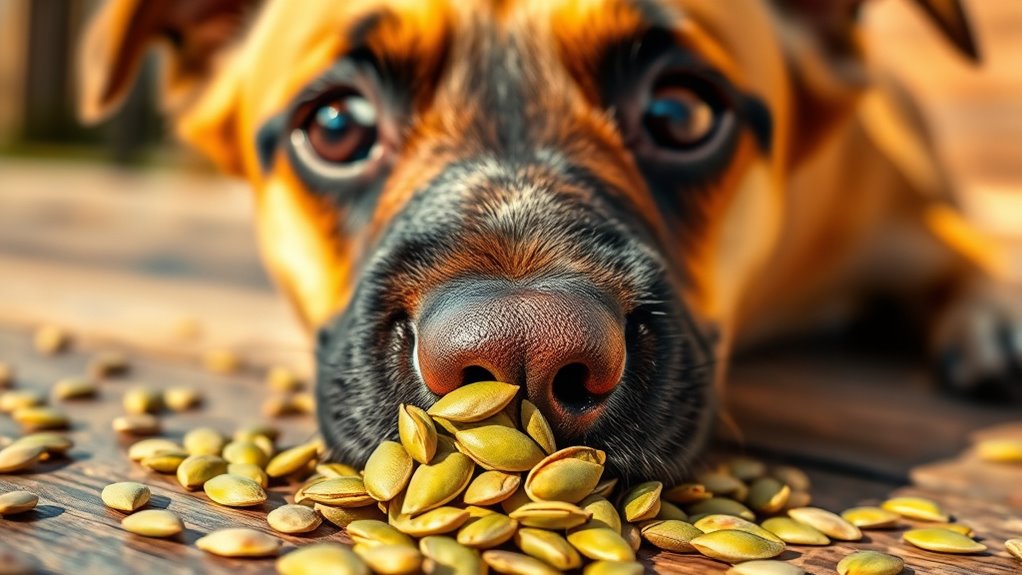
Benefits of Pumpkin Seeds Dogs Have
Many dog owners want to give their pets healthy treats but often worry about what’s safe. Finding nutritious options that support your dog’s health without risking their safety can feel overwhelming. You’re not alone—many people struggle with choosing the right snacks for their furry friends.
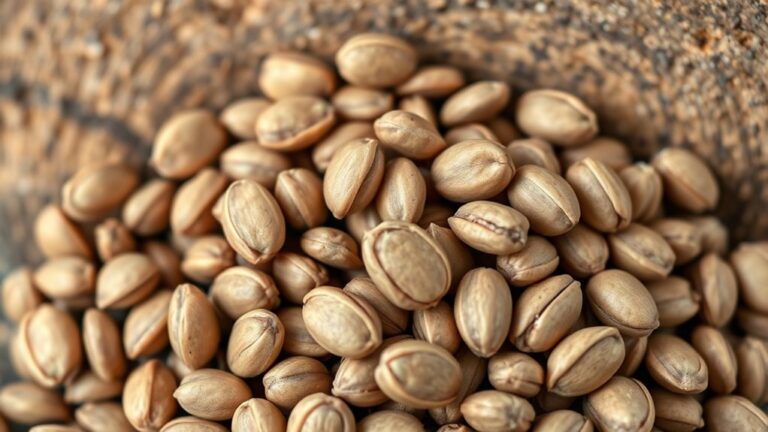
Pumpkin seeds can be a healthy addition to your dog’s diet when given in moderation. They’re packed with nutrients like magnesium, zinc, and healthy fats that support your dog’s immune system, skin, coat, and digestion.
Plus, their fiber helps regulate bowel movements, and antioxidants boost overall health.
To keep your dog safe, always prepare seeds properly and check with your vet first. If you want to uncover more tips and precautions, keep exploring this helpful guide.
Key Takeaways
- Pumpkin seeds are safe for dogs when given in small, shell-free amounts and prepared without additives.
- They provide essential nutrients like magnesium, zinc, and healthy fats that support immune and skin health.
- The high fiber content promotes healthy digestion and helps regulate bowel movements.
- Nutrients in pumpkin seeds can enhance coat shine and support heart health by reducing inflammation and maintaining blood pressure.
- Consulting a veterinarian ensures proper portioning and helps monitor for allergies or sensitivities.
Are Pumpkin Seeds Safe for Dogs?
Are pumpkin seeds safe for dogs? Generally, yes, but you need to be cautious about pumpkin seed toxicity and serving sizes. Pumpkin seeds have beneficial nutrients, but giving too many can upset your dog’s stomach or cause other health issues.
Small amounts are usually safe, but too much might lead to problems like digestive discomfort or blockages. Always remove the shells before giving seeds to your dog because they can be hard to digest.
Small servings are safe; remove shells to prevent digestion issues. Moderation is essential for your dog’s safety.
When introducing pumpkin seeds, start with a small serving—about a teaspoon for small dogs or a tablespoon for larger breeds. Remember, moderation is key; overfeeding can cause health concerns.
If you’re unsure about how much to give or if your dog has pre-existing health conditions, talk to your veterinarian. Properly prepared in moderation, pumpkin seeds can be a safe treat, but knowing about pumpkin seed toxicity and serving sizes helps keep your pup safe.
What Nutrients Do Pumpkin Seeds Offer Your Dog?
Pumpkin seeds are actually a pretty great snack for your dog! They’re packed with magnesium, which helps keep your dog’s muscles and nerves working smoothly. Plus, they contain healthy fats that can give your pup a shiny coat and help boost their energy levels.
And here’s something cool—pumpkin seeds are high in zinc, which is awesome for strengthening your dog’s immune system and keeping their skin healthy. Just remember to feed them in moderation and make sure they’re plain, without any added salt or seasonings!
Rich in Magnesium
Since magnesium is crucial for your dog’s overall health, incorporating pumpkin seeds into their diet can be highly beneficial. Magnesium supports nerve function, muscle health, and energy production.
Pumpkin seeds are a natural source of magnesium, making them a convenient addition to your dog’s diet. Including these seeds can help prevent magnesium deficiency, which may lead to symptoms like muscle weakness or fatigue.
As magnesium sources, pumpkin seeds are packed with this essential mineral, providing an easy way to boost your dog’s nutrient intake. Just remember to serve them in moderation and check with your vet to make sure they’re suitable for your pet.
With their rich magnesium content, pumpkin seeds offer a nutritious way to support your dog’s overall well-being.
High in Healthy Fats
Because healthy fats are crucial for your dog’s skin, coat, and overall energy levels, including pumpkin seeds in their diet can be a smart choice. Pumpkin seeds are high in healthy fats, especially omega fatty acids, which support skin and coat health while reducing inflammation.
These fats also help maintain your dog’s heart health by lowering bad cholesterol levels and improving circulation. Adding pumpkin seeds provides a natural source of these important fats, giving your dog a nutritious boost without extra calories.
Just remember to feed them in moderation and check with your veterinarian for proper portion sizes. Incorporating pumpkin seeds into your dog’s diet is an easy way to promote their overall vitality and well-being through healthy fats.
Packed With Zinc
The healthy fats in pumpkin seeds not only support your dog’s skin and coat but also provide a good amount of zinc, which is essential for their immune health and overall well-being. Zinc helps your dog’s body absorb nutrients properly, making sure they get the most out of this mineral.
Having enough zinc is important for keeping your dog’s immune system strong, helping prevent infections and illnesses. Pumpkin seeds are a natural source of zinc, making them a beneficial addition to your dog’s diet.
When given in moderation, pumpkin seeds can boost your dog’s immune function and help with healing. Just be sure not to overdo it, as too much zinc can cause health problems.
How Pumpkin Seeds Help Improve Digestion in Dogs?
Pumpkin seeds are a natural way to support your dog’s digestive health because they are high in fiber. This fiber helps keep your dog’s digestive system running smoothly by encouraging healthy bowel movements and preventing constipation.
Pumpkin seeds boost your dog’s digestion with fiber, promoting healthy bowel movements and preventing constipation.
When you add pumpkin seeds to their diet, you’re helping improve their overall digestive health. Here are four ways pumpkin seeds can aid digestion:
- They add soluble fiber, which bulks up stool and makes it easier to pass through the intestines.
- They support a healthy balance of gut bacteria, promoting a strong microbiome.
- Their anti-inflammatory properties can soothe irritated intestines.
- They help regulate irregular bowel movements, reducing episodes of diarrhea.
Including pumpkin seeds gives your dog essential nutrients that boost their digestive function. The fiber works together with other nutrients to keep their system functioning properly. Just remember, moderation is key to avoid overwhelming their digestive system.
Can Pumpkin Seeds Make Your Dog’s Coat Shine?
If you want your dog’s coat to look healthy and shiny, adding pumpkin seeds to their diet can be a natural way to help achieve that. Pumpkin seeds are packed with nutrients like zinc, magnesium, and healthy fats that support coat health.
These nutrients help improve your dog’s skin and promote hair growth, making their coat look more lustrous. The fatty acids in pumpkin seeds nourish the skin from the inside, reducing dryness and dullness.
Adding small amounts of pumpkin seeds regularly can help keep your dog’s coat vibrant and shiny. Just remember, moderation is key to avoid overfeeding.
When used properly, pumpkin seeds are a nutritious supplement that boosts coat health and gives your dog a healthier, shinier appearance over time.
Antioxidants in Pumpkin Seeds and Their Benefits for Dogs?
Nutrients in pumpkin seeds, like antioxidants, play a big role in supporting your dog’s overall health. These antioxidants help fight free radicals that can damage cells and lead to aging or disease.
Including pumpkin seeds in your dog’s diet offers several health benefits. For example, they can boost your dog’s immune system, making them more resilient to illnesses.
They also help reduce inflammation, which can ease joint discomfort or skin irritation. Plus, pumpkin seeds support healthy aging by protecting cells from oxidative stress.
Finally, they improve skin and coat health through enhanced cellular repair, keeping your dog looking and feeling their best.
Pumpkin Seeds and Your Dog’s Heart Health?
Considering the importance of a healthy heart for your dog’s overall well-being, adding pumpkin seeds to their diet can be really beneficial. These seeds are packed with nutrients like magnesium and omega-3 fatty acids that support heart health and boost cardiovascular function.
These nutrients help reduce inflammation, lower blood pressure, and improve circulation. Including pumpkin seeds in your dog’s meals can strengthen their heart and increase their energy levels.
| Nutrient | Heart Benefit |
|---|---|
| Magnesium | Regulates blood pressure and helps prevent hypertension |
| Omega-3 Fatty Acids | Reduce inflammation and support healthy blood flow |
| Zinc | Boosts immune function, protecting the heart |
| Fiber | Helps maintain healthy cholesterol levels |
| Antioxidants | Fight oxidative stress and protect heart tissue |
Just remember to give pumpkin seeds in moderation, and always choose plain, unsalted seeds for the best heart health benefits.
How Pumpkin Seeds Help Manage Parasites and Worms Naturally?
Pumpkin seeds have natural antiparasitic properties that can help manage worms and other parasites in your dog. They support natural deworming and provide digestive benefits. When added to your dog’s diet, pumpkin seeds can help reduce parasite load without harsh chemicals.
Here are four ways pumpkin seeds assist in parasite control:
- They contain cucurbitacin, a compound that paralyzes and expels worms.
- Their high fiber content promotes healthy digestion, flushing out parasites.
- They support the immune system, making your dog less susceptible to infections.
- They help maintain a balanced gut, discouraging parasite growth.
How to Safely Incorporate Pumpkin Seeds Into Your Dog’s Diet?
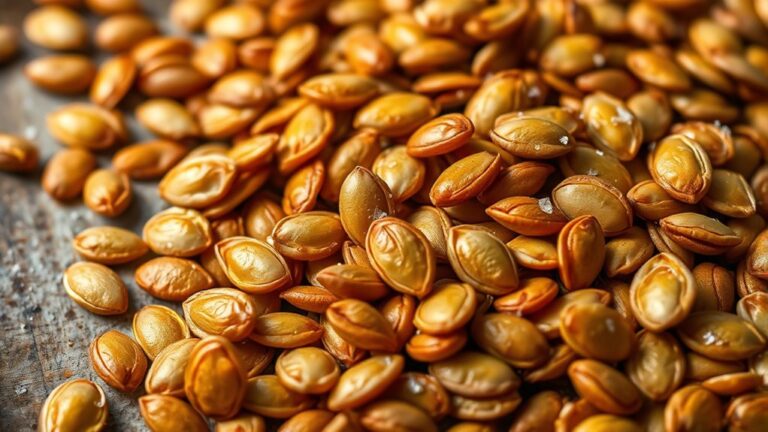
To safely incorporate pumpkin seeds into your dog’s diet, start by choosing raw, unsalted, and unseasoned seeds. Proper preparation is key; avoid roasted or flavored seeds that might have additives or salt harmful to dogs.
When serving, grind the seeds into a fine powder or chop them into small pieces. This helps prevent choking and makes digestion easier. You can mix the seeds into your dog’s regular food or give them as treats.
Begin with a small amount—about a teaspoon for small dogs and up to a tablespoon for larger dogs—and gradually increase if your dog tolerates it well. Always watch for any adverse reactions like upset stomach or allergies.
Choosing the Best Pumpkin Seeds for Your Dog?
Choosing the right pumpkin seeds for your dog starts with picking high-quality options that offer the most health benefits. When you’re choosing brands, go for reputable companies that focus on natural, minimally processed seeds. This way, you’re avoiding additives or preservatives that could be harmful to your pup.
Choose high-quality, natural pumpkin seeds from reputable brands for your dog’s health and safety.
Next, think about the seed types. Raw, organic pumpkin seeds are your best bet over roasted or salted versions. Here are some simple tips to help you make the best choice:
- Opt for raw, unseasoned pumpkin seeds to steer clear of unnecessary additives.
- Choose organic options to minimize exposure to pesticides and chemicals.
- Check the ingredient list to make sure it’s just pumpkin seeds—no fillers or flavorings.
- Pick resealable packaging to keep the seeds fresh and prevent spoilage.
Consult Your Vet Before Adding Pumpkin Seeds to Your Dog’s Diet?
Although pumpkin seeds can offer health benefits for your dog, it’s important to check with your veterinarian first. They can help you decide if adding seeds is right for your pet’s specific needs.
Your vet’s advice is crucial because every dog is different. Some may have allergies or sensitivities that could cause problems with pumpkin seeds.
Portion size and preparation are also key. Too many seeds or improper handling can upset your dog’s digestion.
Talking to your vet ensures pumpkin seeds are a safe addition. They can guide you on how to incorporate them and watch for any side effects.
Frequently Asked Questions
Can Pumpkin Seeds Help With Your Dog’s Weight Management?
Yes, pumpkin seeds can help with your dog’s weight management. They’re low in calories and high in fiber, which helps your dog feel full longer and supports weight loss.
Plus, pumpkin seeds provide essential vitamins and minerals, giving your dog a nutritional boost and promoting overall health. Just remember to give them in moderation as part of a balanced diet.
This way, your dog can enjoy these nutritious treats while maintaining a healthy weight.
Are There Any Risks of Allergies With Pumpkin Seeds in Dogs?
Yes, there are some risks of pumpkin seed allergies in dogs, though they’re rare. You should watch for signs like itching, swelling, or difficulty breathing after giving your dog pumpkin seeds.
While pumpkin seed allergies are uncommon, they can still pose health risks if not caught early. Always introduce new treats gradually and keep an eye on how your dog reacts.
If you notice any adverse reactions, it’s best to consult your vet. This way, you can ensure your dog’s safety and well-being when offering pumpkin seeds or any new treat.
How Often Should I Give Pumpkin Seeds to My Dog?
You should give your dog pumpkin seeds in moderation, about once or twice a week.
A safe pumpkin seed dosage depends on your dog’s size, but generally, a small handful or a teaspoon of crushed seeds works well.
Stick to this serving frequency to avoid overfeeding, and always watch for any allergic reactions.
Adjust the amount based on your dog’s health and check with your vet for personalized advice.
Do Pumpkin Seeds Improve a Dog’s Immune System?
Yes, pumpkin seeds can help improve your dog’s immune system because of their nutritional benefits. They’re packed with antioxidants, zinc, and healthy fats that support immune health and help boost your dog’s natural defenses.
Adding small amounts of pumpkin seeds to your dog’s diet can overall improve their wellness. Just remember to do so in moderation and always check with your vet first to make sure it’s safe for your specific pet.
Can Pumpkin Seeds Replace Traditional Dog Supplements?
You shouldn’t think of pumpkin seeds as a full replacement for traditional dog supplements, but rather as a natural supplement alternative. Their rich nutrition offers beneficial nutrients that support your dog’s health.
While they can complement a balanced diet, relying solely on pumpkin seeds might leave gaps in essential vitamins and minerals. Use them as part of a well-rounded approach to ensure your dog gets all necessary nutrients for ideal well-being.
Conclusion
Incorporating pumpkin seeds into your dog’s diet can offer many health benefits, from better digestion to a shiny coat. Just keep in mind that about 70% of dogs can enjoy pumpkin seeds without any issues, but it’s always best to check with your vet first.
When used safely, pumpkin seeds are a natural, nutritious supplement that can support your dog’s overall well-being. Adding pumpkin seeds to your pet’s diet may help boost their health and happiness.
So, consider giving pumpkin seeds a try and watch your dog thrive with this simple, healthy addition.