How to Determine if Palm Oil Is a Seed Oil
Many people struggle with understanding the differences between various cooking oils, especially when trying to choose healthier options. If you’re trying to figure out whether palm oil is a seed oil or not, you’re not alone. It can be confusing to know what makes an oil a seed oil or a fruit oil.
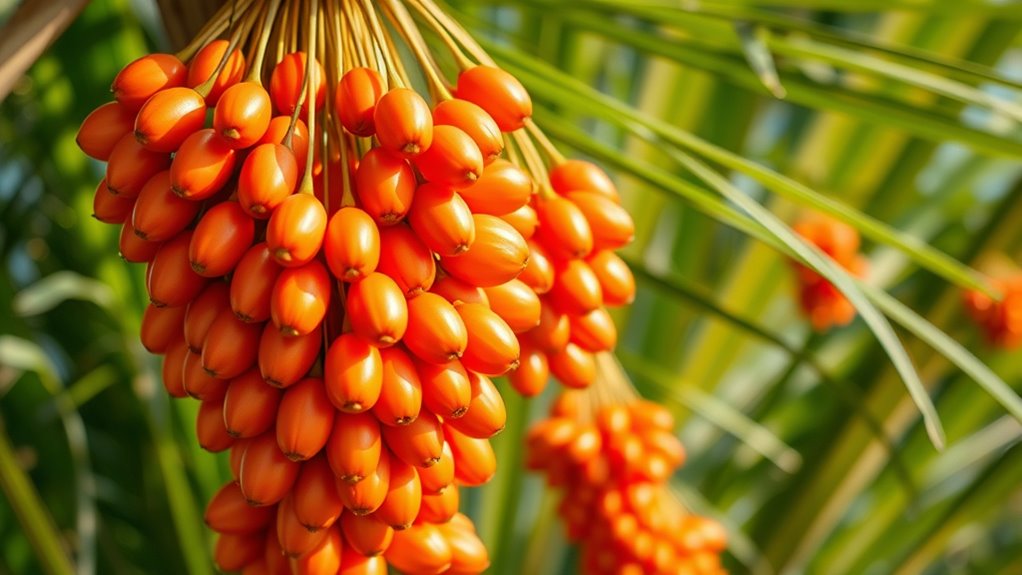
To determine if palm oil is a seed oil, focus on its origin: palm oil comes from the fleshy fruit of the oil palm tree, not the seed or kernel.
Check product labels for terms like “palm oil” derived from fruit pulp, and distinguish it from seed oils like soybean or sunflower oil.
Processing can be similar, but understanding its source and fat composition helps clarify.
Keep exploring to learn more about its properties and classifications.
Key Takeaways
- Palm oil is extracted from the fleshy fruit pulp, not the seed. This makes it different from seed oils.
- Look at ingredient labels for specific oil names like soybean, sunflower, or canola. These are seed oils.
- Palm oil has a balanced mix of saturated and monounsaturated fats, unlike most seed oils, which are high in polyunsaturated fats.
- The extraction process also matters. Palm oil comes from pressing or boiling the fruit flesh, not the seeds.
- Knowing where the oil comes from and its fat profile helps you tell if it’s from the fruit or the seed.
What Is Palm Oil and Where Does It Come From?
Palm oil is a versatile vegetable oil extracted from the fruit of oil palm trees, mainly *Elaeis guineensis*. It’s found in many everyday products like cooking oils, processed foods, and cosmetics.
It has a mix of saturated and unsaturated fats, making it a good energy source. But it’s also important to be aware of its environmental impact.
Growing palm oil often causes deforestation, destroys habitats, and boosts greenhouse gases. These issues have sparked debates about sustainability.
Growing palm oil contributes to deforestation, habitat loss, and increased greenhouse gas emissions.
Despite these concerns, palm oil remains popular because it’s affordable and has a long shelf life. When choosing products, think about both its nutritional value and environmental effects.
Understanding these factors can help you make more informed choices about what you buy and how it impacts the planet.
How Are Seed Oils Defined and What Makes Them Different?
Seed oils are vegetable oils extracted from the seeds of plants like sunflower, soybean, canola, and safflower. To understand what makes seed oils different, you need to look at their characteristics and classification.
Seed oils usually have specific fatty acid profiles, often rich in polyunsaturated fats, which affect their stability and health effects. The classification criteria involve examining how they’re made, where they come from, and what they’re made of.
They are typically obtained through mechanical pressing or solvent extraction from seeds, which sets them apart from fruit oils. Their color, flavor, and smoke point can also vary, influencing how you use them in cooking.
Recognizing these features helps you figure out if an oil is a seed oil or belongs to another group like fruit oils. Overall, understanding these differences helps you assess the oil’s origin, properties, and potential health impacts.
Is Palm Oil a Seed Oil or a Fruit Oil? Understanding Its Origin
Palm oil actually comes from the fruit of the oil palm tree, not the seed itself. So, when you’re getting palm oil, you’re mainly processing the fleshy part of the fruit. Usually, this is done by pressing or boiling the fruit to extract the oil. Because it comes from the fruit’s flesh, palm oil is classified as a fruit oil, not a seed oil.
Source of Palm Oil
The origin of palm oil is from the fruit of the oil palm tree, not its seeds. The fruit’s flesh is where the oil comes from, and it grows in large clusters on the tree.
During cultivation, the pulp of the fruit is harvested and processed to extract the oil. This makes palm oil a fruit oil because it’s derived from the flesh, not the seed.
The seeds, or kernels, contain a different oil called palm kernel oil. Knowing this helps you tell the difference between various vegetable oils.
Oil Extraction Process
To extract oil from the fruit of the oil palm tree, workers usually harvest ripe clusters and then process them through pressing or milling. These methods release the oil stored in the fruit’s flesh and seeds.
Since palm oil comes from the fruit’s pulp, the extraction mainly focuses on the mesocarp. This process produces what’s called fruit oil.
The processing involves sterilizing, stripping, and pressing the fruit to get the oil out. This is different from seed oils, which are made by crushing seeds directly.
Knowing these methods helps us understand that palm oil is a fruit oil, not a seed oil. The process highlights the fruit’s flesh, confirming its origin as a fruit-based oil.
What Are the Key Differences Between Seed Oils and Fruit Oils?
Understanding the key differences between seed oils and fruit oils helps you make better choices about the fats you eat. The main difference is where they come from: seed oils come from seeds, while fruit oils are from the fruit pulp or kernel. The characteristics of the seeds, like size and oil content, also vary a lot.
Here are three main differences:
- Oil origins: Seed oils, like sunflower or soybean oil, are made from seeds. Fruit oils, like palm or olive oil, come from the fruit’s pulp or flesh.
- Processing methods: Seed oils often go through refining, bleaching, and deodorizing. Fruit oils are usually cold-pressed or unrefined, keeping more natural nutrients.
- Fat composition: Seed oils tend to have more polyunsaturated fats. Fruit oils usually contain more monounsaturated fats, which can affect their health benefits.
Knowing these differences can help you identify the source and qualities of the oil, so you can make smarter dietary choices.
How Can You Recognize if an Oil Is a Seed Oil on Labels?
Want to figure out if an oil is a seed oil just by looking at the label? It’s pretty straightforward. First, take a look at the ingredient list and see if you spot names like soybean, sunflower, canola, or other oils that come from seeds. These are usually listed clearly, so it’s a good place to start.
Just keep an eye out for those familiar oil names that hint at their seed origins. When you recognize them, you’ll know right away that it’s a seed oil. Paying attention to these details makes it much easier to identify seed oils quickly and without any guesswork.
Ingredient List Inspection
Inspecting ingredient lists carefully can help you figure out if an oil is a seed oil. By reading labels closely, you can find clues about where the ingredients come from and better understand what’s in your product.
Here are three tips:
- Look for specific oil names like “soybean oil,” “cottonseed oil,” or “sunflower oil.” These are clear signs of seed oils.
- Check for general terms like “vegetable oil.” These often include seed oils, but it’s best to read the sourcing details to be sure.
- Pay attention to the order of ingredients. Seed oils tend to appear near the top if they’re a main component.
Analyzing labels effectively helps you make smarter choices and avoid unrecognized seed oils in your products.
Recognizable Oil Terms
When looking at ingredient labels, recognizing certain oil terms can help you quickly spot if an oil is likely a seed oil. Words like soybean oil, sunflower oil, or rapeseed oil are common clues.
Understanding how oils are classified makes it easier to identify these terms. Many seed oils are listed by their specific names, so keep an eye out for those.
Look for words ending in “oil,” which often indicate seed oils, especially if they’re processed or refined. Some labels might just say “vegetable oil,” which could still be a seed oil.
Being familiar with these recognizable oil terms helps you make quick, informed choices. You can tell if an oil is a seed oil just by reading the ingredient list without needing to do extra research.
Does Processing Change Whether an Oil Is a Seed Oil?
Processing methods can significantly change an oil’s composition, but they don’t change its fundamental botanical classification as a seed oil. The plant origin stays the same no matter how the oil is processed.
Processing alters oil composition but never changes its botanical seed origin.
Processing can affect the oil’s color, flavor, and nutrients, but it doesn’t turn a seed oil into something else.
Here’s what to remember:
- Refining or bleaching doesn’t change the type of oil; it just improves purity and appearance.
- Extraction methods like cold pressing or solvent extraction only affect how the oil is obtained, not its botanical source.
- Chemical changes during processing don’t alter where the oil comes from, only its chemical structure.
What Are the Common Uses and Nutritional Benefits of Palm Oil?
You probably come across palm oil in all sorts of foods, from cooking and baking to processed snacks. It’s super versatile and has a long shelf life, which makes it a popular choice in many kitchens and food products.
But it’s not just about convenience—palm oil also has some nutritional perks. It provides vitamin E, which is good for your skin and immune system, and contains healthy fats that can be part of a balanced diet.
Knowing these benefits can help you understand why palm oil is so commonly used in the foods we enjoy every day.
Culinary Uses and Applications
Palm oil is a versatile ingredient widely used in cooking and food manufacturing because it’s stable at high temperatures and has a long shelf life. Its neutral flavor makes it suitable for many dishes.
When cooking, you can use it for frying, sautéing, or baking since it can handle heat without breaking down. Its smooth texture also helps improve the mouthfeel of a variety of foods.
Here are some common uses:
- Fried snacks and street foods, where it adds crispiness without overpowering flavors.
- Baking goods, giving moisture and a light texture.
- Processed foods like margarine and spreads, thanks to its stable consistency.
Understanding how to use palm oil helps you make the most of its properties to enhance flavor and improve your cooking techniques.
Nutritional Content and Benefits
Despite its reputation as a cooking ingredient, palm oil also offers notable nutritional benefits. It’s a rich source of vitamin E, especially tocotrienols, which have antioxidant properties that support your immune system and skin health.
Palm oil contains healthy monounsaturated and saturated fats, helping meet your energy needs. When eaten in moderation, it may even improve cholesterol levels.
Its nutritional benefits can positively impact your overall health. However, overconsumption might increase the risk of cardiovascular disease.
Palm oil is commonly used in cooking, baking, and processed foods. It adds texture and helps extend shelf life.
Understanding its nutritional content helps you make informed dietary choices. Balancing the benefits with potential health impacts is key.
Why Knowing If Palm Oil Is a Seed Oil Matters for Your Health and Environment?
Understanding whether palm oil is a seed oil is important because it directly impacts your health choices and the environment. Knowing the source helps you make informed decisions about what you consume and how it affects sustainability.
Here’s why it matters:
- Health impacts: Seed oils like palm oil can have high levels of saturated fats and omega-6 fatty acids, which might raise inflammation and increase the risk of chronic diseases if eaten in excess.
- Environmental concerns: Producing palm oil often leads to deforestation, habitat loss, and more greenhouse gases, harming ecosystems and contributing to climate change.
- Consumer awareness: Recognizing seed oils helps you pick products that match your health and environmental values, encouraging more sustainable farming and healthier diets.
Knowing if palm oil is a seed oil gives you the power to support better health and reduce environmental damage.
How to Choose Oils Based on Their Source and Processing Method?
When choosing oils, it’s important to consider both where they come from and how they’re processed. These factors directly impact their health benefits and environmental footprint.
Oil sourcing shows you the origin of the ingredients, helping you decide if the oil is from sustainable or ethical sources. For example, cold-pressed oils usually keep more nutrients and are minimally processed, making them a healthier choice.
Choosing oils from sustainable sources and minimally processed methods ensures better nutrition and eco-friendliness.
Refined oils go through chemical or high-heat processing, which can remove beneficial compounds and may leave residues. Knowing the processing method helps you assess the purity and quality of the oil.
Unrefined, minimally processed oils generally offer more health perks. By understanding the source and processing, you can make smarter choices that match your health goals and values.
Always check labels for transparency around sourcing and processing. This way, you can pick oils that are both good for you and environmentally friendly.
How to Confirm if Palm Oil Is a Seed Oil: Final Checklist
Wondering how to definitively confirm if palm oil is a seed oil? Use this final checklist to clarify its classification based on seed oil characteristics.
- Check the Source: Palm oil comes from the fruit pulp of the oil palm, not the seed. Confirm the extraction process and botanical origin.
- Review Composition: Seed oils usually have high levels of polyunsaturated fats. Palm oil has a balanced mix of saturated and monounsaturated fats, which is a key indicator.
- Analyze Processing: Seed oils are often refined through pressing and solvent extraction, similar to palm oil. But if the oil is directly derived from the fruit pulp, it isn’t a seed oil.
Frequently Asked Questions
Can Palm Oil Be Classified as a Seed Oil Based on Its Chemical Composition?
Yes, palm oil can be classified as a seed oil based on its chemical composition. Its structure, which includes both saturated and unsaturated fatty acids, is similar to other seed oils.
During extraction, the oil is obtained from the seeds of the oil palm fruit, which aligns with the typical source of seed oils. Analyzing these chemical features helps confirm its classification as a seed oil.
Are There Specific Tests to Distinguish Seed Oils From Fruit Oils in Laboratories?
Yes, there are specific tests to distinguish seed oils from fruit oils in laboratories. You perform chemical analysis to identify key chemical markers unique to each oil type.
Furthermore, analyzing the oil extraction process helps. Seed oils are typically extracted from seeds, while fruit oils come from fruit pulp.
These tests provide accurate identification, so you can reliably tell seed oils from fruit oils based on their chemical composition and extraction methods.
How Does the Cultivation and Harvesting Process Affect an Oil’s Classification?
Your cultivation techniques and harvesting methods directly influence an oil’s classification. For palm oil, the process involves cultivating oil palms and harvesting ripe fruit, which are then processed to extract the oil.
In contrast, seed oils are obtained from seeds through mechanical or solvent extraction after harvesting. These methods determine whether the oil is extracted from fruit flesh or seeds, helping classify it as a fruit or seed oil.
Do Regulatory Definitions Influence Whether Palm Oil Is Labeled as a Seed or Fruit Oil?
Like a compass guiding a ship, regulatory frameworks and labeling standards steer how palm oil is classified. These rules influence whether it’s labeled as a seed or fruit oil, often based on industry definitions and regional regulations.
You’ll find that official standards, such as those from government agencies or trade organizations, shape labeling practices. They help ensure consumers understand what they’re buying and promote transparency in the marketplace.
Are There Differences in Flavor or Aroma That Indicate if an Oil Is a Seed Oil?
Yes, flavor profile and aroma intensity can help you identify if an oil is a seed oil. Seed oils tend to have a milder, neutral flavor and a subtle aroma, making them less aromatic than fruit oils.
If you notice a light, clean scent with minimal flavor, it’s probably a seed oil. On the other hand, stronger, fruity, or nutty aromas usually mean it’s a fruit oil like palm oil.
Conclusion
Now that you know the key differences between seed and fruit oils, the question remains: how can you be sure about palm oil’s true nature?
The answers lie in understanding its origin and processing. Is it derived from the fruit or the seed? Knowing this helps determine if palm oil is a fruit oil or a seed oil.
Are you ready to make more informed choices for your health and the environment? Keep digging because the truth about palm oil might surprise you—hidden in plain sight, waiting to be uncovered.
Will you uncover it today?