Health Benefits of Sesame Seeds: What’s Good for You?
Are you looking for simple ways to boost your health without overhauling your entire diet? You’re not alone—many people struggle with finding nutritious foods that fit into busy lifestyles. Luckily, sesame seeds are an easy, delicious addition that can make a big difference.
Sesame seeds are a nutritional powerhouse packed with vitamins, minerals, healthy fats, and antioxidants that support your overall health. They promote heart health by lowering blood pressure and cholesterol, strengthen your immune system with zinc and antioxidants, and aid bone health thanks to high calcium and magnesium levels.
Furthermore, their fiber content improves digestion and helps manage blood sugar.
Continue exploring to uncover more ways sesame seeds can boost your well-being and fit into your diet effortlessly.
Key Takeaways
- Rich in healthy fats, antioxidants, and essential minerals, sesame seeds support heart health and help reduce inflammation.
- They promote strong bones because of their high calcium, magnesium, and vitamin B6 content.
- With dietary fiber and phytochemicals, sesame seeds aid digestion and help regulate blood sugar levels.
- They also support immune function thanks to zinc and antioxidant compounds like sesamin and sesamol.
- Plus, sesame seeds are easy to add to meals, boosting nutritional value and offering versatile culinary options.
Why Are Sesame Seeds a Nutritional Powerhouse?
Sesame seeds are considered a nutritional powerhouse because they pack a wide range of essential nutrients into a tiny package. Their high nutrient density means you get plenty of vitamins, minerals, and healthy fats in just a small amount.
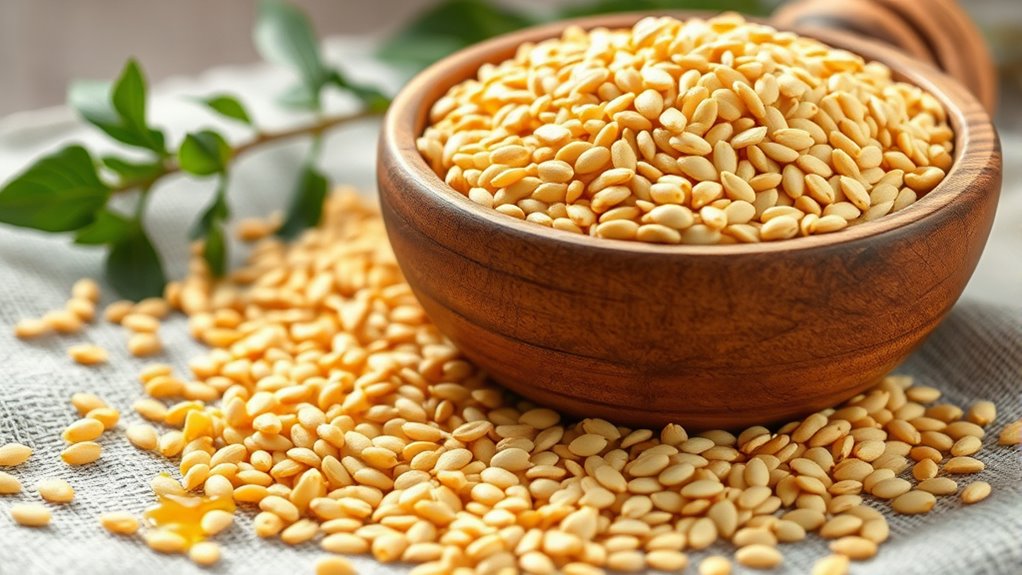
Sesame seeds are tiny but nutrient-dense, offering vitamins, minerals, and healthy fats in a small, powerful package.
You’ll find calcium, magnesium, zinc, and iron, all crucial for supporting your body’s functions. Plus, sesame seeds contain antioxidants that help protect cells from damage.
Their culinary versatility makes it easy to include them in your diet—sprinkle them on salads, stir-fries, or baked goods, or blend them into smoothies or tahini. This adaptability means you can enjoy their health benefits in many ways without sacrificing flavor.
Whether you’re adding a crunch or a nutty flavor, sesame seeds boost your meals’ nutritional profile effortlessly. Their compact size hides a powerful punch of nutrients, making them a smart addition to any balanced diet.
How Do Sesame Seeds Support Heart and Cardiovascular Health?
Sesame seeds are full of healthy fats that are good for your heart. Eating them can actually help improve your overall cardiovascular health.
Plus, they’re rich in lignans, which are plant compounds that support your heart and blood vessels. Some studies also suggest that sesame seeds might help in lowering blood pressure.
Rich in Healthy Fats
Because they are rich in healthy fats, sesame seeds play an essential role in supporting heart and cardiovascular health. These fats help improve nutrient absorption, so your body gets the most from your diet.
Including sesame seeds in your meals can promote better cholesterol levels and reduce inflammation. Their versatile culinary uses—from sprinkling on salads to blending into smoothies—make it easy to add these beneficial fats to your daily routine.
The healthy fats in sesame seeds also help maintain cell integrity and support overall cardiovascular function. By choosing foods with these fats, you give your heart a natural boost while enjoying tasty, nutritious dishes.
Incorporating sesame seeds regularly is a simple but effective way to boost your heart health through your diet.
Contains Heart-Healthy Lignans
Lignans found in sesame seeds are powerful plant compounds that support heart health by reducing inflammation and improving blood vessel function. As lignan sources, sesame seeds are a natural way to boost your intake of these beneficial compounds.
Lignans have been linked to better heart health by helping lower cholesterol levels and preventing arterial damage. Eating sesame seeds regularly can contribute to overall cardiovascular health, making them a smart addition to your diet.
These lignans work together with healthy fats and other nutrients in sesame seeds to promote better blood flow and reduce the risk of heart disease. Incorporating sesame seeds into your meals is an easy, tasty step toward supporting your heart and maintaining long-term cardiovascular well-being.
Helps Reduce Blood Pressure
Research shows that adding sesame seeds to your diet can really help lower blood pressure levels. Their natural remedies support heart health by reducing the risk of hypertension.
Sesame seeds contain magnesium and healthy fats that help relax blood vessels, making blood pressure easier to manage. Including them regularly can make a noticeable difference in your cardiovascular health.
Here’s a quick overview:
| Nutrients in Sesame Seeds | Benefits for Blood Pressure | How to Incorporate |
|---|---|---|
| Magnesium | Helps relax blood vessels | Sprinkle on salads or yogurt |
| Healthy Fats | Reduce arterial stiffness | Use in baking or smoothies |
| Lignans | Support overall heart health | Add to stir-fries or snacks |
Adding sesame seeds is an easy, natural way to support healthy blood pressure levels.
Can Sesame Seeds Help Strengthen Your Immune System?
Have you ever wondered how some foods can boost your immune defenses? Sesame seeds are packed with nutrients that support immune-boosting functions. They contain zinc, which is essential for immune cell development and helps your body fight off infections.
The healthy fats in sesame seeds also improve nutrient absorption, making it easier for your body to access crucial vitamins and minerals. Moreover, sesame seeds are rich in antioxidants like sesamin and sesamol, which help reduce inflammation and protect cells from damage.
Regularly including sesame seeds in your diet can strengthen your immune response over time. Their high content of magnesium and vitamin B6 further supports immune health by promoting proper cellular function.
Sesame Seeds and Bone Health: Building Strength Naturally
Sesame seeds are a fantastic source of calcium, which your body needs to keep your bones strong and healthy. Adding them to your meals is an easy way to give your bones a natural boost.
When you include sesame seeds in your diet, you’re helping to support your skeletal health and potentially lowering the chances of fractures down the line. So, next time you’re looking for a simple, nutritious snack or topping, sprinkle some sesame seeds and take a step towards stronger bones!
Rich Calcium Content
Because sesame seeds are packed with calcium, they play an essential role in keeping your bones strong and healthy. Their high calcium content helps your body absorb calcium better, which is crucial for healthy bone metabolism.
Including sesame seeds in your diet gives your body the raw materials it needs to build and strengthen bones. This can help prevent osteoporosis and keep your bones dense and resilient.
The calcium in sesame seeds works together with other nutrients like magnesium and phosphorus. This nutrient synergy supports overall bone health and renewal.
Eating these seeds regularly can naturally improve your bone health without relying solely on supplements. To see how they help:
| Benefit | Explanation |
|---|---|
| Calcium absorption | Improves how your body takes in calcium |
| Bone metabolism | Supports ongoing bone renewal |
| Strengthening bones | Contributes to overall bone density |
| Prevention of osteoporosis | Reduces risk of bone weakening early |
| Nutrient synergy | Works with magnesium and phosphorus for bone health |
Promotes Bone Density
Building strong bones is about more than just calcium; it’s also about maintaining high bone density, which helps prevent fractures and osteoporosis.
Sesame seeds support bone density by aiding the absorption of minerals like calcium, magnesium, and zinc—key nutrients for healthy bones. These minerals work together to make your bones stronger and improve their structure over time.
Eating sesame seeds regularly can boost your body’s ability to absorb and use these essential minerals, leading to denser, more resilient bones.
Adding sesame seeds to your diet is an easy, natural way to improve your bone health and lower the risk of bone problems as you age.
With consistent intake, you’ll help build a stronger, healthier skeletal system.
How Do Sesame Seeds Improve Digestion and Gut Health?
Since sesame seeds are rich in dietary fiber, they play an essential role in promoting healthy digestion. Their fermentative properties help support the growth of beneficial gut bacteria, which is key to a balanced gut microbiome. This process boosts nutrient absorption and reduces digestive discomfort. By fostering a healthy microbiome, sesame seeds indirectly enhance gut barrier function, preventing harmful pathogens from entering your bloodstream.
Here are three ways sesame seeds contribute to gut health:
- Fiber Content: Promotes regular bowel movements and prevents constipation.
- Fermentative Properties: Encourage the growth of probiotics, supporting a diverse and resilient gut microbiome.
- Digestive Enzymes: Help break down food more efficiently, easing digestion and reducing bloating.
Incorporating sesame seeds into your diet can considerably improve gut health, thanks to their unique combination of fiber and fermentative benefits.
Do Sesame Seeds Help Manage Blood Sugar Levels?
You might be curious about whether sesame seeds can actually help with blood sugar control. Well, some research indicates that they might have a positive effect on blood glucose levels and could even support insulin regulation. It’s pretty interesting to think about how adding sesame seeds to your diet might help with managing blood sugar. Let’s take a closer look at how they might make a difference.
Impact on Blood Glucose
Research suggests that sesame seeds may positively influence blood sugar levels, making them a beneficial addition to a balanced diet for those managing diabetes or insulin resistance. Consuming sesame seeds can help stabilize blood sugar by improving insulin sensitivity, which boosts your body’s ability to regulate glucose.
Consider these points:
- The fiber in sesame seeds slows digestion, preventing spikes in blood sugar.
- Phytochemicals like sesamin may enhance insulin response.
- The healthy fats support overall metabolic health, aiding in blood sugar regulation.
Incorporating sesame seeds into your meals could contribute to more stable blood sugar levels, supporting your goal of better glucose control and improved insulin sensitivity.
Potential Insulin Regulation
Emerging evidence suggests that eating sesame seeds might help regulate insulin levels, which is key for keeping blood sugar balanced. These seeds contain compounds that can boost insulin sensitivity, helping your body respond better to sugar.
Better insulin sensitivity supports overall metabolic health and lowers the risk of insulin resistance and type 2 diabetes. Including sesame seeds in your diet could help keep blood sugar levels steady after meals, preventing sudden spikes or crashes.
These seeds are packed with nutrients like healthy fats and antioxidants, which help your body manage glucose more effectively. While more research is needed, adding sesame seeds to your meals is a simple, natural way to support better insulin regulation and overall health.
The Antioxidant Benefits of Sesame Seeds
Sesame seeds are packed with powerful antioxidants that help protect your body from oxidative stress and free radical damage. These antioxidants neutralize harmful free radicals, reducing cellular damage and supporting overall health. Including sesame seeds in your diet allows you to enjoy their protective effects.
Key antioxidant compounds in sesame seeds include:
1. Sesamin and sesamol
These lignans are strong free radical fighters that boost your body’s defenses.
2. Vitamin E
A well-known antioxidant that helps stabilize cell membranes and prevents damage.
3. Phytosterols
These plant compounds help reduce inflammation and oxidative stress.
Together, these antioxidants work in harmony to shield your cells from free radical damage, which may lower your risk of chronic diseases. Adding sesame seeds regularly is a natural way to increase your antioxidant intake and support long-term health.
Easy Ways to Incorporate Sesame Seeds Into Your Daily Diet
Since sesame seeds are packed with antioxidants that help protect your cells, adding them to your meals is an easy way to boost your health. Sprinkle sesame seeds on salads, yogurt, or oatmeal for a quick nutritional upgrade.
For a tasty snack, try mixing sesame seeds into energy bites or roasting them with a bit of honey for simple sesame snack ideas. You can also make homemade sesame dressings by blending sesame paste, soy sauce, and a splash of rice vinegar.
These small additions can make a big difference in your daily diet. To give you some ideas, here’s a quick guide:
| Meal Idea | Sesame Snack Idea | Sesame Dressing Recipe |
|---|---|---|
| Salads | Sesame trail mix | Sesame soy vinaigrette |
| Breakfast (oatmeal) | Toasted sesame on yogurt | Tahini-based dressings |
| Roasted veggies | Sesame seed energy bites | Sesame and lemon drizzle |
| Snacks | Sesame crusted nuts | Creamy sesame dip |
Are There Any Risks or Allergies to Watch Out for With Sesame Seeds?
Are there any risks or allergies associated with sesame seeds that you should be aware of? While sesame seeds are nutritious, some people may have allergies or sensitivities. It’s important to know that sesame allergies can sometimes cause serious reactions.
For example, sesame allergies are quite common and can lead to symptoms like hives, swelling, or even anaphylaxis. Some individuals might also experience digestive issues or skin reactions if they’re sensitive.
Cross-contamination during processing can also be a concern, especially for those with severe allergies. If you’ve had food allergies before, it’s a good idea to check with your healthcare provider before adding sesame seeds to your diet.
Being aware of these risks helps you enjoy sesame seeds safely and reduces the chance of any adverse reactions. Always read labels carefully and start with small amounts to see how your body responds.
Why Choosing Sesame Seeds Supports Sustainable and Versatile Eating
Choosing sesame seeds not only adds nutritional value to your diet but also supports sustainable and versatile eating habits. When you pick sesame seeds from sources that prioritize eco-friendly practices, you help reduce environmental impact and support ethical farming.
These seeds are incredibly adaptable, making them perfect for a variety of recipes—from salads and stir-fries to baked goods and smoothies. Their mild flavor pairs well with many ingredients, so you can experiment and create diverse meals without relying on processed or less eco-friendly options.
Incorporating sesame seeds into your diet encourages mindful eating, supporting local farmers and environmentally responsible agriculture. By choosing sustainably sourced sesame seeds, you contribute to a healthier planet while enjoying their rich, nutty flavor.
Their versatility makes it easy to add them to your daily meals, making sustainable eating both simple and delicious.
Frequently Asked Questions
Are There Specific Age Groups That Benefit Most From Sesame Seeds?
You benefit most from sesame seeds during childhood and old age. For kids, the nutrients support bone growth and brain development, helping build strong foundations.
In elderly nutrition, sesame seeds improve bone health and provide essential minerals to prevent osteoporosis and boost overall vigor.
Adding them to your diet at these stages can really improve your health, making them a great choice for both young and older individuals.
How Do Sesame Seeds Compare to Other Seeds Nutritionally?
Sesame seeds are like tiny nutritional powerhouses, packing a higher nutrient density than many other seeds. They contain a rich mineral content, including calcium, magnesium, and iron, which supports your bones and overall health.
Compared to flax or chia seeds, sesame seeds offer more calcium and copper, making them an excellent choice for boosting mineral intake. Their balanced nutrient profile helps you get essential nutrients efficiently.
Can Sesame Seeds Help With Skin Health and Aging?
Yes, sesame seeds can boost your skin health and help with aging. The sesame oil contains antioxidant properties that fight free radicals, reducing signs of aging.
Its anti-inflammatory effects soothe irritated skin, while the nutrients promote skin hydration and elasticity. Incorporating sesame seeds into your diet or applying sesame oil topically may improve your skin’s overall appearance, making it look youthful and radiant.
Are There Any Cooking Methods That Reduce Sesame Seed Nutrients?
You might think all cooking methods preserve sesame seeds’ nutrients, but some don’t. Roasting at high temperatures can reduce nutrient retention, especially delicate vitamins and antioxidants.
To get the most benefits, try gentle cooking techniques like steaming or lightly toasting. These methods help keep more nutrients intact, so you get the full health benefits from your sesame seeds.
How Long Does It Take to See Health Benefits From Regular Consumption?
You might notice short-term effects like improved digestion or increased energy within a few days to weeks of regular sesame seed consumption.
However, the long-term benefits such as better heart health, stronger bones, and reduced inflammation usually take months or even years to develop.
Consistent intake is key, and pairing it with a balanced diet can make these health benefits more noticeable over time.
Conclusion
Incorporating sesame seeds into your diet is like adding a tiny, powerful boost to your health. They’re a versatile, nutrient-rich option that supports your heart, bones, digestion, and immune system.
Just a sprinkle can make a big difference, helping you feel your best every day. So, welcome these little seeds—they’re small but mighty, much like a hidden gem waiting to release your well-being.
Start adding sesame seeds today and enjoy their many health benefits. They’re a simple, tasty way to boost your overall health and keep you feeling great.