Risks of Dogs Eating Chia Seeds
Many dog owners want to give their furry friends healthy treats like chia seeds but worry about potential risks. You’re not alone—navigating what’s safe can be confusing. It’s important to understand how to introduce chia seeds properly to keep your dog safe.
If your dog eats chia seeds, be aware of potential risks like digestive upset, choking, or allergic reactions. The high fiber content can cause diarrhea, constipation, or bloating if overdone.
Soaking the seeds helps prevent choking, and introducing them gradually is safest.
Chia seeds may also affect medication absorption and blood sugar levels. Staying alert to any negative signs is essential.
To keep your dog safe, learn more about proper ways to give chia seeds.
Key Takeaways
- Chia seeds can cause choking or intestinal blockage if not soaked or given in small, supervised amounts.
- Eating too much might lead to digestive issues like diarrhea, bloating, or constipation.
- Their high fiber content could interfere with medication absorption or cause stomach upset.
- Some dogs may have allergic reactions, such as itching or swelling, especially if they’re sensitive.
- During processing, cross-contamination can introduce allergens or toxins into the seeds.
What Are Chia Seeds and Why Do Dogs Sometimes Eat Them?
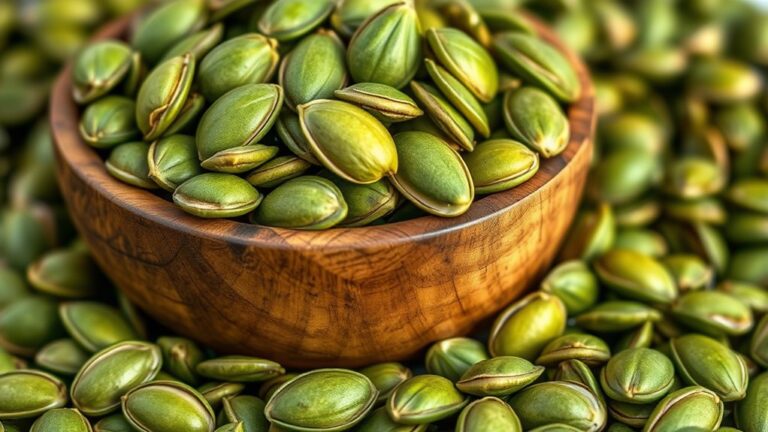
Chia seeds are tiny, nutrient-packed seeds from the Salvia hispanica plant, native to Central and South America. They’re loaded with fiber, omega-3 fatty acids, protein, and essential minerals.
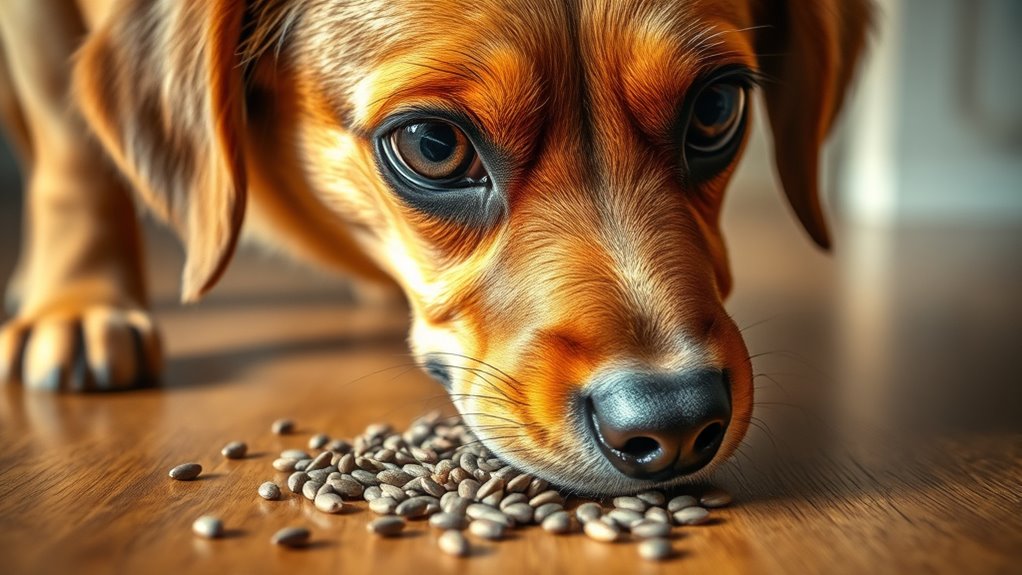
You might notice your dog being curious about these seeds, especially if you’re handling or eating them. Dogs are naturally curious and often investigate new foods out of interest or by smell.
Sometimes, dogs nibble on chia seeds just because they find their texture or smell intriguing. Even if they don’t fully understand what they are, they might be drawn to them.
While your dog’s curiosity can lead to accidental eating, chia seeds are generally safe in small amounts. Their nutritional benefits also make them an interesting supplement for your dog.
Are Chia Seeds Safe for Dogs? Understanding the Risks and Benefits
While chia seeds are generally safe in small amounts, it’s important to understand both their potential benefits and the risks they may pose to your dog. Chia seeds offer nutritional benefits like omega-3 fatty acids, fiber, and antioxidants, which can support your dog’s overall health.
Chia seeds can support your dog’s health but should be given cautiously and in moderation.
However, serving suggestions matter; always introduce chia gradually and in moderation. A small teaspoon mixed into your dog’s food is usually enough to provide benefits without overdoing it. Be mindful of the seed’s high fiber content, which can cause issues if your dog consumes too much at once.
It’s also crucial to soak the seeds before serving to prevent choking or digestive discomfort. While chia seeds can be a healthy addition to your dog’s diet, consulting your veterinarian first guarantees you’re making safe choices tailored to your dog’s specific needs.
Properly used, chia seeds can be a beneficial supplement, but caution is key.
Can Chia Seeds Cause Digestive Problems in Dogs?
Feeding your dog chia seeds might sometimes cause a bit of stomach upset or diarrhea. If your dog eats too many, the high fiber content could lead to constipation or bloating. So, it’s best to give chia in moderation to keep your pup happy and healthy.
Possible Digestive Upset
Although chia seeds are generally safe for dogs in moderation, they can sometimes cause digestive problems. When introduced suddenly or in large amounts, they may disrupt your dog’s digestive enzymes and gut microbiome, leading to upset stomachs or diarrhea.
Some dogs are more sensitive and may experience bloating or discomfort. To understand potential issues, consider this table:
| Symptom | Cause | Prevention |
|---|---|---|
| Bloating | Excessive chia seed intake | Start with small amounts |
| Diarrhea | Disruption of gut microbiome | Gradually increase doses |
| Constipation | Insufficient hydration | Guarantee plenty of water |
| Vomiting | Sensitivity to chia seeds | Monitor for reactions |
| Gas | Digestive enzyme imbalance | Introduce slowly, watch for signs |
Monitoring your dog’s response helps minimize the risk of digestive upset.
Fiber Overload Risks
Consuming too many chia seeds can lead to fiber overload, which may cause digestive issues in dogs. Chia seeds are high in fiber, and while fiber is good for digestion, too much can overwhelm your dog’s system.
Excessive fiber can cause symptoms like constipation, bloating, or diarrhea, disrupting their digestive balance. It’s important to watch portion sizes and avoid giving large amounts of chia seeds regularly.
Introduce fiber sources gradually so your dog can adjust without causing harm. If you notice any signs of discomfort, reduce or stop feeding chia seeds and talk to your veterinarian.
Keeping fiber intake balanced ensures your dog gets the benefits of chia seeds without risking overload or digestive problems.
Do Chia Seeds Pose a Choking Hazard for Dogs?
Are chia seeds safe for your dog to eat? While they’re generally healthy, they can pose a choking hazard if not prepared properly.
Choking prevention is essential, especially because of the seed size. Chia seeds are small, but when dry, they can stick together or swell quickly when they absorb water, forming a gel-like texture that can be difficult for dogs to swallow safely.
To reduce the risk, it’s best to soak chia seeds before offering them to your dog. Soaking helps break down their seed size and prevents them from expanding rapidly in your dog’s throat.
Always supervise your dog when introducing new foods, and start with small quantities. If your dog has difficulty swallowing or shows signs of choking, remove the food immediately and consult your veterinarian.
Proper preparation and careful observation are key to minimizing choking risks with chia seeds.
How Do Chia Seeds Affect a Dog’s Blood Sugar Levels?
Chia seeds are known for their ability to help regulate blood sugar levels, which can be beneficial for dogs with diabetes or insulin sensitivity. When you feed chia seeds to your dog, they may promote better blood sugar regulation due to their high fiber content, slowing down glucose absorption in the digestive system.
This can lead to more stable insulin sensitivity, preventing sharp spikes and drops in blood sugar. However, it’s vital to feed chia seeds in moderation, as excessive amounts could cause fluctuations or digestive issues.
The soluble fiber in chia seeds forms a gel-like substance when mixed with water, which can aid in controlling blood glucose levels. Keep in mind that every dog responds differently, so monitoring your pet’s blood sugar levels is important.
Always consult your vet before adding chia seeds to your dog’s diet. Proper supervision guarantees you support your dog’s health without risking unpredictable blood sugar changes.
Are Chia Seeds Safe for Dogs With Food Allergies?
If your dog has food allergies, it’s a good idea to be a bit cautious with chia seeds. While they’re generally healthy, they could potentially trigger allergic reactions in sensitive dogs. Sometimes, during processing, chia seeds might come into contact with other allergens, which increases the risk of cross-contamination. So even if the seeds seem safe, they might still carry traces of something your dog could react to.
To be on the safe side, always check the labels carefully and talk to your vet before adding chia seeds to your dog’s diet. It’s better to be cautious and make sure it’s okay for your furry friend.
Allergic Reaction Risks
Dogs with food allergies might be more likely to have adverse reactions when eating chia seeds. It’s important to consider their unique sensitivities.
Allergic reactions happen when the immune system mistakenly sees chia seeds as harmful. This can cause symptoms like itching, swelling, or upset stomach.
If your dog already has known allergies, adding chia seeds could trigger these reactions, even if others tolerate them well. Keep a close eye on your dog after feeding chia seeds.
Watch for signs like itching or redness, swelling around the face or paws, or vomiting and diarrhea. Always check with your vet before giving chia seeds, especially if your dog has food allergies or sensitivities.
Cross-Contamination Concerns
Because chia seeds are often processed in facilities that handle various grains and seeds, there’s a risk of cross-contamination with other allergens. Shared equipment or storage areas can expose your dog to hidden allergens like nuts or gluten.
If your dog has food allergies, this is a big concern. To reduce risks, look for chia seed products labeled as allergen-free or processed in dedicated facilities.
You can also prevent issues by carefully reading ingredient labels and reaching out to manufacturers for details about their processing practices. Consider buying whole chia seeds from reputable sources that prioritize contamination prevention.
Being vigilant about cross-contamination helps protect your dog from unintended allergen exposure, especially if they have sensitivities or allergies to other foods.
Can Chia Seeds Interact With Medications in Dogs?
Wondering whether chia seeds might interfere with your dog’s medication? It’s possible, as chia seeds can cause interactions that affect how your dog’s medicines work.
Chia seeds are high in fiber, which could change how certain drugs are absorbed, especially those with narrow therapeutic windows. Giving too much chia may also increase its effects and disrupt medication effectiveness.
Chia seeds’ high fiber may alter drug absorption and interfere with medication effectiveness in dogs.
Be cautious if your dog is on medications for blood sugar, blood pressure, or anticoagulants. Chia seeds could amplify their effects, so always check with your vet before adding chia to their diet.
- Chia seeds may alter absorption rates of some drugs
- They can increase or decrease medication effects
- Dosage is important to prevent adverse reactions
How Much Chia Seeds Is Safe for My Dog? Portion Guidelines
To keep your dog safe, it’s best to stick to recommended serving sizes of chia seeds based on how big your dog is. For little dogs, just a pinch or a teaspoon is usually enough. If you have a bigger dog, they can probably handle a tablespoon or even two.
But remember, every dog is different, so it’s always a good idea to adjust the amount according to your dog’s specific needs. And if you’re ever unsure, don’t hesitate to ask your vet for advice.
Recommended Serving Sizes
Feeding your dog the right amount of chia seeds is key to helping them enjoy the health benefits without any risks. The ideal serving size depends on your dog’s size and weight, but usually, a small teaspoon for small dogs and up to a tablespoon for larger breeds works well.
Portion control is super important to avoid digestive problems or giving too many calories. Follow these simple guidelines to keep your dog safe:
Use only a small amount daily, and you can increase it gradually if your dog tolerates it well. Mix the chia seeds into their regular food rather than offering them plain.
Avoid overfeeding—moderation is the best way to prevent any potential health issues.
Adjusting for Dog Size
Since larger dogs need more nutrients and calories, adjusting chia seed portions based on their size is important for safety. For small dogs, start with a teaspoon of chia seeds daily, mixed into their food to prevent choking or digestive issues.
For bigger breeds, you can slightly increase the amount, but never go over one tablespoon per day. Always keep an eye on your dog for any adverse reactions, especially when trying chia seeds for the first time.
Remember, moderation is key no matter your dog’s size. It’s best to consult your veterinarian to find the right portion based on your dog’s weight, age, and health.
Proper portion control helps prevent risks like upset stomach or nutrient imbalances, so your dog can safely enjoy the benefits of chia seeds.
Signs Your Dog Has Had a Negative Reaction to Chia Seeds
If your dog has eaten chia seeds and starts showing unusual symptoms, it’s important to recognize the signs of a negative reaction quickly. Watch for symptoms like vomiting, diarrhea, or lethargy, which could indicate distress.
Allergic signs might include itching, swelling around the face or paws, or difficulty breathing. These signs can develop rapidly, so acting fast is crucial.
Be alert for sudden changes in your dog’s behavior or physical condition, as they often signal a bad reaction. Catching it early allows you to seek veterinary care before things get worse.
Watch for sudden behavioral or physical changes to catch adverse reactions early and seek veterinary help promptly.
Remember, not all reactions are severe, but ignoring them can lead to serious health problems.
- Vomiting or diarrhea
- Swelling, especially around the face or paws
- Difficulty breathing or persistent coughing
How to Safely Introduce Chia Seeds to Your Dog
Introducing chia seeds to your dog safely takes some preparation and moderation. Start by introducing them gradually, giving a small amount first to see how your dog reacts. You can begin with a pinch or a teaspoon mixed into their regular food.
Keep an eye out for any reactions like vomiting, diarrhea, or allergy symptoms. Monitoring how your dog responds is key to making sure they tolerate the seeds well.
Here’s a simple step-by-step guide:
| Step | Action | Notes |
|---|---|---|
| Start small | Introduce a tiny amount | Watch their reactions closely |
| Mix with food | Blend chia seeds into their meals | This helps prevent choking |
| Increase gradually | Slightly raise the amount over time | Make sure they handle it well |
| Monitor reactions | Look for signs of discomfort or allergy | Stop if you see any issues |
| Consult your vet | Ask for advice before regular use | Personalized guidance helps |
Frequently Asked Questions
Can Chia Seeds Cause Long-Term Health Issues in Dogs?
Chia seeds can potentially cause long-term health issues in dogs if they’re eaten in excess.
You might see digestive problems like constipation or diarrhea, especially if your dog isn’t used to eating them.
Allergic reactions are also possible, which could lead to skin irritation or swelling.
To keep your dog safe, start with small amounts of chia seeds and watch for any negative effects.
Always talk to your vet before adding new foods like chia seeds to your dog’s diet.
Are There Specific Dog Breeds More Prone to Chia Seed Reactions?
Think of your dog as a unique book—some pages turn smoothly, others might have a few torn edges.
Certain breeds, like smaller or more sensitive ones, are more prone to breed sensitivity and seed allergies when it comes to chia seeds.
These dogs might react more strongly, showing signs like itching or upset stomachs.
Always keep an eye on your pup’s reactions and talk to your vet before adding chia seeds to their diet.
How Do Chia Seeds Impact a Dog’s Weight Management?
Chia seeds can support your dog’s weight control by providing a high amount of dietary fiber. This fiber helps them feel full longer and can reduce overeating.
When added in moderation, chia seeds can help maintain a healthy weight. But too much might cause gastrointestinal issues.
Always introduce new foods carefully, watch how your dog responds, and talk to your veterinarian to make sure chia seeds fit into their balanced diet.
Can Chia Seeds Replace Traditional Dog Supplements?
Chia seeds can’t fully replace traditional dog supplements because they mainly offer nutritional benefits like omega-3 fatty acids, fiber, and antioxidants. While they support your dog’s digestive health, they don’t provide all essential nutrients found in specialized supplements.
Relying only on chia seeds might lead to deficiencies. It’s best to incorporate them as a supplement, but always check with your vet to make sure your dog gets a balanced, complete diet with proper digestive support.
What Are Signs of Chia Seed Overdose in Dogs?
Think of chia seed overdose as a storm brewing inside your dog. Signs of chia seed toxicity include persistent vomiting, diarrhea, and signs of dehydration, which indicate digestive distress.
If you notice lethargy or difficulty breathing, these are serious signals. Overconsumption can upset your dog’s stomach and lead to more severe health issues.
Keep a close eye on them after they’ve had chia seeds, and consult your vet if symptoms appear.
Conclusion
While chia seeds might seem like a healthy treat, they can turn your dog’s tummy into a rollercoaster of discomfort or even a choking hazard. It proves that what’s good for us isn’t always safe for our pets.
So, next time you sprinkle those tiny seeds on your meal, remember—your dog’s digestive system isn’t quite the same. Sometimes, the safest choice is to keep their treats simple and avoid the risks of chia seeds altogether.