How to Set Up a Grow Room: Step-by-Step Guide for Successful Indoor Gardening
Setting up a grow room begins with choosing the right space, installing proper lighting, ventilation, and ensuring the correct environmental controls for your plants. By carefully arranging grow lights, reflective surfaces, and airflow, you can create an environment that fosters healthy plant development.
A well-organized grow room allows you to control factors like humidity, temperature, and light cycles, which dramatically affect plant health and productivity. Indoor gardening offers the advantage of year-round cultivation and protection from outdoor pests and weather fluctuations.
This article will walk you through the essentials of setting up a grow room, including selecting a suitable location, choosing lighting systems, managing air circulation, and optimizing space. Additionally, we'll cover nutrient delivery and maintenance schedule tips to help you get started confidently.
Choosing the Right Location for Your Grow Room
Space and Size Requirements
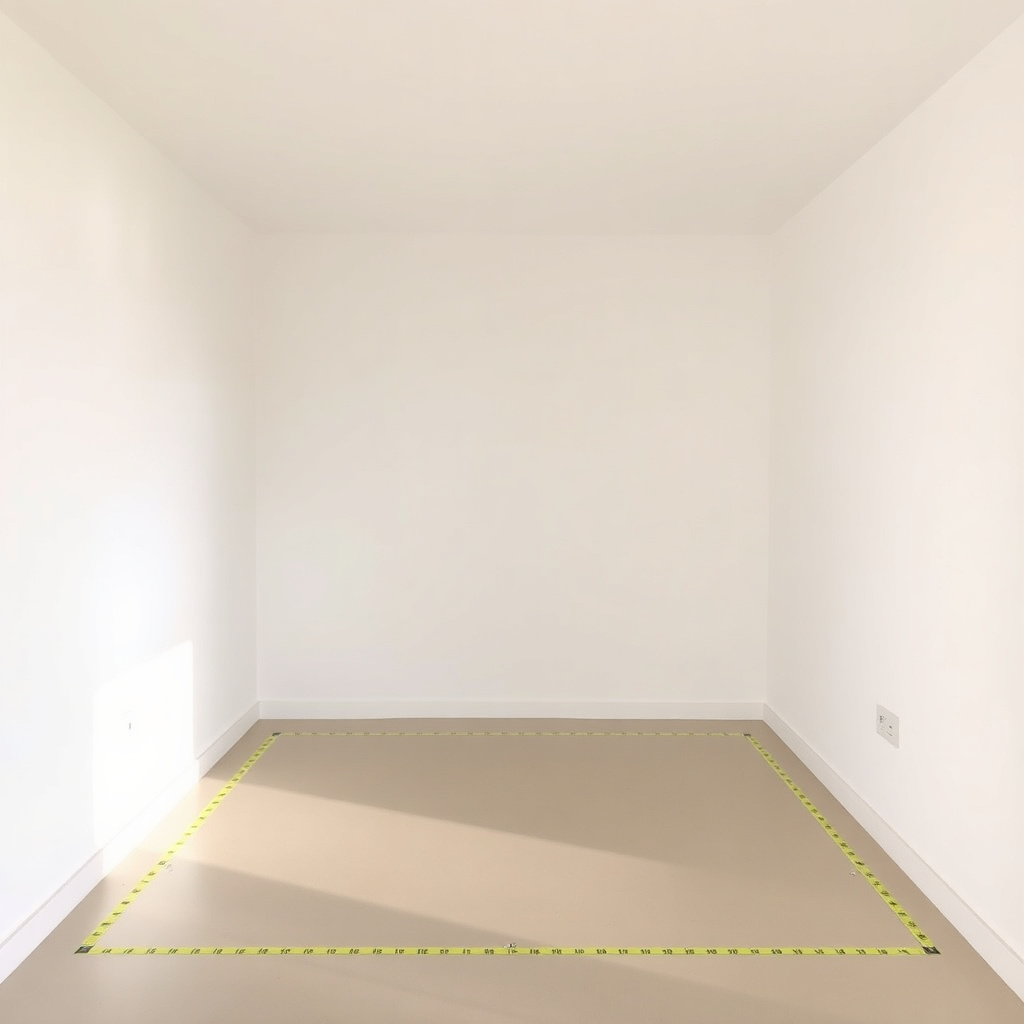
Selecting the correct space depends on the number of plants you intend to grow and your equipment needs. A closet, spare bedroom, or basement can be converted into a grow room, but consider the area’s square footage and ceiling height to accommodate lights and plant growth.
Make sure the chosen area can be kept secure and has access to power for lights, fans, and environmental controls. Efficient use of vertical space with shelving or stacking may help boost capacity without expanding your footprint.
- Measure space dimensions before buying equipment
- Allow clearance for lights and ventilation
- Consider humidity and temperature control access
Electrical and Water Accessibility
Reliable electrical access is essential to safely power grow lights, fans, and pumps. It’s wise to have dedicated circuits to prevent overload and ensure stable operation. Be mindful of water availability for irrigation, as some setups require frequent watering or automated drip systems.
Plan for extension cords and power strips that are rated for indoor gardening use, and avoid overloading outlets to reduce fire risks. Water-resistant flooring or trays can help manage spills and moisture.
- Use grounded outlets and avoid daisy-chaining cords
- Place waterproof containers under plants
- Allow for drainage if using hydroponic systems
Lighting Systems for Grow Rooms
Types of Grow Lights
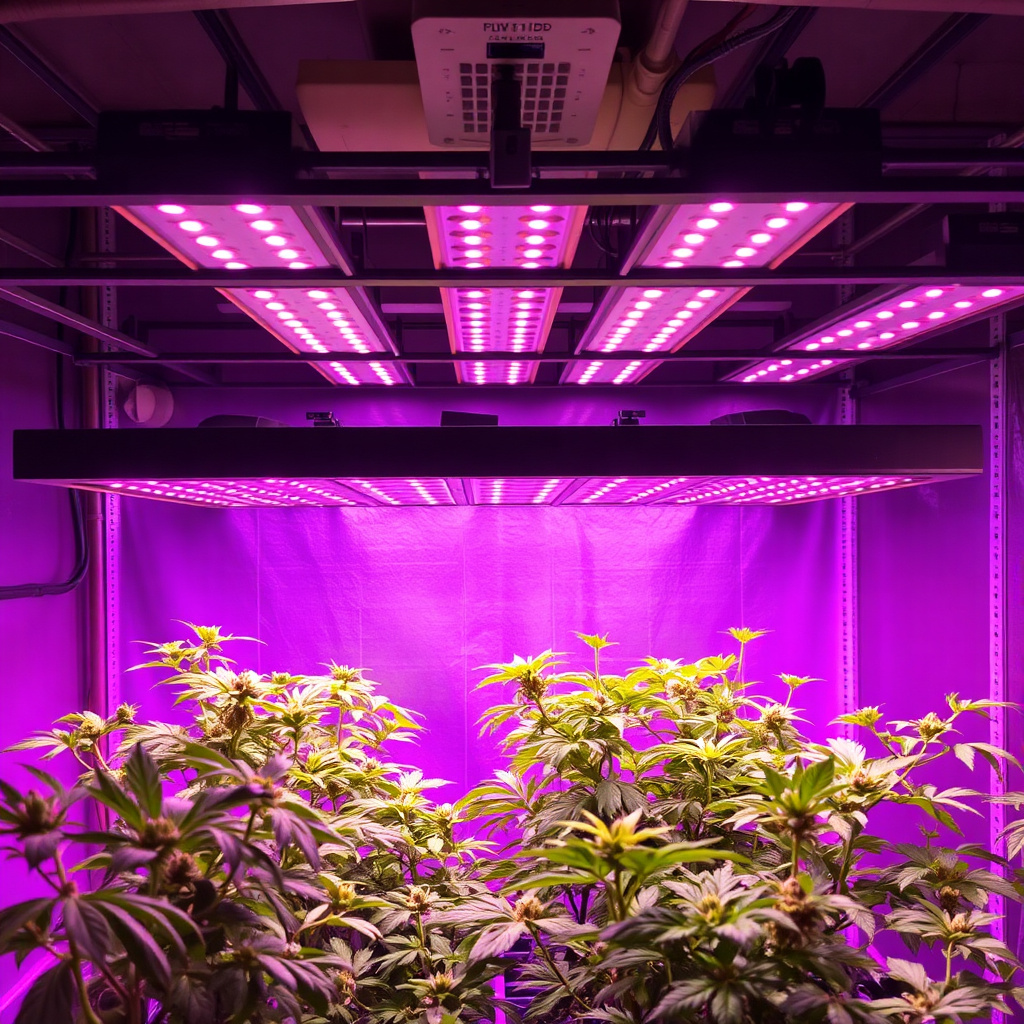
LED, fluorescent, and high-intensity discharge (HID) lights are common options for grow rooms. LEDs are energy-efficient with low heat output and customizable spectra. HID lights like metal halide or high-pressure sodium provide strong intensity but generate heat requiring careful management.
Fluorescent lights are suitable for young plants or clones with lower energy consumption but less penetration. The choice depends on plant type, growth stage, and budget.
- LEDs offer long lifespan and spectrum control
- HID lights are powerful but hotter
- Fluorescents are cost-effective for seedlings
Lighting Setup and Timing
Arrange lights to evenly cover plants while preventing light burn or shadow zones. Reflective walls or materials like Mylar can optimize light distribution. Maintain an adjustable height mechanism to accommodate plant growth stages.
Set timers to mimic natural day length, typically 18 hours of light for vegetative growth and 12 hours during flowering. Consistent light cycles help plants develop according to their strain’s requirements.
- Use timers to automate light cycles
- Keep lights 12-24 inches above plant canopy
- Maximize reflective surfaces to reduce waste
Ventilation and Climate Control
Air Circulation and Exhaust Systems
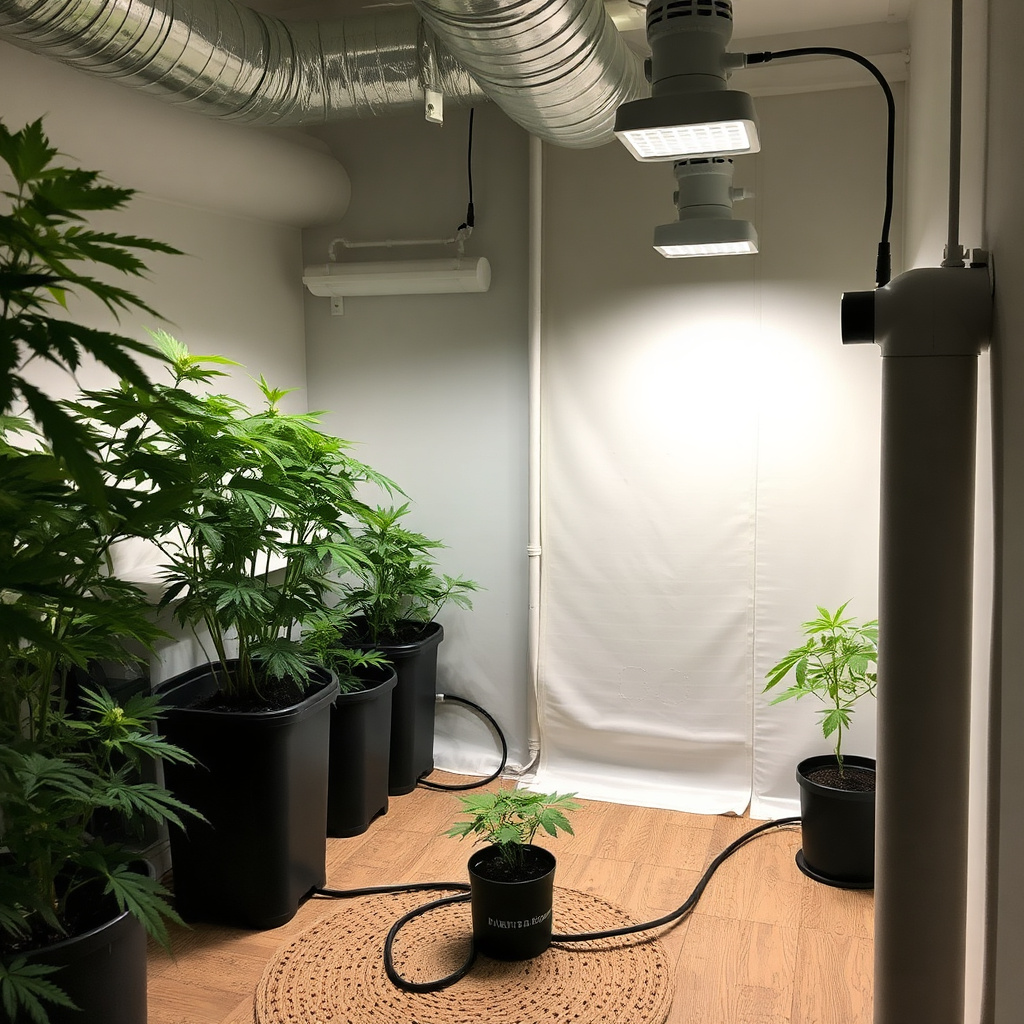
Proper airflow prevents mold, pests, and stagnant air. Installing an inline exhaust fan helps remove hot air and replenish fresh oxygen. Oscillating fans circulate air within the room, strengthening plant stems and reducing disease risks.
Use carbon filters on exhausts to control odors if necessary. Air intake should be passive or actively ventilated to maintain fresh air exchange.
- Install exhaust fan rated for room size
- Use oscillating fans for internal circulation
- Include carbon filters for odor control
For more on this, see our related guide: Cannabis Growing Temperature and Humidity: How to Optimize Conditions for Healthy Plants.
Temperature and Humidity Management
Maintain temperatures between 70°F and 85°F depending on growth stage; cooler temps during flowering promote bud density. Humidity should be 40-60% for vegetative phases and reduced to 40-50% during flowering to avoid mold.
Use humidifiers, dehumidifiers, and thermostats to regulate the environment. Monitoring with hygrometers and thermometers placed at canopy level ensures accurate readings.
- Keep temperature stable within recommended range
- Adjust humidity to growth phases
- Monitor environment with appropriate sensors
Setting Up Growing Medium and Containers
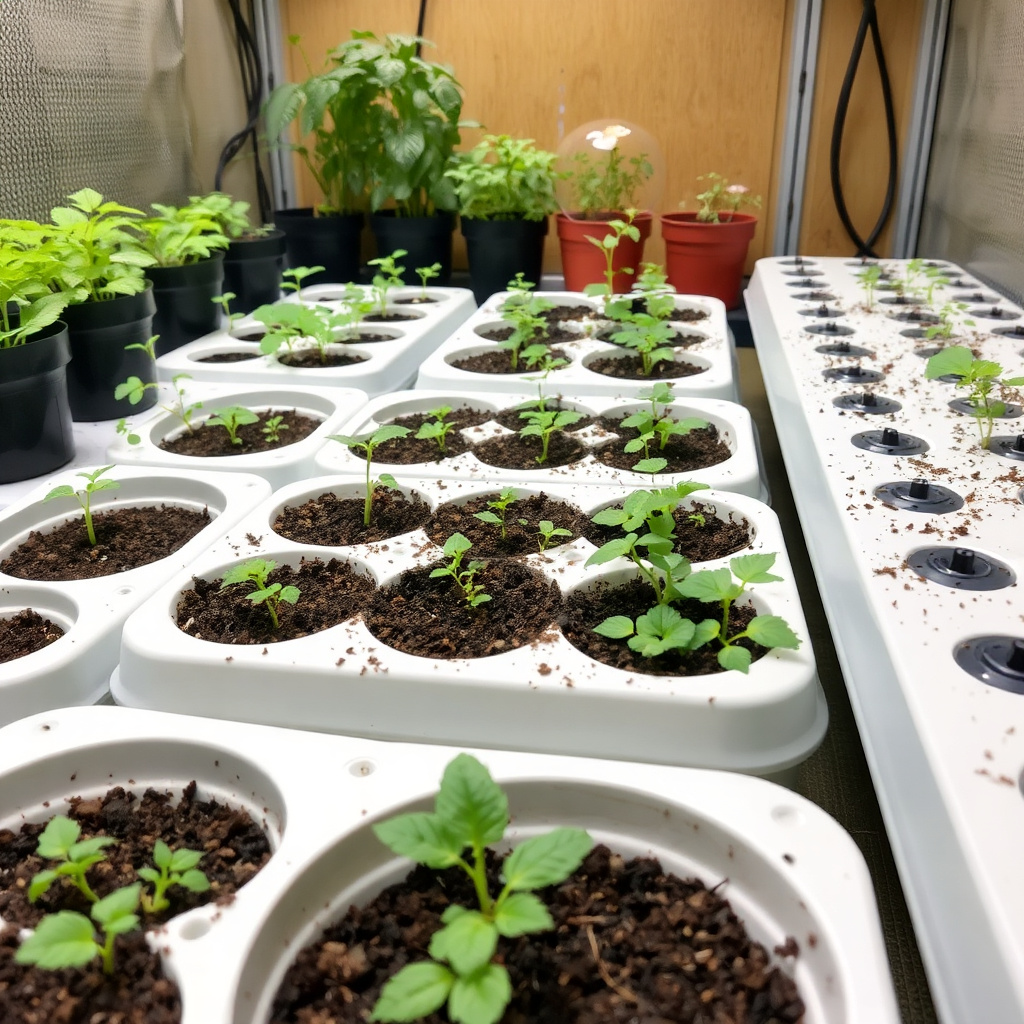
Selecting Soil or Soilless Mediums
Soil remains popular for ease and natural nutrient availability, with quality potting mixes designed for indoor plants. Soilless mediums like coco coir or peat mixes improve drainage and aeration, supporting root health.
Hydroponic setups use inert mediums such as rockwool or clay pellets combined with nutrient solutions, offering faster growth rates but requiring more monitoring.
- Use high-quality potting soil for beginner setups
- Consider coco coir for better water retention
- Explore hydroponics for advanced growing
Container Types and Drainage
Choose containers like fabric pots, plastic pots, or trays with adequate drainage holes to prevent root rot. Fabric pots improve oxygen flow and drainage, while heavy plastic pots retain moisture longer.
Selecting the right container size avoids root binding and allows for plant growth. Use saucers or trays to catch runoff and keep the grow room clean.
- Prefer containers with multiple drainage holes
- Fabric pots improve air pruning of roots
- Match container size to plant growth stage
Nutrient Delivery and Watering Techniques
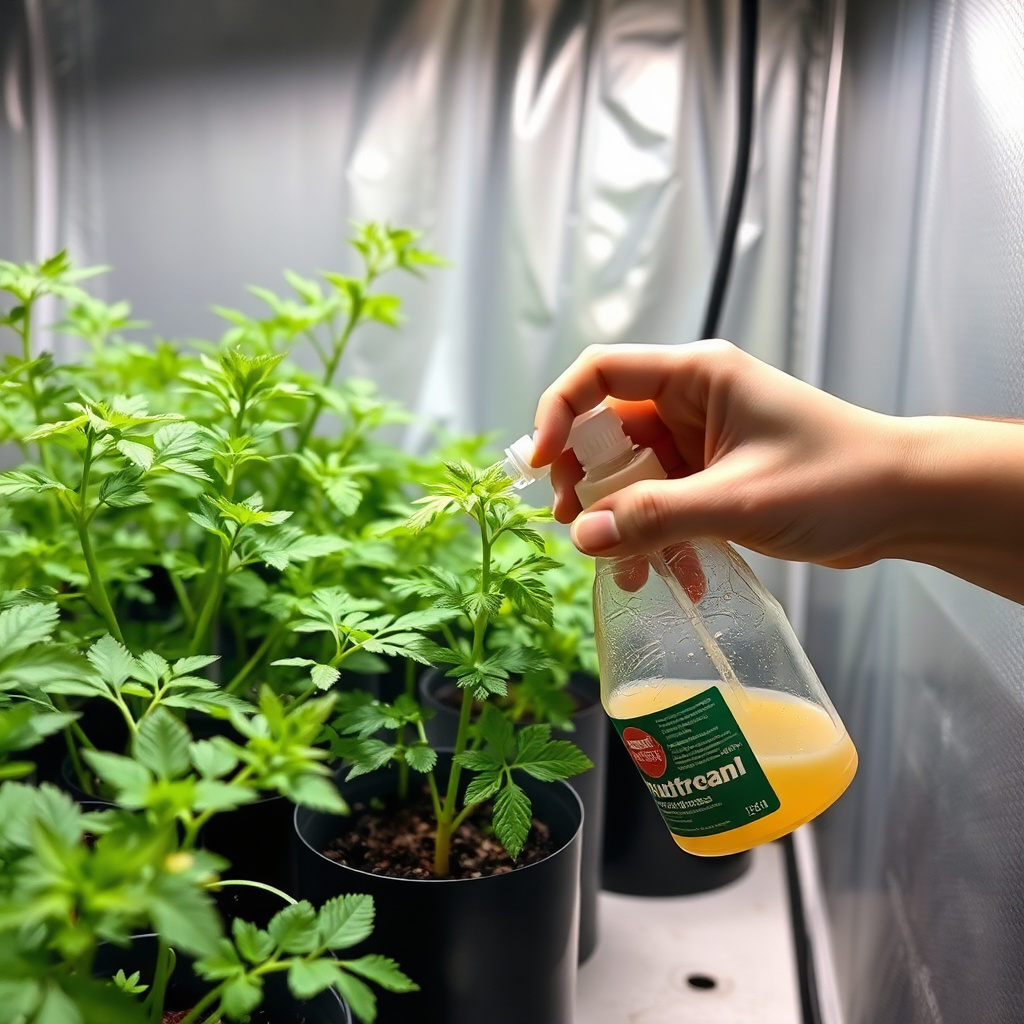
Choosing Fertilizers and Nutrients
Plants require balanced nutrients—nitrogen, phosphorus, potassium, and trace minerals. Use fertilizers formulated for the specific growth stage, like higher nitrogen in vegetative phases and higher phosphorus for flowering.
Organic or synthetic nutrient options exist; select based on personal preference, plant type, and growing medium. Overfeeding leads to nutrient burn, so follow recommended dosing.
- Adjust NPK ratio per growth phase
- Start nutrients at half strength in new setups
- Monitor plant response and adjust feeding
For more on this, see our related guide: Cannabis Plant Light Requirements: How to Choose the Best Lighting for Growth.
Watering Schedules and Methods
Water plants only when the top soil feels dry to avoid root problems. Overwatering suffocates roots and encourages pests. Use pH-balanced water to improve nutrient uptake.
Automated drip irrigation systems can maintain consistent moisture levels. Hand watering allows close monitoring but requires routine attention.
- Check soil moisture before watering
- Maintain water pH between 6.0 and 7.0
- Consider drip irrigation for consistency
Grow Room Maintenance and Troubleshooting
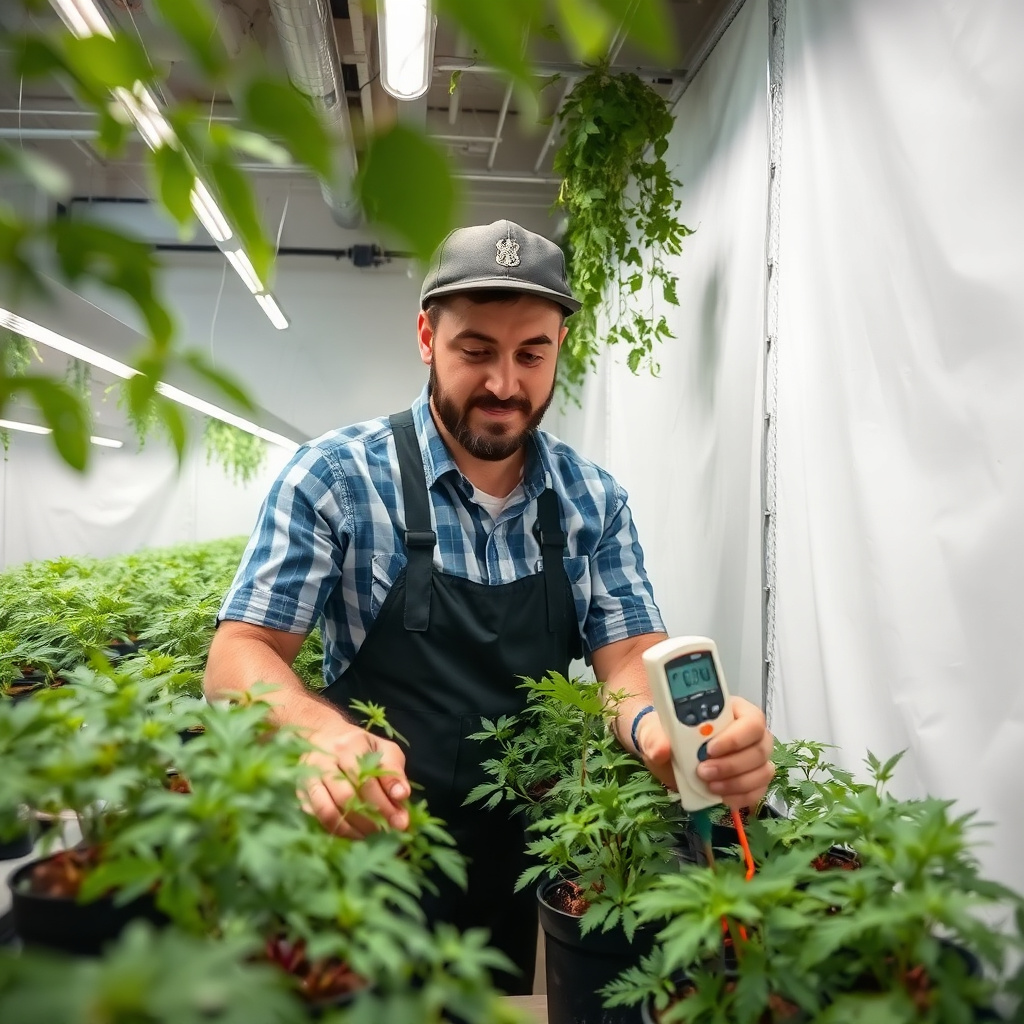
Regular Cleaning and Pest Prevention
Keep your grow room clean to prevent mold, pests, and infections. Remove dead leaves and sanitize tools and surfaces regularly. Sticky traps and beneficial insects can help manage pests.
A tidy environment reduces the risk of costly problems and supports healthy plant growth over the entire cycle.
- Sanitize pots and tools frequently
- Use pest traps and natural predators
- Remove waste and debris promptly
For additional insights on indoor gardening techniques, the indoor gardening guide offers detailed background and practical tips. indoor gardening guide.
Monitoring Plant Health and Adjustments
Watch for signs of nutrient deficiencies, pests, or diseases. Leaf discoloration, wilting, or unusual spots warrant immediate attention. Adjust light intensity, humidity, or feeding schedules based on plant response.
Routine observations and logging help track growth progress and diagnose issues early, preventing yield loss.
- Inspect leaves daily for abnormalities
- Adjust environmental conditions as needed
- Keep a grow journal for tracking
Grow Room Setup Category Comparison
This table compares common grow room setups to help you decide which suits your indoor gardening needs based on size, complexity, and cost.
| Setup Type | Space Requirement | Equipment Cost | Maintenance Level | Ideal For |
|---|---|---|---|---|
| Basic Closet Setup | Small (2-4 sq ft) | $100-$300 | Low | Beginners, small plants |
| Spare Room Conversion | Medium (20-50 sq ft) | $500-$1500 | Medium | Moderate yield, hobbyists |
| Hydroponic System | Variable (10-40 sq ft) | $1000-$3000 | High | Advanced growers, fast growth |
| Commercial Grow Room | Large (100+ sq ft) | $10,000+ | High | Professional cultivation |
Frequently Asked Questions
How often should I water plants in a grow room?
Water plants when the top inch of soil feels dry, typically every 2-3 days. Frequency depends on plant type, container size, and environmental conditions inside the grow room.
What is the best lighting schedule for a grow room?
Most plants thrive with 18 hours of light and 6 hours of darkness during the vegetative stage, switching to 12 hours of light and 12 hours of darkness during flowering for optimal growth.
How do I control temperature and humidity effectively?
Use exhaust fans, oscillating fans, humidifiers, and dehumidifiers as needed. Monitor with reliable sensors to maintain temperature between 70-85°F and humidity between 40-60% varying by growth phase.
Can I grow different plant types in the same grow room?
While it's possible, different plants have specific lighting and environmental needs that may conflict. Group plants with similar requirements to optimize growth and reduce complications.
What are common pests in grow rooms and how can I prevent them?
Common pests include spider mites, aphids, and fungus gnats. Prevention involves cleanliness, quarantine of new plants, proper ventilation, and use of natural predators or pest traps.
Key Takeaways
- Start with a suitable space that can handle electrical and water needs
- Choose lighting and ventilation systems based on plant type and room size
- Monitor temperature and humidity closely throughout growth stages
- Maintain cleanliness and watch plants regularly to prevent problems
Conclusion
Setting up a grow room demands careful planning across several factors including space selection, lighting, ventilation, and environmental controls. A successful grow room balances these elements to create conditions that match the plants’ natural habitat, thereby supporting healthy development and maximizing yield. Attention to detail during setup and ongoing maintenance ensures your indoor garden thrives.
For beginners seeking simplicity, a basic closet setup using LED lights and simple ventilation can be effective for small plant quantities. Intermediate gardeners might expand to a spare room with better environmental control systems and more advanced nutrient management. Those wanting faster growth or higher yields may prefer hydroponic systems despite their complexity and maintenance demand. Evaluating your goals, budget, and available space will help choose the right approach.
Once your grow room is established, focus on monitoring environmental factors like temperature and humidity, adhering to proper watering schedules, and maintaining cleanliness to avoid pests and diseases. By consistently tracking plant health and adjusting care, you'll increase your chances of a robust harvest. Exploring further techniques and growing strategies can refine your setup as you gain experience.