Are Cannabis Seeds Legal to Plant? Understanding the Laws and Regulations
Cannabis seeds' legality to plant varies widely depending on your country, state, or local jurisdiction. In some places, planting cannabis seeds for recreational or medical use is legal under regulated conditions, while in other areas, it remains entirely illegal or allowed only with strict licensing. Knowing the exact legal status where you live before planting is essential to avoid potential legal trouble.
This matters because the consequences of unlawfully planting cannabis seeds can range from fines to criminal charges. Conversely, in places where it’s legal, understanding the rules helps you comply with limits on plant numbers, types of cannabis permitted, or licensing requirements. The distinction between possessing seeds and planting them is critical since laws often treat these actions differently.
This article explains the complexity of cannabis seed legalities, covering how laws differ worldwide and in the United States, what legal restrictions typically apply, and tips for complying with regional regulations when considering planting cannabis seeds.
Understanding Cannabis Seed Legal Status Worldwide

Countries with Legal Cannabis Seed Planting
Some countries have legalized the planting of cannabis seeds either for medical or recreational use. Nations like Canada and Uruguay allow adults to grow cannabis plants legally under specified limits, often including restrictions on the number of plants per household.
In these legal environments, purchasing seeds, planting, and cultivating cannabis is regulated but permitted. However, even in legal countries, there are often rules about where and how growing can occur to prevent unauthorized distribution.
- Canada: Adults can legally grow up to four cannabis plants per household
- Uruguay: Citizens can cultivate up to six plants for personal use
- The Netherlands: Though cannabis is tolerated, commercial cultivation is illegal
Countries with Restricted or Illegal Cannabis Seed Use
Many countries strictly forbid planting cannabis seeds, with penalties ranging from fines to imprisonment. Some nations may permit possession of seeds but prohibit germination or cultivation.
These laws often aim to combat illicit drug use and trafficking. Even where seeds can be purchased legally as collectibles or souvenirs, planting them might still be prohibited under local narcotics regulation.
- Several Asian and Middle Eastern countries enforce harsh penalties against cultivation
- Most of Eastern Europe restricts seed planting despite varying possession laws
- In parts of Africa, legal frameworks are evolving but often remain restrictive
Cannabis Seed Laws in the United States

States Where Planting Cannabis Seeds Is Legal
Several U.S. states have legalized cannabis cultivation for medical or recreational purposes, allowing residents to plant seeds within limits. States like California, Colorado, and Oregon permit adults over 21 to cultivate cannabis plants, usually capping the number to four or six per household.
These laws include registration requirements or restrictions on outdoor growing. It’s crucial to check state-specific and municipal codes to confirm compliance before planting any cannabis seeds.
- California: Up to six plants per residence allowed for adults 21+
- Oregon: Four mature plants and four seedlings permitted for personal use
- Colorado: Adults may cultivate up to six plants, with no more than three mature
For more on this, see our related guide: Are Cannabis Seeds Legal in the USA? Understanding the Legal Landscape.
States with Strict Prohibitions
Many states maintain federal prohibitions on cannabis cultivation, making seed planting illegal at the state and federal levels. In these areas, possessing seeds might be legal in some contexts, but germinating or growing the plants is punishable.
Some states impose civil penalties or misdemeanor charges for illegal cultivation, emphasizing zero tolerance outside the legal jurisdictions.
- Idaho and Nebraska: cannabis cultivation remains illegal
- Wisconsin: seizures and penalties for unauthorized cultivation
- Some southern states impose strict farming prohibitions
Legal Nuances Between Possession, Buying, and Planting Cannabis Seeds

Possession vs. Planting Seeds
Many laws distinguish between possessing cannabis seeds and planting them. Owning seeds might be legal if un-germinated, often for collection or sale purposes, yet planting them can cross into illegal cultivation territory.
This separation means you might legally purchase or possess seeds in some places, but once you germinate or grow, you may face penalties if the law forbids cultivation.
Legal Status of Selling and Transporting Seeds
Selling cannabis seeds is often regulated differently from planting or possession. Some jurisdictions permit seed sales only under specific licenses or for medicinal programs.
Transporting seeds across state or international borders can also be illegal, subject to drug trafficking laws, even if seeds are legal at origin and destination points.
Regulations and Restrictions on Planting Cannabis Seeds

Plant Limits and Licensing Requirements
When planting cannabis seeds is allowed, jurisdictions often impose strict limits on the number of plants per person or household. These caps help regulate supply and prevent commercial-scale illegal growth.
In some places, licenses or permits may be required even for personal cultivation, especially when growing for medicinal purposes or participation in a state registry.
- Plant count limits ranging from 2 to 6 plants per household
- Mandatory registration with local authorities in some states
- Restrictions on plant visibility from public areas
For more on this, see our related guide: Cannabis Cultivation Laws by State: What You Need to Know in 2024.
Environmental and Safety Regulations
Some regions enforce rules regarding where cannabis can be grown, including indoor-only cultivation mandates or prohibitions on outdoor growing to avoid public exposure or theft.
Safety regulations can include security measures such as locked enclosures or surveillance to reduce illegal access and protect neighboring properties from airborne odors or visual exposure.
- Indoor-only cultivation in densely populated areas
- Childproof fencing or locked growing areas
- Odor containment technologies encouraged or required
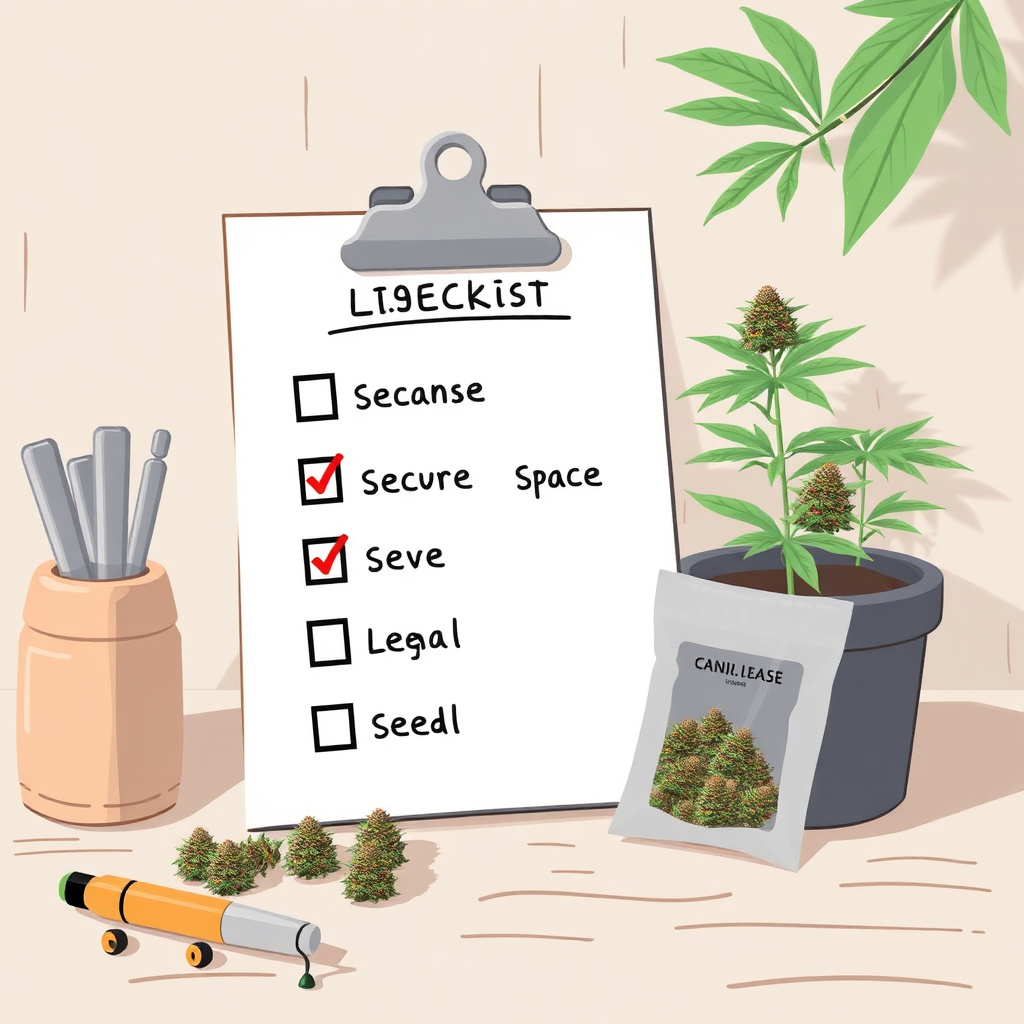
Tips for Legal Compliance When Planting Cannabis Seeds
Researching Local Laws Thoroughly
Before planting cannabis seeds, consult your local government websites for updated legislation and municipal codes covering cannabis cultivation. Laws can change frequently, so verifying current regulations is vital.
Contacting local authorities or legal counsel can also clarify ambiguous areas and confirm whether permits or registrations are needed.
- Check state and local regulations
- Monitor changes in cannabis laws regularly
- Consult legal professionals if unsure
For a comprehensive overview of cannabis laws globally, see this detailed Cannabis laws overview. Cannabis laws overview.
Safe and Secure Growing Practices
Following recommended safety guidelines helps maintain compliance and avoid complaints or penalties. This includes securing plants, limiting visibility, and managing odor control.
Implementing these measures not only respects neighbors but also aligns with many legal frameworks, reducing risk of enforcement actions.
- Use locked grow rooms or fences
- Employ carbon filters for odor control
- Keep cultivation areas private and discreet
Comparison of Cannabis Seed Planting Legal Categories
Here’s a comparison of different categories of cannabis seed planting legality to help clarify the distinctions between various legal frameworks.
| Category | Legal Status | Plant Limits | Licensing Required | Notes |
|---|---|---|---|---|
| Fully Legalized (e.g., Canada) | Allowed | Up to 4-6 plants per household | No for personal use | Regulated adult use, some restrictions on outdoor growing |
| Medical Only (e.g., Some US States) | Allowed with conditions | 2-6 plants depending on state | Yes, often registration needed | Only registered patients or caregivers allowed to grow |
| Illegal (e.g., Idaho) | Prohibited | None | Not applicable | Severe penalties for planting, some states allow no possession |
| Decriminalized Possession (e.g., Netherlands) | Possession allowed but planting illegal | None | Not applicable | Seeds sold openly but cultivation is restricted or illegal |
| Licensed Commercial Only (e.g., Uruguay) | Restricted to licensed growers | Varies | Mandatory licensing | Personal cultivation allowed with strict limits |
Frequently Asked Questions
Can I buy cannabis seeds legally even if planting is illegal?
In some places, buying cannabis seeds is legal for collection or souvenir purposes, but planting them remains illegal. Always check local laws to understand restrictions on seed use.
Do I need a license to plant cannabis seeds at home?
Licensing requirements depend on location. Some states require a permit or registration for home cultivation, especially for medical cannabis, while others do not.
Are there penalties for possessing cannabis seeds without planting them?
Penalties vary widely. In some areas, mere possession of cannabis seeds can be illegal, while others have no penalties if seeds are un-germinated.
Is it legal to transport cannabis seeds across state lines?
Since cannabis remains federally illegal in the U.S., transporting seeds across state lines is generally prohibited and may lead to legal issues, regardless of state laws.
How many cannabis plants am I allowed to grow legally?
Plant limits vary by jurisdiction, commonly between 2 and 6 plants per household or adult. Exceeding these limits can lead to fines or criminal charges.
Key Takeaways
- Cannabis seed planting legality varies greatly depending on region and jurisdiction
- Many places allow possession of seeds but prohibit germination or cultivation
- Plant limits and licensing are common restrictions where planting cannabis is legal
- Research local and state cannabis seed planting laws to stay compliant
Conclusion
Determining if cannabis seeds are legal to plant requires careful attention to the specific laws and regulations in your area. Since the legal status varies from full legalization to total prohibition, confirming local, state, and national regulations is essential before planting. Understanding how these laws distinguish between possessing seeds, buying them, and actual cultivation helps avoid legal complications and potential penalties. A cautious approach involves always verifying current cannabis seed planting laws with official local sources or legal experts.
For those in jurisdictions permitting cannabis seed planting, following plant limits and licensing requirements carefully allows legal cultivation for personal or medical use. Places like California and Colorado provide clear frameworks for adults to grow a small number of plants, while others require registration or restrict outdoor growing. In contrast, regions where planting remains illegal call for refraining from germinating seeds despite possible possession allowances. Knowing where your state or country fits on this spectrum guides responsible and law-abiding behavior.
If you are considering planting cannabis seeds, start by reviewing the rules where you live. Prioritize legal compliance by obtaining any necessary licenses, adhering to plant count restrictions, and implementing secure cultivation practices. Staying informed about evolving cannabis laws helps adapt to new regulations and protects you from facing legal risks. For reliable information on cannabis laws and cultivation standards, consult official government resources or trusted legal advisory organizations.