Understanding What a Hemp License Is and How to Obtain One
A hemp license is an official authorization issued by a state or federal agency allowing individuals or businesses to legally grow, cultivate, or process industrial hemp. This license is essential because hemp is regulated to ensure compliance with legal THC limits and to prevent illegal cannabis production. Without it, growing or handling hemp could result in fines or criminal charges.
Hemp’s resurgence in agriculture comes with strict regulatory oversight. States and the USDA require hemp licenses to monitor crops, enforce testing, and maintain public safety. Obtaining a hemp license ensures your operations meet federal and state guidelines, protecting your business and the surrounding community.
This article will explain what a hemp license covers, the typical application process, key legal requirements, and the differences between state and federal licensing. You’ll also learn about compliance inspections and how a hemp cultivation permit fits into the overall regulatory landscape.
What a Hemp License Covers

Legal Permissions Granted by a Hemp License
A hemp license grants legal permission to plant, cultivate, harvest, and sometimes process industrial hemp. This license regulates the THC concentration, typically limiting it to 0.3% on a dry weight basis to distinguish hemp from marijuana. Without this, any hemp cultivation may be classified as illegal cannabis production.
The license often defines the scope of activities allowed, such as seed supplier operations, biomass production, or hemp-derived product manufacturing. The scope depends on the issuing authority’s regulations and the applicant’s business model.
- Cultivation of hemp plants
- Harvesting allowed within regulatory THC limits
- Processing or manufacturing permissions, if specified
- Transport and sale tracking requirements
Types of Hemp Licenses
There are different categories of hemp licenses based on the applicant’s role in the hemp industry. Common types include cultivation licenses, processing licenses, and seed dealer licenses. Each type comes with unique application requirements and operational restrictions.
Some states distinguish licenses further by farm size or whether the hemp is grown for fiber, grain, or cannabidiol (CBD) extraction. Application fees and renewal periods vary accordingly.
- Cultivation license for farmers
- Processor license for product manufacturers
- Seed dealer license for distributors
- Research licenses for universities or entities
How to Obtain a Hemp License
Application Process Overview
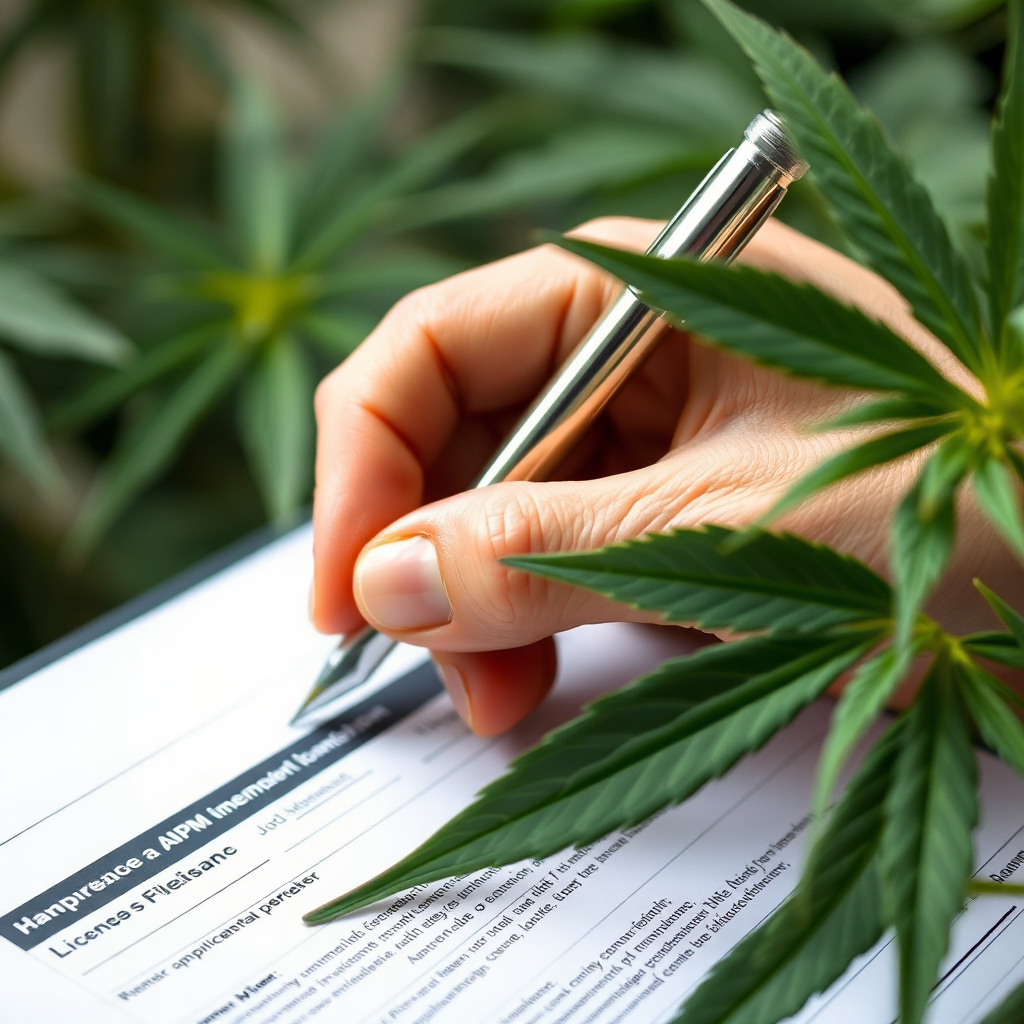
Obtaining a hemp license involves submitting an application to the relevant state department of agriculture or the USDA for federal licensing. Applicants must provide personal and business information, legal background checks, and details about the intended hemp operation.
The process requires a detailed description of land area, GPS coordinates, and a plan for maintaining THC compliance. Some states require fingerprinting and criminal background approval prior to issuance.
- Complete application form
- Provide land and operational details
- Submit fingerprints and background checks
- Pay fees and await review
Key Requirements and Documentation
Common documentation includes evidence of land ownership or lease, a site map showing cultivation areas, agreement to testing protocols, and sometimes proof of financial security. These help regulators monitor hemp production effectively.
Applicants must also agree to periodic testing of THC levels and allow inspections of growing sites to ensure ongoing compliance. Renewals are annual in most states, with updated documentation sometimes required.
- Land ownership or lease documents
- Detailed site maps with GPS
- Testing and inspection agreements
- Renewal and reporting commitments
Understanding Legal Regulations for Hemp Licenses
Federal vs. State Hemp Licensing Regulations
While the 2018 Farm Bill legalized hemp federally, states retain authority to implement their own hemp programs. This means most growers must comply with both federal and state regulations, which can vary significantly.
A federal hemp license through the USDA provides a baseline, but many states require separate state licenses. In some cases, the state program supersedes the federal one if approved, requiring applicants to check both frameworks carefully.
- Federal USDA hemp program details
- State-specific regulatory variations
- Coordination between state and federal oversight
- Licensing authority differences
For more on this, see our related guide: Are Cannabis Seeds Legal in the USA? Understanding the Legal Landscape.
THC Testing and Compliance
Hemp licensees must regularly test crops to verify THC levels do not exceed legal limits. Testing is performed by state-approved labs and results must be submitted to regulatory agencies.
Non-compliant crops exceeding 0.3% THC must be destroyed or remediated. Strict compliance ensures hemp remains distinguishable from marijuana to law enforcement and consumers.
- Regular mandatory THC testing
- Use of state-certified labs
- Crop destruction policies for violations
- Record keeping of test results
Costs and Fees Associated with Hemp Licensing

Typical Application and Renewal Fees
Application fees for hemp licenses range widely depending on state and license type, generally from $50 up to several hundred dollars. Renewal fees usually mirror initial application costs.
Some states include additional charges for background checks or mandatory THC testing, which growers should factor into their budget plans.
- Initial application fees
- Annual renewal fees
- Background check charges
- Testing fees supplements
Hidden Costs to Consider
Beyond license fees, applicants should anticipate costs like crop destruction if THC levels spike, the expense of specialized seed, security measures for production sites, and compliance record-keeping.
Investing in quality testing, professional consultation, and legal advice can mitigate risks but add to operating expenses. Budgeting for these aspects helps maintain long-term compliance.
- Crop destruction expenses
- Security and fencing
- Compliance software or services
- Legal consultations
Hemp License Renewals and Inspections
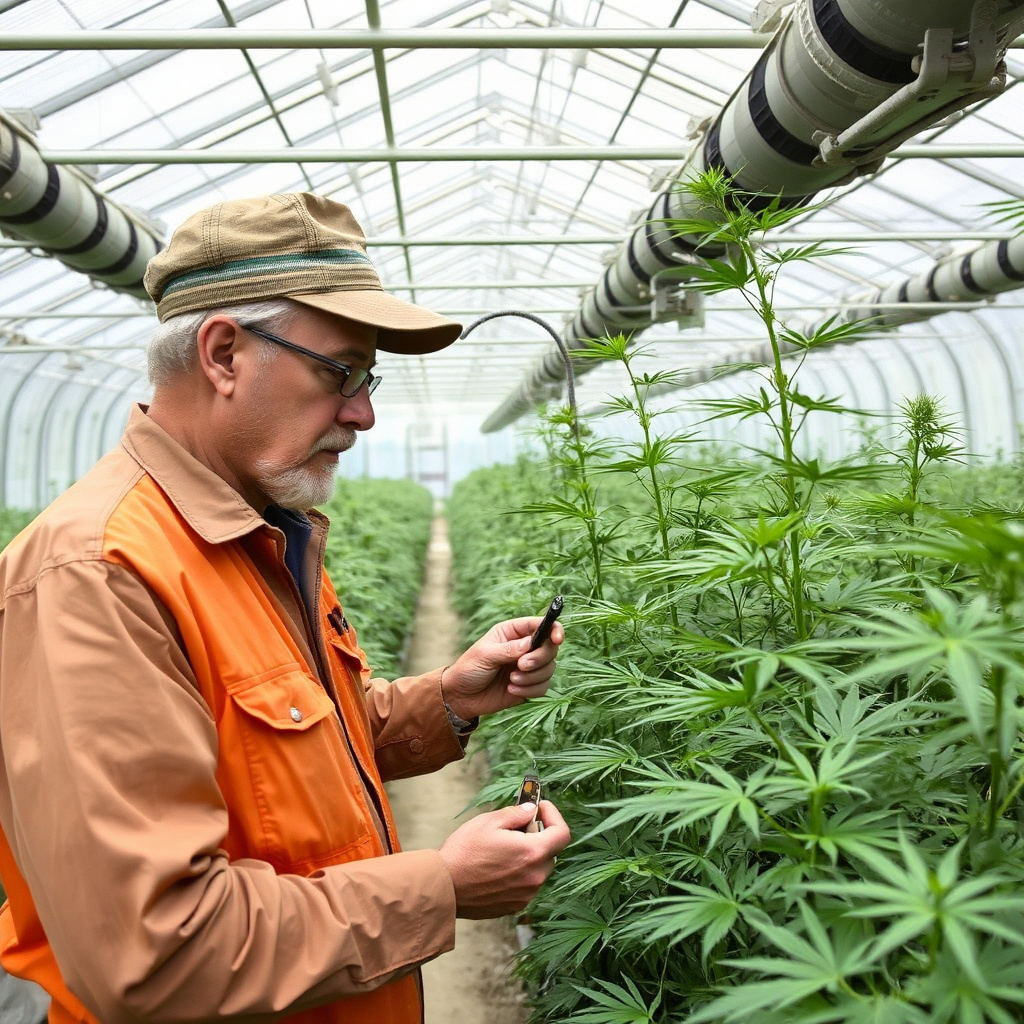
Renewal Process and Timing
Most hemp licenses require annual renewal with updated paperwork, fee payment, and sometimes a review of compliance history. Missing renewal deadlines can halt operations or lead to penalties.
Renewals may also include updated background checks or site inspections before approval to continue growing hemp legally.
- Annual renewal deadlines
- Updated application forms
- Fee payment requirements
- Compliance history review
For more on this, see our related guide: What Are Cannabis Seeds? A Detailed Guide to Understanding Cannabis Seeds.
Inspection Procedures and What to Expect
Regulators carry out site inspections during the growing season to verify licensee compliance with cultivation plans and THC testing requirements. Inspectors may take random samples and check record accuracy.
Preparing for inspections with organized documentation and clearly marked growing areas can streamline the process and reduce regulatory friction.
- Scheduled and random inspections
- Sample collection for THC testing
- Documentation review
- Compliance enforcement actions
Differences Between Hemp Licenses and Marijuana Licenses
Regulatory Scope Differences
Hemp licenses focus on plants with less than 0.3% THC, while marijuana licenses cover higher THC cannabis production for recreational or medicinal use. The legal frameworks and application standards vary accordingly.
Marijuana licensing usually involves stricter security rules, zoning restrictions, and different tax structures compared to hemp, reflecting the different federal statuses of these plants.
- THC concentration limits
- Purpose of cultivation
- Security and zoning requirements
- Tax and legal distinctions
For additional background on hemp legislation and licensing in the U.S., you can refer to Hemp in the United States on Wikipedia. Hemp in the United States on Wikipedia.
Application and Compliance Variations
Applications for marijuana licenses are often more complex and costly, with detailed security and tracking systems mandated. Hemp licensing is generally more lenient but still requires compliance with testing and reporting.
The different markets served by these licenses affect operational requirements, with hemp oriented toward industrial uses and marijuana more about consumer product regulation.
- Detailed security protocols for marijuana
- Simpler compliance for hemp cultivation
- Different market target regulations
- Cost and complexity considerations
Hemp License Category Comparison
This table summarizes key differences among common hemp license types in scope, cost, and regulatory requirements.
| License Type | Scope of Permission | Typical Cost Range | Testing & Compliance Requirements |
|---|---|---|---|
| Cultivation License | Grow hemp plants for fiber, grain, or CBD | $50 – $300 annually | Mandatory THC testing and site inspections |
| Processing License | Convert hemp into products such as oils or fiber | $150 – $500 annually | Product testing and processing facility inspections |
| Seed Dealer License | Distribute hemp seeds for planting | $100 – $400 annually | Seed quality certification and reporting |
| Research License | Conduct hemp-related research activities | $0 – $200 depending on institution | Strict reporting but often exempt from commercial testing |
Frequently Asked Questions
Why do I need a hemp license?
A hemp license is required by law to ensure your hemp cultivation or processing meets legal THC limits and regulatory standards, protecting you from legal penalties.
Can I use a hemp license to grow marijuana?
No, hemp licenses only cover plants with THC content under 0.3%. Growing marijuana requires a separate license due to its higher THC levels and different regulations.
How long does it take to get a hemp license?
Processing times vary by state but typically range from a few weeks to a couple of months, depending on the completeness of your application and background checks.
What happens if my hemp tests above 0.3% THC?
If testing shows THC above the legal limit, you usually must destroy the crop to comply with laws and avoid fines or license suspension.
Do I need separate licenses for cultivation and processing?
Often yes, cultivation and processing require different licenses with distinct application processes and operational rules.
Are federal hemp licenses enough if my state has its own program?
In many states with USDA-approved programs, you must have the state license rather than or in addition to a federal one to legally operate.
Key Takeaways
- A hemp license legally authorizes hemp cultivation or processing with strict THC limits.
- State and federal regulations differ; most growers need a state-issued hemp license.
- The licensing process involves submitting detailed applications, testing agreements, and fees.
- Renewals and inspections are mandatory for ongoing compliance and legal operation.
Conclusion
Understanding what a hemp license entails is critical for anyone looking to legally grow or process industrial hemp. The licensing system exists to regulate THC content, maintain public safety, and ensure that hemp farming aligns with federal farm laws and state agricultural policies. Approaching the process armed with clear knowledge of the application steps, required documentation, and ongoing compliance will help you set a strong foundation for your hemp-related enterprise.
If you plan to cultivate hemp primarily for fiber or grain, a cultivation license is your go-to option. For those focusing on creating hemp-derived products like CBD oils, securing both cultivation and processing licenses may be necessary. Seed dealers and researchers have specialized licensing paths tailored to their specific roles. Since state programs vary, reviewing your local agricultural department’s hemp program details will steer you towards the exact licenses and application procedures.
Starting your hemp venture involves more than just acquiring a license—it’s about maintaining compliance through proper THC testing, inspections, and timely renewals. After reading this guide, your practical next step is to visit your state’s official hemp program website, download the application forms, and begin collecting the required documentation. This proactive approach keeps your hemp business aligned with current regulations and positions you for success in this evolving agricultural sector.