What Are Hemp Seeds and Why Are They Popular?
Are you tired of trying countless superfoods that promise health benefits but leave you feeling unsure if they’re worth the hype? You’re not alone—many people struggle to find simple, effective ways to boost their nutrition.
Hemp seeds are nutrient-packed kernels from the Cannabis sativa plant, loved for their high-quality plant-based protein, essential fatty acids, and fiber. They support your heart, reduce inflammation, and boost energy, making them a healthy addition to various meals like smoothies and salads.
Plus, they’re sustainable, requiring fewer resources and helping soil health.
If you want to uncover more about their benefits, safety, and trendy uses, keep exploring how these tiny seeds are transforming nutrition worldwide.
Key Takeaways
- Hemp seeds are nutrient-dense kernels from Cannabis sativa, rich in protein, healthy fats, and fiber.
- They support heart health, reduce inflammation, and boost energy with their balanced nutritional profile.
- Their sustainability benefits include low resource needs and soil health improvement, making them eco-friendly.
- Versatile in meals like smoothies, salads, and baked goods, they are easy to incorporate into a healthy diet.
- Growing popularity is driven by their health benefits, plant-based protein, and sustainable food trends.
What Are Hemp Seeds and How Are They Made?
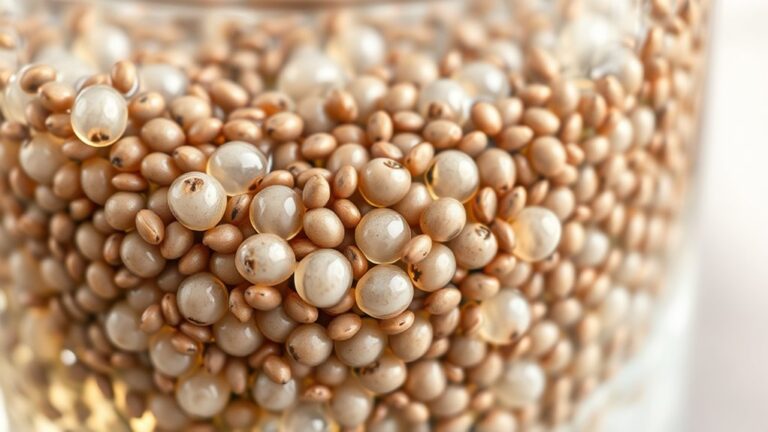
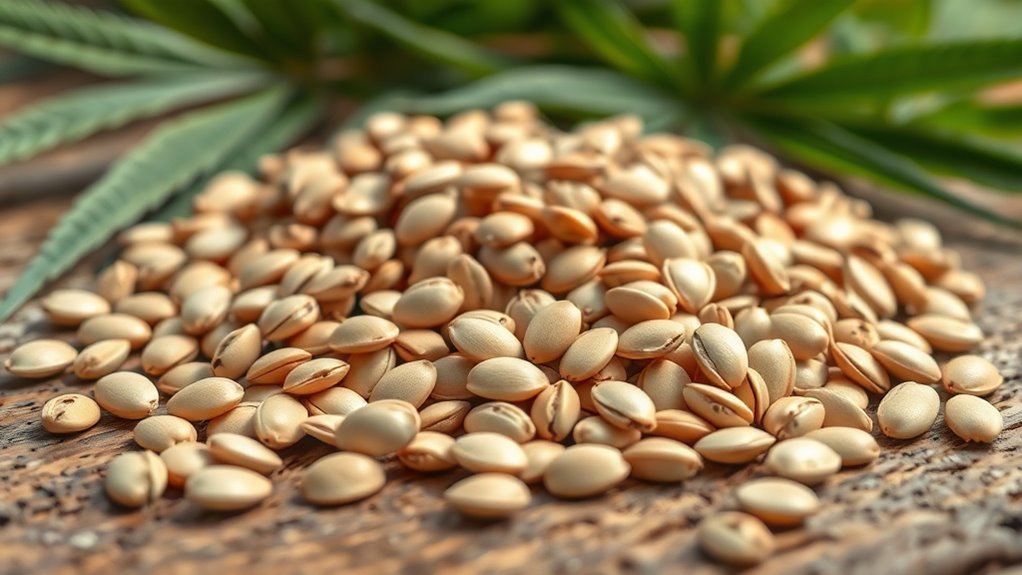
Hemp seeds are small, nutrient-rich kernels from the hemp plant, which is a variety of the Cannabis sativa species. You’ll find different types of hemp seeds, each varying in size, color, and how they grow.
Hemp seeds are tiny, nutrient-dense kernels from the Cannabis sativa plant, coming in various sizes and colors.
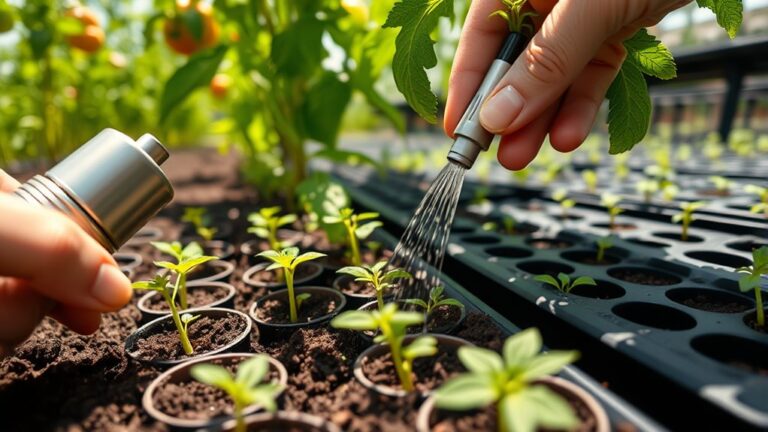
These seeds are made through hemp seed cultivation, where farmers carefully grow and harvest mature plants. The process involves choosing specific hemp strains suited for seed production and managing soil and environmental conditions to get the best yield.
Once the plants are ready, the seeds are harvested with equipment like combine harvesters. Afterward, they are cleaned and dried to prepare for use. Different hemp seed varieties may be grown for nutrition, oil extraction, or planting.
The quality and features of the seeds depend a lot on the farming techniques and the genetics of the plants. This careful process ensures the seeds are high quality, ready for various uses, and packed with potential health benefits.
What Nutrients Do Hemp Seeds Pack?
Hemp seeds are pretty amazing when it comes to nutrition. They’re packed with protein, which is great for supporting your muscles and overall health. Plus, they contain essential fatty acids like omega-3 and omega-6, which play a big role in keeping your brain and heart happy.
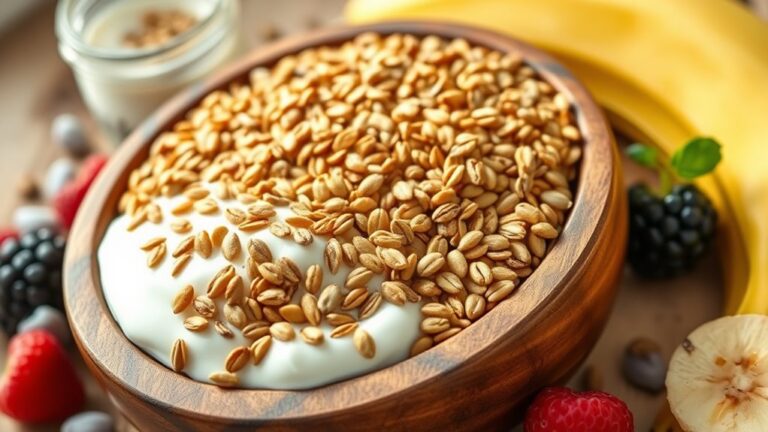
Adding hemp seeds to your diet is an easy way to boost your nutrient intake without much hassle. Just sprinkle them on your yogurt, toss them into a smoothie, or mix them into salads—it’s simple and tasty!
Rich Protein Content
Rich in plant-based protein, hemp seeds are a nutrient-packed addition to any diet. They contain all nine essential amino acids, making them a complete protein source.
When compared to other seeds and nuts, hemp seeds really stand out for their high protein content. You can easily add them to your meals by sprinkling on salads or blending into smoothies.
Here’s a quick look at their protein-related nutrients:
| Nutrient | Quantity per 3 tbsp | % Daily Value* |
|---|---|---|
| Protein | 10 grams | 20% |
| Edestin (protein) | High | — |
| Albumin (protein) | Moderate | — |
| Total Fat | 13 grams | 20% |
| Fiber | 1 gram | 4% |
*Based on a 2,000-calorie diet.
Essential Fatty Acids
Because they contain a rich profile of essential fatty acids, hemp seeds are a valuable addition to a balanced diet. These healthy fats support heart health, reduce inflammation, and promote brain function.
Hemp seeds are packed with omega-3 and omega-6 fatty acids, which your body can’t produce on its own. Their impressive nutritional profile means you get a natural source of these crucial nutrients in every serving.
Adding hemp seeds to your meals can help improve your overall dietary quality, especially if you’re looking for plant-based options. Their perfect balance of fatty acids makes them a superfood for maintaining peak health.
How Hemp Seeds Support Your Health and Wellness
If you’re looking to boost your overall health and wellness, incorporating hemp seeds into your diet can be a smart move. The benefits go beyond basic nutrition, offering real health improvements.
Boost your wellness by adding hemp seeds for enhanced nutrition and real health benefits.
These seeds are packed with high-quality protein, essential fatty acids, and important minerals. They support your immune system and help keep your energy levels steady.
Regularly eating hemp seeds may help reduce inflammation and improve your skin health. You can add them to smoothies, salads, or yogurt for easy, tasty ways to enjoy their benefits.
Their versatility makes it simple to include hemp seeds daily. The nutrients can contribute to better heart health, improved digestion, and faster muscle recovery.
By adding hemp seeds to your routine, you’re giving your body a powerful boost toward overall wellness.
- Support for cardiovascular health
- Anti-inflammatory properties
- Improved muscle recovery
Why Are Hemp Seeds Considered a Sustainable Food?
Hemp seeds are considered a sustainable food source because they require minimal resources to grow and have a fast growth cycle. Unlike many crops, hemp thrives with less water and fewer pesticides, making it a great choice for sustainable farming.
Its rapid growth—usually within three to four months—means you can harvest more often. This reduces land use and makes farming more efficient. Hemp also helps improve soil health by preventing erosion and replenishing nutrients.
The industry is moving toward eco-friendly packaging options, which help reduce waste and carbon footprints. By choosing hemp seeds, you’re supporting a crop that fits into eco-conscious food systems and promotes environmental balance.
How Do Hemp Seeds Differ From Other Seeds and Nuts?
Hemp seeds stand out from other seeds and nuts thanks to their unique nutritional profile and versatile nature. Unlike typical seeds, hemp seeds are rich in complete plant-based protein, healthy fats, and essential minerals, making them a superfood for many diets.
When comparing hemp seed varieties, you’ll notice differences in size, shell presence, and flavor. Still, all share their high nutritional value. Culinary comparisons reveal that hemp seeds have a mild, nutty taste, similar to sunflower or pumpkin seeds, yet they don’t overpower dishes.
Their versatility allows you to sprinkle them on salads, blend into smoothies, or incorporate into baked goods seamlessly. Furthermore, their high omega-3 and omega-6 fatty acid content sets them apart from many other seeds and nuts, which often lack this balance.
Ways to Incorporate Hemp Seeds Into Your Diet
There are plenty of simple and delicious ways to add hemp seeds to your daily meals. You can blend them into hemp seed smoothies for a protein boost or sprinkle hemp seed toppings on yogurt and salads for added texture and nutrition.
They make great hemp seed snacks, easy to carry and munch on throughout the day. Incorporate hemp seed into baking by adding them to bread, muffins, or energy bars to improve flavor and nutrition.
Hemp seed dressings are another tasty option. Blend them into creamy vinaigrettes or dips. Start your day with hemp seed breakfast bowls or mix them into oatmeal for extra crunch.
For dessert lovers, hemp seed desserts like energy bites or energy bars are both satisfying and nutritious. The possibilities with hemp seed recipes are endless—you can even create homemade energy bars or sprinkle them over fruit salads.
Incorporating hemp seeds is a simple way to elevate your diet.
Are Hemp Seeds Safe? Potential Risks and Side Effects
Hemp seeds are usually safe to eat, but it’s good to keep a few things in mind. For example, some people might have allergic reactions to them, so if you notice any allergy symptoms, it’s best to stop eating them and see a doctor.
There’s also a chance of contamination, depending on where the seeds come from. Things like pesticides or heavy metals could be present if the seeds weren’t properly sourced or processed. So, it’s a smart idea to buy from reputable brands to reduce that risk.
And if you’re on certain medications, hemp seeds might interact with them, which could cause some unwanted effects. That’s why it’s always a good idea to check with your healthcare provider before adding hemp seeds to your diet, especially if you’re taking medication regularly.
Possible Allergic Reactions
Although hemp seeds are generally safe for most people, some individuals may experience allergic reactions. If you have a history of food allergies, it’s important to watch for symptoms like itching, swelling, or difficulty breathing.
In rare cases, these symptoms can escalate quickly and require medical attention. There are also cross-reactivity concerns, especially if you’re allergic to other seeds or nuts.
You might react due to similarities in protein structures. To stay safe, start with small amounts and see how your body responds.
If you notice any allergic symptoms, stop using hemp seeds immediately and talk to a healthcare professional. Being aware of these risks can help you enjoy hemp seeds safely and confidently.
Contamination Risks Present
Hemp seeds can carry contamination risks, especially if they’re not sourced from reputable suppliers. Common sources include pesticides, heavy metals, and microbial pathogens like bacteria or molds.
These contaminants can pose health risks if you eat the seeds regularly. To keep safe, reputable producers often use testing methods such as lab analysis to detect harmful substances.
These tests can find toxins or contaminants before the seeds reach you. It’s important to choose hemp seeds from trusted brands that share transparent testing results.
Avoid seeds with unknown or unverified origins to reduce your exposure to dangerous contaminants. By paying attention to contamination sources and verifying testing methods, you can enjoy hemp seeds safely and confidently.
Drug Interaction Concerns
You should be aware that hemp seeds can interact with certain medications or health conditions, potentially affecting how your body processes drugs. These interactions mainly influence drug metabolism and involve different mechanisms that could change how well your medications work.
For example, hemp seeds contain compounds that may inhibit or induce enzymes responsible for breaking down drugs. This can slow down drug metabolism, which might increase the risk of side effects.
They could also either boost or diminish the effectiveness of some medications. The way these interactions happen can vary based on your health conditions and the types of medications you’re taking.
It’s really important to talk to your healthcare provider before adding hemp seeds to your diet, especially if you’re on medication or managing a health condition. Getting proper guidance helps prevent unexpected interactions and keeps you safe.
Choosing and Storing High-Quality Hemp Seeds
Selecting high-quality hemp seeds starts with examining their appearance. Make sure they are firm, plump, and free from cracks or discoloration.
Fresh seeds should have a consistent color and feel solid to the touch. When shopping, look for packaging that protects the seeds from light, air, and moisture. Vacuum-sealed or opaque containers are ideal.
Proper packaging helps keep the seeds fresh and prevents spoilage. It’s best to buy from reputable suppliers who provide detailed product info, like test results for purity and seed quality.
Always check labels for organic certification and expiration dates. Store hemp seeds in an airtight container in a cool, dark place like a pantry or refrigerator.
Avoid exposing the seeds to heat and humidity, which can cause them to go rancid. By paying attention to packaging and sourcing, you can ensure you’re getting the best quality hemp seeds for your needs.
Current Trends and Popular Uses of Hemp Seeds Today
Today, you’ve probably seen hemp seeds popping up more and more, and it’s no surprise—they’re packed with amazing health benefits and are super easy to add to your meals. People are getting really creative with how they use them, from smoothies to salads and even baking. It’s like everyone’s discovering new ways to enjoy their nutty flavor!
Plus, hemp seeds are becoming a go-to for boosting wellness and supporting fitness goals. Whether you’re looking to add more plant-based protein or healthy fats to your diet, these tiny seeds are pretty much a must-have ingredient right now. It’s no wonder they’re trending so much!
Nutritional Benefits Spotlight
Hemp seeds have gained popularity for their impressive nutritional profile, making them a staple in health-conscious diets. They offer a rich source of plant-based protein, healthy fats, and essential minerals.
When you compare their nutritional benefits to other seeds, the comparison highlights their exceptional value, especially in omega-3 and omega-6 fatty acids. Despite common health misconceptions, hemp seeds are low in carbs and contain complete proteins.
They also provide antioxidants that support overall well-being. Incorporating hemp seeds into your diet can help improve energy levels, support heart health, and promote better digestion.
Their versatility and nutrient density explain why they’re becoming a go-to superfood for many health enthusiasts.
Culinary Versatility Trends
As more people discover the benefits of hemp seeds, their culinary versatility has really taken off. They’re becoming a popular ingredient in all sorts of dishes.
Chefs and home cooks are getting creative, adding hemp seeds to smoothies, salads, and baked goods. Their mild, nutty flavor works well with fruits, vegetables, and grains without overpowering other ingredients.
You’ll notice a trend of using hemp seeds to boost both texture and nutrition in everyday meals. This adaptability encourages fun flavor pairings, like creamy hemp seed dressings or energy-boosting snack bars.
Thanks to their versatility, hemp seeds are now celebrated not just for health benefits but as an ingredient that fits into many culinary styles.
Wellness and Fitness Uses
With their rich nutrient profile, hemp seeds have become a go-to choice for those focused on wellness and fitness. You can easily incorporate them into your routine with hemp seed smoothies, boosting protein and healthy fats.
Many enjoy hemp seed snacks as an energy-boosting, nutritious option before workouts or throughout the day. Their versatility supports various fitness goals, from muscle recovery to improved endurance.
Plus, hemp seeds contain omega-3 and omega-6 fatty acids that promote brain health and reduce inflammation. They’re a simple way to support overall wellness with plant-based protein and healthy fats.
Why Is the Global Popularity of Hemp Seeds Growing?
The global popularity of hemp seeds is rising quickly because more people are learning about their health benefits and eco-friendly qualities.
As hemp seed trends grow, folks are becoming more aware of their nutritional value, like high-quality protein, omega fatty acids, and essential minerals.
This increased awareness is driving demand worldwide, making hemp seeds a favorite for health-conscious consumers.
Plus, the shift toward plant-based diets and sustainable food choices makes hemp seeds even more appealing.
Countries are easing regulations, which helps more people access hemp seeds and encourages farmers to grow them.
Hemp seeds are versatile—they work well in recipes, snacks, and supplements—adding to their popularity.
As a result, producers are investing in larger farms to keep up with the growing demand.
All in all, health benefits, sustainability, and changing consumer preferences are fueling the rapid global growth of hemp seed consumption.
Frequently Asked Questions
Are Hemp Seeds Suitable for People With Nut Allergies?
Hemp seeds are generally safe for people with nut allergies, but you should exercise caution. Since nut allergy awareness is essential, check if the hemp seeds are processed in facilities that handle nuts to avoid cross-contamination.
If you’re unsure, consider hemp seed alternatives like chia seeds or flaxseeds. Always consult your allergist before adding new foods to your diet to guarantee safety and avoid allergic reactions.
Can Hemp Seeds Help With Weight Management?
Hemp seeds benefits include supporting weight loss, making them a smart snack choice. Their high protein and fiber help you feel full longer, reducing cravings and overeating.
Plus, they’re rich in healthy fats, which promote metabolism and overall health. Incorporating hemp seeds into your diet can boost your weight management efforts, as their nutrient profile encourages satiety and sustains energy levels throughout the day.
What Is the Best Way to Prepare Hemp Seeds?
The best way to prepare hemp seeds is by adding them to your favorite hemp seed recipes like smoothies, salads, or oatmeal. You can enjoy them raw, toasted, or ground into a powder for extra texture and flavor.
Incorporating hemp seeds into your meals helps you get the most out of their nutritional benefits, including healthy fats, protein, and fiber. This makes your diet more balanced and nutritious.
Do Hemp Seeds Contain THC or Any Psychoactive Compounds?
Hemp seeds don’t contain THC or any psychoactive compounds, so you won’t get high from eating them. Many people believe in hemp seed myths that they might cause a psychoactive effect, but that’s not true.
Instead, these seeds offer numerous benefits, like rich protein, healthy fats, and essential nutrients. They’re a safe, nutritious addition to your diet, and their popularity continues to grow because of these genuine hemp seed benefits.
How Do Hemp Seeds Compare to Flaxseeds or Chia Seeds Nutritionally?
You might think hemp seeds are just similar to flaxseeds or chia seeds, but their nutritional benefits set them apart. Hemp seeds are high in complete protein, healthy omega-3 and omega-6 fatty acids, and contain more magnesium and iron.
Compared to flaxseeds and chia seeds, they offer a more balanced nutrient profile, making them an excellent choice for overall health. Their versatility and rich nutrient content make hemp seeds a smart addition to your diet.
Conclusion
Now that you know what makes hemp seeds a powerhouse of nutrition and sustainability, it’s clear they’re here to stay. Incorporating them into your diet is a smart move—think of it as hitting two birds with one stone.
As their popularity continues to grow worldwide, you’re right on the cutting edge of a healthy, eco-friendly trend.
So, don’t wait—jump on the bandwagon and reap the benefits of this versatile superfood. Hemp seeds are truly a game-changer for your health and the planet.